Should I Plant Hydrangeas Next to My House? Tips and Considerations for Beautiful Landscaping
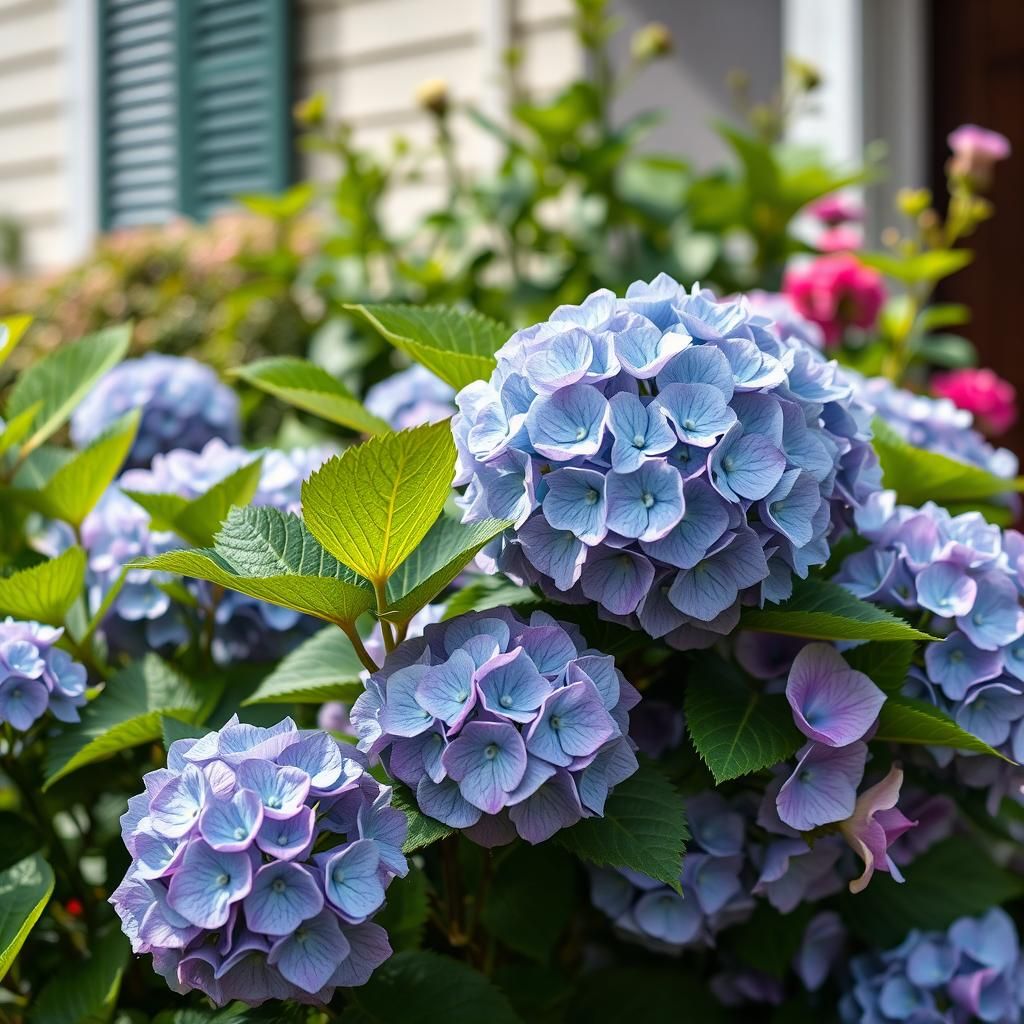
When it comes to enhancing the beauty of your home’s exterior, landscaping plays a crucial role. Among the various options available, hydrangeas stand out for their vibrant colors and impressive blooms. However, before deciding to plant these stunning shrubs next to your house, several important factors must be considered. The right placement can lead to a breathtaking garden, while poor positioning may result in limited growth or damage to your home’s foundation. In this article, we'll explore essential tips and considerations to help you determine whether hydrangeas are the perfect addition to your landscaping plans.
Should I Plant Hydrangeas Next to My House?
Planting hydrangeas next to your house can be a beautiful choice, but it comes with several considerations. These plants are known for their stunning blooms and can add a pop of color to your landscape. However, they require specific light and soil conditions to thrive. Ensure that the location receives the appropriate amount of sunlight, as some hydrangea varieties prefer partial shade while others thrive in full sun. Additionally, consider how their roots may affect your foundation or other nearby plants. Ensuring adequate airflow and drainage around the house is also important to prevent any potential moisture issues. Assess these factors to determine if hydrangeas will complement your home's aesthetic and landscape.
Light Requirements for Hydrangeas
Hydrangeas have varying light needs based on their variety. Some, like the Panicle and Smooth hydrangeas, prefer full sun, which generally means at least six hours of direct sunlight daily. Others, especially the Bigleaf hydrangeas, thrive in partial shade with morning sun and afternoon shade to protect them from intense heat. Evaluating the sunlight that an area near your house receives throughout the day can help in selecting the right spot for these beautiful blooms.
Soil Type and Preparation
The right soil type is crucial for hydrangeas to grow successfully. They prefer well-draining soil that is rich in organic matter. A mixture of compost, peat moss, and other organic materials can help create a favorable environment. The pH level of the soil also plays a role in determining the bloom color for some varieties. It’s important to test the soil before planting and amend it if necessary to achieve the ideal conditions for healthy growth.
Watering Needs
Hydrangeas need consistent moisture, especially during their establishment period. Depending on the surrounding climate, it’s essential to keep the soil moist, but not soggy. Deep watering encourages deeper root growth and is better than frequent shallow watering. Regular checks of the soil's moisture level are important, particularly in hot, dry conditions, as drought stress can negatively impact flowering.
Impact on Home Foundation
When planting hydrangeas next to your house, it's essential to consider their potential impact on the foundation. The root systems of most hydrangea types are relatively shallow, but they can still affect drainage around your home if not managed properly. It’s wise to maintain a distance of at least a couple of feet from the foundation to prevent any root interference and to allow for proper water drainage away from the house.
Aesthetic Benefits of Planting Hydrangeas
Incorporating hydrangeas into your landscape next to the house can enhance its overall aesthetic appeal. Their vibrant hues and lush foliage provide visual interest, and they bloom at various times throughout the year, offering seasonal beauty. They can serve as a stunning backdrop for your home or as a decorative boundary depending on how they are arranged. By selecting different varieties and colors, you can create a unique and inviting atmosphere that complements the architectural style of your home.
| Factor | Consideration |
|---|---|
| Light | Variety-specific needs for sun or shade |
| Soil | Well-draining, rich in organic matter |
| Water | Consistent moisture, avoid soggy conditions |
| Foundation | Maintain distance to protect drainage |
| Aesthetic | Enhances visual interest and seasonal beauty |
Can you plant hydrangea next to foundation?


Yes, you can plant hydrangeas next to a foundation, but there are several factors to consider to ensure the health of the plants and the integrity of your home. Hydrangeas are popular shrubs known for their beautiful, large blooms, and they can be a lovely addition to your landscape. However, planting them too close to a foundation can lead to problems, such as excessive moisture or compromised structural elements. Here are some important points to keep in mind:
Understand Hydrangea Growth Requirements
When planning to plant hydrangeas, it is essential to understand their growth requirements. These shrubs tend to thrive in well-drained soil with consistent moisture levels. Therefore, when planting near a foundation, it's critical to ensure that the soil won’t retain excess water, which could lead to root rot.
- Soil Type: Ensure you’re using well-draining soil.
- Moisture Levels: Hydrangeas need consistent moisture but not standing water.
- Sunlight Requirements: Different varieties have varying light requirements; ensure they get enough filtered sunlight.
Consider the Distance from the Foundation
Planting hydrangeas too close to a foundation can lead to several issues. A good rule of thumb is to plant them at least 2-3 feet away from the foundation, depending on the mature size of the hydrangea variety.
- Spacing: Keep enough distance for healthy growth.
- Air Circulation: Adequate space allows for better air circulation.
- Maintenance Access: Ensure you can access the shrubs for pruning and care.
Potential for Water Damage
Hydrangeas require adequate moisture, but their roots can create substantial water retention near foundations. If not properly managed, this can lead to water pooling and potential damage to your home’s foundation.
- Drainage Solutions: Consider adding drainage solutions if planting close.
- Mulching: Use mulch to help regulate moisture levels.
- Watering Practices: Monitor watering to prevent over-saturation.
Impact on Foundation and Structure
The roots of hydrangeas are generally not as invasive as other shrubs, but planting too close to a foundation can still create issues over time. It's important to assess how the plants might impact your foundation’s integrity.
- Root Size: Research the specific root size of the hydrangea variety.
- Soil Stability: Ensure the soil around the foundation remains stable.
- Regular Inspections: Check for any signs of damage to the foundation over time.
Choosing the Right Hydrangea Variety
Different hydrangea varieties have different growth habits and requirements, making it essential to choose the right type for planting near your foundation. Some varieties are more compact and suitable for smaller areas.
- Compact Varieties: Consider varieties like ‘Pinky Winky’ or ‘Little Lime’.
- Growth Height: Research how tall the variety grows at maturity.
- Bloom Characteristics: Ensure the blooms match your landscaping vision.
Do hydrangeas damage foundation?

Hydrangeas are popular ornamental plants known for their beautiful blossoms and lush foliage. However, when it comes to planting hydrangeas near buildings, many homeowners express concerns about whether these shrubs can cause damage to foundations. The answer is nuanced and depends on several factors, including the type of hydrangea, the distance from the foundation, and the specific conditions of the soil and site.
See also:
Understanding Hydrangea Root Systems
Hydrangeas have moderate-sized root systems that can extend outward but typically do not grow as aggressively as some other plants. These roots tend to spread mainly in a shallow layer.
- Type of Hydrangea: Different hydrangea species, like the Hydrangea macrophylla, have varying root structures.
- Soil Condition: Healthy, well-draining soil encourages a balanced root system, thus reducing the likelihood of damage.
- Moisture Level: Hydrangeas love moisture, and excessive water can influence the roots’ growth pattern.
Distance from Foundation
The proximity of hydrangeas to a foundation can significantly impact whether they cause damage. Ideally, planting hydrangeas at least three to four feet away from the foundation is recommended.
- Recommended Spacing: This distance minimizes the risk of roots pressing against the foundation.
- Plant Maturity: Mature plants can spread wider; thus, initial planting distance should account for future growth.
- Other Plant Options: Consider alternative plants if space is limited near the foundation.
Effects of Soil Erosion
Hydrangeas can mitigate soil erosion to some extent, yet large plant root systems can result in localized erosion if not planted properly.
- Root Network: An extensive root network helps stabilize the soil but may cause disruption if roots grow too close to a foundation.
- Slope Consideration: On slopes, hydrangeas can help retain soil but might also cause issues depending on root direction.
- Compaction Impact: Compacted soil from surrounding areas can lead roots toward the foundation seeking moisture.
Drainage Issues
Improper drainage can exacerbate any potential issues posed by hydrangeas.
- Water Accumulation: If hydrangeas are planted near foundations in poorly draining soil, water accumulation can weaken foundation integrity.
- Soil Amendment: Amending soil with organic matter can improve drainage and minimize the risk of water-related foundation damage.
- Surface Water Management: Ensure proper grading of the landscape to divert water away from the foundation and hydrangeas.
Maintenance and Removal
Regular maintenance of hydrangeas can prevent potential issues related to foundation damage.
- Trimming Practices: Keep hydrangeas trimmed to prevent excessive growth that may interfere with nearby structures.
- Monitoring Soil Moisture: Regular checks on soil moisture levels can help maintain a healthy balance.
- Removing Dying Plants: Always remove dead or dying plants to prevent root decay, which can attract pests and diseases.
Questions from Our Readers
Should I plant hydrangeas next to my house?
Planting hydrangeas next to your house can be a great choice, provided you consider factors such as light, space, and soil conditions. These flowers thrive in well-drained soil and prefer partial shade, making them suitable for many areas beside your home. However, ensure that they won't hinder or damage your foundation as they grow.
What type of hydrangeas are best for planting next to my house?
When selecting hydrangeas to plant next to your house, consider varieties such as Hydrangea macrophylla or Hydrangea paniculata. These species not only offer beautiful blooms but also have varying tolerances to sunlight and drought, allowing you to choose the best fit for your specific location and climate.
How much space do hydrangeas need when planted near a house?
Hydrangeas typically require at least 3 to 4 feet of space from the house to ensure proper air circulation and growth. This distance allows the plants to expand without interfering with walls or windows and minimizes the risk of disease due to poor airflow.
See also:
Do hydrangeas attract pests when planted near a house?
Yes, hydrangeas can attract certain pests, including aphids and spider mites, when planted close to a house. However, maintaining healthy plants through regular pruning and appropriate watering can significantly reduce pest problems, making them a manageable and beautiful addition to your garden.

If you want to read more articles like Should I Plant Hydrangeas Next to My House? Tips and Considerations for Beautiful Landscaping, we recommend you check out our Landscaping category.
Leave a Reply
Related Articles