What is the Best Plant to Block Neighbours? Top Options for Privacy in Your Garden
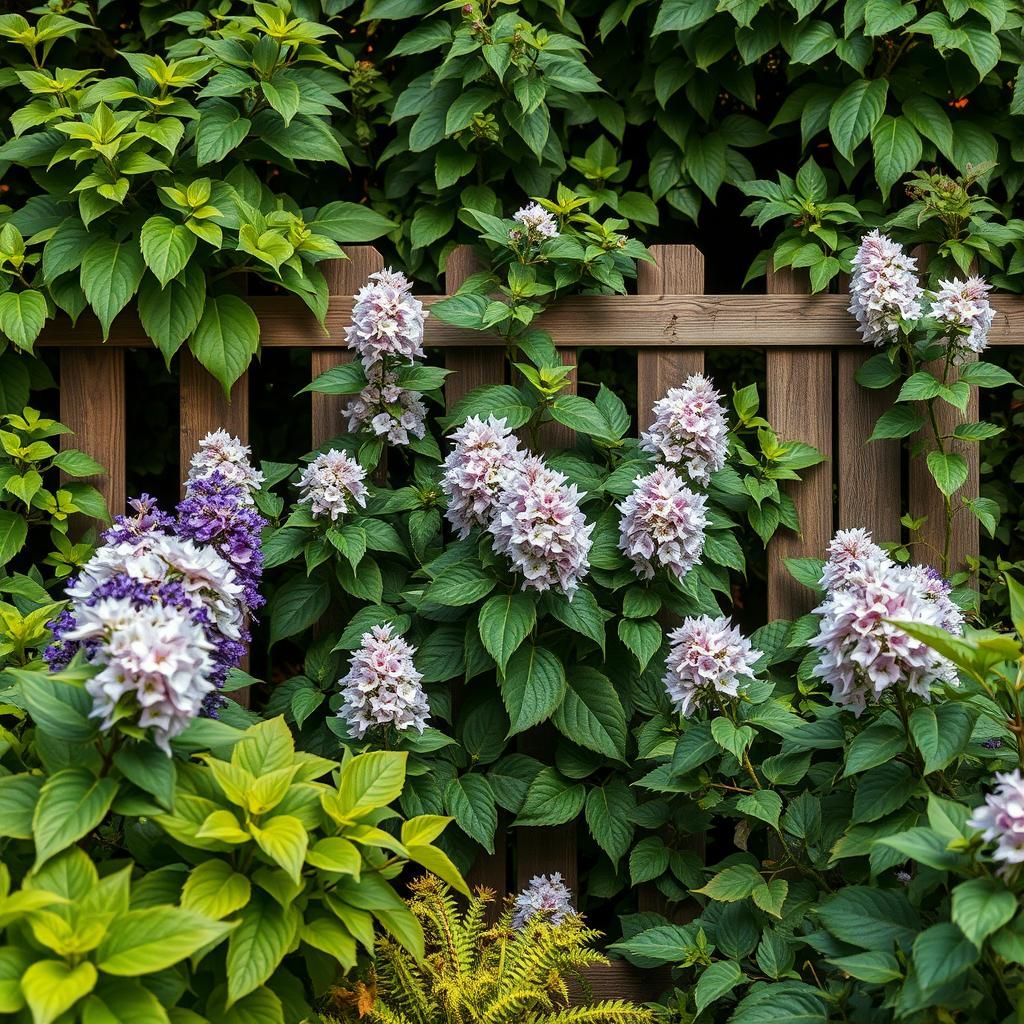
Creating a private oasis in your garden can be a challenge, especially if you have neighbors that are too close for comfort. One effective solution is to use plants that provide natural screening and enhance your outdoor space. This article explores the best plant options to block neighbors, offering insights into their growth habits, maintenance needs, and aesthetic appeal. Whether you're looking for fast-growing trees, lush hedges, or dense shrubs, we've compiled a list of the top choices that will help you establish a serene and secluded environment in your own backyard.
What is the Best Plant to Block Neighbours?
When considering the best plants to block neighbours, evergreen shrubs such as Leylandii provide excellent year-round privacy due to their rapid growth and dense foliage. Other popular options include bamboo, which, though fast-growing, requires careful maintenance to prevent it from becoming invasive, and boxwood, known for its versatility and structured appearance. For a more natural look, deciduous trees like willow can also be effective when positioned correctly. Ultimately, the choice depends on the specific conditions of your garden, including soil type, sunlight, and your personal aesthetic preferences.
Advantages of Evergreen Shrubs
Evergreen shrubs, such as Leylandii and Arborvitae, are favored for their consistent foliage that provides privacy throughout the year. They are particularly effective in creating a living wall due to their ability to grow tall and wide quickly. With minimal maintenance, evergreen shrubs can be pruned to your desired shape and size, making them a flexible choice for homeowners looking to enhance their landscape while maintaining a barrier from neighbors.
Fast-Growing Options
For those seeking quick results, plants like bamboo and Leylandii are among the fastest-growing privacy solutions available. Bamboo, in particular, can grow several feet in a single growing season, offering immediate height for privacy. However, it requires careful management to avoid becoming an invasive problem. Using clumping varieties can help control its spread and ensure that it remains a desirable choice for quick screening.
Deciduous Trees for Seasonal Coverage
While deciduous trees lose their leaves in winter, certain species such as willows and maples can provide effective privacy during the spring and summer months. They can offer a beautiful floral display during their growing season, which adds aesthetic value to your property. Additionally, strategically planting deciduous trees can enhance shade in your garden during hotter months, making them a multifunctional choice for homeowners.
Maintenance Considerations
When selecting plants for blocking neighbours, maintenance is a crucial factor to consider. Many fast-growing options like bamboo may require regular trimming to keep their height and spread in check, while evergreen shrubs may need occasional shaping to maintain their form. Boxwood, though requiring pruning, offers a cleaner look with lower maintenance levels. Also, understanding your chosen plant's growth habits can prevent issues with overgrowth or damage to nearby structures.
Combining Multiple Plant Types
Combining different types of plants can create an effective privacy screen that offers both variety and practicality. For instance, mixing evergreen shrubs with deciduous trees can provide a layered effect, offering year-round coverage and seasonal beauty. This combination creates a visually appealing foray into your landscape while maximizing privacy and reducing sightlines from neighbours.
| Plant Type | Growth Rate | Maintenance Level | Privacy Level |
|---|---|---|---|
| Evergreen Shrubs | Fast | Low | High |
| Bamboo | Very Fast | Medium | High |
| Deciduous Trees | Medium | Medium | Variable |
| Boxwood | Slow to Medium | Low | Moderate |
| Mixed Plantings | Variable | Medium to High | High |
What is the fastest growing privacy plant from neighbors?
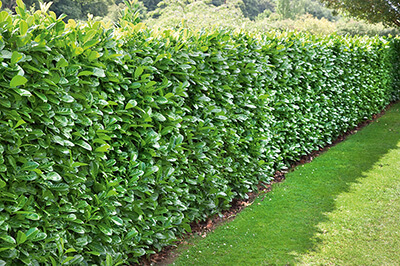
The fastest growing privacy plant from neighbors is generally considered to be the arborvitae (Thuja). This evergreen tree is favored for its ability to create a dense, tall screen quickly, making it an ideal choice for homeowners looking to enhance their privacy. It can grow up to 3 feet per year under optimal conditions, which often includes full sun, well-draining soil, and adequate moisture. When planting arborvitae, spacing between the plants is important to ensure they have enough room to mature and fill in properly.
1. Characteristics of Arborvitae
Arborvitae is notable for its tapered, columnar shape and lush green foliage, which can remain vibrant throughout the year. Here are some key characteristics:
- Height: Can reach 30-60 feet, depending on the variety.
- Width: Generally grows between 10-15 feet wide.
- Foliage: Dense, needle-like leaves that provide excellent coverage.
2. Ideal Growing Conditions
To achieve optimal growth rates, arborvitae requires specific growing conditions. These include:
- Sunlight: Prefers full sun but can tolerate partial shade.
- Soil: Thrives in well-draining, loamy soil with a pH of 6.0 to 8.0.
- Water: Regular watering is important, especially during dry spells.
3. Maintenance Tips
Regular maintenance will ensure your arborvitae remains healthy and continues to grow at a rapid pace. Consider the following tips:
- Pruning: Prune lightly to maintain shape and remove any dead or damaged branches.
- Fertilization: Use a balanced fertilizer in early spring to promote growth.
- Pest Control: Keep an eye out for common pests such as spider mites and bagworms.
4. Alternatives to Arborvitae
If arborvitae isn't suitable for your landscape, there are several other fast-growing privacy plants worth considering:
See also:
- Leyland Cypress: Another evergreen that can grow up to 3-4 feet per year.
- Bamboo: Fast-growing grass that can provide a tropical privacy screen.
- Italian Cypress: Tall, narrow trees that add elegance while offering privacy.
5. Common Issues with Arborvitae
While generally low-maintenance, arborvitae can face several issues that might hinder its growth:
- Overwatering: Can lead to root rot; ensure proper drainage.
- Winter Burn: Protect from harsh winter winds and sun, which can damage foliage.
- Diseases: Be aware of fungal diseases such as root rot and leaf blight.
What is the fastest growing plant for a privacy screen?
:strip_icc()/blooming-white-tree-park-e9596877-5dc1f639595b462181272418f326709a.jpg)
The fastest growing plant for a privacy screen tends to be the Bamboo species, particularly the Phyllostachys nigra (Black Bamboo) and other similar varieties. Bamboo can grow up to 3-5 feet in a single growing season, depending on the climate and growing conditions. This rapid growth rate, combined with its dense foliage, makes it an ideal choice for creating a natural privacy screen.
Benefits of Using Bamboo for Privacy Screens
Bamboo offers numerous benefits when used as a privacy screen. Its rapid growth and dense structure create an effective barrier against noise and visibility. The benefits include:
- Fast Growth: Bamboo can reach full height in a matter of months.
- Eco-Friendly: Bamboo is a sustainable choice as it grows quickly and absorbs more carbon dioxide than other plants.
- Versatile Design: Available in various species, it can complement any garden aesthetic.
Other Fast-Growing Plants for Privacy Screens
While bamboo is often the top choice, other plants also grow rapidly. These options provide alternative aesthetics and benefits. Consider:
- Ligustrum (Privet): Fast-growing shrub ideal for hedges.
- Thuja Green Giant: A hybrid evergreen that grows quickly and is drought-tolerant.
- Living Wall Plants: Certain climbing plants like clematis or honeysuckle can create vertical privacy screens.
Maintenance Tips for Fast-Growing Privacy Plants
To ensure your fast-growing privacy screen remains effective and attractive, proper maintenance is essential. Important tips include:
- Regular Pruning: Keep the plants in shape and encourage healthy growth.
- Watering: Ensure adequate hydration, especially during the initial growth period.
- Fertilization: Use a balanced fertilizer to promote vigorous growth and lush foliage.
Considerations When Planting for Privacy
When selecting plants for privacy screens, several considerations must be kept in mind to ensure the best outcome. Key points include:
- Space Requirements: Ensure adequate spacing between plants for optimal growth and health.
- Climate Adaptability: Choose varieties suited to your local climate and soil conditions.
- Height and Width: Consider how tall and wide the plants will grow to achieve desired privacy levels.
Long-Term Investment in Privacy Plants
Investing in fast-growing plants for privacy screens can provide long-term benefits for your property. Consider the following:
- Increased Property Value: Well-planned landscaping can enhance the value of your home.
- Environmental Benefits: Plants improve air quality and provide habitats for wildlife.
- Enhanced Outdoor Living: Creates a more private and enjoyable outdoor space for relaxation and entertainment.
What can I plant for immediate privacy?
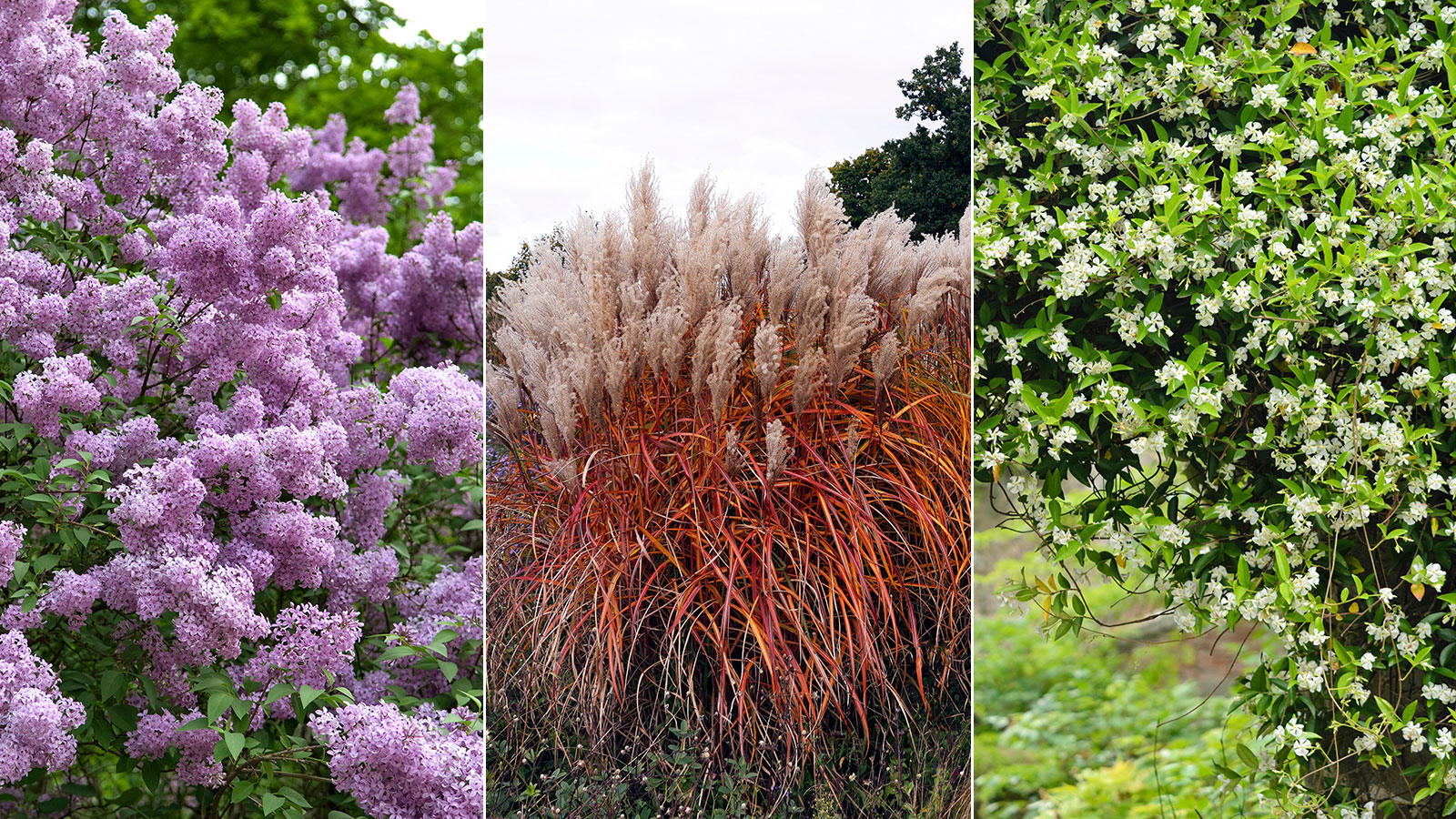
To create immediate privacy in your outdoor space, consider planting fast-growing shrubs, trees, or evergreen plants. Here are some excellent options that can help create a secluded environment quickly.
Fast-Growing Shrubs
Fast-growing shrubs are ideal for creating a natural privacy barrier within a short time. Many species can reach full height in just a few growing seasons.
- Privet Hedge: This classic choice can grow up to 3 feet per year, making it one of the quickest ways to achieve privacy.
- Bamboo: Certain varieties, like the clumping types, can grow rapidly, providing tall, lush coverage within months.
- Boxwood: Although slower than privet, boxwood can create a dense hedge that is perfect for shaping and design.
Evergreen Trees for Instant Privacy
Planting evergreen trees is another effective way to ensure year-round privacy. These trees maintain their foliage throughout the year, providing a consistent barrier.
- Emerald Green Arborvitae: This tree grows quickly and reaches about 10-15 feet tall, forming a tall screen ideal for narrow spaces.
- Green Giant Thuja: Known for its fast growth and hardy nature, this tree can grow up to 3 feet annually and can reach heights of 50-60 feet.
- Pine Trees: Certain species like Eastern White Pine or Norway Spruce can grow quickly and create a dense cover.
Tall Grasses for Privacy
Ornamental grasses can also be used to enhance privacy while adding a different aesthetic to your landscape. They are typically fast-growing and can fill in gaps in a natural screen.
See also:
- Giant Miscanthus: Reaching heights of up to 10 feet, this grass species creates an impressive privacy screen.
- Switchgrass: This native grass grows quickly and offers a beautiful blend of colors while creating a natural barrier.
- Pampas Grass: Known for its dramatic plumes, pampas grass can grow tall, helping to block views effectively.
Flowering Plants for a Natural Screen
Flowering plants can also serve as a privacy screen, especially if you choose species that grow tall and dense. This can enhance your space with beauty while providing seclusion.
- Hibiscus: With their large blooms and substantial growth, hibiscus plants can reach heights of up to 8 feet, providing good coverage.
- Rose of Sharon: This hardy shrub can grow 8-12 feet tall and is covered with beautiful flowers that attract pollinators.
- Fuchsia: Available as shrubs or vines, they can be planted to create both visual privacy and attractive blooms.
Container Plants for Versatile Privacy Solutions
If space or soil conditions are challenging, consider using container plants. They are flexible and can be moved to suit your privacy needs.
- Ficus Trees: Often used in container gardening, ficus can grow tall and provide privacy when grouped together.
- Laurel Hedge in Pots: These can be shaped and arranged to form a dense screen while being easily movable.
- Climbing Vines: Plants like clematis or climbing roses can be grown in pots and trained to climb trellises, creating vertical privacy.
What are the best low maintenance border plants?
:max_bytes(150000):strip_icc()/borderpsychspring-adb0a74ed301439a8e3bb68de256eaa9.jpg)
The best low maintenance border plants can significantly enhance the beauty of your garden without requiring excessive care. These plants typically thrive in various conditions, resist pests and diseases, and have minimal watering needs once established. Here are some of the top choices for low maintenance border plants:
1. Catmint (Nepeta)
Catmint is a hardy perennial that produces beautiful blue-purple flowers and aromatic foliage. It can thrive in full sun and is drought-resistant once established, making it a favorite among gardeners looking for low upkeep options. Key features include:
- Attracts pollinators like bees and butterflies.
- Resilient to heat and drought conditions.
- Minimal pruning is needed; only cut back in early spring.
2. Daylilies (Hemerocallis)
Daylilies are known for their vibrant blooms and adaptability. They can grow in a variety of soil types and tolerate drought well, ensuring they remain a low maintenance option. Characteristics of daylilies include:
- Blooms come in numerous colors and shapes.
- They can thrive in full sun or partial shade.
- Require little maintenance beyond occasional deadheading.
3. Lavender (Lavandula)
Lavender is prized for its fragrant flowers and foliage. This perennial plant thrives in dry, sunny conditions and is perfect for borders due to its compact growth habit. Notable aspects of lavender are:
- Attracts beneficial insects and pollinators.
- Requires minimal watering and care once established.
- Great as a natural pest deterrent in gardens.
4. Sedum (Sedum spp.)
Sedum, or stonecrop, is a succulent plant that is incredibly low maintenance. With various species available, sedums are perfect for borders and provide unique textures and colors. Benefits of sedum include:
- Tolerates poor soil and drought.
- Can thrive in full sun to partial shade.
- Minimal watering needed once established.
5. Coreopsis (Coreopsis spp.)
Coreopsis, or tickseed, is a cheerful perennial with bright yellow flowers that bloom throughout the summer. It is easy to grow and will thrive in dry, well-drained soils. Advantages of coreopsis are:
- Attractive to butterflies and other pollinators.
- Requires little care apart from occasional deadheading.
- Adapts well to various garden styles and conditions.
Questions from Our Readers
What is the best plant to block neighbours?
The best plants to block neighbors are typically tall, dense varieties such as evergreens, bamboo, or hedges like privet and laurel. These plants not only provide privacy but also enhance the beauty of your garden. Selecting the right type depends on your climate and space available.
How fast do privacy plants grow?
The growth rate of privacy plants varies widely, but certain species like bamboo can grow as much as 3 feet per year, while others like leylandii can reach significant heights quickly. For immediate results, it’s essential to choose fast-growing options that suit your local environment.
Are there maintenance considerations for screening plants?
Yes, most screening plants will require some level of maintenance. This includes regular trimming to shape the plants, watering, and addressing any pest issues. Choosing low-maintenance varieties can help reduce the amount of work needed to keep your privacy screen looking its best.
Can I use shrubs for privacy screening?
Absolutely, shrubs are a popular choice for privacy screening. They can provide a living wall effect, especially when planted densely. Examples include boxwood, holly, or emanthys, which not only block sight lines but also offer seasonal interest in your garden.
See also:
If you want to read more articles like What is the Best Plant to Block Neighbours? Top Options for Privacy in Your Garden, we recommend you check out our Hedges category.
Leave a Reply
Related Articles