What is the Best Fertilizer for Money Tree? Top Options and Tips for Healthy Growth
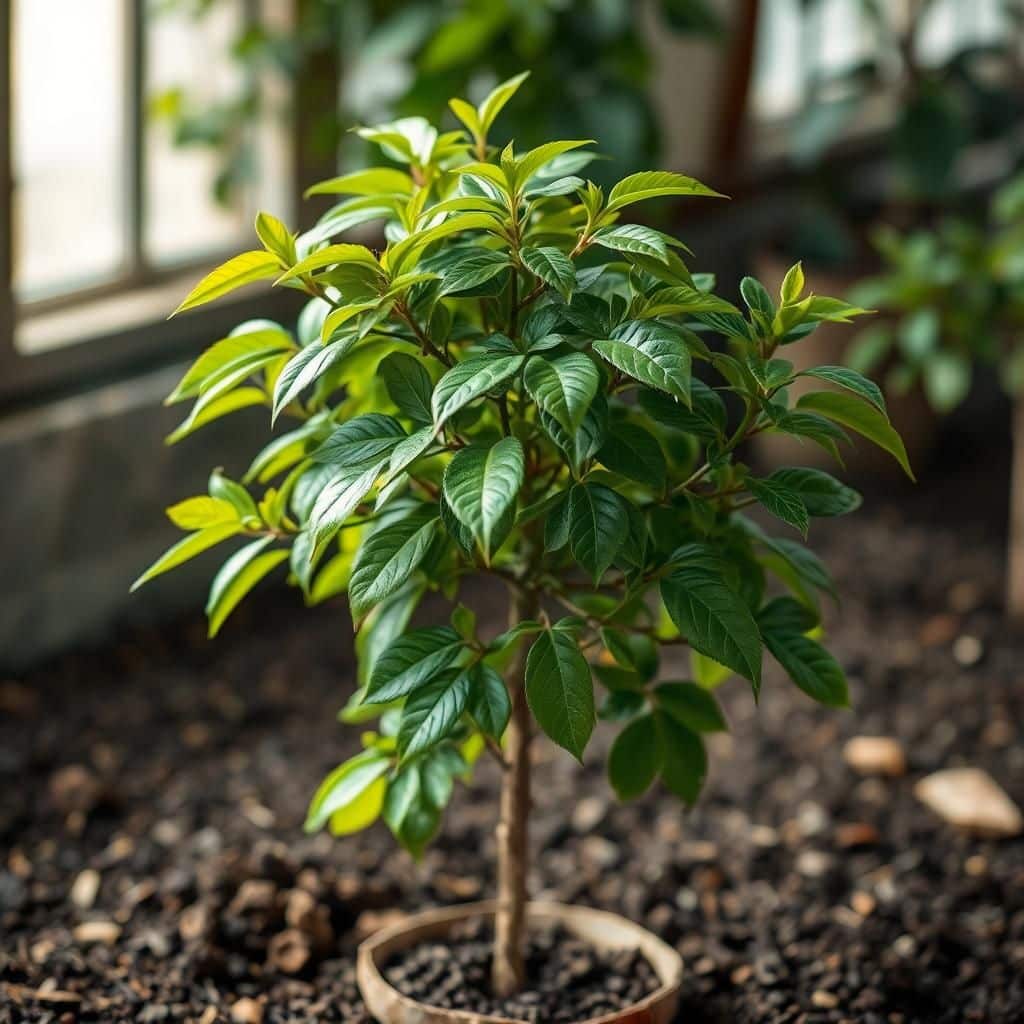
When it comes to nurturing a Money Tree (Pachira aquatica), choosing the right fertilizer is crucial for promoting healthy growth and vibrant foliage. This popular houseplant, known for its distinctive braided trunk and lush leaves, thrives best with the appropriate nutrients. In this article, we will explore the best fertilizers available for Money Trees, providing options that cater to various needs and budgets. Additionally, we'll share practical tips for application and care, ensuring your Money Tree receives the nourishment it needs to flourish in your home. Discover how to keep your plant healthy and thriving with the best fertilizer solutions.
What is the Best Fertilizer for Money Tree?
The best fertilizer for a money tree (Pachira aquatica) is one that provides a balanced nutrient profile, promoting healthy growth while avoiding over-fertilization. A liquid fertilizer with an N-P-K ratio of 20-20-20 is ideal, as it supplies equal parts of nitrogen, phosphorus, and potassium, essential for foliage development, root health, and overall vigor. Applying the fertilizer during the growing season, from spring to early autumn, every month, can help ensure that your money tree thrives. It is crucial to dilute the fertilizer according to the manufacturer's instructions to prevent burning the roots and always ensure the pot has adequate drainage to mitigate moisture-related issues.
Understanding the Nutritional Needs of Money Trees
Money trees require a balanced nutrient diet to flourish, and understanding their specific needs can help you choose the right fertilizer. They benefit from a consistent supply of macronutrients such as nitrogen for growth, phosphorus for flower and root development, and potassium for disease resistance. Additionally, incorporating micronutrients like magnesium, iron, and manganese in your fertilization regimen is also beneficial, as they aid in various physiological processes essential for plant health.
When to Fertilize Your Money Tree
The timing of fertilization plays a crucial role in the health of your money tree. The best time to fertilize is during the growing season from spring to early fall, when the plant is actively producing new growth. Avoid fertilizing during the dormant winter months, as the plant's needs are significantly reduced. Following this schedule will maximize nutrient absorption and promote vigorous growth and lush foliage.
Types of Fertilizers Suitable for Money Trees
There are several types of fertilizers suitable for money trees, including liquid, slow-release, and organic fertilizers. Liquid fertilizers, as mentioned, provide quick nutrient absorption and are perfect for immediate growth needs. Slow-release fertilizers are beneficial for prolonged nutrient delivery over weeks or months, reducing the frequency of application. Organic fertilizers, such as compost or fish emulsion, provide a natural option that supports healthy soil microbiota and can be less harsh on the plant.
Signs of Over-Fertilization in Money Trees
Recognizing the signs of over-fertilization can prevent serious damage to your money tree. Symptoms include yellowing leaves, leaf drop, and root burn. If the leaves appear scorched or crispy around the edges, it may indicate excess salts buildup in the soil. In such cases, it's important to flush the soil with water to help remove excess nutrients and salts, allowing the plant to recover.
Alternative Fertilization Methods for Money Trees
If chemical fertilizers are not your preference, you can explore alternative fertilization methods for your money tree. Compost is an excellent organic option, adding nutrients naturally while improving soil structure. Another method is to use worm castings, which are rich in nutrients and beneficial microorganisms. Additionally, regular water-soluble fertilizers can be mixed with irrigation water, promoting nutrient uptake without the risk of over-fertilization.
| Nutrients | Function |
|---|---|
| Nitrogen | Promotes healthy green growth and leaf production. |
| Phosphorus | Supports root development and flowering. |
| Potassium | Enhances overall plant health and disease resistance. |
| Magnesium | Essential for chlorophyll production and photosynthesis. |
| Iron | Crucial for chlorophyll synthesis; helps avoid leaf yellowing. |
How do I make my money tree healthy again?

To make your money tree healthy again, it is essential to address various aspects of its care, including watering, light exposure, soil quality, and pest management. Below are detailed steps to help revive your money tree.
Assess Watering Needs
Proper watering is crucial for the health of your money tree. Overwatering can lead to root rot, while underwatering can cause the leaves to droop and turn yellow.
- Check moisture levels: Stick your finger about an inch into the soil. If it feels dry, it's time to water.
- Water thoroughly: When you do water, ensure that you soak the soil until water drains out of the bottom. This promotes healthy root growth.
- Adjust frequency: Typically, money trees need watering every 1-2 weeks, but this may vary based on seasonal changes and indoor climate.
Improve Light Conditions
Money trees thrive in bright, indirect light. Insufficient light can cause them to become leggy and weak.
- Find the right spot: Place your money tree near a window with filtered light or in a brightly lit room.
- Avoid direct sunlight: Too much direct sunlight can scorch the leaves, so use sheer curtains if necessary.
- Rotate the plant: Regularly rotate your plant to ensure even light exposure, encouraging a symmetrical growth habit.
Optimize Soil Quality
The right soil type is fundamental to the health of your money tree. Poor soil can hinder proper drainage and nutrient availability.
See also:
- Use well-draining soil: A mix designed for tropical plants or a combination of potting soil and perlite works well.
- Consider repotting: If the plant is root-bound, moving it to a slightly larger pot can promote healthy growth.
- Check for nutrient needs: Fertilize with a balanced, water-soluble fertilizer every month during the growing season to provide essential nutrients.
Manage Pests Effectively
Pest infestations can severely damage your money tree. Regular inspection and proactive management are key.
- Inspect frequently: Look for signs of pests such as spider mites, scale, or aphids on the leaves and stems.
- Use natural remedies: A solution of water mixed with a few drops of dish soap can effectively eliminate common pests without harming the plant.
- Introduce beneficial insects: Ladybugs or lacewings can help control aphid populations naturally.
Maintain Proper Humidity
Money trees prefer a humid environment, which can often be lacking in indoor settings.
- Increase humidity levels: Use a humidifier in the room or mist your money tree regularly with water.
- Group plants together: Placing your money tree near other plants can help raise humidity through transpiration.
- Use pebble trays: Setting a tray of water and pebbles beneath the pot can provide localized humidity as the water evaporates.
Is Miracle-Gro good for money trees?

Miracle-Gro can be beneficial for money trees, also known as Pachira aquatica. These plants thrive when given the right nutrients, and Miracle-Gro, a widely used brand of fertilizer, contains essential components that can support healthy growth. However, it is important to use Miracle-Gro appropriately and not excessively, as over-fertilization can harm the plant.
Money trees generally prefer a balanced fertilizer, and Miracle-Gro offers products that can address these nutrient needs effectively. It's recommended to dilute Miracle-Gro according to package instructions to avoid burning the roots of the money tree. Additionally, it is crucial to monitor the plant’s response after fertilization to ensure that it is thriving.
Understanding Miracle-Gro Components
Miracle-Gro is formulated with a variety of nutrients essential for plant growth. Key components include:
- Nitrogen: Promotes leaf growth and overall plant vitality.
- Phosphorus: Supports root development and flowering.
- Potassium: Enhances disease resistance and overall plant health.
These components are vital for the development and maintenance of a healthy money tree, as they help in the synthesis of vital plant tissues.
Application Methods for Money Trees
When using Miracle-Gro for money trees, the application method significantly impacts efficacy:
- Dilution: Always dilute the fertilizer according to the instructions to avoid root burn.
- Watering: Apply the solution directly to the soil, ensuring that the plant is properly watered beforehand.
- Frequency: Fertilize every 4-6 weeks during the growing season, and reduce frequency in the winter.
These steps help ensure that your money tree receives nutrients without the risk of over-fertilization.
Signs of Over-Fertilization
It is essential to recognize the signs of over-fertilization in money trees to prevent damage:
- Burned Leaf Tips: The edges or tips of leaves may turn brown and crispy.
- Leaf Drop: Excessive fertilizer can lead to leaves falling off prematurely.
- Root Damage: Over-fertilization can affect root health, leading to poor nutrient absorption.
Monitoring these signs allows for timely intervention, ensuring the health of the money tree.
Alternatives to Miracle-Gro for Money Trees
If you prefer alternatives, consider these options for feeding your money tree:
See also:
- Organic Fertilizers: Options such as compost or worm castings provide natural nutrients.
- Liquid Seaweed: This boosts growth and adds trace minerals beneficial to money trees.
- Slow-Release Fertilizers: These provide a gradual supply of nutrients, reducing the risk of burn.
These alternatives can be effective ways to nourish your money tree without the potential drawbacks of synthetic fertilizers.
Factors to Consider When Using Fertilizers
Before applying any fertilizer, consider the following factors:
- Plant Size: Larger plants may require more nutrients, while smaller ones require less.
- Soil Quality: Well-draining soil is essential; poor soil may lead to nutrient lockout.
- Season: Fertilize primarily during the growing season; avoid fertilizing during dormancy.
Taking these factors into account can help achieve the best results when caring for your money tree with Miracle-Gro or any other fertilizer.
What is the best fertilizer for the money?

The best fertilizer for the money often depends on the specific needs of your plants and garden, but a few well-regarded options consistently offer great value. Some of the most recommended fertilizers include balanced fertilizers, fertilizers with slow-release mechanisms, and sometimes organic options.
Understanding Balanced Fertilizers
Balanced fertilizers typically have equal or near-equal proportions of the three key nutrients: nitrogen (N), phosphorus (P), and potassium (K). These nutrients are crucial for plant health and growth.
- Nitrogen promotes leafy growth, which is essential for many vegetables and grasses.
- Phosphorus aids in root development and flower production, crucial for fruiting plants.
- Potassium helps in overall plant health, disease resistance, and improved flavor in fruits and vegetables.
Benefits of Slow-Release Fertilizers
Slow-release fertilizers can provide a steady supply of nutrients over an extended period, making them a smart investment for gardeners looking for long-term benefits.
- Convenience: Fewer applications are needed throughout the growing season.
- Reduced risk of burn: These fertilizers are less likely to damage plants due to nutrient overload.
- Improved nutrient uptake: Plants can absorb nutrients as needed, leading to healthier growth.
Exploring Organic Fertilizers
Organic fertilizers, derived from natural sources, can be an excellent choice for those seeking eco-friendly options. They often improve soil health as well.
- Soil health: They help in building organic matter in the soil, enhancing its structure and nutrient-holding capacity.
- Microbial activity: They promote beneficial microorganisms that aid in nutrient breakdown and uptake.
- Low environmental impact: Organic fertilizers are usually safer for the environment and present less risk of chemical runoff.
Cost-Effectiveness of Bulk Purchases
Buying fertilizers in bulk can significantly reduce the cost per application. This approach is especially beneficial for large gardens or farms.
- Lower price: Bulk purchases often come with discounts compared to buying smaller bags.
- Reduced packaging waste: Buying in bulk means less packaging, which is better for the environment.
- Convenient storage: Larger quantities can be stored, ensuring that you have the fertilizer on hand when needed.
Comparing Commercial vs. Homemade Fertilizers
While commercial fertilizers tend to offer a predictable nutrient composition, homemade fertilizers can also be a cost-effective alternative.
- Cost savings: Common household items can be composted or brewed into fertilizers, saving money.
- Customization: Homemade options allow gardeners to tailor nutrients to specific plant needs.
- Organic matter addition: Homemade fertilizers often provide additional organic material, benefiting soil health.
Questions from Our Readers
What type of fertilizer is best for a money tree?
The best type of fertilizer for a money tree is a balanced liquid fertilizer with an NPK ratio of 20-20-20. This ensures that the plant receives equal amounts of nitrogen, phosphorus, and potassium, which are essential for its growth. Applying this fertilizer every 4-6 weeks during the growing season will help your money tree thrive.
When should I fertilize my money tree?
You should fertilize your money tree primarily during its growing season, which typically occurs from spring to early autumn. During this period, the tree is actively growing and can benefit from the added nutrients. It's best to avoid fertilizing in the winter when the plant is dormant.
See also:
How often should I apply fertilizer to my money tree?
Generally, you should apply fertilizer to your money tree every 4 to 6 weeks during the growing season. However, be cautious not to over-fertilize, as this can lead to nutrient burn. Always follow the recommended dosage on the fertilizer package to ensure your plant remains healthy.
Can I use organic fertilizers for my money tree?
Yes, you can use organic fertilizers for your money tree, as they provide a slow-release source of nutrients. Options such as compost, worm castings, or organic fish emulsion are great choices. Organic fertilizers can promote healthy growth while improving the overall soil quality in which your plant is growing.

If you want to read more articles like What is the Best Fertilizer for Money Tree? Top Options and Tips for Healthy Growth, we recommend you check out our Fertilised category.
Leave a Reply
Related Articles