What Happens If You Don't Anchor a Pergola? The Risks and Consequences Explained
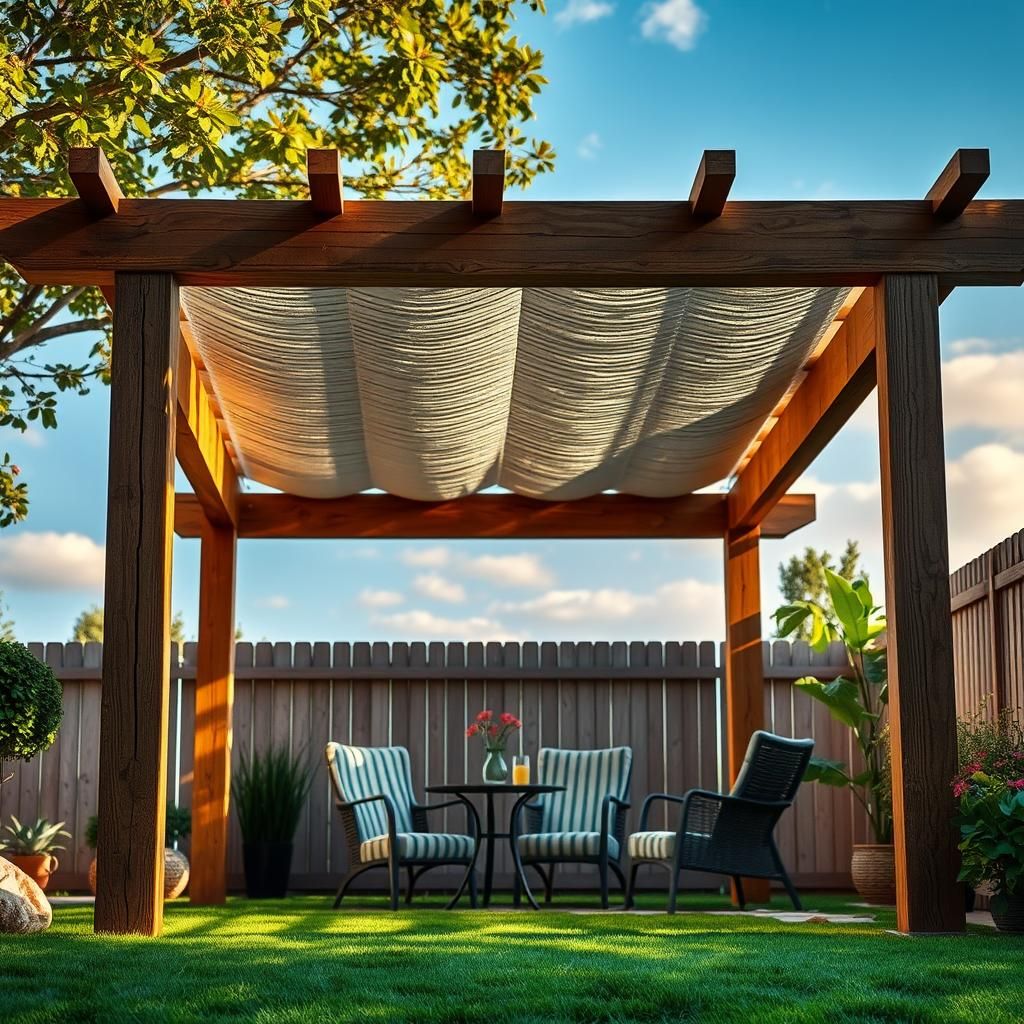
When it comes to outdoor structures, a pergola can enhance your garden's aesthetics and provide some shade. However, neglecting to anchor it properly may lead to unforeseen problems. This article delves into the risks and consequences of failing to secure a pergola, highlighting potential safety hazards, structural damage, and the impact of weather conditions. Understanding these implications can help homeowners make informed decisions about installation and maintenance, ensuring the longevity and stability of their outdoor investments. Join us as we explore the critical importance of anchoring and its effects on your pergola's durability and functionality.
What Happens If You Don't Anchor a Pergola?
Failing to anchor a pergola can lead to a variety of serious issues, including structural instability and potential damage during adverse weather conditions. Without proper anchoring, strong winds or heavy rains can cause the pergola to shift, tilt, or even collapse, posing a significant risk to both the structure and the surrounding area. Furthermore, unanchored pergolas can lead to uneven wear and tear, significantly reducing their lifespan and necessitating costly repairs or replacements. As a result, proper installation and anchoring are essential for ensuring the durability and safety of your pergola.
Risk of Collapse
Without proper anchoring, a pergola is at a heightened risk of collapse, especially during storms or strong winds. The lack of support can cause the structure to become loose, leading to possible injuries or damage to surrounding property. It is crucial to secure the pergola adequately to withstand various weather conditions, ensuring safety and stability.
Damage to Landscaping
An unanchored pergola may shift or topple, causing damage to the landscaping around it. This displacement can uproot plants, destroy garden beds, and disrupt the natural beauty of the outdoor space. By ensuring that the pergola is anchored, you minimize the likelihood of damaging your plants and maintaining the aesthetic appeal of your landscape.
Increased Maintenance Costs
Neglecting to anchor a pergola can lead to frequent maintenance requirements due to wear and tear from environmental factors. Repairs may be needed more often if the structure is not stable, leading to increased costs over time. Proper anchoring can help you avoid these additional expenses by prolonging the structure's lifespan.
See also:
Impact on Property Value
An unanchored pergola can negatively affect the overall value of your property. Potential homebuyers may view a pergola without proper support as a liability, fearing future repairs and safety issues. Ensuring that the pergola is securely anchored contributes to the overall appeal of your home and maintains its market value.
Inability to Customize or Upgrade
Without a stable base, attempting to customize or upgrade an unanchored pergola can be challenging and often ill-advised. Modifications require a solid foundation; without it, the integrity of the enhancements may be compromised, leading to further issues. Properly anchored pergolas provide the stability necessary for any future improvements or renovations.
| Issue | Consequence |
|---|---|
| Risk of Collapse | Injury or property damage |
| Damage to Landscaping | Disruption of garden aesthetics |
| Increased Maintenance Costs | Frequent repairs and expenses |
| Impact on Property Value | Reduced appeal to buyers |
| Inability to Customize | Challenges in enhancing structure |
Potential Structural Damage and Safety Hazards
Failing to anchor a pergola can lead to significant structural damage and create serious safety hazards. Without proper anchoring, a pergola is vulnerable to wind and other environmental forces, which can cause it to sway or even collapse. This movement can cause bricks, wood, or other materials to weaken over time, leading to costly repairs or complete replacement. Additionally, a falling pergola poses a risk to anyone nearby, potentially leading to injuries or liabilities for the owner. Ensuring that a pergola is securely anchored is crucial to maintaining its integrity and safeguarding both the structure and the individuals around it.
Understanding Wind Forces on Pergolas
Wind can exert immense force on a pergola, especially during severe weather events. If a pergola is not anchored, the risk of it being uprooted or damaged significantly increases, leading to potentially catastrophic consequences. Wind can lift the structure off the ground or cause it to rotate, which may lead to damage not only to the pergola itself but also to surrounding property. Understanding these wind forces is essential for ensuring that a pergola is built to withstand harsh conditions.
Effects of Soil Movement and Settling
Soil can shift and settle over time due to various factors such as moisture changes, regular use, and freeze-thaw cycles. If a pergola is not anchored, it may not be able to withstand these changes, leading to tilting, instability, or even failure of the structure. This lack of anchoring can compromise the structural integrity of the pergola and result in significant repair costs as the foundation needs to be restored or adjusted.
See also:
Cost Implications of Poor Installation Practices
Neglecting to anchor a pergola can lead to increased maintenance and repair costs in the long run. If the structure becomes damaged due to wind or soil movement, the cost to replace or repair it can be substantially higher than the initial cost of proper anchoring. Homeowners may also incur additional expenses if their insurance does not cover damage caused by a poorly installed structure, highlighting the importance of considering long-term investment strategies.
Impact on Aesthetic Appeal
A structurally unsound pergola can detract from the aesthetic appeal of a property. If a pergola becomes crooked or damaged due to lack of anchoring, it can negatively affect the overall landscape design and curb appeal of a home. Property owners may find themselves needing to invest in additional landscaping or even remove and replace the pergola altogether, further adding to their expenses.
Legal Liability and Insurance Issues
Failure to properly anchor a pergola can expose a homeowner to legal liability if someone is injured as a result of the structure's instability. If the pergola collapses and causes injuries or damages to nearby property, the owner may face lawsuits or increased insurance premiums. Additionally, some insurance policies may have specific requirements regarding the proper installation and maintenance of outdoor structures, and failing to comply with these can result in denied claims.
Questions from Our Readers
What could happen if a pergola is not anchored?
If a pergola is not anchored, it can become unstable and prone to toppling over during strong winds or severe weather conditions. This lack of stability increases the risk of damage to the structure itself, as well as potential injury to individuals nearby.
How does wind affect an unanchored pergola?
Winds can exert significant force on an unanchored pergola, especially if it has a large surface area or is made of lightweight materials. Without proper anchors, these structures can easily lift off the ground, resulting in both structural failure and potential hazards in the surrounding area.
See also:
Can an unanchored pergola lead to safety hazards?
Yes, an unanchored pergola can lead to serious safety hazards. If it falls or collapses, it can cause injuries to people nearby or damage to property. Additionally, the debris from a fallen pergola can pose a risk to pedestrians and vehicles.
What maintenance is required for an anchored pergola?
An anchored pergola requires regular inspection and maintenance to ensure that the anchors remain secure and effective. Check for signs of rust, wear, or loosening of the anchor points, and take corrective actions as needed to maintain the structure's stability and safety.

If you want to read more articles like What Happens If You Don't Anchor a Pergola? The Risks and Consequences Explained, we recommend you check out our Pergola category.
Leave a Reply
Related Articles