10 Creative Front Entrance Stepping Stone Walkway Ideas to Enhance Your Curb Appeal
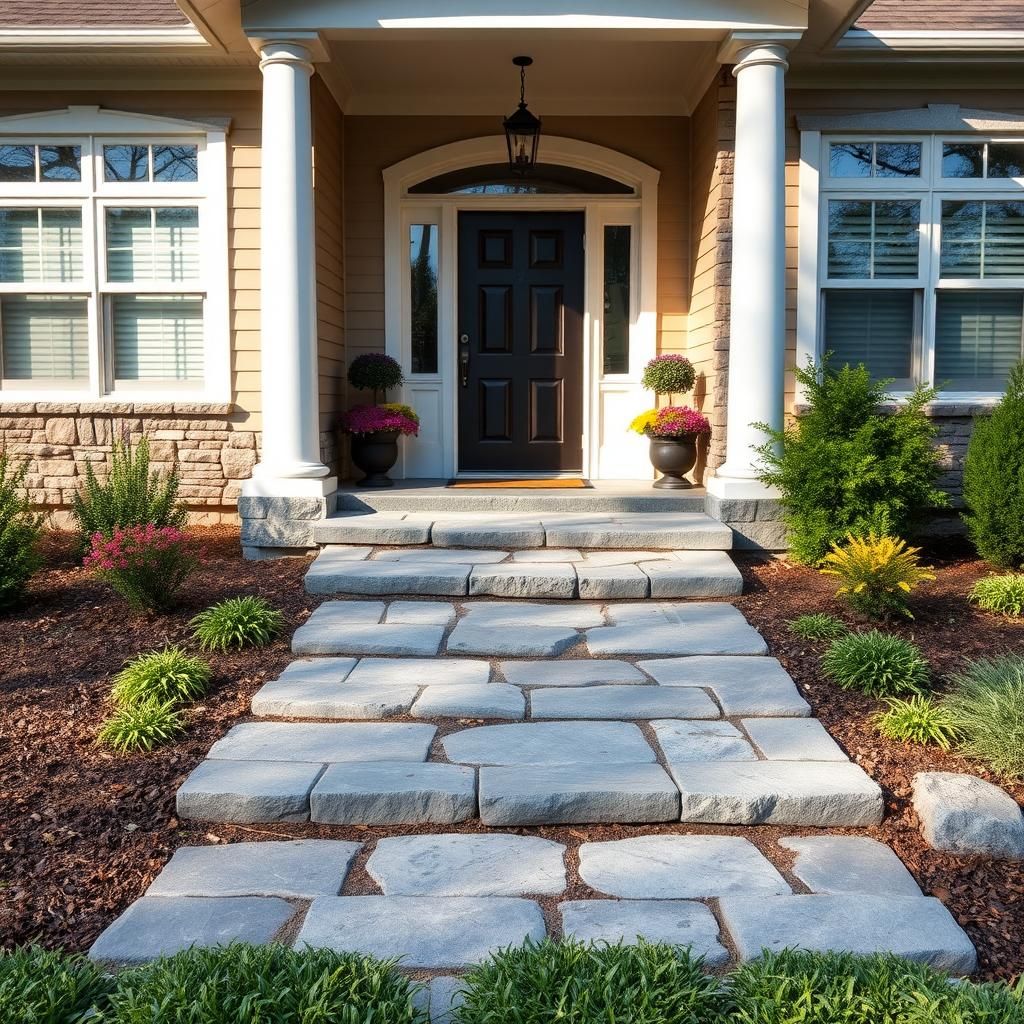
The entrance of your home sets the tone for your entire property, making curb appeal an essential factor in creating a welcoming atmosphere. One of the most effective ways to enhance this first impression is through a creatively designed stepping stone walkway. This article explores ten innovative ideas for front entrance pathways that not only provide functionality but also aesthetics. From natural stone patterns to playful designs, these stepping stone concepts will inspire you to transform your home's facade and elevate its charm. Discover how the right walkway can add character and invite guests into your beautifully curated outdoor space.
Creative Front Entrance Stepping Stone Walkway Ideas
Creating a welcoming front entrance with a stepping stone walkway can greatly enhance the aesthetic appeal of your home. By carefully selecting different materials, patterns, and arrangements, you can transform an ordinary entrance into a stylish entry point. Consider using various shapes of stones, such as natural flagstone, concrete pavers, or even recycled materials, to achieve a unique look. Additionally, incorporating landscaping elements like surrounding plants, lighting, and decorative borders will complement the walkway and invite visitors. This design choice not only provides a practical path but also enhances curb appeal, making your home stand out in the neighborhood.
Choosing the Right Materials
When designing a stepping stone walkway, selecting the right materials is crucial for both aesthetics and durability. Natural stones like slate, limestone, and granite offer a rustic charm while being sturdy enough to withstand the elements. Alternatively, concrete pavers can be molded into various shapes and sizes, allowing for more design flexibility. If you're looking for an eco-friendly option, consider using recycled materials like brick or reclaimed wood. Each material comes with its unique textures, colors, and maintenance requirements, so it’s essential to choose one that aligns with your overall design vision and environmental priorities.
Design Patterns for Walkway Layouts
The layout of your stepping stone walkway can significantly impact the overall appearance of your front entrance. Popular design patterns include straight, curved, and circular layouts. A straight walkway leads directly to your door, providing a clean and modern look, while a curved design adds softness and can create a more natural flow through your landscaping. For a unique touch, consider a circular layout, where stones are arranged in a round shape, drawing attention to focal points such as flower beds or garden sculptures. Ultimately, the pattern you choose should harmonize with your home’s architecture and the surrounding landscape.
Incorporating Lighting into Your Walkway
Adding lighting to your stepping stone walkway enhances both functionality and ambiance. Solar-powered lights are an excellent option, as they are easy to install and environmentally friendly. You can place them along the edges of the pathway or embedded within the stones for a more integrated look. Uplighting from nearby plants can also create dramatic shadows and highlight the textures of the stones. This not only increases safety during nighttime walks but also creates a warm and inviting atmosphere for evening gatherings, making your entrance more appealing at all hours.
Surrounding Landscaping Ideas
Enhancing your stepping stone walkway with landscaping elements can significantly elevate its appeal. Consider planting colorful flowers or shrubs along the sides of the walkway to provide natural beauty and texture. Low-growing plants and ground cover can also soften the edges of the stones and create a cohesive look. Incorporating ornamental grasses or small decorative trees can add height and visual interest, while decorative rock features can serve as a transitional element between the pathway and garden beds. These landscaping choices create a seamless integration between your walkway and the surrounding environment.
Maintenance Tips for Stepping Stone Walkways
Maintaining your stepping stone walkway is essential to keep it looking its best over time. Regularly remove debris such as leaves and dirt, which can accumulate in the joints between stones and promote weed growth. Applying a sealant can help protect the stones from stains and weather damage while enhancing their color. It's also important to check for shifting stones or uneven surfaces, as these can create tripping hazards. Periodic cleaning with a pressure washer can help remove algae and moss buildup, ensuring your walkway remains safe and visually appealing for years to come.
| Material | Benefits | Considerations |
|---|---|---|
| Natural Stone | Durable, unique look | May be more expensive, heavy |
| Concrete Pavers | Versatile, cost-effective | Less natural appearance |
| Recycled Materials | Eco-friendly, affordable | Varied quality, often requires more effort |
What is best to put under stepping stones?
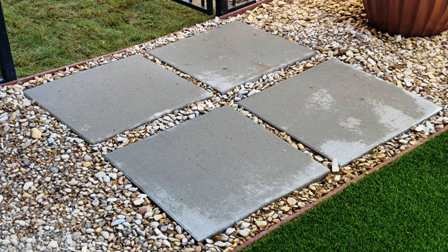
When placing stepping stones, it’s essential to consider the material that will go underneath them. The choice of base can impact durability, drainage, and the overall aesthetics of your pathway. Here are some of the best options to consider for placing under your stepping stones:
1. Sand
Using sand as a base for stepping stones provides a few advantages:
- Excellent drainage: Sand allows water to drain freely, preventing puddles and reducing erosion.
- Easy leveling: It’s simple to spread and level sand, ensuring your stones sit evenly without wobbling.
- Cost-effective: Sand is generally an inexpensive option, making it accessible for most landscaping projects.
2. Gravel
Gravel is another popular choice for under stepping stones, offering its own set of benefits:
- Good drainage: Like sand, gravel promotes excellent drainage, minimizing water accumulation around the stones.
- Stability: It provides a stable base that can prevent stones from sinking into the ground.
- Aesthetic appeal: Decorative gravel can enhance the overall look of your pathway, giving it a natural feel.
3. Concrete
For a more permanent solution, using concrete can be effective:
- Sturdiness: Concrete offers a strong and rigid base, ensuring that your stepping stones remain firmly in place.
- Low maintenance: Once set, a concrete base requires little upkeep compared to other materials like sand or gravel.
- Uniformity: It provides a solid and uniform surface for the stones, creating a seamless look.
4. Landscape Fabric
Incorporating landscape fabric under your stepping stones can help in several ways:
See also:
- Weed prevention: The fabric blocks weeds from growing up through the stones, minimizing maintenance.
- Soil erosion control: It helps maintain the integrity of the soil underneath, preventing erosion around the stones.
- Separation layer: It creates a barrier between different materials (like soil and gravel) to maintain stability.
5. Mulch
Using mulch can also be beneficial under stepping stones, especially in garden pathways:
- Natural look: Mulch complements garden aesthetics and can enhance the look of your stepping stones.
- Moisture retention: It helps retain moisture in the soil beneath, which can benefit nearby plants.
- Eco-friendly: Organic mulch breaks down over time, enriching the soil while providing a natural base for stones.
What is the cheapest way to make a walkway?
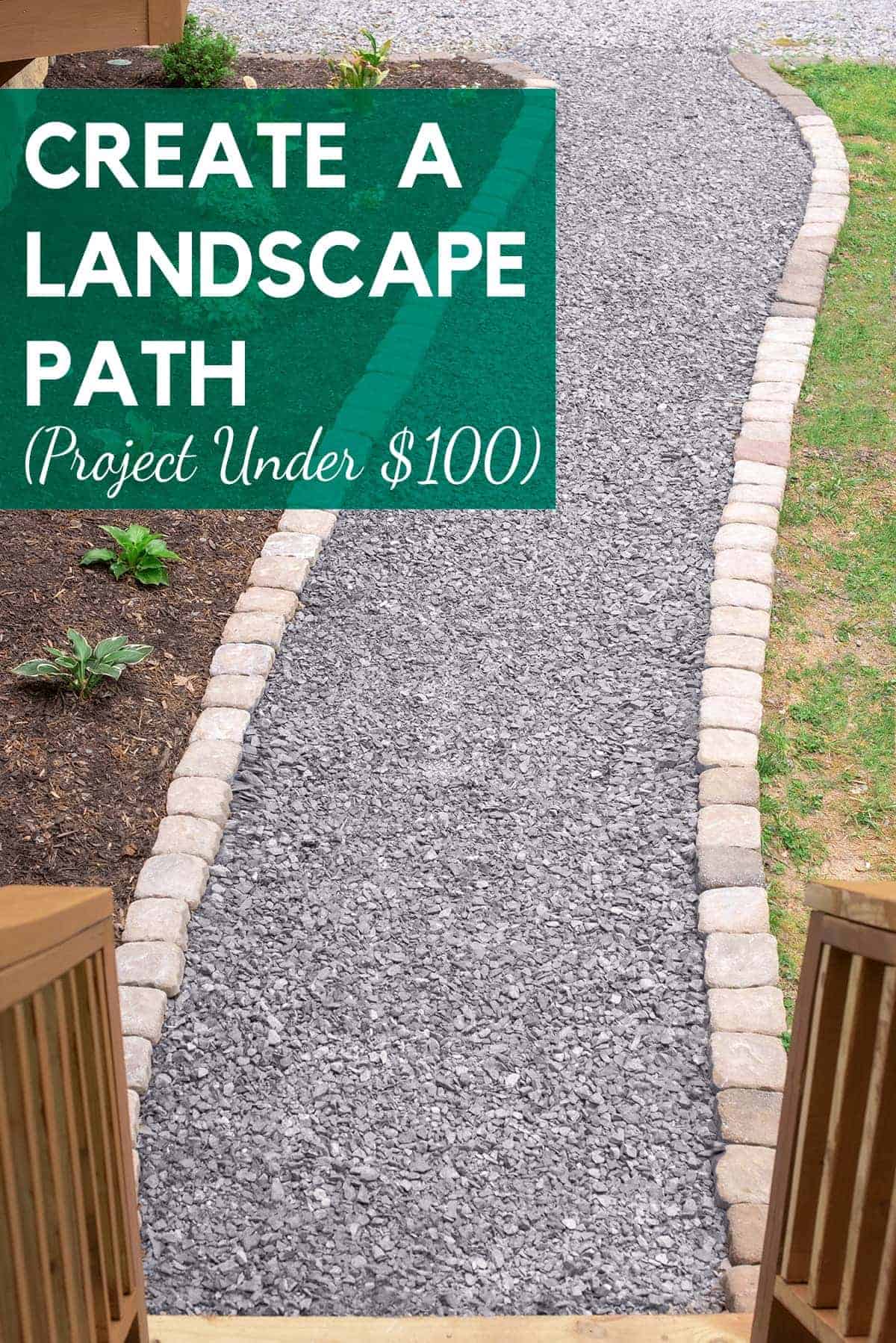
The cheapest way to create a walkway typically involves using readily available materials, DIY methods, and simple techniques. Here are several options that can be cost-effective for making a walkway.
Choosing the Right Materials
Selecting the right materials is essential for a budget-friendly walkway. Some of the most economical options include:
- Grass or Turf: If you want a natural look, a simple grass path can be an inexpensive option, though it requires maintenance.
- Gravel: This is a popular choice due to its low cost and ease of installation. It provides good drainage.
- Wood Chips or Bark: Easily sourced from local landscaping centers, these materials can create a rustic path that is soft underfoot.
DIY Installation Techniques
Doing the installation yourself can drastically reduce costs. Here are some DIY techniques you can consider:
- Measuring and Planning: Map out your walkway's dimensions and design carefully to avoid unnecessary expenses due to mistakes.
- Excavation: Use a shovel to create a trench for your walkway, minimizing the need for heavy equipment.
- Assembling Materials: Instead of hiring professionals, use basic tools to lay down your chosen material, such as gravel or mulch.
Utilizing Recycled Materials
Using recycled materials can be an excellent way to save money. Consider these options:
- Old Bricks: Salvaged bricks from other construction sites can create a unique and durable walkway.
- Concrete Slabs: Repurposed concrete slabs from old patios or sidewalks can be used for a solid foundation.
- Wood Pallets: These can be transformed into a charming boardwalk style walkway, adding character while being cost-effective.
Simple Design Ideas
A straightforward design can help minimize costs. Consider the following suggestions:
- Straight Paths: Creating a simple straight path is easier and requires fewer materials than a curved design.
- Minimalist Approach: Less is often more; use a few large stones or a small amount of gravel for an elegant yet simple walkway.
- Freestanding Pavers: Instead of setting pavers in concrete, spacing them apart in grass or gravel can reduce costs and maintenance.
Maintenance and Longevity
To keep your walkway cost-effective over time, consider maintenance:
- Regular Cleaning: Clear debris regularly to avoid further wear on materials.
- Seasonal Repairs: Address any damage promptly to avoid more costly repairs later on.
- Weed Control: Maintain your walkway by controlling weeds, which can disrupt both aesthetics and functionality.
Can I just put stepping stones on dirt?
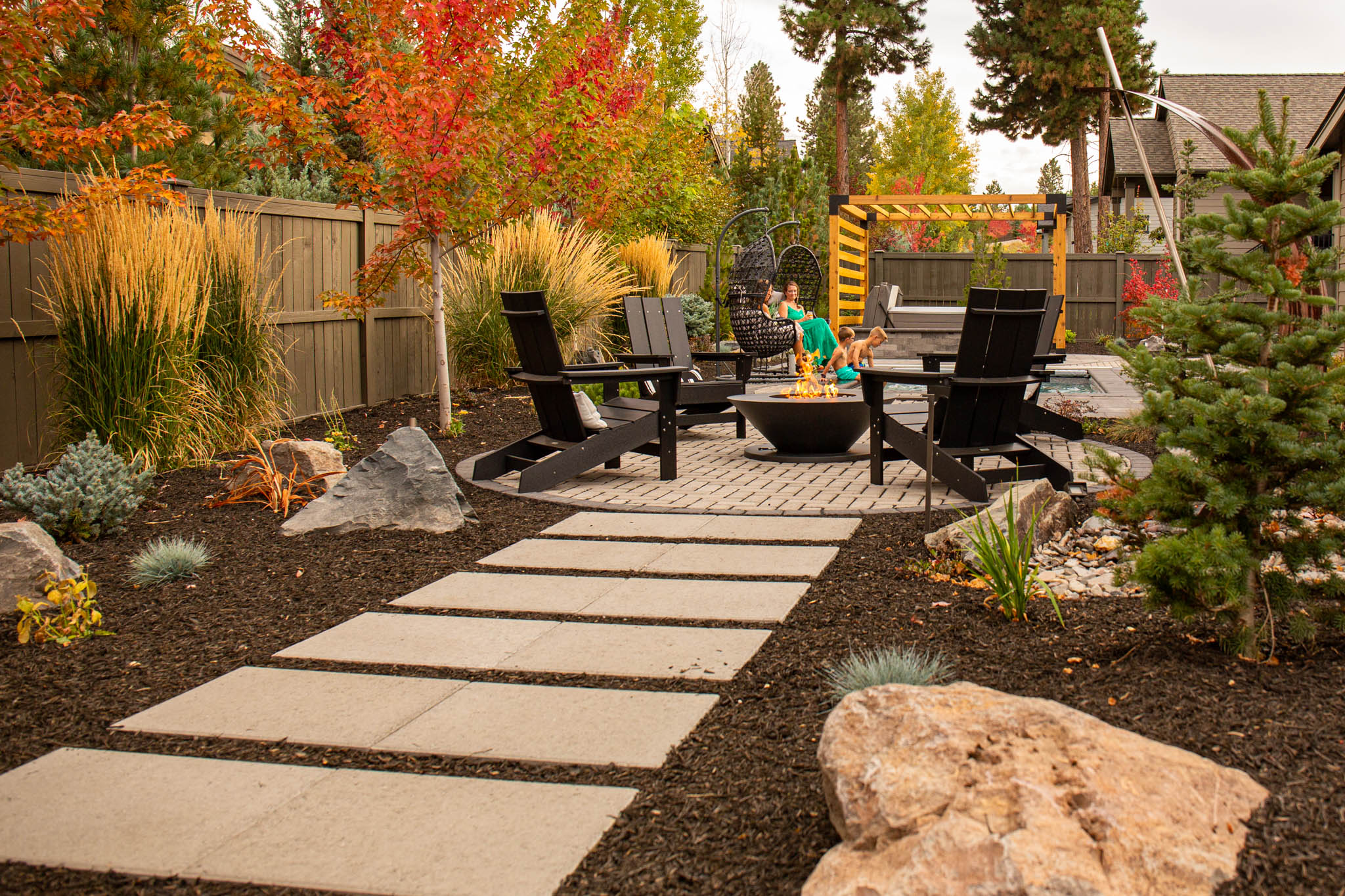
Yes, you can place stepping stones on dirt, but there are several factors to consider to ensure they remain stable and functional. Stepping stones can provide a rustic and natural pathway in your yard or garden, but without proper preparation, they can become uneven or sink into the ground over time. To achieve the best results, it is recommended to follow a few steps.
Preparing the Ground
Proper ground preparation is essential for the durability of your stepping stones. Uneven or soft soil can cause the stones to shift.
- Clear the Area: Remove any grass, weeds, or debris from the designated path.
- Level the Ground: Use a rake to make the surface as flat and even as possible. This helps in preventing stones from sinking.
- Pack the Soil: Compact the soil with a tamper to create a firm base before laying down the stones.
Choosing the Right Stepping Stones
The choice of stepping stones can significantly affect the final appearance and functionality of your pathway. Consider the following before purchasing:
- Material: Options include stone, concrete, wood, or ceramic. Each has its pros and cons regarding durability and aesthetics.
- Size and Shape: Choose stones that complement your garden style and ensure they are large enough to support a foot comfortably.
- Design: Consider continuous patterns or random placements based on the look you wish to achieve.
Installation Techniques
The installation of stepping stones should be done with care to ensure they are stable. Proper techniques can enhance the longevity of your path.
See also:
- Placement: After preparing the ground, place each stone in the desired location, ensuring there is enough space between them for safe stepping.
- Leveling: Check each stone is level and adjust by adding or removing soil as necessary.
- Securing: For better stability, consider using sand or gravel beneath the stones to help lock them in place.
Maintaining Stepping Stones
Regular maintenance is necessary to keep the stepping stones functional and attractive over time. Consider these maintenance tips:
- Cleaning: Regularly clean the stones to remove dirt, moss, or algae that can make them slippery.
- Check for Settling: Periodically, check if any stones have sunk or become uneven, and adjust as needed.
- Weed Control: Keep the area around the stones free of weeds to prevent them from pushing against the stones.
Common Issues and Solutions
While installing stepping stones on dirt can be straightforward, there are common issues that may arise. Being aware of these can help in preventing and resolving them:
- Shifting Stones: If stones shift, ensure they are properly leveled and consider using a base layer of sand or gravel.
- Sinking Stones: Employ a more stable foundation by compacting the soil better or adding a drainage layer beneath.
- Weeds: Use landscaping fabric before placement and regularly check for weed growth around the stones.
What is the best material for a front walkway?

The best material for a front walkway largely depends on factors such as aesthetics, budget, durability, and maintenance. Here are some of the most suitable materials with their respective benefits:
Concrete Walkways
Concrete is one of the most popular choices for front walkways due to its durability and versatility. It can be poured into any shape and is available in various finishes, which makes it suitable for different design aesthetics.
- Durability: Concrete can withstand heavy foot traffic and harsh weather conditions.
- Low Maintenance: Once cured, it requires minimal maintenance compared to other materials.
- Cost-Effective: Generally, concrete is less expensive than natural stone or pavers.
Pavers
Pavers offer a great balance between aesthetics and functionality. They come in various materials, including concrete, brick, and stone, and can be arranged in unique patterns for an attractive design.
- Design Flexibility: Available in many colors, shapes, and sizes, allowing for customized designs.
- Easy Repair: Individual pavers can be replaced without disturbing the entire walkway.
- Good Drainage: The spaces between pavers allow for water drainage, reducing puddling.
Natural Stone
For a more elegant and timeless look, natural stone, such as slate or granite, is an excellent option. Its unique textures and colors can enhance the curb appeal of your home.
- Unique Appearance: Each stone is different, providing a unique walkway.
- Longevity: Natural stones can last for many years with proper care.
- Eco-Friendly: Many types of natural stones have a lower environmental impact compared to manufactured materials.
Brick Walkways
Brick is a classic choice that combines beauty and strength. It can be laid in various patterns, adding a historic charm to the walkway.
- Timeless Design: Brick walkways can complement both traditional and modern homes.
- Durability: Brick is sturdy and can last decades if properly maintained.
- Low Maintenance: They require less upkeep than other materials and can be swept clean easily.
Gravel Walkways
Gravel is a budget-friendly option that can create a rustic or natural look. It’s easy to install and provides excellent drainage, making it a practical choice in many environments.
- Cost-Effective: It is one of the least expensive options for walkways.
- Easy Installation: Gravel can be laid quickly without professional help.
- Good Drainage: Gravel allows rainwater to permeate, reducing runoff and water pooling.
Questions from Our Readers
What materials can be used for a front entrance stepping stone walkway?
When designing a front entrance stepping stone walkway, you can choose from a variety of materials, such as concrete, natural stone, brick, or even wood. Each material offers different aesthetic options and durability levels, so it's essential to select one that matches your home’s style and landscape.
How wide should a stepping stone walkway be?
A stepping stone walkway should typically be at least two feet wide to allow comfortable passage for pedestrians. However, if you expect higher foot traffic, consider making it three feet wide for added convenience and accessibility.
Can I create a stepping stone walkway myself?
Yes, creating a stepping stone walkway can be a DIY project that many homeowners undertake. By following proper planning and installation techniques, such as layout and spacing, you can successfully create a functional and attractive pathway.
How do I maintain a stepping stone walkway?
To maintain a stepping stone walkway, regularly clean the stones and remove any debris or weeds that may obstruct the path. Additionally, check for any shifting or settling of stones and address any issues to ensure the walkway remains safe and attractive.
See also:

If you want to read more articles like 10 Creative Front Entrance Stepping Stone Walkway Ideas to Enhance Your Curb Appeal, we recommend you check out our Landscaping category.
Leave a Reply
Related Articles