Ultimate Guide: How to Grow a Rosemary Plant from a Cutting Successfully
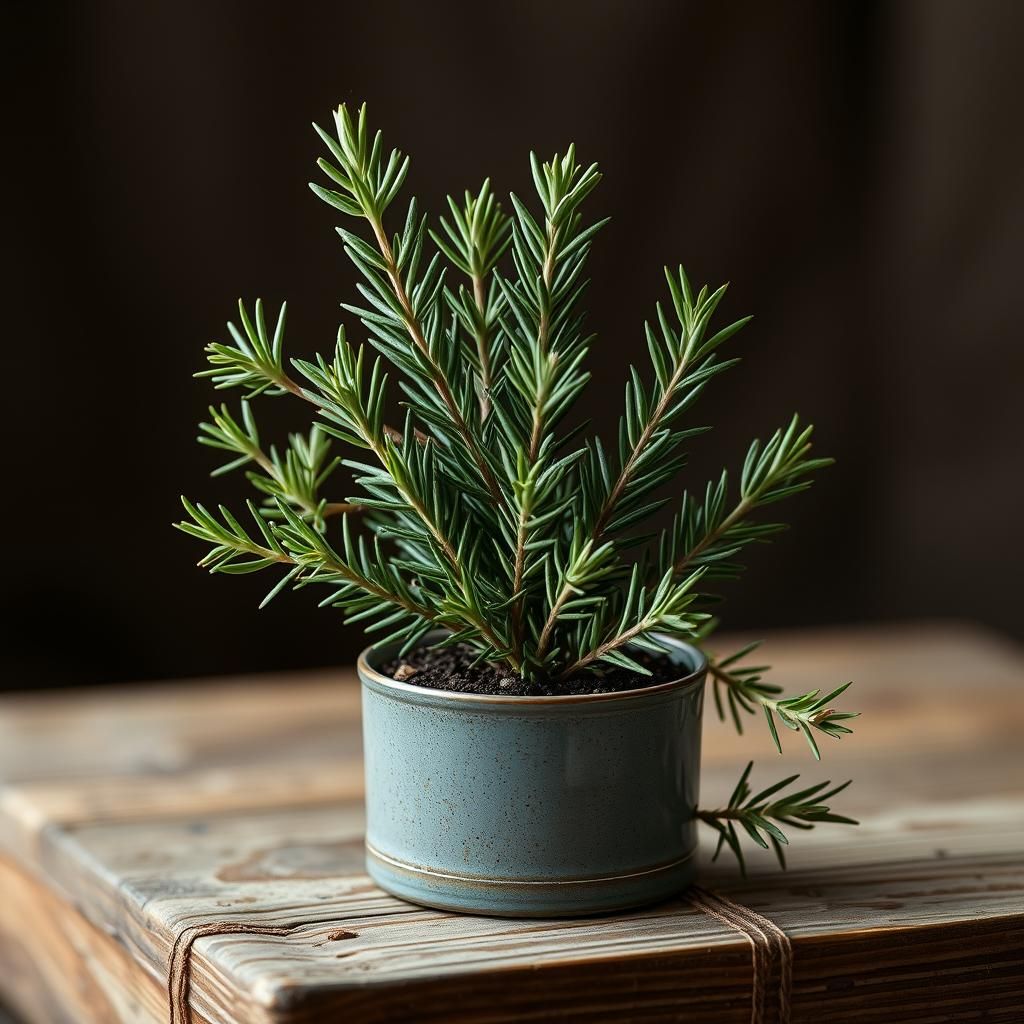
Growing a rosemary plant from a cutting can be a rewarding and enjoyable experience for both novice and seasoned gardeners. This aromatic herb not only enhances culinary dishes but also adds a delightful fragrance to your home. In this ultimate guide, we will walk you through the step-by-step process of propagating rosemary from cuttings, ensuring you have the best chances of success. From selecting the right cutting to providing optimal growing conditions, we’ll cover everything you need to know to cultivate a healthy and thriving rosemary plant. Get ready to nurture your green thumb and enjoy the benefits of this versatile herb!
How to Successfully Grow a Rosemary Plant from a Cutting
Growing a rosemary plant from a cutting is an enjoyable and rewarding process that allows you to propagate this aromatic herb with minimal effort. To begin, take a healthy cutting from a mature rosemary plant, ideally about 4 to 6 inches long, and remove the lower leaves to avoid rot. Dip the cut end in rooting hormone to promote faster root development, although this step is optional. Prepare a planting medium, ideally a mix of potting soil and perlite for excellent drainage. Plant the cutting in the medium, ensuring it is secure, and water it lightly. Place the pot in a warm, bright location, but away from direct sunlight, and keep the soil consistently moist but not soggy. Within a few weeks, the cutting should begin to establish roots, leading to a flourishing rosemary plant.
Choosing the Right Cutting
When selecting a cutting for propagating rosemary, it is essential to choose a healthy stem from a mature plant. Look for stems that are not flowering, as they root better. The ideal time to take cuttings is during the spring or early summer, when the plant is actively growing. Make a clean cut just below a leaf node, as this is where roots are more likely to develop. Ensuring your cutting is strong and robust will increase the chance of successful propagation.
Preparing the Cutting for Planting
After cutting, it’s important to properly prepare the rosemary cutting for planting. Remove any leaves from the lower half to prevent them from rotting in the soil, which can lead to fungal growth. Additionally, consider using a sharp, clean knife to avoid damaging the plant tissue. If desired, dip the cut end in rooting hormone, which can help stimulate root growth. This preparation step is crucial in ensuring that the cutting adapts well to its new environment.
Soil and Pot Selection
Choosing the right soil and pot is vital for the success of your rosemary cutting. Use a well-draining potting mix that can retain some moisture without becoming waterlogged, such as a combination of potting soil and perlite. Ensure that the pot has drainage holes at the bottom to prevent excess water from accumulating. A small pot is usually sufficient at first, as a young cutting does not need a large space to thrive.
Watering Techniques
When it comes to watering your rosemary cutting, it is important to strike a balance to avoid overwatering. After planting the cutting, water it lightly to settle the soil around the roots. Going forward, keep the soil moist but not soggy—allow the top inch of the soil to dry out between waterings. Using a spray bottle can be beneficial for maintaining humidity without over-saturating the soil, which is particularly important for young cuttings.
Transplanting Your Rosemary
Once your rosemary cutting has produced enough roots and is showing signs of growth, you may need to transplant it into a larger pot. This is typically done when the roots are visible through the drainage holes and the plant appears crowded. Choose a pot that is one size larger, using the same well-draining soil mix. Carefully remove the cutting from its original pot, taking care not to damage the roots, and plant it in its new container, allowing enough space for future growth.
| Step | Description |
|---|---|
| Cutting Selection | Choose a healthy cutting from a mature rosemary plant. |
| Preparation | Remove lower leaves and dip in rooting hormone. |
| Soil | Use well-draining potting mix with perlite. |
| Watering | Keep the soil moist but avoid overwatering. |
| Transplanting | Move to a larger pot once roots begin to show. |
How do you grow rosemary from cuttings?

To grow rosemary from cuttings, you need to follow a series of steps to ensure successful propagation. Rosemary is a hardy herb that can thrive with proper care. Below are the detailed steps and tips for cultivating rosemary from cuttings.
1. Choosing the Right Cuttings
Selecting the right cuttings is crucial for the successful propagation of rosemary. Choose healthy, non-flowering stems that are about 4 to 6 inches long. Ideally, the cuttings should be taken from the tips of the shoots, where the growth is the most vigorous.
See also:
- Look for stems that are green and firm.
- Avoid older, woody stems that may not root well.
- Make cuts just below a leaf node for best results.
2. Preparing the Cuttings
Once you have selected your cuttings, you need to prepare them properly to encourage root growth. Remove the lower leaves from the cuttings to expose the nodes, as roots will emerge from these points.
- Using sterile scissors or pruning shears, cut the rosemary stems.
- Remove leaves from the bottom half of each cutting.
- Optionally, dip the cut ends in rooting hormone to stimulate faster root development.
3. Planting the Cuttings
Plant the prepared cuttings in a suitable growing medium. A mixture of perlite and peat moss or a well-draining potting soil is ideal. Ensure that the container has drainage holes.
- Fill a small pot with the growing medium.
- Create small holes in the soil for the cuttings.
- Insert the cuttings into the holes and gently firm the soil around them.
4. Providing the Right Conditions
For successful rooting, rosemary cuttings need warm and humid conditions. Place the potted cuttings in a location with indirect sunlight and maintain humidity.
- Cover the pot with a plastic bag or a clear plastic dome to retain moisture.
- Ensure the location has bright, indirect light.
- Keep the temperature between 65°F and 75°F (18°C to 24°C) for optimal growth.
5. Care and Maintenance
Once your cuttings are planted, regular care is essential. Monitor the moisture levels and watch for signs of root development. This phase can take a few weeks to a couple of months.
- Water the cuttings lightly, keeping the soil moist but not soggy.
- Remove the plastic cover once roots have formed, which is usually indicated by new growth.
- Transplant the new rosemary plants into larger pots or the garden once they are established.
Is it better to root rosemary in water or soil?

Rooting rosemary can be accomplished in both water and soil, and each method has its advantages and disadvantages. The choice between the two largely depends on personal preferences and specific conditions.
Advantages of Rooting Rosemary in Water
Rooting rosemary in water can be a simple and effective method for many gardeners. Here are some benefits of this approach:
- Visual Monitoring: When rooting in water, you can easily observe the development of roots and ensure that the cutting is healthy.
- Simplicity: This method does not require any special tools or mediums, just a glass of water and sunlight.
- Reduced Risk of Disease: Water propagation minimizes soil-borne diseases that can affect young plants.
Disadvantages of Rooting Rosemary in Water
While there are benefits to propagating rosemary in water, there are also some drawbacks to consider:
- Limited Root Development: Roots produced in water may not adapt well when transferred to soil, as they can become fragile.
- Tending to Algae Growth: Water setups can require frequent cleaning to prevent algae formation, which can hinder root growth.
- Water Quality Sensitivity: Tap water may contain chemicals that can impact root development, so it’s best to use filtered or rainwater.
Advantages of Rooting Rosemary in Soil
Rooting rosemary cuttings directly in soil offers its own set of advantages:
- Natural Environment: Soil provides a more natural environment that can reduce transplant shock when moving to the garden.
- Robust Root Systems: Roots developed in soil are generally stronger and more capable of supporting the plant long-term.
- Reduced Maintenance: Once planted, soil propagation requires less monitoring compared to water propagation.
Disadvantages of Rooting Rosemary in Soil
However, there are some disadvantages to rooting in soil that should be acknowledged:
See also:
- Hidden Monitoring: It can be difficult to assess root development without digging into the soil.
- Risk of Overwatering: Without careful attention, cuttings may suffer from overwatering, leading to rot.
- Soil Quality Dependence: The success of this method can heavily depend on the quality and type of soil used.
Factors to Consider When Choosing a Method
When deciding whether to root rosemary in water or soil, consider the following factors:
- Growing Conditions: Evaluate the available light, temperature, and humidity levels in your location.
- Personal Preference: Consider which method you find more enjoyable or satisfying.
- Long-term Goals: Think about how you plan to use the rosemary and what method aligns with your gardening objectives.
What is the fastest way to propagate rosemary?
The fastest way to propagate rosemary is through cuttings, as this method allows for quicker establishment of new plants compared to growing from seeds. Below are detailed explanations and tips regarding this propagation technique.
Understanding Rosemary Cuttings
Rosemary cuttings can be taken from healthy, non-flowering stems. This method is highly effective because it clones the plant, ensuring the new rosemary carries the same traits as the parent plant. The cuttings should be taken from newer growth that is flexible yet firm.
- Choose healthy stems: Avoid any stems that show signs of disease or damage.
- Make a clean cut: Use sterilized scissors or pruning shears to ensure a clean cut.
- Remove lower leaves: This prevents decay when the cutting is placed in soil.
Preparing the Cuttings for Rooting
Once you have cut your rosemary stems, the next step is to prepare them for rooting. This involves making sure that they have the best chance of developing roots in a new environment.
- Dip in rooting hormone: This can enhance root development significantly.
- Allow cuttings to dry: Letting the cut ends dry for a few hours can help form a protective layer.
- Choose the right container: Use a small pot or tray filled with a well-draining potting mix.
Optimal Conditions for Rooting Rosemary
Providing the right conditions for your cuttings is crucial for successful growth. Rosemary prefers warmth, humidity, and good light.
- Maintain humidity: Cover the cuttings with a plastic bag or a humidity dome to maintain moisture.
- Provide indirect light: Position the cuttings in bright, indirect sunlight for optimal growth.
- Keep temperature consistent: Aim for temperatures between 70-75°F (21-24°C) for best results.
Checking for Root Development
After a few weeks, it's important to monitor your rosemary cuttings for signs of root development. This will indicate that they are ready to be transplanted.
- Gently tug on the cutting: If you feel resistance, roots may be forming.
- Inspect the bottom of the container: Look for roots emerging through the drainage holes.
- Wait for adequate growth: Ideally, you want at least a few inches of roots before transplanting.
Transplanting Your Rosemary Cuttings
Once your cuttings have developed sufficient roots, you can transplant them into larger pots or into your garden. Proper transplanting techniques can ensure the continued health and growth of your rosemary plants.
- Choose a well-draining soil mix: Rosemary thrives in sandy or gritty soil.
- Spacing is key: Ensure adequate spacing between plants to allow for air circulation.
- Water appropriately: After transplanting, water the cuttings lightly to help settle the soil.
Questions from Our Readers
How do I prepare a rosemary cutting for planting?
To prepare a rosemary cutting for planting, choose a healthy stem from an established plant and cut a 4 to 6-inch section just below a leaf node. Remove the lower leaves to expose the stem for better rooting, leaving a few leaves at the top to support photosynthesis.
What is the best method to root rosemary cuttings?
The best method to root rosemary cuttings is to place them in well-draining soil or water. If using soil, ensure it is moist but not soggy, and cover the pot with a plastic bag or a plastic dome to create humidity. If using water, keep the cuttings in a bright location and change the water regularly.
See also:
How long does it take for rosemary cuttings to root?
Rosemary cuttings typically take about 2 to 4 weeks to root, depending on the environmental conditions. Providing the right amount of warmth, humidity, and light will significantly enhance the rooting process.
When can I transplant my rooted rosemary cuttings?
You can transplant your rooted rosemary cuttings once they develop a strong root system, which usually occurs after 4 to 6 weeks. Wait until the roots are at least 1 to 2 inches long before moving them to a larger pot or directly into the garden.
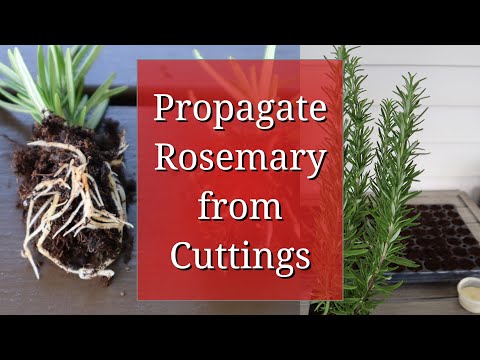
If you want to read more articles like Ultimate Guide: How to Grow a Rosemary Plant from a Cutting Successfully, we recommend you check out our Shrubs category.
Leave a Reply
Related Articles