Effective Strategies: How to Stop Cats from Pooping in the Garden
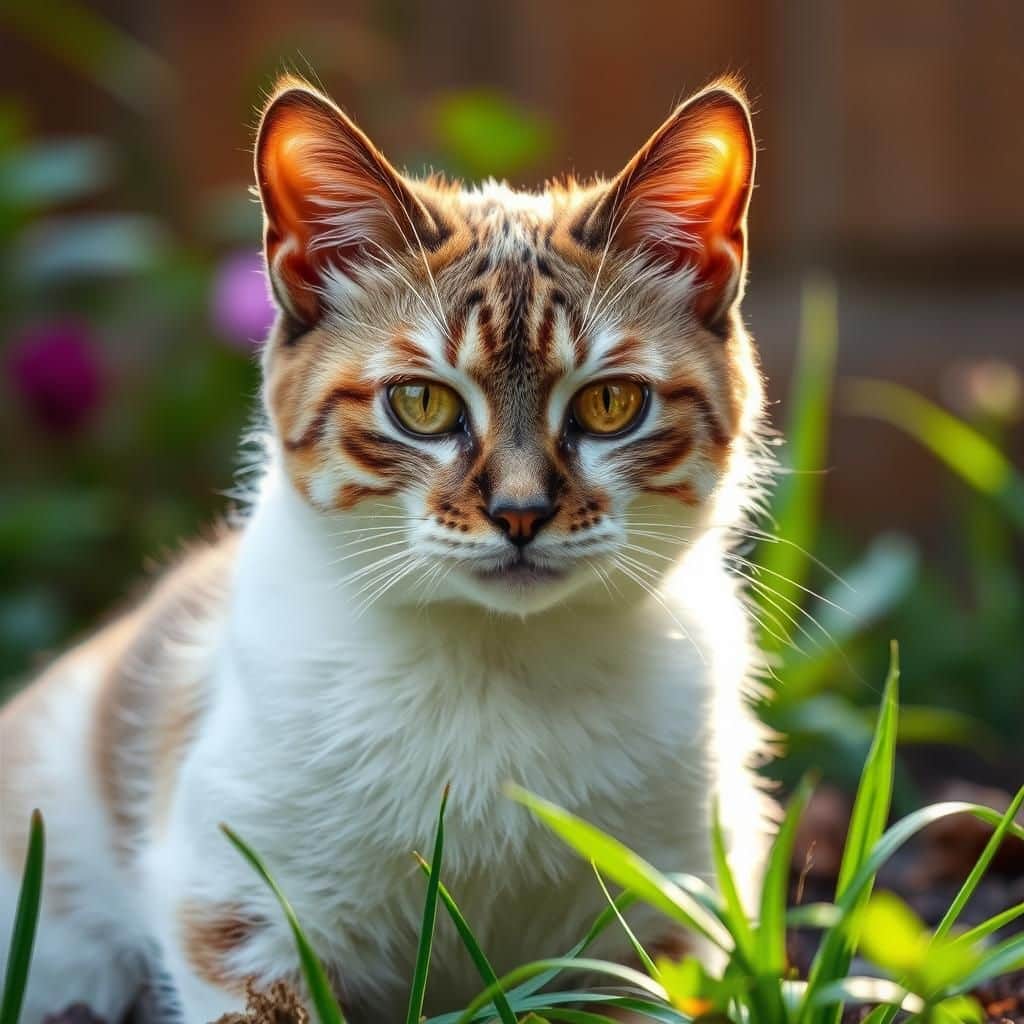
Cats can be a delightful addition to any household, but they often pose challenges when it comes to outdoor spaces. One common issue pet owners face is dealing with their cats' bathroom habits, especially when they choose garden beds as their litter boxes. This behavior can be frustrating for gardeners and pet lovers alike. Fortunately, there are effective strategies to deter cats from pooping in your garden without harming them. In this article, we'll explore a variety of techniques, from natural deterrents to changes in garden layout, ensuring your outdoor space remains clean and beautiful.
Effective Strategies to Prevent Cats from Pooping in Your Garden
To effectively stop cats from pooping in your garden, you can implement a combination of strategies that involve physical barriers, natural repellents, and environmental adjustments. Start by creating boundaries using fences or garden borders that deter cats from entering the area. Additionally, you can sprinkle citrus peels, use commercial cat repellents, or introduce plants like lavender and rosemary that are known to be unappealing to felines. Ensuring that your garden is not a conducive environment for cats, such as by removing any available shelter and keeping the area clean, will also help discourage them from choosing your garden as their litter box.
Install Physical Barriers
One of the most straightforward ways to prevent cats from accessing your garden is to install physical barriers such as fences. While a conventional fence can be effective, consider using a cat-proof fence that is specifically designed to keep cats out. You might also try adding netting or chicken wire at the base of your fence to prevent them from digging under it. Make sure the fence is tall enough and angled at the top to deter climbing, as this can significantly reduce the likelihood of cats entering your garden.
Use Natural Cat Repellents
Natural repellents can be a powerful tool in your arsenal against unwanted feline visitors. Cats are known to dislike the smell of citrus, so placing orange or lemon peels around your garden can be effective. Other natural repellents include vinegar or essential oils derived from plants like lavender and rosemary. Spraying diluted vinegar around the garden will create an unpleasant scent for the cats, and the use of essential oils can also mask their familiar scents, making the area less inviting.
Maintain a Clean Garden Environment
Cats are attracted to gardens that offer soft soil for digging and potential hiding spots. By keeping your garden clean and tidy, you can make it less appealing for them. Remove any debris, such as leaves and sticks, and avoid using mulch that is fine or loose. If you regularly maintain your garden's cleanliness and ensure that there are no open spaces for digging, you can significantly reduce the chance of cats considering it a suitable place to relieve themselves.
Introduce Deterring Plants
Incorporating specific plants into your garden can serve as a natural deterrent against cats. Some plants that cats dislike include lavender, rosemary, rue, and thorny plants like barberry. These plants can not only beautify your garden but also emit scents that repel felines. By creating a designated area filled with these plants, you can create a barrier that discourages cats from entering your garden space.
Implement Motion-Activated Devices
Using motion-activated devices such as sprinklers or ultrasonic repellents can effectively deter cats from entering your garden. When a cat approaches, the motion sensor activates sprinklers that douse them with water, offering a surprise that keeps them at bay. Alternatively, ultrasonic devices emit sounds that are uncomfortable for cats but inaudible to humans, which can also help in keeping them out of your garden. These devices can provide a non-invasive and effective solution to your cat problem.
| Method | Description |
|---|---|
| Physical Barriers | Fences or netting to block access. |
| Natural Repellents | Citrus peels and essential oils to deter cats. |
| Garden Maintenance | Keeps the area clean and less inviting for cats. |
| Deterring Plants | Plants that are unpleasant to cats. |
| Motion-Activated Devices | Sprinklers or ultrasonic deterrents that activate with movement. |
Understanding Feline Behavior and Its Impact on Your Garden
Cats are naturally territorial creatures and often use their surroundings to mark their territory, which can lead to unwanted littering in your garden. Understanding the instinctive behavior of felines can help homeowners devise effective strategies to deter them. Implementing strategies like creating an unwelcoming environment or introducing safe deterrents can greatly reduce the likelihood of cats choosing your garden as their bathroom. Moreover, employing a combination of methods, such as altering the garden's layout or introducing natural deterrents, can prove especially effective in preserving the beauty and cleanliness of your outdoor space.
See also:
Utilizing Natural Deterrents
Introducing natural deterrents such as citrus peels, coffee grounds, or vinegar can significantly discourage cats from entering your garden. Cats tend to dislike the smell of these substances, making them effective at repelling them. Spreading coffee grounds around the perimeter of your garden or placing citrus peels near areas frequented by cats can create an unpleasant environment for them, thus encouraging them to find more pleasant locations for their needs.
Creating Physical Barriers
One of the most reliable methods to keep cats away from your garden is by creating physical barriers. Installing fences that are at least six feet tall or using chicken wire layered under the soil can prevent cats from digging and accessing your plants. Additionally, adding thorny plants around the borders of your garden can act as a deterrent, as cats often avoid areas that pose a potential danger to them.
Using Motion-Activated Sprinklers
Motion-activated sprinklers are an innovative solution for preventing cats from entering your garden. These devices can detect movement and release a spray of water, startling the cat and discouraging them from returning. The sudden burst of water is both a surprise and an inconvenience, which will likely lead the cat to seek out a less disruptive environment for their activities.
Planting Cat-Repelling Flora
Incorporating plants known to repel cats is a proactive approach to keeping them out of your garden. Rue, lavender, and rosemary are examples of plants that cats typically avoid due to their strong odors. By strategically placing these cat-repelling plants around your garden, you create a more inhospitable space for cats, while still maintaining an aesthetically pleasing landscape that nurtures other wildlife.
Educating Neighbors and Building Community Solutions
Educating your neighbors about the problem and suggesting community solutions can promote a collaborative approach to managing the presence of cats. Proposing to establish cat runs or designated areas for outdoor cats can help alleviate the strain on gardens and public spaces. By working together to create designated zones for roaming cats, you not only protect your garden but also encourage responsible cat ownership that benefits the entire community.
Questions from Our Readers
What are effective methods to deter cats from using the garden as a litter box?
To keep cats out of your garden, you can try using strong-smelling plants such as lavender or rosemary, as cats generally dislike these scents. Additionally, consider placing motion-activated sprinklers that startle them when they approach. Citrus peels scattered throughout the garden can also serve as a natural repellent since cats often avoid citrus smells.
Can I use any specific cat repellents available in stores?
Yes, there are various commercial cat repellents available that can help keep cats away from your garden. Look for products that contain natural ingredients, such as citronella or peppermint oil, which are known to be effective. Always follow the manufacturer's instructions for safe and effective use.
Are there any physical barriers I can construct to protect my garden?
Creating physical barriers is an excellent way to prevent cats from entering your garden. You can install fences that are a minimum of 6 feet high with a slant at the top to deter cats from climbing over. Alternatively, you might consider using chicken wire or landscape fabric on the ground to make it uncomfortable for them to dig.
See also:
How does regular maintenance of my garden help in keeping cats away?
Regular maintenance of your garden plays a crucial role in keeping cats at bay. By ensuring it's clean and free of debris, you remove any potential hiding spots or attractive litter areas that might appeal to cats. Additionally, promptly removing any food sources and maintaining a tidy appearance can discourage cats from viewing your garden as an inviting space.

If you want to read more articles like Effective Strategies: How to Stop Cats from Pooping in the Garden, we recommend you check out our Gardening category.
Leave a Reply
Related Articles