The Ultimate Guide to the Best Time of Year to Plant Blueberry Bushes for Optimal Growth
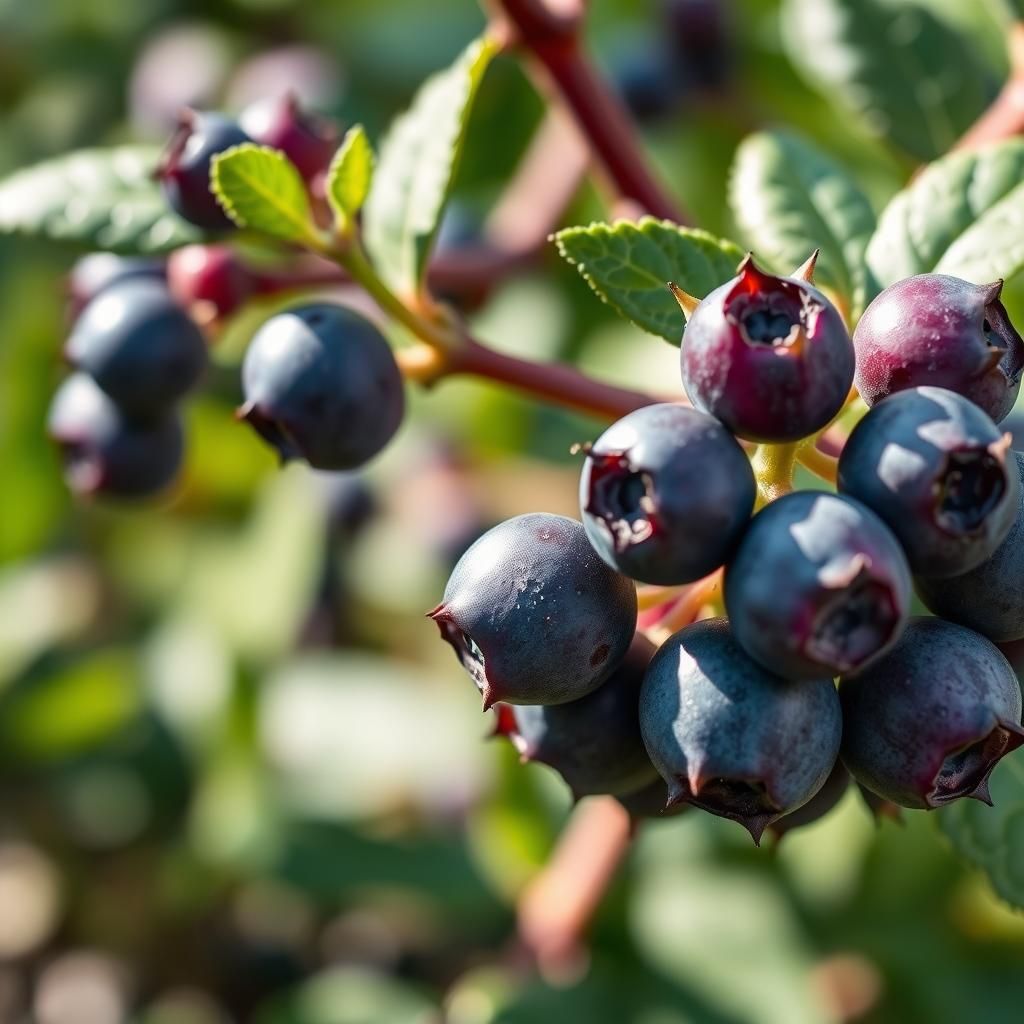
Planting blueberry bushes can be a rewarding endeavor, but timing is crucial for optimal growth and fruit production. In this ultimate guide, we will explore the best times of year to plant these delectable shrubs, taking into account climate variations, soil conditions, and maintenance tips. Blueberries thrive when planted during the right season, allowing them to establish strong root systems and produce abundant, flavorful fruit. Whether you’re a seasoned gardener or a beginner, understanding the seasonal rhythms of blueberry planting will help you achieve a bountiful harvest for years to come. Let’s delve into the ideal times and strategies for successful planting.
Best Time of Year to Plant Blueberry Bushes
Planting blueberry bushes at the right time of year is crucial for achieving a healthy crop. The optimal time to plant these bushes is in early spring, after the last frost but before the growing season begins. This allows the plants to establish their root systems in the cool, moist soil of spring. Alternatively, fall is also a suitable time for planting, particularly in milder climates, as it gives the bushes time to settle before winter. Proper timing ensures that the plants have adequate water and nutrients, setting them up for successful growth.
Spring Planting Benefits
Spring planting offers numerous advantages for blueberry bushes, including ideal soil temperatures that promote root development and growth. As temperatures warm up, the bushes can quickly absorb moisture and nutrients from the soil, leading to robust foliage and increased fruit production later in the season. Additionally, planting in spring allows for proper care and monitoring of the plants during their critical early growth phase, ensuring they establish strong roots before summer heat sets in.
Fall Planting Considerations
While spring is often favored, fall can be an equally effective time for planting blueberry bushes, especially in regions with mild winters. In the fall, the soil retains warmth, which encourages root growth even as the above-ground portions of the plant become dormant. However, gardeners must consider frost dates and ensure that the plants are sufficiently rooted before heavy freezes occur. If planted too late, young bushes may struggle to survive harsh winter conditions.
Climate Impact on Planting Times
The climate in which blueberry bushes are planted significantly influences the best time for planting. In warmer regions, gardeners might find that fall planting can work well due to milder winters, whereas in colder climates, spring is often the safest option to avoid frost damage. Understanding local climate conditions is essential for maximizing the success of blueberry cultivation, as it directly impacts the plant's growth cycle and overall health.
Soil Preparation for Planting
Proper soil preparation is crucial regardless of whether planting in the spring or fall. Blueberry bushes thrive in acidic soil, ideally with a pH between 4.5 and 5.5. Preparing the soil involves testing pH levels and adding organic matter or sulfur to adjust acidity. Additionally, ensuring well-drained soil is vital as blueberries do not tolerate waterlogged conditions. Amending the soil before planting helps create an ideal environment for these bushes to flourish.
Watering Requirements After Planting
After planting blueberry bushes, proper watering is essential to ensure successful establishment. Newly planted bushes require consistent moisture but should not be overwatered, as this can lead to root rot. During the first year, it's essential to provide water at least once a week, more frequently in hot and dry conditions. Keeping the soil consistently moist but not soggy encourages root development and prepares the plants for future growth cycles.
| Season | Advantages | Challenges |
|---|---|---|
| Spring | Optimal soil temperatures for growth | Potential for late frosts |
| Fall | Warm soil encourages root growth | Risk of freeze before establishment |
What month is best to plant blueberries?


The best month to plant blueberries typically depends on the climate and the specific variety of blueberry you intend to grow. In general, spring is regarded as the optimal time to plant blueberries in most regions. Specifically, planting them in March or April allows for the establishment of the roots before the growing season begins. However, in some areas with very mild winters, planting can also be done in the fall, usually from late September to October, providing that you have enough time for the plants to establish before the first heavy frost.
Understanding Blueberry Planting Zones
Blueberries thrive in specific hardiness zones. Knowing your planting zone can help you determine the best planting time.
- The USDA Hardiness Zones range from 3 to 10.
- Blueberries prefer areas with well-draining soil and a pH between 4.5 and 5.5.
- Spring planting is generally recommended for colder zones, while fall planting may suit warmer zones.
Soil Preparation Before Planting
Proper soil preparation is fundamental for blueberry health. The soil must be rich in organic matter and have a specific pH level to ensure successful growth.
- Test the soil pH and amend it with sulfur or peat moss as needed.
- Mix in organic matter like compost to improve soil texture and nutrients.
- Ensure good drainage, as blueberries do not like wet feet.
Choosing the Right Blueberry Varieties
There are several types of blueberries such as highbush, lowbush, and rabbiteye. The choice of variety influences the planting month.
- Highbush blueberries are popular in northern climates and perform well when planted in spring.
- Rabbiteye varieties are more suited for southern climates and can be planted in both spring and fall.
- Consider local frost dates when selecting blueberry varieties to ensure a successful planting.
Climate Considerations for Planting
Your local climate plays a significant role in determining the best month for planting blueberries. Different regions may experience varying conditions.
- In colder regions, wait until the threat of frost has passed in late spring.
- Tropical or subtropical regions may benefit from fall planting, as the winters are milder.
- Monitor weather patterns to avoid planting during excessively rainy seasons.
Post-Planting Care
After planting blueberries, proper care is essential for strong development. Understanding what your plants need can lead to successful yield.
- Water thoroughly after planting and maintain consistent soil moisture without waterlogging.
- Apply a layer of mulch to help retain moisture and suppress weeds.
- Fertilize with a suitable fertilizer designed for acid-loving plants a few weeks after planting.
Where is the best place to plant blueberry bushes?
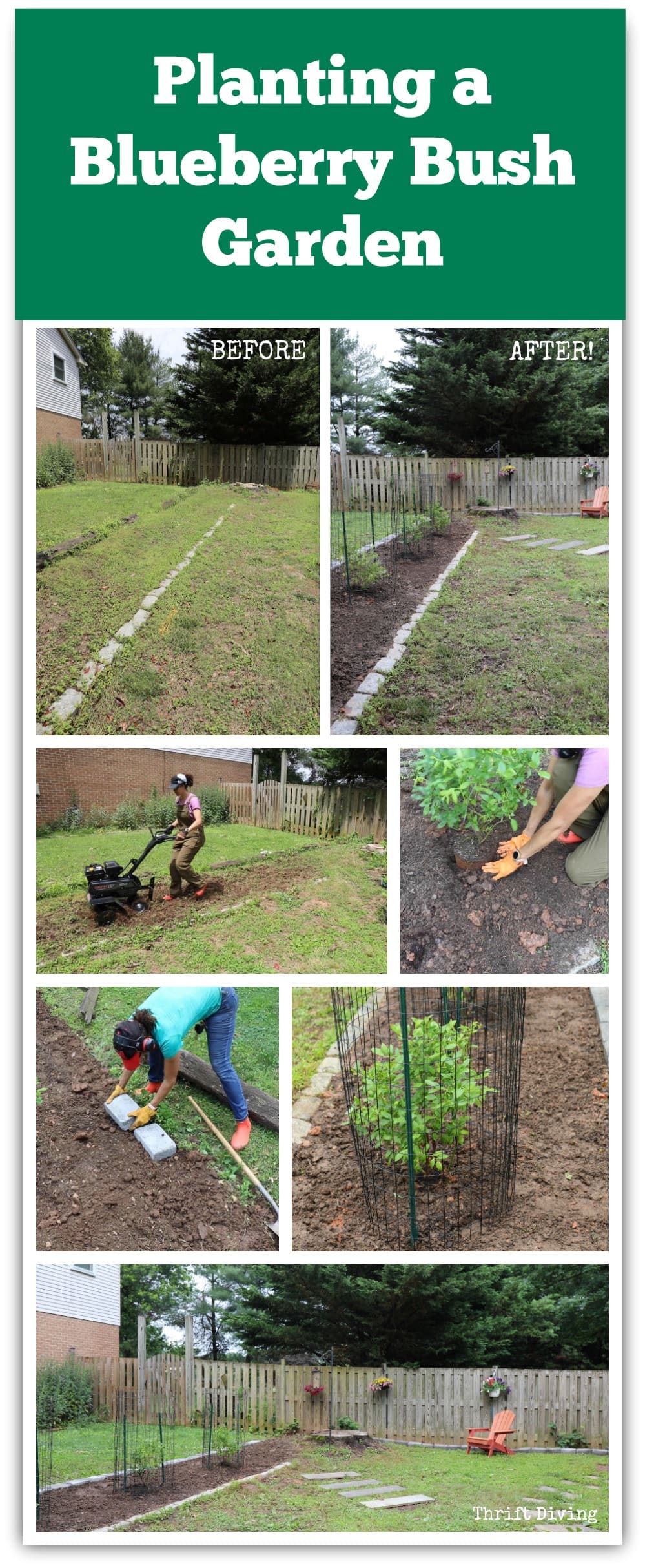
The best place to plant blueberry bushes is in an area that provides the right balance of sunlight, soil, moisture, and protection from harsh winds. Blueberries thrive in acidic soil, well-drained conditions, and they require full sun exposure for optimal growth and fruit production.
See also:
Soil Requirements
Blueberries prefer acidic soil with a pH ranging from 4.5 to 5.5. The soil should be rich in organic matter to retain moisture and nutrients effectively.
- Test the soil pH before planting.
- Add organic amendments such as peat moss or compost.
- Ensure good drainage to avoid root rot.
Sunlight Exposure
For maximum yield, blueberry bushes require full sun, which means at least 6 to 8 hours of direct sunlight per day.
- Choose a site with unobstructed sunlight.
- Avoid planting near large trees or structures that can cast shade.
- Monitor sun exposure throughout the day and seasons.
Watering Needs
Blueberries have specific moisture requirements; they prefer evenly moist soil without being waterlogged.
- Water regularly, especially during the dry season.
- Use mulch to retain soil moisture.
- Check the soil moisture with your finger before watering.
Location Considerations
Choosing the right location is vital for avoiding extreme weather conditions that can adversely affect blueberry bushes.
- Plant in an area sheltered from strong winds.
- Avoid low-lying areas where frost can settle.
- Consider raised beds if drainage is a concern.
Companion Planting
Companion plants can benefit the growth of blueberry bushes by attracting beneficial insects and improving soil health.
- Plant alongside other acid-loving plants like azaleas and rhododendrons.
- Avoid planting near crops that can compete for nutrients.
- Consider interplanting with herbs that deter pests.
Questions from Our Readers
What is the best time of year to plant blueberry bushes?
The best time to plant blueberry bushes is typically in early spring after the last frost, or in fall when the temperatures start to cool down. Planting during these times allows the bushes to establish their roots before the hotter summer months or the winter chill.
Can I plant blueberry bushes in summer?
While it's possible to plant blueberry bushes in summer, it's generally not recommended due to the heat stress that young plants can experience. If you choose to plant in summer, make sure to provide adequate water and shade to help them thrive.
Are there benefits to planting blueberries in the fall?
Yes, planting blueberries in the fall offers several benefits, including a lower chance of disease, cooler weather for roots to establish, and the opportunity for new plants to absorb moisture from autumn rains. This gives them a robust start when the growing season begins in spring.
See also:
How do climate conditions affect the planting time for blueberry bushes?
Climate conditions significantly influence the planting time for blueberry bushes. In warmer climates, early spring may be optimal, while in colder regions, planting in late spring or fall can help avoid frost damage and ensure the healthy growth of the plants.

If you want to read more articles like The Ultimate Guide to the Best Time of Year to Plant Blueberry Bushes for Optimal Growth, we recommend you check out our Shrubs category.
Leave a Reply
Related Articles