Do You Need Two Apple Trees for Pollination? Essential Guide to Growing Healthy Apples
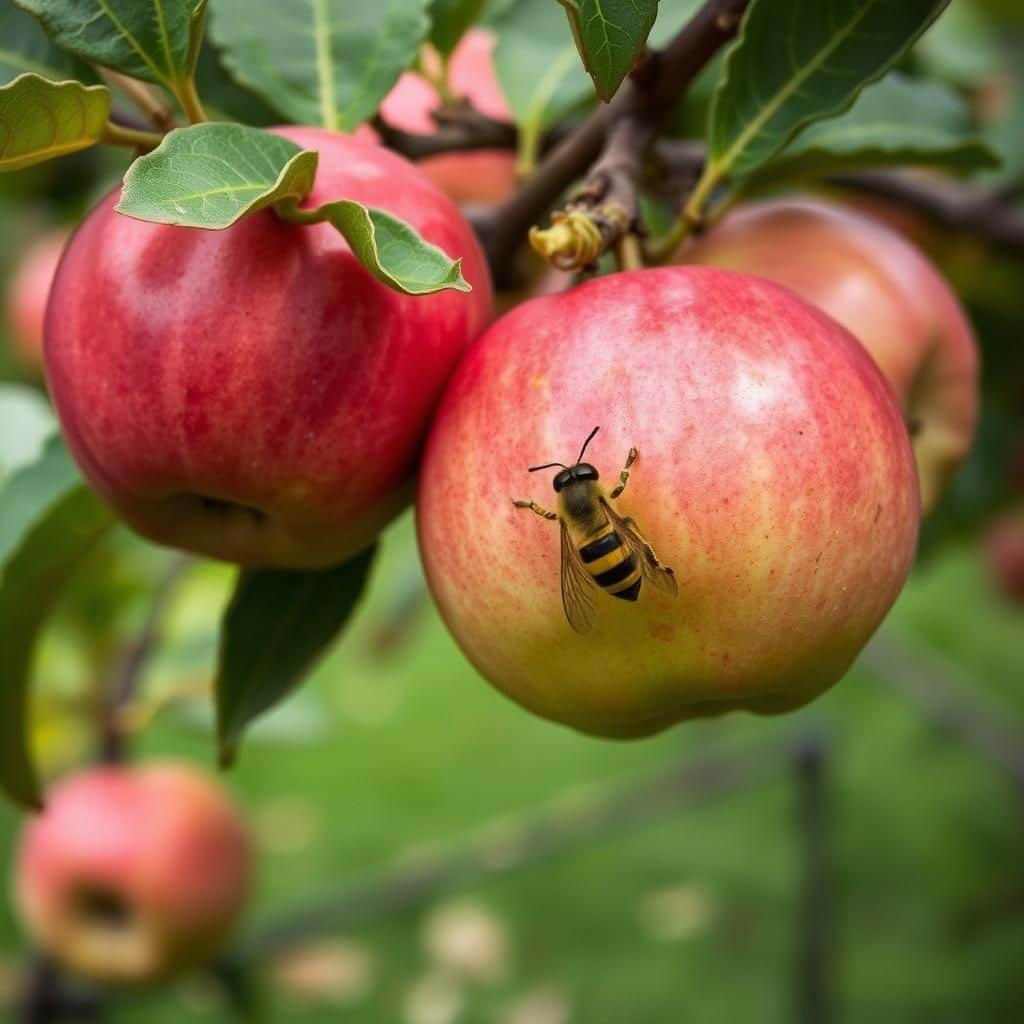
When it comes to growing apples in your backyard, one common question arises: do you need two apple trees for effective pollination? Understanding the intricacies of apple tree pollination is essential for cultivating a healthy orchard. This guide will delve into the factors that influence pollination rates, the types of apple trees, and the benefits of planting multiple varieties. Whether you're a novice gardener or an experienced horticulturist, gaining insight into these aspects will help ensure fruitful trees and a bountiful harvest. Explore the essentials of apple tree pollination and discover how to maximize your gardening success.
Do You Need Two Apple Trees for Pollination?
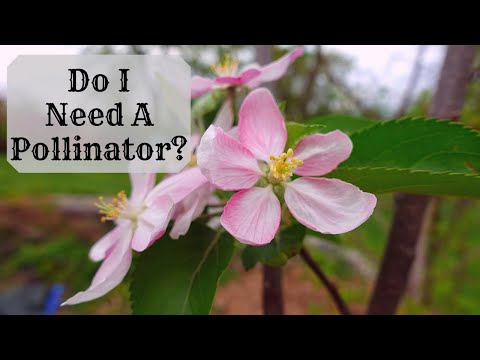
To encourage successful pollination and maximize fruit production, having two apple trees of different varieties is generally recommended. Apple trees are mostly self-pollinating, meaning they can produce fruit with their own pollen, but fruit quality and yield are significantly improved through cross-pollination, which occurs when pollen from one tree fertilizes the flowers of another. Different apple varieties encourage greater genetic diversity and produce flowers that attract both honeybees and other pollinators, leading to a more abundant harvest. Therefore, while it is possible to grow a single apple tree, planting a second tree can vastly improve the tree’s overall productivity and fruit size.
Self-Pollination in Apple Trees
Most apple trees possess the ability to self-pollinate, which means they can produce fruit on their own if there are no other trees nearby. However, the quality and quantity of apples may be compromised without the aid of another tree's pollen. Depending on the specific variety, self-pollinating trees may set fruit, but it is often less than what would occur through cross-pollination.
Benefits of Cross-Pollination
Cross-pollination can lead to a greater fruit yield, improved seed development, and better overall fruit quality. When pollen is transferred from one variety to another, the genetic diversity helps produce apples that are larger, sweeter, and more robust. This is particularly important for cultivars that are not highly self-fruitful, where the interaction between different varieties enhances the pollination process.
Choosing Compatible Varieties
Not all apple trees are compatible for cross-pollination, so selecting compatible varieties is crucial. Ideally, you should choose apple trees that flower at the same time to ensure pollen transfer occurs. Some popular pairs that work well together include Granny Smith and Honeycrisp, or Fuji and Gala. This compatibility increases the probability of a fruitful harvest when planted together.
Impact of Pollinators
Pollinators such as bees play a vital role in the pollination process of apple trees. They transfer pollen between flowers while foraging for nectar, significantly enhancing the productivity of both self-pollinating and cross-pollinating varieties. The presence of more than one tree can attract a larger number of pollinators, further increasing the chances of successful fertilization and fruit set.
Tips for Planting Apple Trees
When planting apple trees, it's best to consider the spacing between them to facilitate easy access for pollinators and to prevent cross-contamination of varieties. Ideally, place the trees within 100 feet of one another to maximize cross-pollination opportunities. Additionally, ensuring that both trees are planted in well-drained soil and receiving adequate sunlight will further support their growth and pollination success.
| Apple Variety | Pollination Type |
|---|---|
| Granny Smith | Self-pollinating, benefits from cross-pollination |
| Honeycrisp | Self-pollinating, best with cross-pollinator |
| Fuji | Mostly self-pollinating, highly recommends cross-pollination |
| Gala | Requires cross-pollination for optimal yield |
Can I pollinate a single apple tree?

To effectively pollinate a single apple tree, it is important to understand that most apple tree varieties are not self-pollinating. They require pollen from another tree of a compatible variety to produce fruit. Therefore, while it is technically possible to attempt pollination on a single apple tree, it is unlikely to succeed in producing apples without the presence of another tree. Here are some detailed insights regarding this process.
Understanding Apple Tree Pollination
Pollination is a crucial process for apple trees, involving the transfer of pollen from the male part of the flower (anther) to the female part (stigma) to facilitate fertilization. Most apple tree varieties are classified as self-incompatible, meaning they require pollen from a genetically different apple tree to set fruit.
- Cross-Pollination: Essential for fruit production.
- Compatible Varieties: Identifying varieties that can cross-pollinate.
- Pollen Availability: Timing and seasonality of flowering.
Self-Pollination in Apple Trees
While some fruit trees can set fruit without requiring pollen from another tree, most apple trees do not fall into this category. A few varieties may exhibit some level of self-pollination; however, the quantity and quality of fruit from a single tree are often inadequate.
- Self-Fertile Varieties: A few apple tree varieties are self-fertile.
- Limitations: Even self-fertile types benefit from cross-pollination.
- Fruit Set Comparison: Cross-pollination typically yields better results.
Choosing Compatible Apple Varieties
For effective cross-pollination, it is vital to choose apple tree varieties that bloom around the same time and are compatible. Compatibility refers to whether the pollen from one variety can fertilize the flower of another variety.
See also:
- Bloom Time: Synchronizing flowering periods is crucial.
- Variety Choices: Selecting varieties known to cross-pollinate.
- Local Resources: Consulting local extension services or nurseries for advice.
The Role of Pollinators
Pollinators, especially bees, play a significant role in the pollination of apple trees. They transfer pollen from one flower to another, increasing the likelihood of successful fertilization.
- Native Bees: Many native bee species are effective pollinators.
- Honey Bees: Introduced species that enhance pollination rates.
- Habitat Importance: Maintaining pollinator habitats boosts pollination.
Alternative Pollination Methods
If you have only a single apple tree and no nearby compatible varieties, you can consider alternative methods to facilitate pollination. These include manually transferring pollen or planting a compatible variety nearby.
- Hand Pollination: Collecting pollen and applying it to flowers.
- Buying or Planting: Planting a second, compatible apple tree nearby.
- Using Pollen from Other Trees: Acquiring pollen from local sources.
What happens if you only plant one apple tree?

If you only plant one apple tree, the primary consequence is related to the pollination process necessary for fruit production. Apple trees are generally not self-pollinating, which means that they require pollen from another tree of a different variety to fertilize their flowers and produce fruit. Therefore, planting a single apple tree may result in little to no apples.
Pollination Requirements
The majority of apple varieties need cross-pollination to bear fruit. This process involves the transfer of pollen from the anther of one flower to the stigma of another. Here are key points regarding this requirement:
- Cross-Pollination: Most apple varieties require pollen from another variety to successfully fertilize their flowers.
- Pollinator Bees: Bees and other pollinators often facilitate this process, but they need multiple trees to move between them.
- Pollen Compatibility: Different apple varieties may have specific compatibility with one another; planting only one variety limits cross-pollination options.
Limited Fruit Production
When you plant only one apple tree, the likelihood of obtaining fruit decreases drastically. The tree may produce flowers, but without adequate pollination, fruit formation is unlikely. Here are some points on this aspect:
- Flowering: While the tree may bloom, many of the flowers will remain unfertilized without pollen from another tree.
- Fruit Set: A lack of cross-pollination can lead to poor fruit set, resulting in few or no apples.
- Flower Drop: In the absence of successful fertilization, the tree may drop flowers prematurely.
Genetic Diversity
Planting only one apple tree contributes to a lack of genetic diversity in your garden. Genetic variation is essential for a healthy ecosystem and resilient tree populations. Here’s what you should consider:
- Limited Genetics: A single cultivar does not foster genetic variation, which can lead to vulnerability to diseases and pests.
- Environmental Adaptation: Multiple varieties can better adapt to environmental changes, whereas one tree may struggle.
- Future Breeding: Genetic diversity is crucial for future breeding programs aimed at creating more resilient or higher-yielding varieties.
Potential for Tree Longevity and Health
The health of your apple tree may also be compromised if it is isolated. Social interaction in the plant kingdom can be crucial for longevity and health. Here are some factors to consider:
- Stress Factors: Isolated trees may experience more stress from environmental factors without nearby companion plants for support.
- Pest and Disease Management: A diverse planting environment can deter pests and diseases, whereas a single tree might be more susceptible.
- Overall Vitality: An apple tree may thrive better in a community of plants that share resources and create a supportive ecosystem.
Alternative Solutions
If planting only one apple tree is unavoidable, consider these alternatives to enhance your chances of fruit production. Here’s what you can do:
- Companion Planting: Plant flowers or other trees nearby that can attract pollinators.
- Plant Multiple Varieties: If space allows, plant at least two different apple varieties for optimal cross-pollination.
- Use Bees or Pollinators: Introduce honeybees or other pollinators to your garden to assist in fertilization.
How many apple trees should you plant for pollination?
To ensure proper pollination of apple trees, it is generally recommended to plant at least two different varieties of apple trees. This is because most apple trees are not self-pollinating; they require pollen from another variety to set fruit effectively. Ideally, planting somewhere between two to five trees of different varieties can greatly enhance fruit set and overall yield. It’s important to consider the following factors when determining how many trees to plant for optimal pollination.
Understanding Apple Tree Pollination
Pollination is a crucial process for the production of apples. Many apple trees require pollen from a different variety to produce fruit. Here's why this is important:
See also:
- Cross-Pollination: Different apple varieties can cross-pollinate, resulting in better fruit set.
- Variety Compatibility: Not all apple species can pollinate each other effectively, so choosing compatible varieties is essential.
- Increased Yield: Trees planted for cross-pollination tend to produce a greater quantity of apples than those planted alone.
Choosing the Right Varieties
When selecting apple varieties for pollination, it’s critical to choose ones that bloom around the same time. This synchronization ensures that pollen is available when flowers are receptive. Consider these factors:
- Bloom Times: Investigate the bloom periods of chosen varieties to ensure they coincide.
- Flavor Profiles: Select varieties that not only pollinate each other but also meet your taste preferences.
- Growth Habits: Different varieties may grow at different rates or sizes, which could affect their spatial arrangement in your orchard.
Planting Density and Spacing
While the number of apple trees is important for pollination, spacing is equally essential. The proper distance between trees ensures good air circulation and sunlight exposure, which are vital for fruit development. Consider these spacing guidelines:
- Standard Trees: Space standard apple trees approximately 15 to 20 feet apart.
- Dwarf Trees: Dwarf varieties can be planted closer together, about 8 to 10 feet apart.
- Row Arrangement: Arrange trees in a manner that facilitates wind and bee movement for effective pollination.
Time to Fruit Production
Apple trees generally take several years to begin producing fruit; however, pollination practices can significantly influence the timeline. Here’s what to keep in mind:
- Age of Trees: Younger trees may not bear fruit until 3 to 5 years after planting.
- Pollination Effectiveness: Effective pollination can lead to earlier and more abundant fruit production.
- Environmental Conditions: Factors like frost, drought, or excessive rain can impact flowering and fruit set.
Maintaining Tree Health for Pollination
Healthy apple trees are more productive and better at self-defense against diseases that may affect their ability to produce apples. Maintain tree health with these measures:
- Regular Pruning: Proper pruning helps shape the tree for better light penetration and airflow.
- Soil Health: Test soil and apply necessary nutrients to promote strong growth.
- Pest Management: Implement organic or chemical pest control measures to protect against harmful insects.
Are 5 in 1 apple trees good?

What Are 5 in 1 Apple Trees?
5 in 1 apple trees are unique fruiting trees that are grafted to produce multiple varieties of apples from a single trunk. This method not only saves space in your garden but also allows for an extended harvest season as different apple varieties ripen at different times. Typically, these trees can produce around five different types of apples, which can vary in taste, size, and color.
- Space-efficient solution for home gardens.
- Grafting technique allows for multiple varieties.
- Varieties can include popular types like Fuji, Gala, and Granny Smith.
Benefits of Growing 5 in 1 Apple Trees
The main benefits of growing 5 in 1 apple trees include diversity, sustainability, and aesthetic appeal. Home gardeners can enjoy the benefits of multiple fruit types without needing a large orchard. This diversity can also promote better cross-pollination, which can lead to higher yields and better quality fruit.
- Increased fruit variety from a single tree.
- Better pollination can improve apple quality.
- Less space required for multiple fruit trees.
Considerations for Maintenance
Like all fruit trees, 5 in 1 apple trees require regular maintenance and care. Proper pruning, pest control, and fertilization practices are essential to ensure the health of the tree and the quality of its fruit. Understanding the needs of each variety can help maximize the care you provide.
- Regular pruning helps manage growth and promotes fruit production.
- Pest and disease management is crucial for tree health.
- Different varieties may have specific fertilization needs.
Potential Challenges of 5 in 1 Apple Trees
While 5 in 1 apple trees can be beneficial, they also present certain challenges. For example, if one variety is particularly susceptible to pests or diseases, it can affect the entire tree. Additionally, pollination issues may arise if not all varieties bloom simultaneously, potentially leading to lower yields.
- One weak variety can compromise the health of the tree.
- Asynchronous blooming can negatively affect pollination.
- Care must be taken to choose compatible varieties for grafting.
Best Varieties for 5 in 1 Apple Trees
Choosing the right varieties for your 5 in 1 apple tree is crucial for success. Opting for compatible varieties that bloom at similar times will allow optimal cross-pollination and fruit production. Common selections include apples like Honeycrisp, Cortland, and Red Delicious, which have proven themselves in various climates.
- Honeycrisp for its sweet flavor and crisp texture.
- Cortland for fresh eating and baking.
- Red Delicious known for its rich color and sweetness.
Questions from Our Readers
Do you need two apple trees for pollination?
No, you don’t necessarily need two apple trees for pollination. While many apple varieties are self-pollinating, having two trees can increase the chance of successful pollination and lead to a better fruit yield.
What is cross-pollination in apple trees?
Cross-pollination occurs when pollen from one apple tree fertilizes the flowers of another tree. This process typically enhances fruit quality and quantity, as some apple varieties require pollen from another compatible variety to produce fruit.
See also:
Are all apple trees self-pollinating?
No, not all apple trees are self-pollinating. Some varieties, known as diploid trees, need cross-pollination with other apple varieties to set fruit, while other types can produce apples on their own.
How can I ensure good pollination for my apple trees?
If you want to read more articles like Do You Need Two Apple Trees for Pollination? Essential Guide to Growing Healthy Apples, we recommend you check out our Seeds category.
Leave a Reply
Related Articles