Transform Your Landscape with a Stunning Front Yard Low Maintenance Succulent Garden
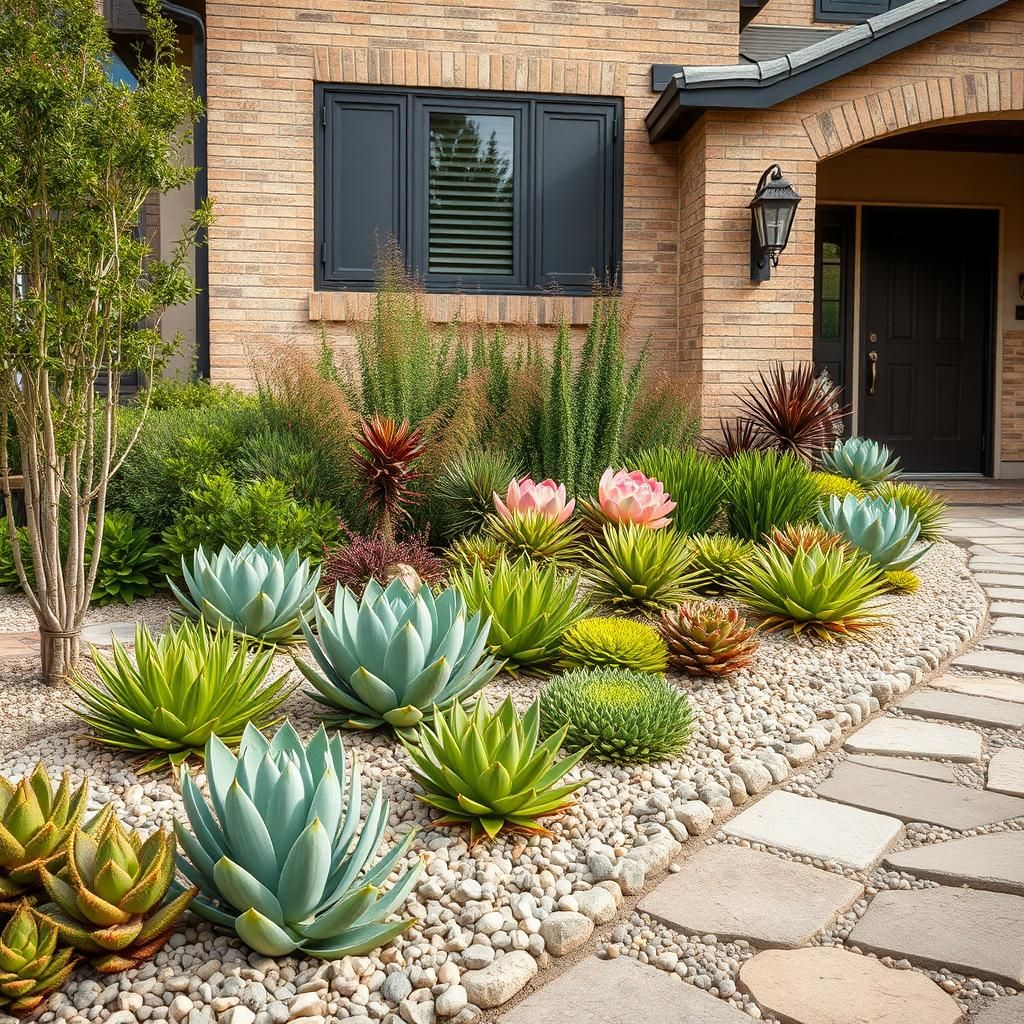
Creating a beautiful front yard doesn't have to be a time-consuming endeavor. A low-maintenance succulent garden offers an innovative solution to enhance your landscape while allowing you to enjoy a vibrant outdoor space with minimal upkeep. Succulents are not only visually appealing but also drought-resistant and adaptable to various climates, making them an ideal choice for homeowners seeking efficiency without compromising on aesthetics. In this article, we'll explore the benefits of a succulent garden, provide design tips, and share key maintenance practices to help you transform your front yard into a stunning, sustainable oasis that truly stands out.
Creating a Low Maintenance Succulent Garden in Your Front Yard
A low maintenance succulent garden in your front yard can transform your landscape while saving you time and resources. Succulents are exceptionally resilient plants that require minimal water and care, making them ideal for homeowners seeking a beautiful yet easy-to-manage garden. By selecting a variety of drought-tolerant succulents and arranging them thoughtfully, you can create an aesthetically pleasing space that thrives in various climate conditions. Additionally, incorporating elements like rock mulch and efficient drainage will help your succulent garden flourish, ensuring that it remains vibrant and low maintenance throughout the year.
Benefits of Succulents in Landscaping
Succulents offer numerous benefits when incorporated into landscaping designs, particularly for those looking for a hassle-free option. They are known for their ability to store water in their leaves, which allows them to survive in arid conditions. This characteristic makes them perfect for use in regions prone to drought. Furthermore, their diverse range of colors, shapes, and sizes provides endless possibilities for creative landscaping, ensuring your front yard stands out without requiring extensive upkeep.
Choosing the Right Succulents
When selecting succulents for your garden, consider their growing conditions and compatibility with your local climate. Some popular options include Aloe Vera, Sedum, and Echeveria, which thrive in full sun and well-drained soil. It's essential to mix different varieties to create a visually appealing garden and ensure that the plants can coexist healthily. Researching the light and water requirements of each plant will help you design a flourishing succulent garden that meets the needs of each species.
Design Ideas for Your Front Yard Garden
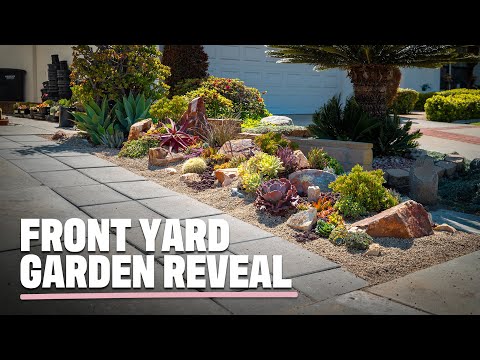
Designing a low maintenance succulent garden can be both fun and fulfilling. Consider using boulders or decorative rocks as hardscaping elements to help with drainage while adding an appealing contrast against the plants. You can create patterns or groupings of succulents to emphasize different colors and textures, providing interest throughout the seasons. Raised garden beds can also be a practical option, elevating your plants for better visibility and easier maintenance.
Watering and Maintenance Tips
One of the major advantages of succulents is that they require minimal watering compared to other plants. It’s crucial to establish a watering routine based on the specific needs of your chosen succulents, typically allowing the soil to dry completely between waterings. During the growing season, succulents generally need to be watered every two to four weeks, and less frequently in cooler months. Additionally, periodic checks for pests and a light cleaning of dust can help maintain the health and vigor of your plants.
Creating a Sustainable Garden
A sustainable succulent garden incorporates eco-friendly practices to minimize environmental impact. Use organic mulch to retain moisture and suppress weeds, and choose local succulent varieties that are naturally adapted to your region to enhance biodiversity. Implementing drip irrigation systems can help with efficient water use, and repurposing materials for garden features can reduce waste. By keeping sustainability in mind, you create a beautiful, low maintenance garden that supports environmental health.
| Aspect | Description |
|---|---|
| Water Needs | Minimal; allow soil to dry out between waterings. |
| Sunlight | Prefer full sun; check individual species' requirements. |
| Soil Type | Well-drained soil is crucial to prevent rot. |
| Maintenance | Low; occasional watering and pest checks. |
| Plant Varieties | Includes Aloe Vera, Sedum, Echeveria, and more. |
What are the most low maintenance succulents?
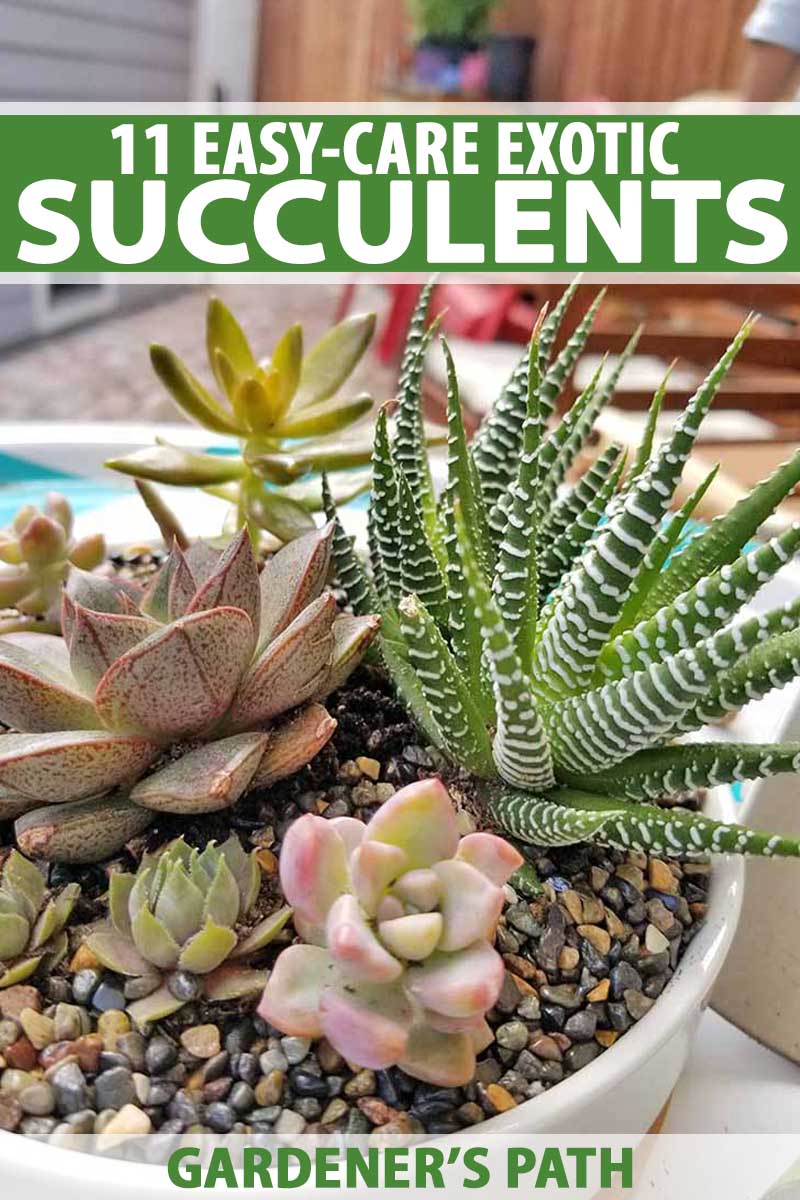
The most low-maintenance succulents are ideal for both novice and busy plant lovers. These hardy plants require minimal care while still offering the beauty and elegance that succulent enthusiasts appreciate. Here are some of the best options along with their care requirements:
1. Echeveria
Echeveria is a popular choice among succulent lovers due to its attractive rosette shape and vibrant colors. These plants thrive in bright light and require infrequent watering, making them perfect for low-maintenance environments.
- Light: Place in a sunny spot where they can receive at least six hours of indirect sunlight each day.
- Water: Allow the soil to dry out completely between waterings, typically every 2-3 weeks.
- Soil: Use a well-draining cactus or succulent mix to prevent root rot.
2. Jade Plant
The jade plant (Crassula ovata) is known for its resilience and longevity. It can easily adapt to different environments and is often used as a symbol of good luck.
- Light: Requires bright, indirect sunlight but can tolerate some direct sun.
- Water: Water sparingly; typically once a month, allowing the soil to dry out completely between waterings.
- Soil: Prefers a well-draining potting mix, which helps to avoid excess moisture.
3. Aloe Vera
Aloe Vera is not only easy to care for but also offers medicinal benefits. This succulent can endure neglect and thrives in a variety of lighting conditions.
- Light: Can grow in bright light but prefers partial shade in extremely hot climates.
- Water: Water every 3 weeks in the growing season, letting the soil dry out completely between waterings.
- Soil: Use a cactus mix or sandy soil for proper drainage.
4. Sedum
Sedum is another hardy succulent that comes in numerous varieties, making it versatile for different garden aesthetics. It can withstand drought conditions and adapt to various climates.
- Light: Thrives in full sun but can tolerate partial sun as well.
- Water: Water only when the soil is completely dry, usually every few weeks.
- Soil: Prefers sandy or well-draining soil to keep roots healthy.
5. Haworthia
Haworthia is a small, low-growing succulent that is perfect for indoor environments. It’s known for its striking, architectural leaves and is very forgiving in terms of care.
- Light: Best suited to moderate light; avoid direct sunlight as it may scorch the leaves.
- Water: Generally needs watering every 2-3 weeks; make sure to let the soil dry out completely.
- Soil: Opt for a cactus mix or a well-draining potting soil to ensure healthy growth.
What is the most low maintenance landscaping for front yard?
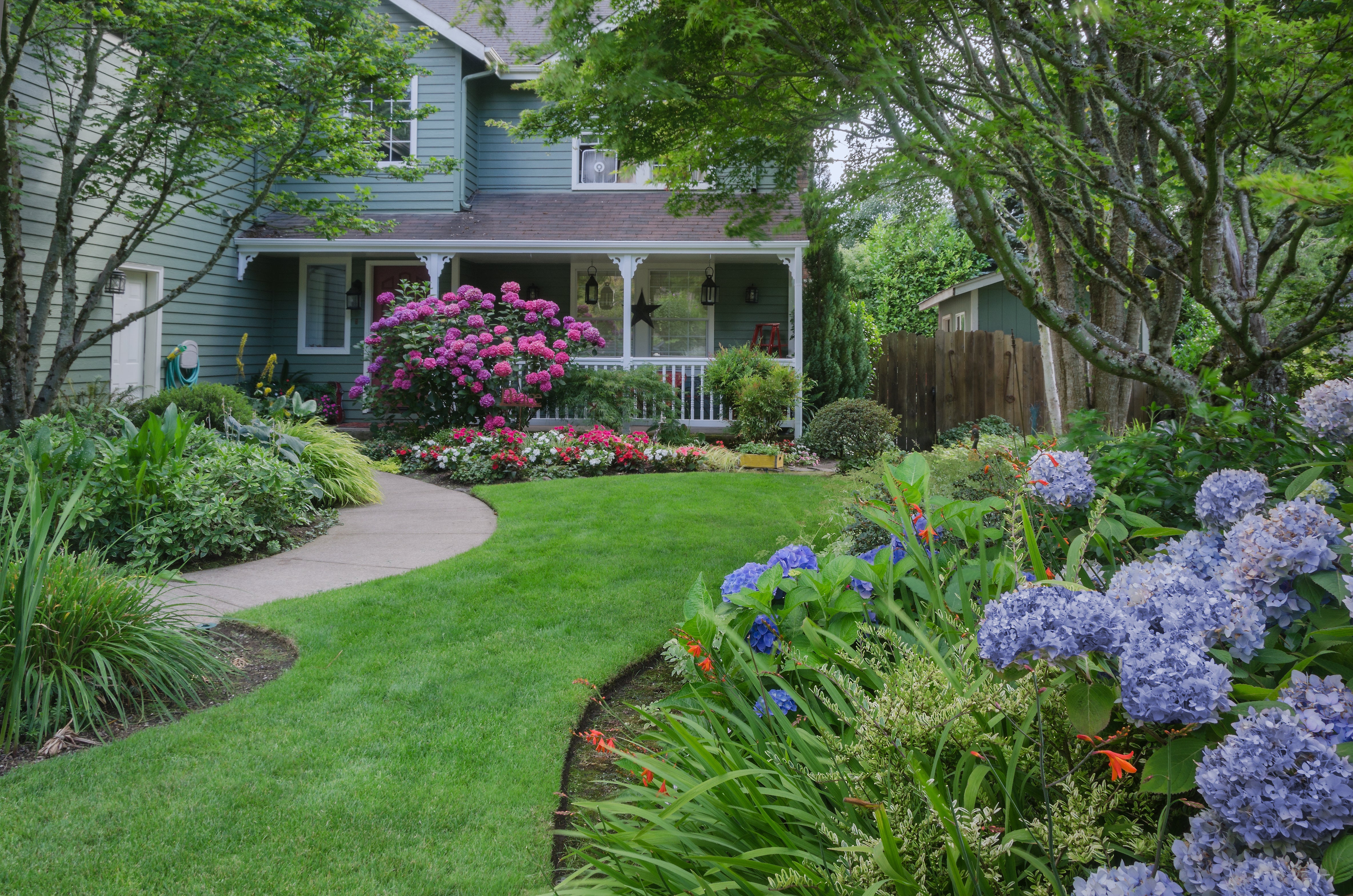

Low maintenance landscaping for a front yard focuses on design elements that require minimal care, allowing homeowners to enjoy their outdoor space without the burden of constant upkeep. The key is to select plants and materials that are climate-appropriate, drought-resistant, and capable of thriving without excessive intervention. Here are some effective strategies and components for creating a low maintenance front yard.
Choosing Native Plants
Using native plants is a fundamental aspect of low maintenance landscaping. Native plants are adapted to the local climate, soil, and wildlife, making them easier to care for and more sustainable. They typically require less water and fertilizer, and they are more resilient to pests and diseases.
- Reduced Water Needs: Native plants are adapted to the local rainfall patterns, thus requiring less irrigation.
- Pest Resistance: By attracting local pollinators and beneficial insects, they are less likely to need chemical treatments.
- Biodiversity: They support local ecosystems, promoting a healthy environment for wildlife.
Incorporating Mulch
Mulch serves as an excellent addition to front yard landscaping by helping to control weeds, retain soil moisture, and improve soil quality as it decomposes. Using organic or decorative mulch makes the landscape visually appealing while reducing the need for regular maintenance.
- Weed Suppression: A thick layer of mulch keeps weeds at bay, minimizing the need for manual weeding.
- Moisture Retention: Mulch helps the soil retain moisture, lessening the frequency of watering.
- Aesthetic Appeal: Mulch can enhance the visual aspect of the garden, offering a polished look.
Hardscape Elements
Integrating hardscape materials such as pathways, patios, and retaining walls can significantly reduce maintenance tasks associated with grass and flower beds. Hardscaping not only saves time but also creates attractive focal points in the landscape design.
- Durability: Hardscape features are long-lasting and require minimal upkeep compared to living plants.
- Erosion Control: Properly designed hardscape can prevent soil erosion and create an effective drainage system.
- Design Flexibility: Hardscaping allows for various design styles, accommodating different aesthetics while being functional.
Ground Covers
Opting for ground covers instead of traditional lawns can drastically reduce maintenance needs. Ground cover plants like creeping thyme, sedum, and clover spread easily, suppressing weeds and providing a lush appearance without frequent mowing.
- Low Growth Habit: Ground covers do not need to be mowed, saving time and effort.
- Drought Resistant: Many ground covers require minimal watering once established, conserving water.
- Soil Stabilization: They prevent soil erosion while providing an attractive landscape.
Xeriscaping Techniques
Xeriscaping is a landscaping method that reduces the need for irrigation by employing drought-resistant plants and efficient water management strategies. This approach is particularly beneficial in dry climates and is a hallmark of low maintenance landscaping.
- Water Efficiency: It significantly lowers water consumption by using plants suited for arid environments.
- Less Maintenance: By using plants that thrive in local conditions, upkeep is reduced.
- Environmental Benefits: Xeriscaping promotes sustainable gardening practices, supporting local wildlife and ecosystems.
Are succulent gardens low maintenance?
Certainly!
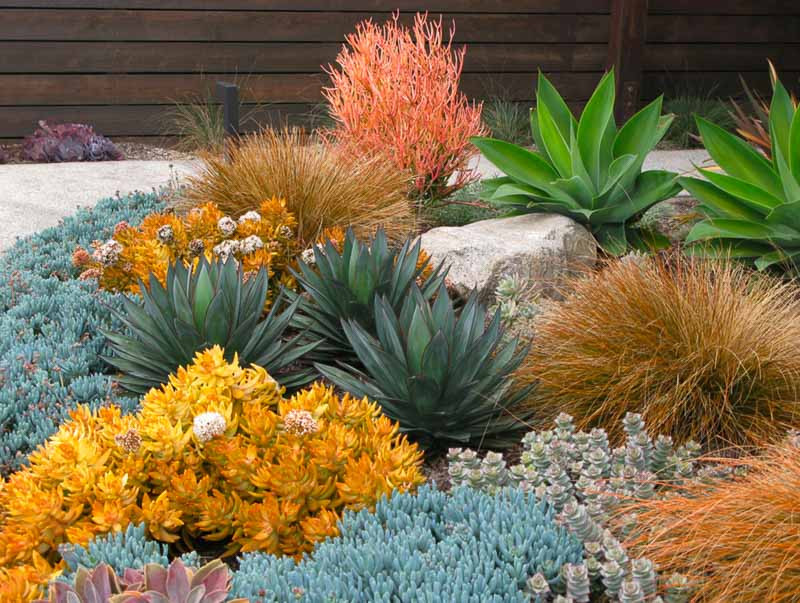
Succulent gardens are often touted as low maintenance due to the unique characteristics of the plants that comprise them. Succulents are adapted to survive in arid climates, enabling them to thrive with minimal water and care. Here are some factors that contribute to their low maintenance nature:
1. Watering Needs: Succulents require less frequent watering compared to traditional plants. They store water in their leaves, stems, or roots, allowing them to survive long periods of drought.
2. Soil Requirements: These plants do best in well-draining soil, which makes them less prone to root rot, a common issue with plants that require consistently moist soil.
3. Pest Resistance: Succulents generally have fewer pests and diseases due to their thick, fleshy leaves and the ability to thrive in less humid environments.
4. Sunlight Tolerance: Most succulents thrive in full sun, which can reduce the need for additional indoor lighting or specialized gardening conditions.
5. Growth Rate: Succulents typically grow slower than many other plants, which means less frequent repotting and pruning.
Watering Guidelines for Succulent Gardens
Succulents have distinctive watering requirements that vary depending on their environment. It is essential to understand when and how much to water these plants to keep them healthy:
See also:
- Deep Watering Method: Water thoroughly during dry spells to encourage deep root growth.
- Frequency: Water every 1-3 weeks, depending on the season and climate.
- Signs of Overwatering: Watch for yellowing leaves, which indicate excess moisture.
Soil Composition for Succulent Gardens
Choosing the right soil mix is crucial for the health of your succulent garden. A well-draining medium prevents root rot:
- Cactus Mix: Use premixed cactus soil or create your own with potting soil, sand, and perlite.
- pH Levels: Aim for a pH of around 6.0-7.0, optimal for most succulents.
- Texture: The soil should be gritty and loose to allow for proper drainage.
Pest Management for Succulent Gardens
Although succulents are generally resilient, they can still fall victim to certain pests. A proactive approach is beneficial:
- Regular Inspection: Check leaves weekly for signs of pests like mealybugs or aphids.
- Natural Remedies: Use neem oil or insecticidal soap to keep pest populations in check.
- Healthy Practices: Isolate new plants before introducing them to your existing garden.
Sunlight Requirements for Succulents
Proper sunlight exposure is vital for succlents to flourish. Here’s how to meet their needs:
- Full Sun Exposure: Most succulents thrive in full sun, requiring at least 6 hours of direct light per day.
- Consider Light Intensity: In extremely hot climates, some succulents may require partial shade during the hottest part of the day.
- Indoor Positioning: If indoors, place succulents near a south or west-facing window for optimal light.
Growth Patterns in Succulent Gardens
Succulents are typically slow growers, allowing for more manageable care over time. Here’s how their growth patterns affect maintenance:
- Slow Growth Rate: This leads to less frequent repotting and allows for more stable arrangements.
- Seasonal Growth: Most succulents grow actively in spring and summer, requiring more attention during these months.
- Propagating Opportunities: Slow growth makes it easier to propagate new plants from existing ones.
What is the easiest succulent to grow outside?
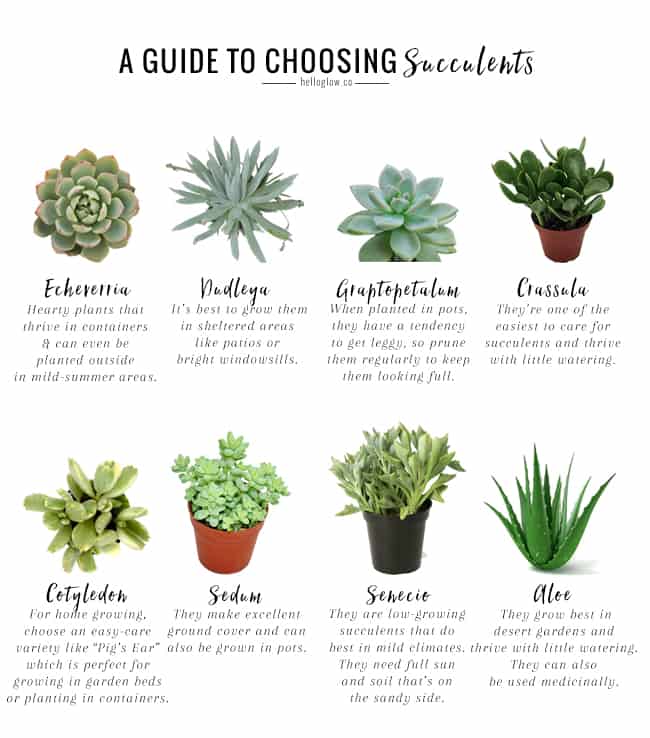
The easiest succulent to grow outside is often considered to be the Aloe Vera. This plant is not only resilient and low-maintenance but also offers various health benefits and is known for its soothing gel used in skincare. Aloe Vera thrives in a variety of climates, making it an excellent choice for outdoor gardening.
Characteristics of Aloe Vera
Aloe Vera is a succulent that can adapt to different environments. Some key characteristics include:
- Water retention: Aloe Vera stores a significant amount of water in its leaves, allowing it to survive in arid conditions.
- Temperature tolerance: It can withstand temperatures between 60°F to 75°F (15°C to 24°C), making it suitable for warm climates.
- Low light needs: Although it prefers bright indirect sunlight, Aloe Vera can tolerate partial shade.
Soil Requirements for Aloe Vera
Aloe Vera needs well-draining soil to thrive outdoors. Ideal soil characteristics include:
- Fast drainage: Using a cactus or succulent mix encourages proper drainage and prevents root rot.
- pH level: The ideal pH for Aloe Vera is between 6.0 to 8.0; slightly acidic to neutral soil is best.
- Organic matter: Adding organic material, such as compost, can improve soil fertility while maintaining drainage.
Watering Practices for Aloe Vera
Watering is crucial for the health of your Aloe Vera. Follow these guidelines:
- Infrequent watering: Allow the soil to dry out completely between watering sessions; overwatering is a common mistake.
- Seasonal adjustments: Reduce watering during the winter months when the plant is dormant.
- Watering technique: Water deeply but infrequently, targeting the base of the plant rather than the leaves.
Sunlight Requirements for Aloe Vera
Aloe Vera requires appropriate sunlight to thrive. Consider the following:
- Direct sunlight: Place it in a location where it can receive at least 6 hours of sunlight each day.
- Partial shade: In extremely hot climates, some afternoon shade can prevent leaf burn.
- Indoor transition: If moving from indoors to outdoors, acclimate the plant gradually to avoid shock.
Common Pests and Diseases
Aloe Vera is generally resistant to pests, but issues can arise. Be on the lookout for:
- Mealybugs: These pests cluster on leaves and can be treated with insecticidal soap.
- Root rot: Caused by overwatering, ensure adequate drainage to avoid this issue.
- Fungal infections: Susceptible to rot in overly humid environments; avoid wetting leaves when watering.
Questions from Our Readers
What are the best succulents for a low maintenance front yard garden?
The best succulents for a low maintenance front yard garden include agave, aloe vera, sedum, and echeveria. These plants are not only drought-resistant but also require minimal care, making them ideal choices for busy homeowners looking to enhance their landscaping with beautiful yet easy-to-manage flora.
How can I design a low maintenance succulent garden in my front yard?
To design a low maintenance succulent garden, consider creating a formal layout with defined borders, group different varieties of succulents according to their water needs, and incorporate drainage solutions. Utilizing landscaping stones or gravel can also reduce the need for frequent weeding and add aesthetic appeal to your garden.
How often do I need to water my front yard succulent garden?
You should water your front yard succulent garden approximately every two to three weeks, depending on your local climate and the specific succulent varieties you choose. It's crucial to allow the soil to dry out completely between waterings to prevent root rot, making it essential to monitor both humidity levels and temperature changes.
Do succulents attract pests in a low maintenance garden?
While succulents are generally more resilient to pests than traditional garden plants, they can still attract specific insects such as mealybugs and aphids. To minimize pest issues, maintain good air circulation, practice regular inspection, and use organic pest control methods when necessary, ensuring your low maintenance garden remains healthy and vibrant.
See also:
If you want to read more articles like Transform Your Landscape with a Stunning Front Yard Low Maintenance Succulent Garden, we recommend you check out our Landscaping category.
Leave a Reply
Related Articles