Ultimate Guide: How to Get Sunflower Seeds from a Sunflower for Your Garden
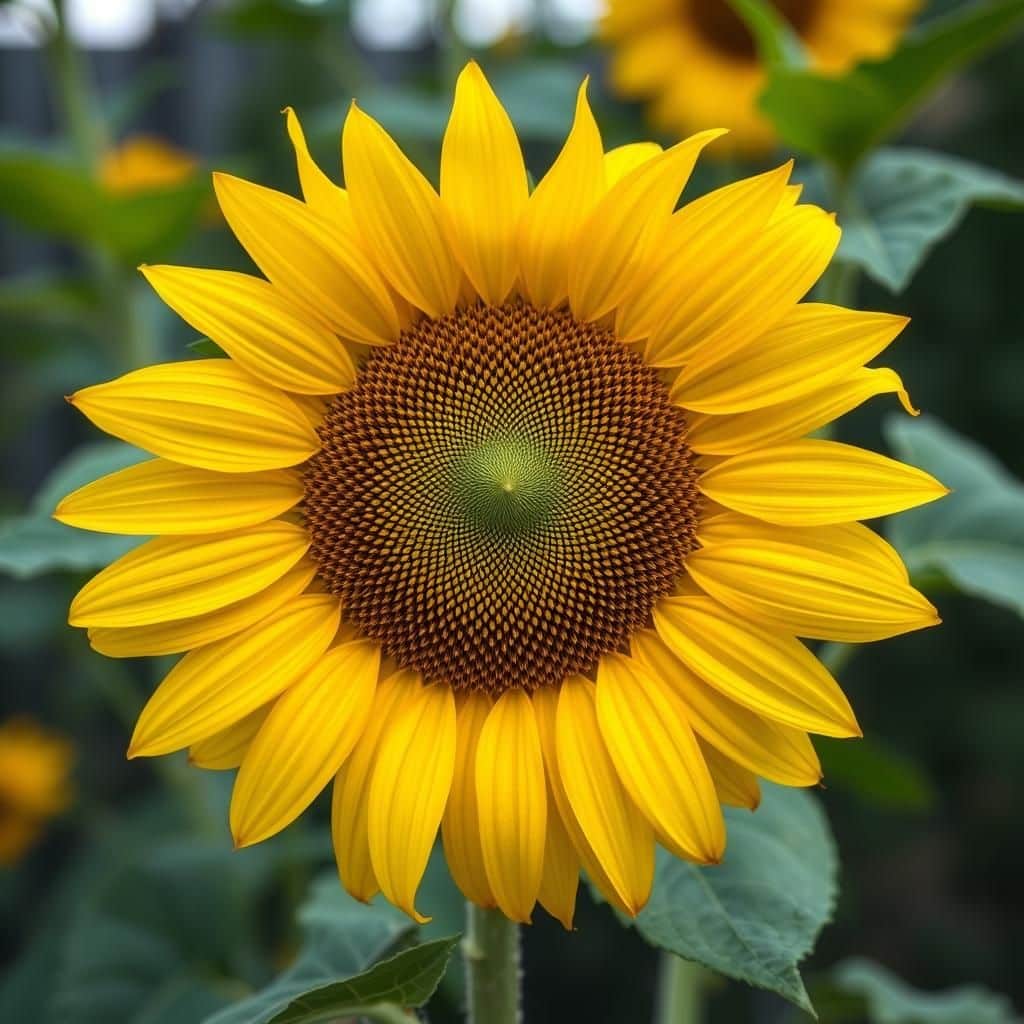
Sunflowers are not only stunning additions to any garden but also a source of delicious and nutritious seeds. Harvesting sunflower seeds can be a rewarding experience, allowing you to enjoy these tasty snacks while also having seeds for future planting. In this ultimate guide, we will walk you through the entire process of extracting sunflower seeds from these vibrant flowers. From selecting the right sunflower variety to the steps involved in harvesting and storing the seeds, you will learn everything you need to know to successfully gather and enjoy sunflower seeds from your own garden.
How to Harvest Sunflower Seeds from a Sunflower
To successfully harvest sunflower seeds from a sunflower, you need to wait until the heads of the sunflowers become brown and dry, indicating that the seeds are mature. The ideal time for harvesting is usually in late summer to early fall. Once the head is dry, you can cut it off the stem with a sharp knife, leaving a few inches of stem for handling. It is advisable to place a paper bag or a cloth beneath the sunflower head to catch any falling seeds as you gently rub the seeds out of the disk. Make sure to handle the seeds carefully and store them in a cool, dry place once harvested to ensure their longevity.
Timing for Harvesting
Timing is crucial when it comes to harvesting sunflower seeds. You should observe the sunflowers for signs of maturity, which include yellowing leaves and a brown disc on the flower head. It is recommended to harvest when the back of the head turns yellow and the seeds are plump. If left too long, birds and other wildlife may consume the seeds, so check your sunflowers regularly during late summer.
Tools Needed for Harvesting
Having the right tools can make the harvesting process easier and more efficient. You will need a sharp knife or pruning shears to cut the sunflower head from the plant. Additionally, a bucket or container can be helpful to catch any seeds that fall while you’re harvesting. It's also a good idea to wear gloves to protect your hands from any sharp edges or pollen while handling the sunflowers.
Cleaning the Seeds
After harvesting, you must clean the seeds to remove any debris, flower petals, or residue. This can be done by shaking the seeds in a colander or a mesh sieve to let extra material fall away. Rinsing the seeds under running water is also effective, but ensure they are thoroughly dried afterward to prevent mold. Proper cleaning prepares the seeds for storage or future planting.
See also:
Storing Sunflower Seeds
Storage of harvested sunflower seeds is key to maintaining their viability. It is recommended to place the seeds in a cool, dark, and dry place, preferably in an airtight container. A refrigerator or a cool basement can work well. Ensure the seeds are completely dry before storing to avoid moisture build-up, which can lead to mold growth and spoilage.
Using Harvested Seeds
Sunflower seeds can be used in many ways after harvesting. You can eat them raw or roasted as a healthy snack, use them in baking recipes, or plant them for future sunflowers. If you decide to plant the seeds, make sure they are from a non-hybrid variety to ensure they grow true to their form. Alternatively, you can also use them as bird feed, providing a natural source of nutrition for local wildlife.
| Step | Description |
|---|---|
| 1 | Check for maturity by looking for yellowing leaves and a brown head. |
| 2 | Cut the head from the stem using sharp tools. |
| 3 | Rub the seeds out carefully. |
| 4 | Clean the seeds to remove any debris. |
| 5 | Store the seeds in a cool, dry, airtight container. |
Understanding the Life Cycle of Sunflowers for Seed Harvesting
Sunflowers undergo a distinct life cycle that is essential for successfully harvesting seeds. Starting from germination, sunflowers grow rapidly, developing a sturdy stalk and broad leaves that capture sunlight for photosynthesis. As they reach maturity, the head of the sunflower develops, ultimately turning from a bright yellow to a brown hue. It’s important to monitor the color change and ensure the seeds inside the head are fully formed before harvesting. Waiting until the seeds are dry and the head is drooping will maximize the quality of the seeds you collect, making your gardening efforts more successful.
Choosing the Right Sunflower Varieties for Seeds
Choosing the right variety of sunflowers is crucial for seed collection. Different sunflowers serve different purposes, such as ornamental, oil-producing, or bird feed. For instance, if your goal is to produce seeds for snacking, select varieties like the Mammoth Grey Stripe sunflowers, which yield large seeds. On the other hand, if you want to attract birds, look for smaller varieties that are higher in oil content. Each type has its own unique growing conditions, so understanding these requirements will ensure a successful harvest.
Optimal Time for Harvesting Sunflower Seeds
Timing is critical when harvesting sunflower seeds; waiting too long can lead to the seeds being eaten by wildlife or falling off prematurely. The best time to harvest is when the backs of the sunflower heads turn yellow-brown and the seeds have darkened in color. At this stage, the seeds will be plump and ready for extraction. Monitoring the weather is also essential, as damp conditions can promote mold growth on the heads, so aim for a dry, sunny day to harvest your seeds effectively.
See also:
How to Properly Harvest and Extract Seeds
To properly extract sunflower seeds, first, cut the heads off the plant using sharp shears, ensuring that you leave at least a few inches of stalk attached for easier handling. Place the sunflower heads in a mesh bag or paper sack to dry in a cool, dry area away from direct sunlight. Once the heads are completely dry, gently rub the seeds out with your fingers or use a wide-tooth comb to help dislodge them. Remember to handle the seeds carefully to avoid cracking or damaging them, which can impact germination rates.
Storing Your Harvested Sunflower Seeds
Proper storage of your harvested seeds is essential for ensuring they remain viable for future planting. After the seeds are thoroughly dry, store them in airtight containers made of glass or plastic. Label the containers with the seed variety and date of harvest, and keep them in a cool, dark place. This prevents exposure to excess moisture and heat, which can cause mold or sprouting. Check the seeds periodically to ensure they remain dry and healthy for planting in the next garden season.
Pest Management for Sunflowers During Growing Season
Managing pests is critical for a healthy sunflower crop, as various insects can hinder growth and affect seed production. Common pests include aphids, beetles, and sunflowers’ arch-nemesis: the sunflower moth. Implementing natural pest control methods, such as introducing beneficial insects like ladybugs or using insecticidal soap, can help maintain a balance in your garden without relying on harsh chemicals. Regularly inspecting your sunflowers and taking action at the first sign of infestation will protect the plants and ensure a successful seed harvest.
Questions from Our Readers
How do I know when sunflower seeds are ready to harvest?
To determine if sunflower seeds are ready for harvesting, look for the heads to start drooping and the back of the flower turning yellow or brown. The seeds should be plump, and the husk should be firm to the touch. If you notice the seeds are starting to fall out, it's a clear sign that it's time to harvest them.
What is the best method to collect sunflower seeds?
The best method to collect sunflower seeds involves cutting the flower heads off the stalks when they're fully mature. You can then place the heads in a paper bag or on a dry surface to allow any remaining seeds to fall out naturally. Make sure to wear gloves, as some types of sunflower can have sharp edges.
See also:
Can I store sunflower seeds after harvesting?
Yes, you can easily store sunflower seeds after harvesting by keeping them in a cool, dry, and dark place. It's advisable to place the seeds in an airtight container or a sealed bag to prevent moisture from getting in. This will help maintain their freshness and protect them from pests.
Are there specific varieties of sunflowers that produce better seeds?
Yes, certain varieties of sunflowers, such as the Giant Grey Stripe and Mammoth Russian, are known for producing larger and more flavorful seeds. These varieties are often preferred for snacking or for planting due to their substantial seed yields and great taste.

If you want to read more articles like Ultimate Guide: How to Get Sunflower Seeds from a Sunflower for Your Garden, we recommend you check out our Seeds category.
Leave a Reply
Related Articles