Ultimate Guide: How to Get Rid of Stink Bugs on Lemon Trees Effectively
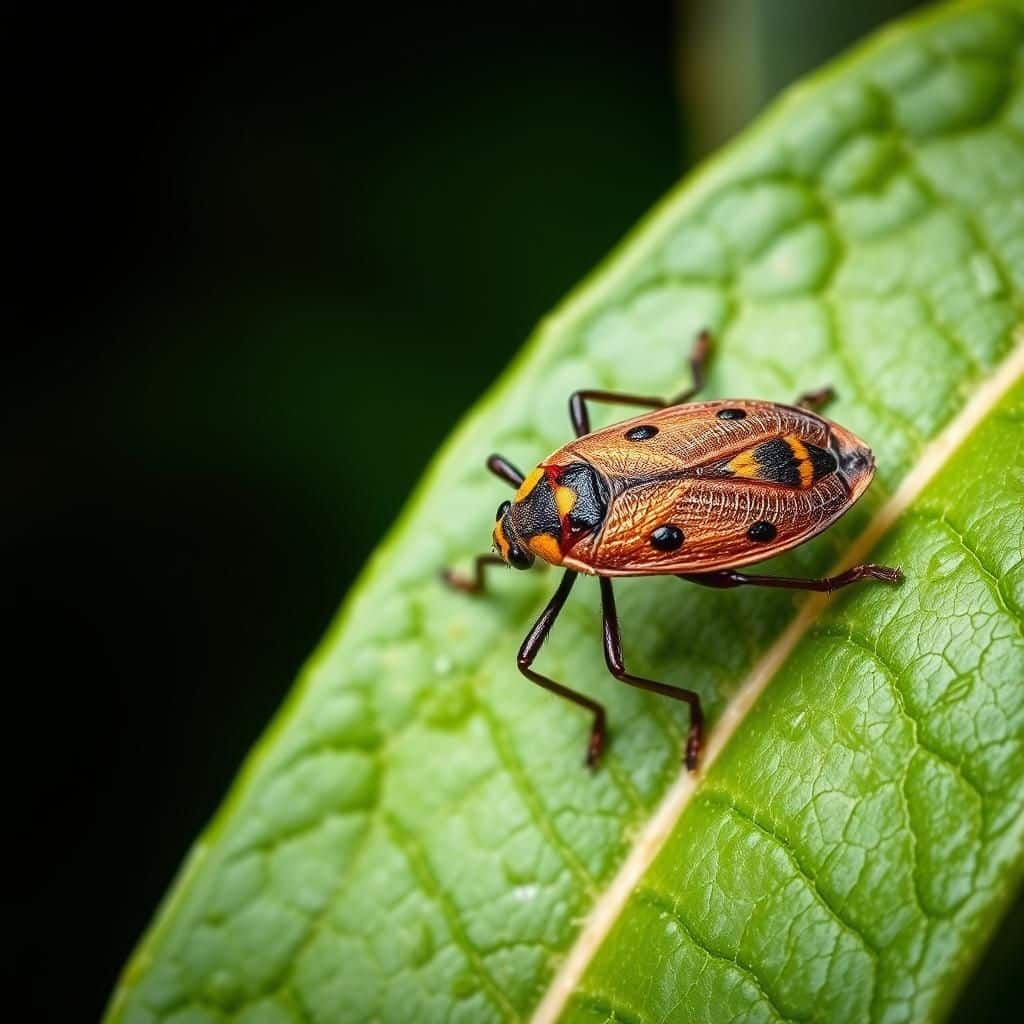
Lemon trees are a gardener's delight, but they can also attract uninvited guests like stink bugs. These pests pose a threat to your tree's health and fruit quality, leaving behind a distinctive odor that can linger in your garden. In this ultimate guide, we will explore effective strategies to eliminate stink bugs from your lemon trees. From natural remedies to preventive measures, you will learn how to protect your beloved citrus plants and maintain a thriving garden. By the end of this article, you'll be equipped with the knowledge to keep your lemon trees healthy and free from these pesky intruders.
Effective Methods to Eliminate Stink Bugs from Lemon Trees
To effectively get rid of stink bugs on lemon trees, it is crucial to employ a combination of preventive and remedial strategies. Start by inspecting your trees regularly to identify any signs of infestation early on. Organic methods, such as introducing natural predators like lacewings or ladybugs, can help control the stink bug population. Additionally, using insecticidal soaps or neem oil can disrupt their life cycle without harming beneficial insects. Regularly cleaning up fallen fruits and debris around your lemon trees can also deter these pests, as they often use such materials as hiding spots. Implementing these methods in a consistent manner will help protect your lemon trees from the damaging effects of stink bugs.
Identify Stink Bug Infestations
Recognizing a stink bug infestation early is key to managing its impact on your lemon trees. Stink bugs are usually green or brown in color, and they often cluster on the branches or around the fruit. Look for yellowing leaves or signs of feeding damage, such as small brown spots on the fruit. These visual cues can help you determine the extent of the problem, allowing for timely intervention. Regular inspections during the growing season can significantly enhance your chances of keeping these pests at bay.
Use Natural Predators
Introducing natural predators is an effective and eco-friendly method for controlling stink bug populations. Predatory insects, such as lacewings, ladybugs, and certain parasitic wasps, feed on stink bugs and can help to keep their numbers in check. You can purchase these beneficial insects from gardening stores or online suppliers and release them around your lemon trees. Creating a conducive environment for these predators by planting diverse flora can further attract them and enhance their efficacy in controlling stink bugs.
Insecticidal Soaps and Oils
Utilizing insecticidal soaps and neem oil is a powerful way to combat stink bugs without harming other beneficial insects. These products work by suffocating the pests on contact and disrupting their life cycle, effectively reducing their numbers over time. Apply these treatments in the early morning or late evening when temperatures are cooler, and followed the manufacturer's instructions for safety. Regular applications, especially after rain, can ensure continuous protection for your lemon trees.
Maintain Cleanliness Around Lemon Trees
Keeping the area around your lemon trees clean is crucial in preventing stink bug infestations. Remove any fallen fruit, leaves, and debris that can serve as hiding spots for these pests. Cleanliness not only deters stink bugs but also helps maintain the overall health of the tree. Practicing good hygiene in your garden will create an unattractive environment for stink bugs, thereby significantly reducing their chances of settling in.
Employ Physical Barriers
Using physical barriers like row covers can effectively protect your lemon trees from stink bugs. These lightweight netting materials can be draped over your trees during critical growth periods to create a barrier against pests. Ensure that the covers are securely fastened at the base to prevent bugs from sneaking underneath. While this method doesn't eliminate existing infestations, it can help prevent new ones from taking hold, allowing your lemon trees to thrive undisturbed.
| Method | Description |
|---|---|
| Natural Predators | Introduce beneficial insects to control stink bug populations. |
| Insecticidal Soaps | Use eco-friendly soaps to suffocate and disrupt stink bugs. |
| Regular Inspections | Monitor lemon trees consistently to catch infestations early. |
| Physical Barriers | Employ row covers to prevent stink bugs from reaching trees. |
| Maintain Cleanliness | Remove debris and fallen fruit to deter pests. |
Do stink bugs eat lemon trees?
Understanding Stink Bugs
Stink bugs, also known as Pentatomidae, are a family of insects known for their distinct smell when disturbed. They are primarily herbivorous, feeding on a variety of plants, and some species can be problematic for agriculture. Here are some key points about stink bugs:
- Stink bugs have a unique shield-like shape and can vary in color.
- They feed by inserting their mouthparts into plant tissues to extract sap.
- Some species are more destructive than others, particularly when they invade crops.
Impact on Lemon Trees
Lemon trees can be affected by stink bugs, although they are not their preferred hosts. The feeding habits of these insects can cause significant damage, including deformation and dropping of fruit. Here are some impacts stink bugs may have on lemon trees:
See also:
- Stink bugs may cause scarring on fruit, making them unappealing.
- They can weaken the tree’s overall health by draining its sap.
- Infestations can lead to increased vulnerability to other pests and diseases.
Signs of Stink Bug Infestation
Recognizing the signs of a stink bug infestation on lemon trees is crucial for early intervention. Common signs include:
- Visible stink bugs on the leaves or fruit.
- Brown or yellow spots on the leaves where bugs have fed.
- Fruits that appear to be blemished or deformed.
Prevention and Control Methods
To protect lemon trees from stink bugs, several prevention and control methods can be employed. These methods may include:
- Regularly inspect plants for signs of infestation.
- Use physical barriers, like row covers, to deter bugs.
- Consider introducing natural predators to maintain stink bug populations.
Best Practices for Lemon Tree Health
Maintaining the overall health of lemon trees can help mitigate the impact of stink bugs. Here are some best practices:
- Ensure proper watering and nutrition for the trees.
- Regularly prune the trees to promote airflow and reduce infestations.
- Monitor for other pests and diseases, ensuring the tree remains vigorous.
How do you get rid of bugs on lemon trees?
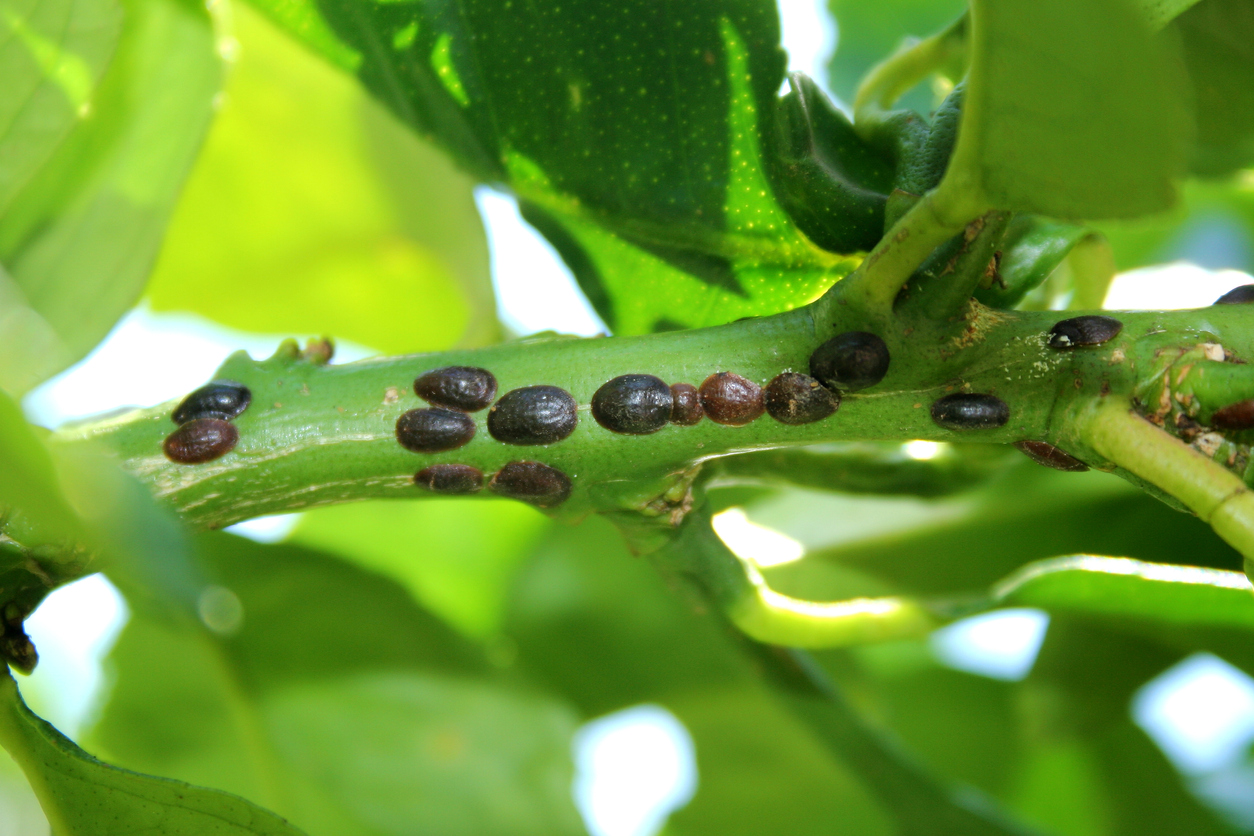
To get rid of bugs on lemon trees, it is essential to identify the specific pests affecting your trees and apply appropriate treatment methods. Here are some effective strategies to manage insect infestations on lemon trees:
Identify Common Pests
Identifying the specific type of bugs that are infesting your lemon trees can help you choose the right control method. Common pests include:
- Aphids - Small, soft-bodied insects that suck sap from leaves.
- Mealybugs - White, cottony pests that can weaken the plant by feeding on its juices.
- Spider Mites - Tiny arachnids that cause leaves to appear speckled and yellow.
Manual Removal
Sometimes, the simplest approach is to remove pests by hand. This can be particularly effective for larger insects.
- Inspect leaves and stems for visible bugs.
- Use a soft cloth or brush to wipe pests off the plant.
- For stubborn infestations, consider using tweezers to remove larger bugs.
Natural Remedies
Utilizing natural solutions can help protect your lemon trees while minimizing chemical exposure. Consider the following options:
- Neem oil - A natural pesticide that disrupts the life cycle of insects.
- Insecticidal soap - Effective in controlling aphids and mealybugs by suffocating them.
- Garlic spray - A homemade remedy that can repel many insects.
Chemical Treatments
If the infestation is severe, you may need to resort to chemical control. Ensure to follow instructions carefully to avoid harming the tree.
- Choose a product specifically labeled for use on fruit trees.
- Apply during the early morning or late evening to minimize harm to beneficial insects.
- Reapply as necessary according to the product's directions.
Preventive Measures
Preventing infestations before they start is a vital part of maintaining healthy lemon trees. Here are some strategies:
See also:
- Regular inspections - Check your trees frequently for early signs of pests.
- Healthy soil - Ensure your plants are in well-draining soil and receive proper nutrients.
- Companion planting - Use plants that can deter pests when planted alongside lemon trees.
What is a natural spray for stink bugs?

Natural sprays can be effective in managing stink bug populations without the use of harsh chemicals. One of the most common natural solutions is a spray that combines essential oils with water. These sprays can repel stink bugs and help deter them from entering your home or garden. Here are some effective natural spray options and their components:
1. Soap and Water Spray
A simple and effective natural remedy involves mixing dish soap with water. This mixture interferes with the bug's outer coating and can suffocate them.
- Ingredients: Mix 2 tablespoons of liquid dish soap with 1 quart of water.
- Application: Pour the mixture into a spray bottle and apply directly to stink bugs.
- Frequency: Repeat every few days or after rain to maintain effectiveness.
2. Essential Oil Spray
Essential oils, such as Peppermint oil or Neem oil, can act as a natural insect repellent. They not only help to repel stink bugs but also have antifungal properties.
- Ingredients: Combine 10 drops of peppermint oil, 1 tablespoon of liquid soap, and 2 cups of water.
- Application: Mix well and pour into a spray bottle, then spray areas where stink bugs are present.
- Effectiveness: This spray can deter stink bugs due to the strong scent.
3. Vinegar and Water Solution
A mixture of vinegar and water can also be used to repel stink bugs, as they dislike the acidic properties of vinegar.
- Ingredients: Mix equal parts of water and white vinegar.
- Application: Spray around windows, doorways, and other entry points to deter stink bugs.
- Safety: Ensure not to spray directly on plants as vinegar can harm plant life.
4. Garlic Spray
Garlic is known for its strong smell and is quite effective in repelling various insects, including stink bugs.
- Ingredients: Blend a head of garlic with two cups of water and strain the mixture.
- Application: Pour the garlic infusion into a spray bottle and apply to affected areas.
- Additional Benefits: Garlic is safe for plants and can also deter other pests.
5. Hot Pepper Spray
Hot peppers can create an unpleasant experience for stink bugs due to their heat, making them an effective deterrent.
- Ingredients: Blend a few hot peppers with water, strain the mixture, and add a few drops of dish soap.
- Application: Spray the mixture around your yard and home where stink bugs are a problem.
- Effectiveness: The spicy nature of the spray dissuades stink bugs from lingering.
Questions from Our Readers
What are stink bugs and why are they a problem for lemon trees?
Stink bugs are pests that can cause significant damage to lemon trees by feeding on their leaves and fruit. These bugs can lead to deformities in the fruit and reduce the overall health of the tree, making it essential to manage their presence effectively.
What natural methods can I use to get rid of stink bugs on my lemon trees?
You can use several natural methods to get rid of stink bugs, such as introducing beneficial insects like ladybugs, using soapy water sprays, or applying neem oil. These strategies are effective and environmentally friendly, helping to control the stink bug population without harming your lemon trees.
Are there any chemical pesticides recommended for stink bugs on lemon trees?
If natural methods are insufficient, you may consider using chemical pesticides specifically formulated for stink bugs. Ensure that these products are safe for use on edible plants and follow the manufacturer's instructions to avoid harming your lemon trees or surrounding wildlife.
See also:
How can I prevent stink bugs from infesting my lemon trees in the future?
To prevent future infestations, you can implement cultural practices such as maintaining good garden hygiene, removing any debris or fallen fruit, and planting companion plants that repel stink bugs. Regular monitoring and early intervention are key to keeping your lemon trees healthy and free from these pests.

If you want to read more articles like Ultimate Guide: How to Get Rid of Stink Bugs on Lemon Trees Effectively, we recommend you check out our Landscaping category.
Leave a Reply
Related Articles