Effective Strategies on How to Get Rid of White Grubs in Pot Plants: A Complete Guide
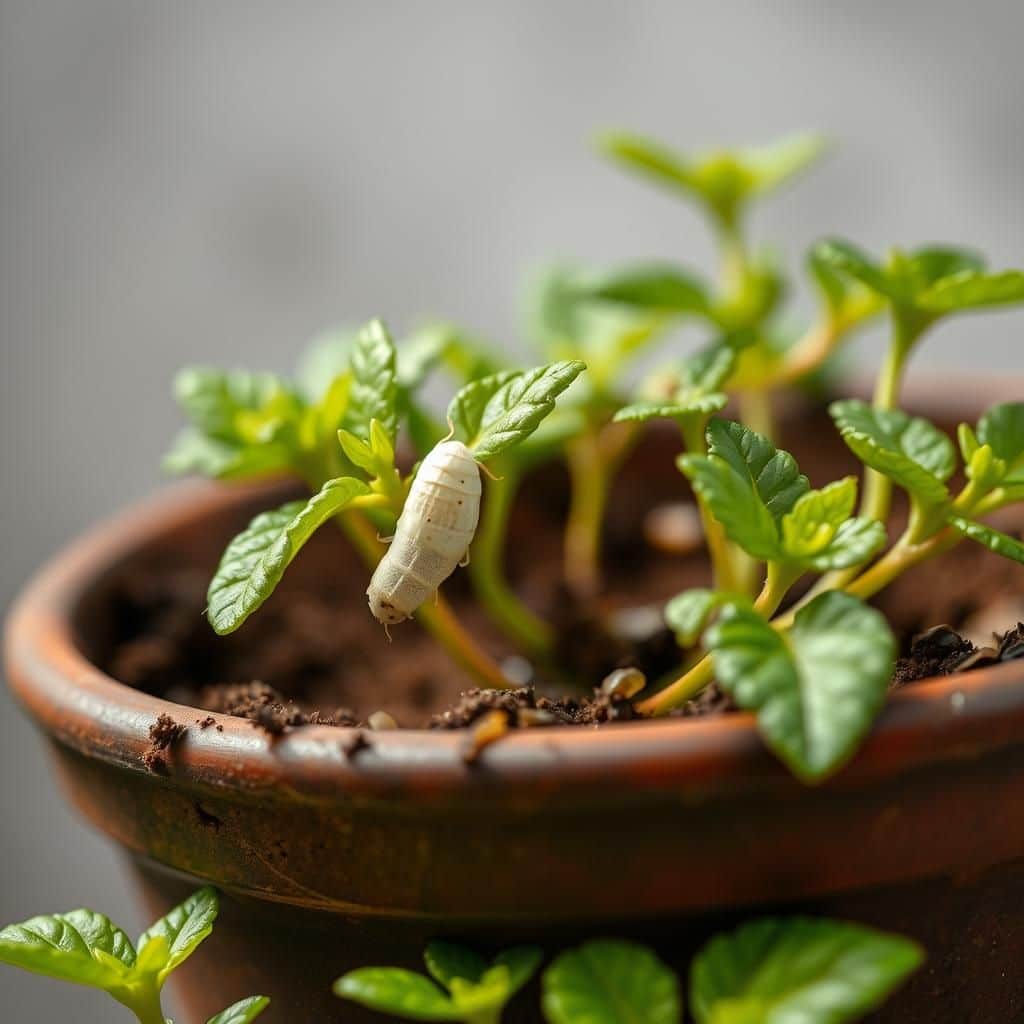
White grubs can pose a significant threat to the health of your pot plants, often feasting on their roots and leading to stunted growth or even plant death. If you've discovered these pests in your gardening space, it's crucial to take immediate action. This comprehensive guide will explore effective strategies for eliminating white grubs in pot plants, ensuring they thrive and flourish. From natural remedies to chemical solutions, we'll cover a variety of methods suited for different gardening preferences. Whether you're a seasoned gardener or a novice, you'll find practical advice to safeguard your plants and restore their vitality.
Effective Methods to Eliminate White Grubs in Potted Plants
To effectively get rid of white grubs in pot plants, you can adopt a combination of preventive and direct treatment methods. Start by carefully inspecting the soil and roots to identify the presence of these pests. If detected, you can remove the affected soil and replace it with fresh, sterile potting mix. Additionally, applying beneficial nematodes can help target and kill the grubs in the soil, while diatomaceous earth can be sprinkled on the surface to deter adult beetles from laying eggs. Regularly checking your plants and ensuring proper drainage can also prevent the conditions favorable for white grub infestations.
Identifying White Grubs
Identifying white grubs is crucial for effective management. These larvae usually have a C-shaped appearance, white to cream color, with a brown head. They often reside just below the soil surface and can damage plant roots, resulting in wilting or stunted growth. Look for signs of their presence, such as brown patches in the soil or drooping leaves, to confirm that you are dealing with this pest. Understanding their lifecycle can also help you time your interventions effectively.
Preventive Measures
Taking preventive measures is essential in maintaining healthy potted plants. Ensure proper drainage in pots, as excess moisture attracts grubs and other pests. Regularly monitor plants for any signs of pest activity and maintain clean gardening practices by removing debris that could harbor pests. Using organic mulch can help deter adult beetles from laying eggs in the soil, creating a less inviting environment for grubs. Introducing beneficial insects can also naturally control pest populations.
Using Beneficial Nematodes
Beneficial nematodes are microscopic worms that prey on grubs. They can be applied to the soil to effectively reduce grub populations. These nematodes enter the grubs’ bodies and release bacteria that kill them. When choosing nematodes, ensure they are suitable for the specific type of grub you are dealing with. Follow the instructions for application carefully, as they are most effective when the soil is moist and temperatures are within their active range.
Applying Diatomaceous Earth
Diatomaceous earth (DE) is a natural, non-toxic powder that can help control white grubs. When sprinkled on the soil surface, DE can damage the exoskeletons of the grubs upon contact, leading to dehydration and death. It is crucial to apply DE when the soil is dry; wet conditions reduce its effectiveness. Reapply after rainfall or watering to maintain a protective barrier against these pests, ensuring your pot plants remain healthy.
Replacing Soil
If the infestation is severe, replacing the entire soil in your pot may be necessary. Carefully remove the plant from the pot and gently shake off the old soil to minimize root damage. Inspect the roots for signs of damage or grubs. Replant in a new, sterile potting mix that is free of any pests. This method not only removes existing grubs but also revitalizes your plant with fresh nutrients, fostering healthier growth.
| Method | Description | Effectiveness |
|---|---|---|
| Beneficial Nematodes | Microscopic worms targeting grubs | Highly effective against grubs |
| Diatomaceous Earth | Natural powder damaging exoskeletons | Moderately effective with conditions |
| Soil Replacement | Removing and replacing infested soil | Very effective for severe infestations |
| Preventive Measures | Regular monitoring and gardening practices | Effective for long-term control |
| Identifying Grubs | Recognizing signs of infestation | Essential for targeted action |
What kills grubs but not plants?


Grubs, the larvae of various beetles, can be quite detrimental to gardens and lawns as they feed on the roots of grasses and other plants. However, there are several methods to control grub populations while ensuring that your plants remain unharmed. Here are some effective solutions:
1. Nematodes: These microscopic roundworms are natural predators of grubs. When applied to the soil, they seek out and infect the grubs, ultimately killing them. Nematodes are safe for plants, humans, and pets, making them an excellent option for organic gardening.
- Natural solution: Nematodes are a biological control agent.
- Safe for plants: They target only pest larvae.
- Easy application: Can be mixed with water and applied to the soil.
2. Milky Spore: This is a beneficial bacterium that affects the grub lifecycle. Once in the soil, it can persist for years, providing long-term control. When grubs ingest the bacterium, they become infected and die, thus reducing their population without harming nearby plants.
- Long-term control: Can remain effective for several years.
- Non-toxic: Safe for beneficial insects, pets, and plants.
- Soil application: Easily spread over the infested areas.
3. Insecticidal Soaps: These products can be effective against younger grubs when applied in a targeted manner. The soaps work by suffocating the insects and are made from natural ingredients, making them less harmful to plants compared to other harsh chemicals.
- Effective on young grubs: Targets newly emerged larvae.
- Plant-safe: Generally safe for most plants when used properly.
- Easy to use: Application through spraying on affected areas.
4. Diatomaceous Earth: This natural powder, made from fossilized aquatic organisms, can be sprinkled onto the soil. It works mechanically by piercing the exoskeletons of grubs, causing them to dehydrate and die, while remaining safe for plants.
- Natural and non-toxic: Safe for the ecosystem.
- Mechanical action: Causes dehydration for the grubs.
- Multiple uses: Can also deter other pests like slugs and ants.
5. Beneficial Insects: Introducing beneficial insects, such as beetles and parasitic wasps, can help control grub populations. These insects will actively hunt grubs and other lawn pests without causing harm to your plants, thus maintaining the ecological balance.
- Natural predators: Help keep pest populations in check.
- Promote biodiversity: Strengthen local ecosystems.
- Protect plants: Without directly harming plant health.
Does Dawn dish soap really kill grubs?

Dawn dish soap is often touted as a natural remedy for various pest problems, including grubs. However, while it may have some effectiveness, it's important to understand the mechanisms involved and the conditions under which it works.
See also:
When it comes to grubs, which are the larvae of beetles, Dawn dish soap can potentially kill them, but primarily by suffocating them rather than acting as a poison. The soap reduces the surface tension of water, causing it to penetrate the soil more effectively and envelop the grubs. When the grubs are covered in soapy water, they can experience asphyxiation. However, using Dawn dish soap is not a guaranteed solution and may vary in effectiveness based on multiple factors.
How Does Dawn Dish Soap Work Against Grubs?
Dawn dish soap works by effectively suffocating the grubs through its surfactant properties. Here’s how it impacts them:
- Surfactant Action: The soap breaks down oils on the grubs' bodies, allowing water to stick to them.
- Asphyxiation: When grubs come into contact with soapy water, their breathing pores can become clogged, leading to suffocation.
- Ease of Application: It is easy to mix with water and apply to affected areas of your lawn or garden.
Is Dawn Dish Soap Effective for All Types of Grubs?
While Dawn dish soap can kill some types of grubs, it is not universally effective for all pest species. The effectiveness generally depends on:
- Species of Grub: Different species, such as Japanese beetle larvae or June bugs, may respond differently to soap.
- Development Stage: Younger grubs may be more susceptible compared to older, larger larvae.
- Soil Conditions: Soil type and moisture levels can affect how well the soap penetrates and reaches the grubs.
How Should Dawn Dish Soap Be Applied for Best Results?
To maximize its effectiveness against grubs, proper application methods are essential. Consider the following guidelines:
- Mixing Ratio: Combine a small amount of Dawn dish soap with water, typically around 2 tablespoons per gallon.
- Timing: Apply during cooler parts of the day, avoiding direct sunlight, to reduce evaporation and maximize efficacy.
- Direct Application: Use a watering can or sprayer to soak the area where grubs are suspected.
Are There Any Risks or Downsides to Using Dawn Dish Soap?
While Dawn dish soap is generally safe for use in gardens, it may have some drawbacks. Be aware of:
- Plant Sensitivity: Overuse of soap can harm beneficial insects or plants if not diluted properly.
- Temporary Solution: It may not address the underlying issues causing the grub infestation.
- Environmental Impact: Excessive use may wash into water systems, potentially affecting aquatic life.
Alternatives to Dawn Dish Soap for Grub Control
If using Dawn dish soap does not yield satisfactory results, consider these alternatives:
- Nematodes: Beneficial nematodes are natural predators of grubs and can control their populations effectively.
- Insecticidal Soaps: Commercial insecticidal soaps can also provide targeted control and are often formulated for pest management.
- Cultural Practices: Maintaining healthy soil and proper lawn care can minimize grub problems in the long run.
Questions from Our Readers
What are white grubs and how do they affect pot plants?
White grubs are the larval stage of various beetles and are often found in soil or potted plants. They feed on the roots of the plants, which can lead to stunted growth, yellowing leaves, and even the death of the plant if not controlled.
How can I identify white grubs in my pot plants?
To identify white grubs, check the soil for small, white, C-shaped larvae that can be around 1 inch long. Additionally, look for signs of root damage, such as wilting, browning, or decreased growth, which may indicate their presence.
See also:
What are some natural methods to get rid of white grubs?
Natural methods to eliminate white grubs include introducing beneficial nematodes, using diatomaceous earth, or applying natural insecticides like neem oil. These solutions target the larvae without harming the plant or the environment.
When is the best time to treat pot plants for white grubs?
The best time to treat pot plants for white grubs is during their active season, typically in the spring and early summer. This is when they are most vulnerable, and treatments will be more effective in reducing their population before they cause substantial damage.

If you want to read more articles like Effective Strategies on How to Get Rid of White Grubs in Pot Plants: A Complete Guide, we recommend you check out our Pots category.
Leave a Reply
Related Articles