What is the Best Insecticide for Whiteflies: Top Solutions for Your Garden
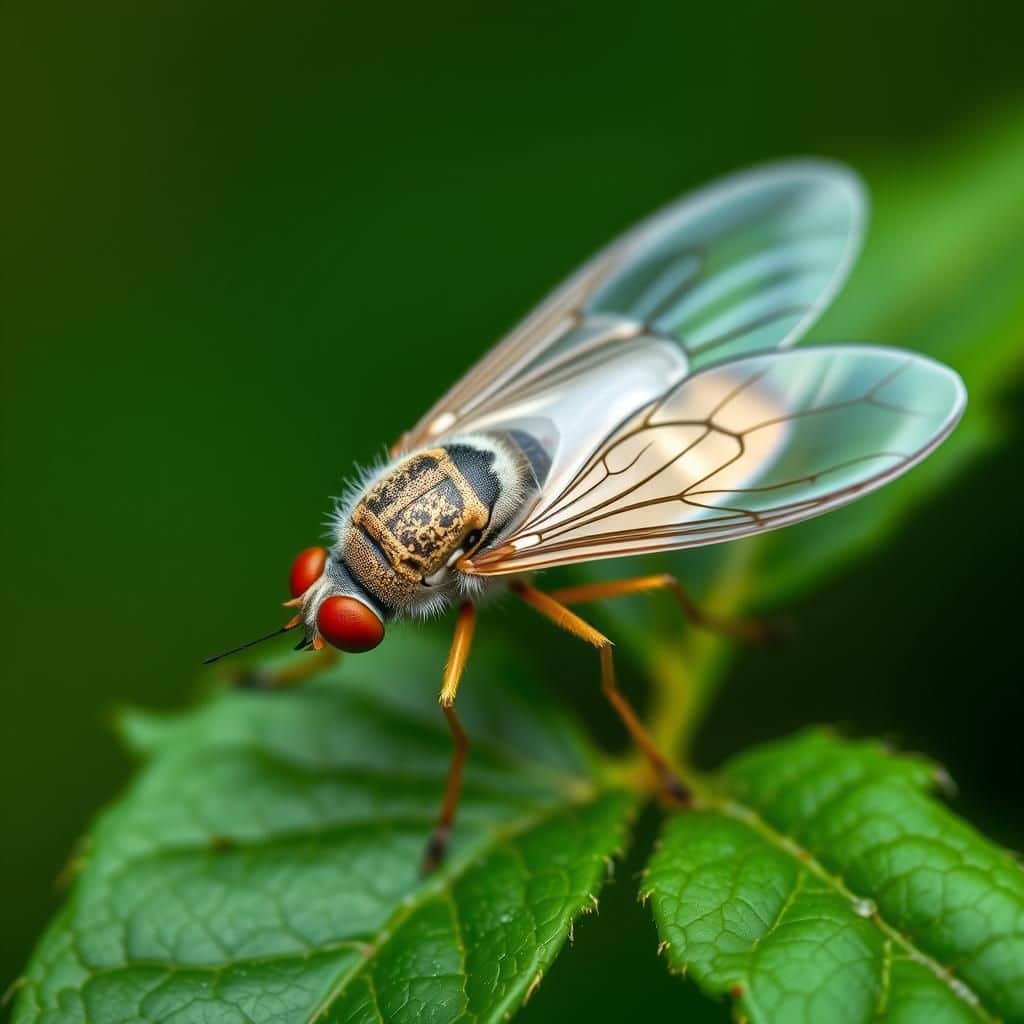
Whiteflies can be a persistent nuisance for gardeners, causing significant damage to a variety of plants. These tiny pests not only weaken plants by sucking their sap but also transmit diseases that can compromise garden health. Choosing the right insecticide is crucial for effectively managing whitefly populations while minimizing harm to beneficial insects and the environment. In this article, we will explore the best insecticides available for combatting whiteflies, highlighting top solutions that have proven effective. Whether you’re an experienced gardener or a novice, our guide offers insights to help you reclaim your garden from these troublesome pests.
What is the Best Insecticide for Whiteflies?
The best insecticide for combating whiteflies is one that targets their unique biology and life cycle effectively while posing minimal risk to beneficial insects. Products containing neonicotinoids, such as imidacloprid, are often recommended for their systemic action, allowing them to be absorbed by the plant and effectively kill whiteflies upon feeding. However, due to potential environmental impacts and the risk of resistance development, organic alternatives like insecticidal soaps or neem oil can also be effective. These work by suffocating the insects or disrupting their growth process, respectively. Ultimately, the best choice will depend on the specific circumstances of the infestation and the surrounding ecosystem.
Understanding Whiteflies
Whiteflies are small, winged insects belonging to the Aleyrodidae family, commonly found on a variety of plants. They feed by extracting sap from the leaves, which can lead to yellowing, wilting, and even death of the host plant. Moreover, whiteflies produce a sticky residue known as honeydew, promoting the growth of sooty mold and attracting other pests, making their management essential for maintaining healthy gardens and crops.
Types of Insecticides for Whiteflies
There are several types of insecticides available for whitefly control, including synthetic chemicals, biopesticides, and granular formulations. Among these, synthetic insecticides like pyrethroids offer quick knockdown effects, while biopesticides such as Bacillus thuringiensis and insect growth regulators (IGRs) provide longer-term control by disrupting the life cycle of whiteflies. It's crucial to select an insecticide that aligns with the extent of the infestation and the plant type being treated.
Organic Options for Whitefly Control
For those concerned about environmental impact, several organic options exist for controlling whiteflies. Insecticidal soap is a popular choice that works by suffocating the insects, while neem oil disrupts their life cycle and feeding habits. Other methods include releasing natural predators, such as ladybugs and lacewings, which can help to keep whitefly populations in check without chemical intervention.
Application Techniques for Maximum Effectiveness
Proper application techniques are vital for ensuring the effectiveness of any insecticide against whiteflies. It is essential to spray the undersides of leaves, where whiteflies typically congregate, ensuring thorough coverage. Applying insecticides during cooler times of the day can also mitigate evaporation and increase efficacy. Additionally, rotating different classes of insecticides can prevent resistance from developing over time.
See also:
Monitoring and Timing
Monitoring whitefly populations through regular inspections is crucial for effective management. Timing applications according to the life cycle stages of whiteflies, especially when they are young or in the egg stage, can significantly increase control measures. Regularly checking for signs of honeydew and sooty mold can also indicate the presence of these pests, prompting timely intervention.
| Insecticide Type | Active Ingredient | Mode of Action | Target Pests |
|---|---|---|---|
| Synthetic Chemicals | Imidacloprid | Systemic | Whiteflies, Aphids |
| Biopesticides | Bacillus thuringiensis | Biological Control | Whiteflies, Caterpillars |
| Organic Options | Neem Oil | Growth Disruption | Whiteflies, Spider Mites |
| Insecticidal Soap | Fatty Acids | Suffocation | Whiteflies, Aphids |
| Granular Formulations | Various | Soil Application | Soil-Borne Pests |
Will Dawn soap kill whiteflies?
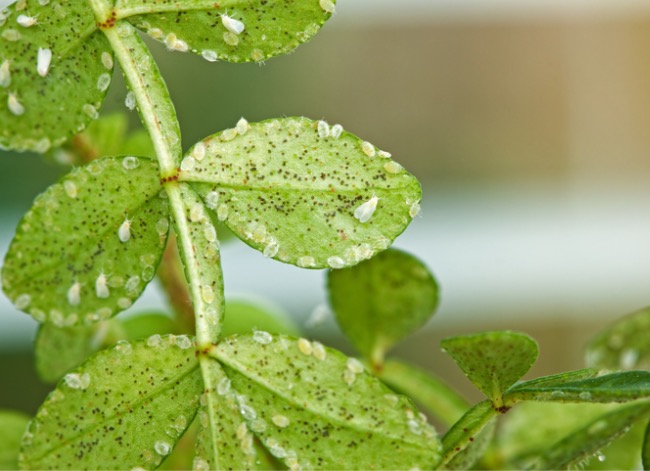
Dawn soap, a dishwashing liquid, is often suggested as a potential solution for managing pest problems, including the control of whiteflies. While it may not be a foolproof remedy, it can be effective due to its ability to disrupt the protective waxy layer on the insects’ bodies, leading to dehydration and ultimately death. The active ingredients in Dawn soap can suffocate whiteflies when sprayed directly, making it a helpful tool for home gardeners.
How Does Dawn Soap Affect Whiteflies?
Dawn soap works primarily through its surfactant properties, which reduce the surface tension of water. When mixed with water and applied to plants, the soap can penetrate the fine protective coatings that whiteflies use to shield themselves from environmental threats. This can result in the following effects:
- Destruction of Protective Barriers: The soap can break down the waxy layer, making them more vulnerable.
- Suffocation: When sprayed directly, the solution can block their breathing pores, leading to suffocation.
- Deterrence: The soap spray can act as a repellent, discouraging further infestations.
How to Use Dawn Soap for Whitefly Control?
To effectively use Dawn soap against whiteflies, it is essential to prepare a suitable mixture. Following proper guidelines ensures efficacy and safety. Here are the steps:
- Mixing: Combine 1-2 tablespoons of Dawn soap with a gallon of water.
- Application: Use a spray bottle or garden sprayer to apply directly onto the affected plants.
- Frequency: Reapply every 5-7 days or after rain to maintain effectiveness.
Considerations When Using Dawn Soap on Plants
While Dawn soap can be effective, some considerations must be taken into account to ensure plant health:
See also:
- Test First: Always test the solution on a small area of the plant before full application to avoid potential damage.
- Timing: Apply in cooler parts of the day to minimize plant stress and evaporation.
- Avoid Repeated Use: Excessive use can harm beneficial insects and disrupt the garden ecosystem.
Effectiveness Compared to Other Methods
Dawn soap can be part of an integrated pest management plan but may not always be the most effective method. Comparing it to other treatments can provide insight into its use:
- Insecticidal Soaps: Specialized insecticidal soaps may offer higher potency against whiteflies.
- Natural Predators: Introducing beneficial insects like ladybugs can provide long-term control.
- Chemical Insecticides: These can be more effective but may pose risks to the environment and non-target species.
Precautions and Side Effects
Using Dawn soap isn't without its drawbacks. Certain precautions must be adopted to safeguard plants and the environment:
- Plant Sensitivity: Some plants may be sensitive to soap sprays, showing leaf burn or discoloration.
- Frequency of Application: Frequent applications may disrupt beneficial insect populations.
- Environmental Impact: Overuse can lead to soap residues in the soil, potentially affecting soil health.
Questions from Our Readers
What is the best insecticide for whiteflies?
The best insecticide for whiteflies often includes neonicotinoids or insecticidal soaps. These substances effectively target the whiteflies while being less harmful to beneficial insects. Products containing imidacloprid or pyrethroids can also provide effective control.
How do I apply insecticide for whiteflies?
When applying insecticide for whiteflies, it's crucial to follow the manufacturer's instructions carefully. Ensure you spray the solution directly onto the affected plants, particularly the undersides of leaves where whiteflies tend to reside. Early morning or late evening applications can enhance effectiveness.
Are there organic options for controlling whiteflies?
Yes, there are several organic options for controlling whiteflies, including the use of neem oil and insecticidal soap. These methods are safer for the environment and non-target insects while still proving effective in managing whitefly populations.
How often should I treat plants for whiteflies?
It is recommended to treat plants for whiteflies every seven to fourteen days, depending on the severity of the infestation. Regular monitoring and diligent treatment can significantly reduce whitefly populations and prevent widespread damage to your plants.
See also:

If you want to read more articles like What is the Best Insecticide for Whiteflies: Top Solutions for Your Garden, we recommend you check out our Gardeners category.
Leave a Reply
Related Articles