The Ultimate Vegetable Planting Calendar South Australia: A Guide for Year-Round Gardening
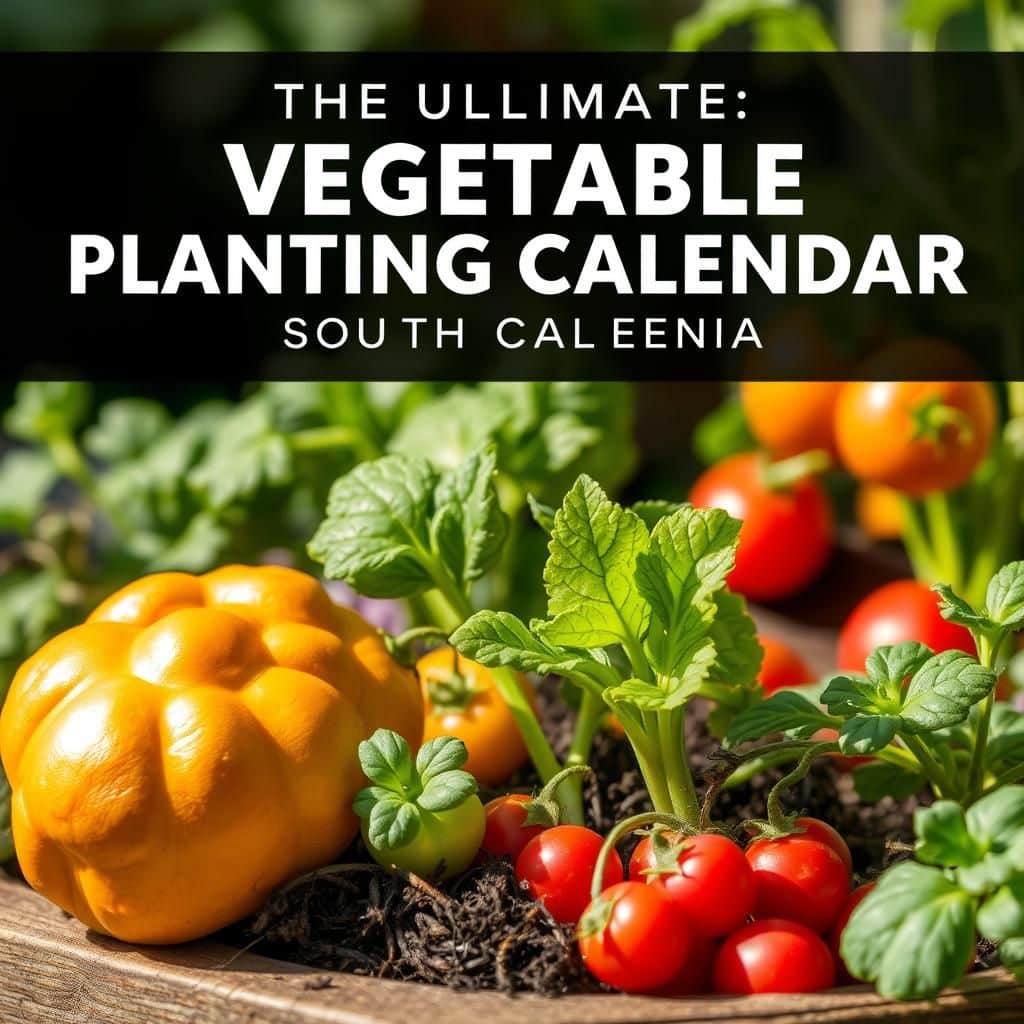
Gardening enthusiasts in South Australia can maximize their yields and enjoy a flourishing garden year-round by following a structured planting calendar. This guide serves as the ultimate resource for understanding the optimal times to sow, transplant, and harvest a variety of vegetables tailored to the unique climate and seasonal variations of the region. Whether you're a seasoned gardener or a beginner, this comprehensive planting calendar will help you make informed decisions, ensuring that your garden thrives throughout the year. Dive into the specific planting times and tips that will empower you to grow an abundant and diverse vegetable garden in South Australia.
Vegetable Planting Calendar for South Australia
In South Australia, knowing the optimal planting times for vegetables is crucial to achieving a productive garden. The medium-to-warm climate allows for a wide variety of crops to be planted throughout the year, with specific months recommended for different types of vegetables. To maximize growth potential, it’s essential to consider the seasonal variations, soil conditions, and the average temperature for the area. By following a structured planting calendar, gardeners can determine the best times to sow seeds, plant seedlings, and enjoy a bountiful harvest.
Best Time to Plant Cool-Season Vegetables
Cool-season vegetables thrive in the cooler months of the year, generally between March and September in South Australia. Crops such as lettuce, spinach, and peas are ideally planted during this period. The lower temperatures help prevent bolting, which occurs when plants flower prematurely due to heat stress. By timing their planting correctly, gardeners can ensure robust growth and a steady supply of fresh greens.
Ideal Planting Months for Warm-Season Vegetables
Warm-season vegetables should be planted after the last frost, usually around October to March in South Australia. Tomatoes, capsicums, and cucumbers are among the favorites during these months. These plants require warmer soil temperatures to germinate and grow properly, making it essential to wait until the weather is consistently warmer. Gardeners often use raised beds or soil heating mats to further enhance growing conditions.
Understanding Frost Dates in South Australia
Frost dates are critical for gardeners in South Australia, as they mark the transition between cool and warm seasons. The average last frost date typically falls in early October, while the first frost can occur as early as May. By being aware of these dates, gardeners can better plan their planting schedules and protect their crops from unexpected frost damage. Using row covers and frost blankets can provide extra protection for delicate plants.
See also:
Companion Planting Strategies
Companion planting is an effective strategy that can enhance vegetable growth and deter pests. For instance, planting basil alongside tomatoes can improve flavor and repel harmful insects. Similarly, carrots and onions can be planted close together to maximize space and minimize pest issues. Understanding which plants benefit each other can lead to a more productive garden and reduce reliance on chemical pesticides.
Table of Vegetables and Ideal Planting Seasons
| Vegetable | Best Planting Months |
|---|---|
| Carrots | March to April |
| Tomatoes | October to November |
| Lettuce | March to September |
| Peas | May to August |
| Cucumbers | November to February |
Understanding Seasonal Variations in South Australia for Optimal Vegetable Growth
In South Australia, seasonal variations play a crucial role in determining the ideal planting times for various vegetables. The state's diverse climate, ranging from coastal to arid regions, influences which vegetables thrive during specific months. A well-structured planting calendar takes into account these climatic nuances, allowing gardeners to optimize their yields year-round. By understanding factors such as frost dates, temperature fluctuations, and rainfall patterns, gardeners can make informed decisions on when to sow, transplant, and harvest their crops, ensuring healthier plants and more bountiful harvests.
Spring Planting Strategies for South Australia
Spring is a vibrant time for gardeners in South Australia, as it marks the beginning of the growing season. During this period, gardeners should focus on sowing cold-tolerant crops like peas, spinach, and lettuce. As the weather warms, transitioning to warm-season vegetables such as tomatoes and peppers is essential. Understanding the timing for direct sowing versus starting seeds indoors can greatly enhance the success rate of crops, ensuring that they are ready to flourish as conditions become more favorable.
Summer Vegetable Varieties to Cultivate
Summer offers an excellent opportunity to grow a wide variety of vegetables that thrive in warmer temperatures. Crucial choices include cucumbers, zucchinis, and beans, which all revel in the summer sun. Gardeners should prioritize proper irrigation practices, as heat can lead to water stress in plants. Regular monitoring of soil moisture and applying mulch can help retain water and keep the soil temperature consistent, allowing for optimal growth and fruit development.
Fall Gardening Tips for Sustaining Growth
As temperatures begin to cool in fall, gardeners can still enjoy a bountiful harvest by planting seasonal vegetables suitable for this time of year. Crops like radishes, kale, and brussels sprouts thrive in the crisp, cool air. It's essential to implement succession planting, ensuring a continuous supply of fresh produce. Covering plants with frost cloth can also protect them from unexpected cold snaps, helping to prolong the growing season while maximizing yield.
See also:
Winter Preparations for a Productive Garden
Winter gardening in South Australia might seem challenging, but with the right strategies, it can be a productive time. Gardeners should focus on preparation and maintenance of garden beds by adding organic matter to build healthy soil for early spring planting. Utilizing protective measures, such as cold frames or greenhouses, enables the cultivation of hardy vegetables like garlic and onions. Planning for the upcoming season during winter months can lead to significant advantages, ensuring that the garden is primed for the spring.
Year-Round Maintenance for Optimal Results
Effective year-round maintenance is crucial for sustaining a productive vegetable garden in South Australia. Regular weeding, mulching, and soil health assessments play significant roles in plant health. Additionally, implementing crop rotation and diversifying plant selections can help manage pests and diseases, leading to a more resilient garden overall. Gardeners should also stay informed about seasonal challenges, such as pest control during specific months, ensuring their gardening practices adapt to changing conditions throughout the year.
Questions from Our Readers
What is the ideal planting season for vegetables in South Australia?
The ideal planting season for vegetables in South Australia varies, but generally, spring is the best time for most crops. Vegetables like tomatoes, peppers, and cucumbers thrive when planted after the last frost, typically around September to November.
Which vegetables can be planted in winter in South Australia?
In South Australia, certain vegetables can be planted in winter, such as broccoli, cauliflower, and spinach. These vegetables prefer the cooler temperatures and can grow well in the frost-free months of May through August.
How can I access a vegetable planting calendar for South Australia?
You can access a vegetable planting calendar for South Australia through various resources such as local gardening clubs, government agricultural websites, or university extension programs. These calendars provide detailed schedules for planting based on the climatic conditions of specific regions.
See also:
What factors should I consider when planning my vegetable garden?
When planning your vegetable garden in South Australia, consider factors such as soil quality, sunlight, water availability, and seasonal temperatures. It's important to choose vegetables that are suitable for the specific climate and growing conditions in your area to ensure a successful harvest.

If you want to read more articles like The Ultimate Vegetable Planting Calendar South Australia: A Guide for Year-Round Gardening, we recommend you check out our Gardeners category.
Leave a Reply
Related Articles