When Does Passion Fruit Flower in Australia? A Guide to Timing and Tips for Growing Passion Fruit
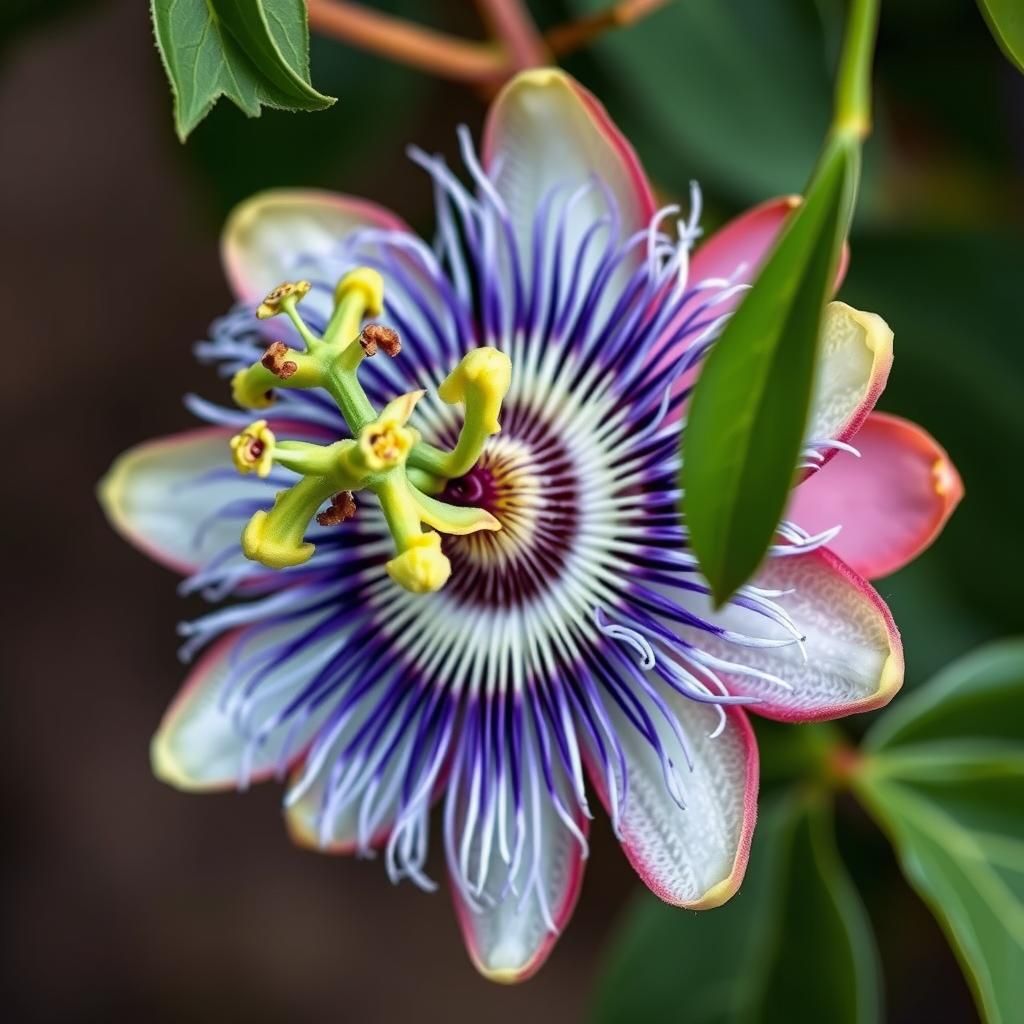
Passion fruit is a beloved tropical fruit known for its unique flavor and vibrant aroma. In Australia, understanding the blooming period of passion fruit is essential for successful cultivation. The timing of flowering plays a crucial role in fruit production, and with the right knowledge, gardeners can maximize their harvest. This guide will delve into when passion fruit flowers in various regions of Australia, providing valuable insights into the climatic conditions that influence its growth. Additionally, we will share practical tips for nurturing your passion fruit vine to ensure a bountiful and fruitful season.
When Does Passion Fruit Flower in Australia?
The flowering of passion fruit in Australia typically occurs during the warmer months, predominantly from September to April. However, the timing can vary based on the specific climate of the region and the cultivar being grown. In warmer zones like Queensland, passion fruit plants may begin flowering as early as August, while in cooler regions, such as parts of Victoria and Tasmania, the flowering may be delayed until October. The plants thrive in temperatures of 20°C to 25°C (68°F to 77°F), and proper care—including fertilization and adequate watering—can enhance the flowering process and subsequent fruit production.
Factors Influencing Flowering Time
Various factors can influence when passion fruit plants will flower, including temperature, day length, and humidity. Generally, passion fruit requires warm temperatures to stimulate flowering, with longer days contributing to the growing cycle. The presence of adequate moisture can also boost flowering, as stress due to drought can lead to delayed blooming. Understanding these factors is essential for growers to maximize their harvest.
Best Practices for Encouraging Flowering
To encourage a successful flowering period, it is crucial for growers to adopt best practices such as ensuring their plants receive the correct amount of sunlight and water. Regular pruning helps maintain plant health, remove dead or diseased foliage, and promote new growth, which can lead to an abundance of flowers. In addition, applying an appropriate fertilizer high in potassium can support the plant's flowering phase and enhance fruit yield.
Regional Varieties and Their Flowering Patterns
Different varieties of passion fruit may exhibit distinct flowering patterns based on their adaptability to specific regions. For instance, the Hawaiian variety may start flowering earlier in tropical climates, while purple and yellow varieties may follow their respective blooming timelines based on local climatic conditions. Understanding the unique characteristics of each cultivar can help growers plan their cultivation strategies effectively.
Impact of Seasonal Changes on Flowering
Seasonal changes play a significant role in determining flowering times for passion fruit crops. In Australia, the transition from winter to spring is crucial for initiating the flowering process. As temperatures rise and days become longer, the plant responds positively, leading to the development of buds and flowers. It is essential for growers to monitor these seasonal patterns to optimize growing conditions for their passion fruit plants.
Common Pests and Diseases During the Flowering Phase
During the flowering phase, passion fruit plants can be susceptible to various pests and diseases that may hinder their blooming potential. Common issues include caterpillars, aphids, and fungal infections that can adversely affect both flowers and fruit. Regular monitoring and the implementation of integrated pest management strategies can help protect the plants during this crucial time, ensuring a healthy flowering process and subsequent fruit production.
| Factor | Impact on Flowering |
|---|---|
| Temperature | Warm temperatures promote quicker flowering. |
| Day Length | Longer days encourage flowering and growth. |
| Humidity | Higher humidity supports healthy bloom development. |
| Soil Quality | Rich soil improves nutrient uptake, enhancing flowering. |
| Pest Management | Controlling pests ensures healthy flowering. |
What time of year does passion fruit flower?
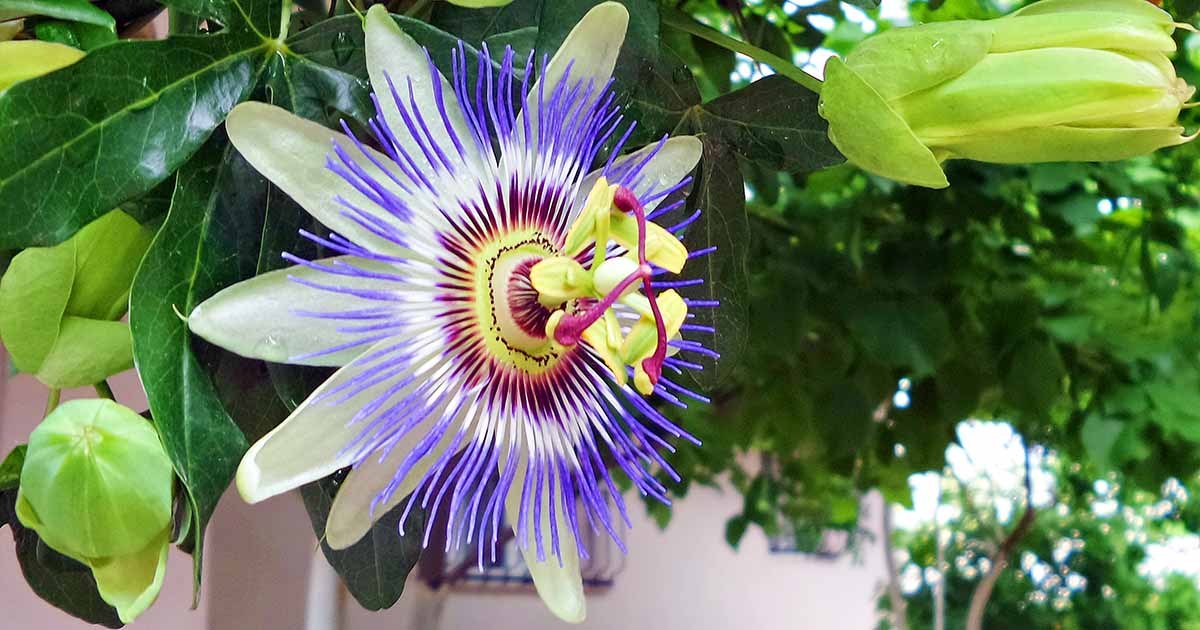
Passion fruit typically flowers during the growing season, which varies depending on the climate of the region where it is cultivated. In general, in tropical and subtropical climates, passion fruit vines can flower and produce fruit throughout the year, with peak production often occurring in spring and summer. In temperate regions, the flowering may be more concentrated in late spring to early summer, as these seasons provide the optimal conditions for pollination and fruit development.
Ideal Conditions for Flowering
Passion fruit plants thrive in specific conditions that promote flowering. These include factors such as:
See also:
- Temperature: Optimal temperatures for flowering are between 20°C to 30°C (68°F to 86°F).
- Humidity: High humidity levels facilitate the plant's growth and flowering process.
- Sunlight: Passion fruit requires full sun (at least 6 to 8 hours of sunlight daily) for vigorous growth.
Regional Variations in Flowering Time
The flowering period of passion fruit varies significantly based on geographical location:
- Tropical Regions: Continuous flowering throughout the year with spikes during warm months.
- Subtropical Regions: Peak flowering occurs mainly in the spring and summer months.
- Temperate Regions: Flush of flowers is mostly seen from late spring to summer.
Impact of Plant Care on Flowering
Proper plant care plays a crucial role in the timing of flowering:
- Fertilization: Using the right type and amount of fertilizer can promote healthy flowering.
- Pruning: Regularly pruning the vine can enhance air circulation and sunlight exposure, encouraging bloom development.
- Watering: Consistent watering is essential; however, overwatering can prevent flowering.
Pollination and Flowering Success
Pollination is critical for the success of passion fruit flowering. The specifics include:
- Pollinators: Bees and other insects are necessary for transferring pollen between flowers.
- Self-Pollination: While some varieties can self-pollinate, cross-pollination often results in better fruit set.
- Flower Structure: The unique structure of passion fruit flowers encourages effective pollination.
Challenges to Flowering
Several challenges might impede the flowering process:
- Pests and Diseases: Insects and fungal diseases can adversely affect flower formation.
- Environmental Stress: Extreme weather conditions like drought or frost can damage the plant and its flowers.
- Soil Quality: Poor soil conditions can lead to reduced flowering and overall plant health.
What month do passion fruits ripen in Australia?

In Australia, passion fruits typically ripen during the warmer months, primarily from January to March. These months provide the optimal conditions for the fruits to develop their distinctive flavors and vibrant colors. Specifically, in the southern regions, late summer into early autumn is when passion fruits become most abundant and ready for harvest. The fruit's ripening is influenced by factors such as temperature, humidity, and sunlight, ensuring their natural sweetness and aroma are fully developed by this period.
Growing Conditions for Passion Fruits in Australia
The expected success of passion fruit cultivation in Australia relies heavily on several growing conditions that must be met:
- Climate: Passion fruits thrive in warm, subtropical climates, which are prevalent in northern and eastern Australia.
- Soil type: Well-draining soils rich in organic matter promote healthy growth and fruiting.
- Sunlight: These plants require full sunlight for optimal flowering and fruiting, necessitating at least 6-8 hours of direct sun per day.
Varieties of Passion Fruits Grown in Australia
Australia is home to various passion fruit varieties, each with unique flavors and characteristics:
- Common Purple: Known for its rich, sweet-tart flavor and dark purple skin, this variety is widely cultivated in Australia.
- Golden Passion Fruit: Larger and yellow-skinned, this variety offers a sweeter flavor and is popular in juicing and desserts.
- Giant Granadilla: A less common variety that features a sweet and less acidic taste, ideal for fresh consumption.
Harvesting Tips for Passion Fruits
To ensure high-quality fruits, harvesting tips are crucial to follow when dealing with passion fruits:
- Timing: Harvest should occur once the fruits start to soften and change color for optimal taste.
- Technique: Use scissors or clippers to cut the stems, avoiding damage to the plant.
- Post-harvest management: Handle the fruits gently and store them in a cool area to prolong freshness.
The Nutritional Benefits of Passion Fruits
Passion fruits not only delight the palate but also offer several nutritional benefits:
See also:
- Rich in Vitamins: They are a great source of Vitamin C, which boosts the immune system.
- High in Fiber: The fruit contains significant amounts of dietary fiber, supporting digestion.
- Antioxidants: Passion fruits are rich in antioxidants, which may help in reducing inflammation and oxidative stress.
Culinary Uses of Passion Fruits
Passion fruits can be enjoyed in various culinary applications, adding a unique flavor profile:
- Fresh consumption: They can be eaten raw, scooped directly from the skin.
- In beverages: Often used in smoothies, cocktails, or juices for a tropical twist.
- In desserts: They serve as a flavor enhancer in cakes, mousses, and ice creams.
How long does it take for a passion fruit flower to fruit after?
The time it takes for a passion fruit flower to fruit can vary based on several factors, but generally, once the flower has been pollinated, the fruit will develop within 70 to 100 days. This timeline can be influenced by environmental conditions, the specific passion fruit species, and care practices. Proper conditions, such as temperature, humidity, and soil quality, play critical roles in how quickly the fruit matures.
Factors Affecting Fruit Development Time
The duration from flower to fruit can be affected by various environmental and biological factors:
- Temperature: Ideal temperatures promote faster growth. Too cold or too hot can slow development.
- Humidity: High humidity levels can aid in quicker pollination but excessive moisture can lead to rot.
- Soil Quality: Nutrient-rich soil supports better growth and hastens fruit maturation.
Pollination Process
Pollination is essential for the flower to transform into fruit, and it can occur through wind or insect activity:
- Self-Pollination: Many passion fruit varieties can self-pollinate but may benefit from additional insect activity.
- Cross-Pollination: This process can enhance fruit set and size, leading to quicker development.
- Pollinator Attraction: Promoting a habitat for bees can significantly increase the success rate of pollination.
Varieties of Passion Fruit
Different cultivars of passion fruit can have varying maturation times:
- Purple Passion Fruit: Generally takes about 70 to 80 days from flower to fruit.
- Yellow Passion Fruit: Matures a bit slower, often around 80 to 100 days.
- Giant Granadilla: This variety might take even longer, sometimes exceeding 100 days for fruit development.
Care Practices for Faster Fruit Production
Providing the right care can help reduce the time it takes for flowers to develop into fruit:
- Regular Watering: Maintaining moisture in the soil is crucial, especially during flowering.
- Nutrient Management: Using balanced fertilizers can enhance growth rates and fruit production.
- Pest Control: Protecting plants from pests ensures healthier flowers and helps in faster fruit development.
Signs of Ripening Passion Fruit
Once the fruit starts developing, it’s useful to identify when it’s nearing ripeness:
- Color Change: The fruit skin will transition from green to yellow or purple, depending on the variety.
- Wrinkling Skin: Over time, the skin may start to wrinkle, indicating ripeness.
- Fragrance: A sweet aroma will often develop as the fruit ripens, signaling it’s ready to harvest.
Questions from Our Readers
When does passion fruit typically flower in Australia?
The passion fruit vine usually begins to flower in Australia during the spring season, which is around September to November. This timing can vary slightly depending on the specific climate conditions of the region where the plant is grown.
Is there a specific time frame for passion fruit flowering?
Yes, the flowering period for passion fruit in Australia can span from spring to early summer, typically lasting from September to January. During this time, the plants produce aromatic flowers that can lead to the development of fruit.
See also:
What conditions are ideal for passion fruit flowering?
For optimal flowering, passion fruit requires warm temperatures, adequate sunlight, and well-draining soil. The ideal conditions can significantly influence the health of the plant and its ability to produce flowers and subsequently fruit.
Can passion fruit flower out of season?
While the primary flowering season is in spring, under the right conditions, such as mild temperatures and consistent moisture, passion fruit can occasionally flower out of season, especially in more temperate regions of Australia. However, such occurrences are less common.
If you want to read more articles like When Does Passion Fruit Flower in Australia? A Guide to Timing and Tips for Growing Passion Fruit, we recommend you check out our Seeds category.
Leave a Reply
Related Articles