Comprehensive Guide to Citrus Diseases with Pictures and Treatment: Identify, Prevent, and Cure Your Citrus Problems

Citrus trees are beloved for their vibrant fruits and fragrant blooms, but they are also susceptible to a variety of diseases that can threaten their health and productivity. Understanding these ailments is crucial for any gardener or citrus enthusiast. This comprehensive guide presents an overview of common citrus diseases, complete with detailed pictures to aid in identification. Additionally, we will explore effective prevention strategies and treatment options to help you maintain the vitality of your citrus plants. Whether you are a novice or an experienced grower, this resource will empower you to tackle citrus problems with confidence.
Citrus Diseases: Identification and Treatment
Citrus diseases pose a significant threat to the health and productivity of citrus trees worldwide. These diseases can result from various pathogens, including fungi, bacteria, and viruses, each manifesting unique symptoms that can be identified by observing the leaves, fruit, and overall tree structure. For effective management, it is essential to diagnose the specific disease accurately, often involving examination of visual signs such as leaf yellowing, fruit drop, or the presence of lesions. Treatment options vary widely, from cultural practices like crop rotation and sanitation to chemical applications of fungicides or insecticides. Regular monitoring and integrated pest management (IPM) strategies are crucial for mitigating the impact of these diseases on citrus production.
Common Citrus Diseases Overview
Many diseases affect citrus trees, with the most common ones including Citrus Greening, Citrus Canker, and Root Rot. Understanding the characteristics and symptoms of these diseases is vital for early detection and effective management. For instance, Citrus Greening, caused by a bacterium, generally leads to yellowing leaves and misshapen fruit. Identifying these symptoms early allows for timely intervention and treatment.
Symptoms of Citrus Diseases
Symptoms of citrus diseases can vary significantly depending on the pathogen involved. For example, Citrus Canker is characterized by the appearance of raised lesions on leaves, stems, and fruit, which can lead to defoliation and reduced yield. In contrast, Root Rot, often caused by pathogens like Phytophthora, manifests as yellowing leaves and wilting. Recognizing these symptoms promptly is crucial in minimizing losses and implementing appropriate treatment protocols.
Photos for Identification
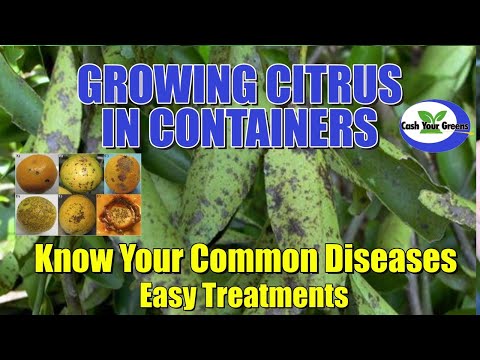
Visual identification is a powerful tool in diagnosing citrus diseases. High-quality photos of affected trees can aid growers and farmers in recognizing symptoms. For example, images showing the characteristic lesions of Citrus Canker or the mottling caused by Citrus Greening can be referenced to confirm suspicions. These resources greatly enhance the accuracy of disease identification and facilitate quicker responses to outbreaks.
See also:
Treatment Options
Managing citrus diseases generally requires a combination of strategies tailored to the specific pathogen. Chemical treatments may involve the application of fungicides or bactericides based on the disease present. Additionally, cultural practices such as removing infected plant material, improving irrigation practices, and ensuring proper soil health can significantly reduce disease incidence. Adopting these integrated approaches is essential for effective disease management in citrus orchards.
Prevention Strategies
Preventing citrus diseases is often more effective than treatment after an outbreak has occurred. Implementing practices such as crop rotation, maintaining proper tree spacing for airflow, and using disease-resistant rootstock can help mitigate the risks. Regular monitoring for pests, along with sanitation measures like removing weeds and debris, further supports a disease-free environment for citrus cultivation. Ensuring trees are healthy and well-maintained will reduce susceptibility to various diseases.
| Disease Name | Symptoms | Recommended Treatment |
|---|---|---|
| Citrus Greening | Yellowing leaves, small or misshapen fruit | Cultural practices, insect control |
| Citrus Canker | Lesions on leaves and fruit, defoliation | Fungicide application, sanitation |
| Root Rot | Wilting, yellowing leaves | Improve drainage, fungicide treatments |
Essential Prevention Strategies for Citrus Diseases
When it comes to caring for citrus plants, an effective prevention strategy is essential to reduce the risk of diseases. This includes regular monitoring of trees for early signs of infection, maintaining proper aeration and drainage in the soil, and ensuring the trees receive adequate nutrients through organic fertilizers. Implementing crop rotation can also minimize the buildup of pathogens in the soil. Additionally, choosing disease-resistant varieties of citrus can significantly enhance the overall health of the plants. Regular inspections and prompt removal of any affected parts can keep your orchard healthy and productive.
Common Citrus Diseases and Their Symptoms
Understanding the common diseases that affect citrus plants is critical for early detection. Some prevalent issues include citrus greening, characterized by yellowing leaves and bitter fruit, and citrus canker, which leads to lesions on leaves and fruit. Symptoms such as wilting, stunted growth, and excessive leaf drop may indicate other diseases like Phytophthora root rot. Early recognition of these symptoms is key to preventing further spread and protecting the overall health of your citrus trees.
Effective Treatment Options for Citrus Diseases
When a disease is identified, implementing effective treatment options is crucial for recovery. Treatments may include the use of fungicides or insecticides specifically formulated for citrus plants, which help manage root rot and pest infestations. In some cases, removing affected branches or entire trees may be necessary to limit disease spread. Additionally, applying antibiotics may help address bacterial infections like citrus canker, while maintaining proper care practices will support the tree's overall recovery process.
See also:
Preventative Measures for Citrus Health
Prevention is always better than cure when it comes to citrus diseases. Implementing a comprehensive care regimen is critical, including proper pruning techniques to enhance air circulation and sunlight penetration. Avoiding overcrowding and ensuring that water does not collect around the roots help reduce the risk of soil-borne diseases. Regular applications of nutrient-rich fertilizers can also promote strong, healthy growth that can naturally resist diseases. Finally, maintaining clean equipment and using disease-free planting materials will further safeguard your citrus groves.
Identifying Pest Issues in Citrus Cultivation
Pests are often a significant contributor to citrus diseases, making their identification paramount. Common pests such as aphids, scale insects, and whiteflies can weaken plants and predispose them to disease. Close monitoring for signs of infestation, such as discolored leaves or sticky residue, is essential for prompt management. Employing integrated pest management strategies like using beneficial predators or organic insecticides can help control pests effectively, thus ensuring the health of citrus plants and minimizing disease risks.
The Role of Soil Health in Citrus Disease Prevention
The health of the soil plays a vital role in preventing citrus diseases. Healthy soil promotes robust root systems, which are essential for nutrient and water uptake. Conducting regular soil tests can help determine the nutritional deficiencies or pH imbalances that might affect plant health. Adding organic matter, such as compost, can improve soil structure, promote beneficial microbial activity, and enhance the soil's overall fertility. Moreover, practicing good soil conservation techniques, such as cover cropping and mulch application, can help prevent erosion and maintain a vibrant growth environment for citrus trees.
Questions from Our Readers
What are the common citrus diseases?
Citrus trees are susceptible to a variety of diseases, including citrus canker, greening disease (HLB), and root rot. Each disease has distinct symptoms, such as leaf spots for citrus canker and yellowing leaves for greening disease. Early identification is crucial for effective management and treatment.
How can I recognize citrus diseases from pictures?
Recognizing citrus diseases can be aided by visual references; it's important to analyze photos that showcase symptoms like leaf discoloration, fruit blemishes, or branch dieback. By comparing your citrus trees to these images, you can identify potential issues more easily and determine the appropriate course of action.
See also:
What treatments are available for citrus diseases?
Treatment options vary depending on the disease; for instance, citrus canker can be managed by removing infected leaves and applying fungicides, while greening disease requires more integrated approaches, including multifaceted management strategies. Consulting with an agricultural expert is advisable for tailored solutions.
Can I prevent citrus diseases?
Prevention of citrus diseases is achievable through proper cultural practices, such as maintaining soil health, ensuring proper drainage, and selecting disease-resistant varieties. Regular monitoring and prompt removal of infected plants can also significantly reduce the risk of diseases affecting your citrus grove.
If you want to read more articles like Comprehensive Guide to Citrus Diseases with Pictures and Treatment: Identify, Prevent, and Cure Your Citrus Problems, we recommend you check out our Gardeners category.
Leave a Reply
Related Articles