What Type of Salt is Best for Killing Weeds? Discover Effective Solutions for Your Garden
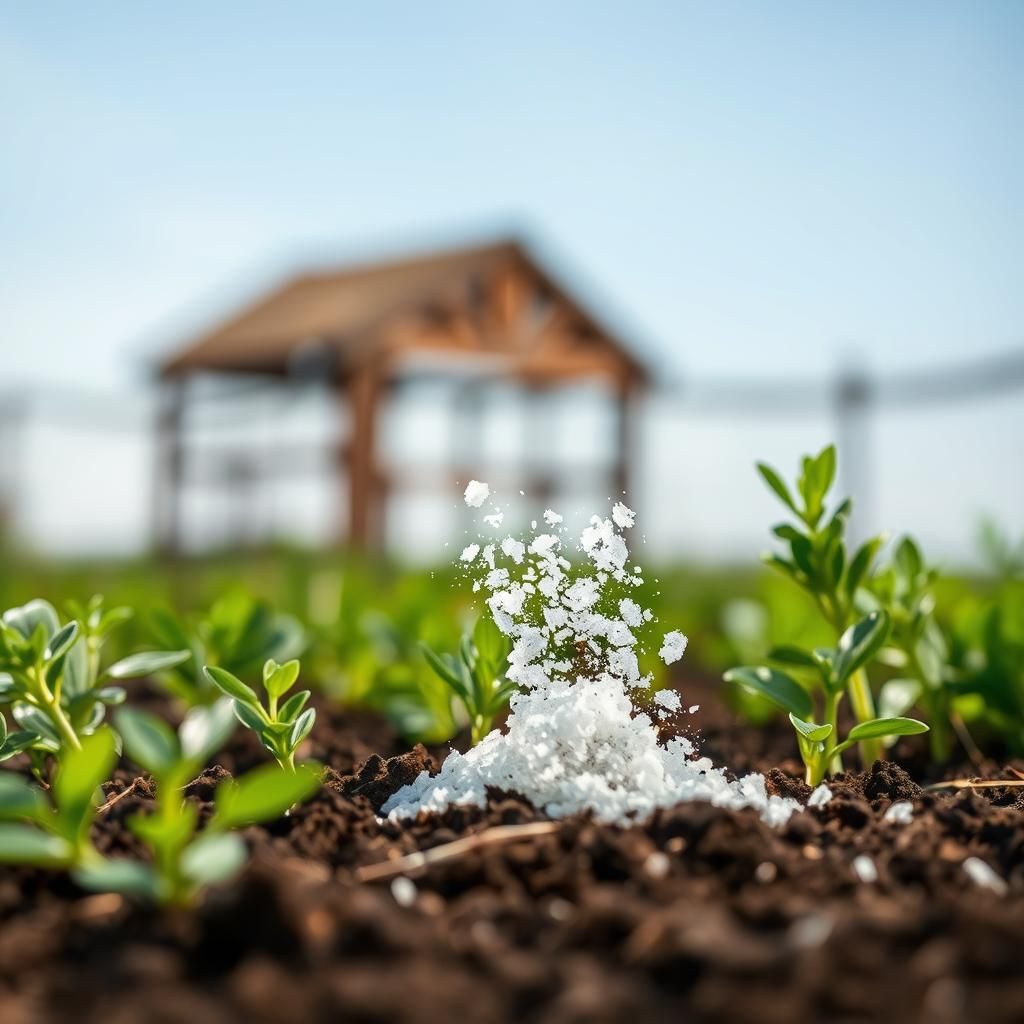
Weeds can be a persistent challenge for gardeners, competing for nutrients and water in our beloved green spaces. While traditional methods of weed control often involve synthetic herbicides, many are turning to more natural solutions. Among these, salt has emerged as an effective and accessible option. But with various types available, the question arises: which salt is best for killing weeds? This article delves into the effectiveness of different salts, their application methods, and safety considerations, paving the way for a healthier garden while minimizing environmental impact. Discover the ideal salt solution for your weed woes.
What Type of Salt is Most Effective for Killing Weeds?
When it comes to killing weeds, using salt can be a highly effective method, but not all types of salt are equally beneficial. Table salt (sodium chloride) is the most commonly used type due to its availability and effectiveness in dehydrating plants. However, alternatives like Epsom salt (magnesium sulfate) and rock salt can also be used depending on the specific weed type and location. It's important to apply salt carefully, as it can harm beneficial plants and soil health if not used judiciously. Ideally, salt should be used in areas where you do not want any vegetation to grow, making it a selective but powerful tool in weed control.
Why Use Salt for Weed Control?
Salt acts as a desiccant, drawing moisture out of weed cells, ultimately leading to their death. It is particularly effective on annual weeds and some perennial weeds when applied directly to their foliage. Salt can alter the ionic balance within the plant, disrupting essential cellular functions and causing irreversible damage. Its efficiency lies in its ability to target unwanted vegetation while being relatively easy to apply at low costs compared to commercial herbicides.
Types of Salt Commonly Used for Weeds
The most common types of salt used for weed control include table salt, Epsom salt, and rock salt. Table salt is suitable for general weed killing, while Epsom salt contains magnesium that can improve soil health in small amounts but may also help kill certain weeds. Rock salt is often used for its high sodium content, making it effective against hard-to-kill species. Each salt has specific strengths and risks, therefore understanding their characteristics helps in deciding the right type for a particular situation.
Risks of Using Salt Against Weeds
While salt can effectively kill weeds, there are significant risks associated with its use. Excessive application can lead to soil salinity, which can hinder the growth of desirable plants. It can also contaminate water sources through runoff, affecting aquatic ecosystems. Furthermore, salts can remain in the soil for long periods, leading to persistently adverse impacts on soil health. Caution is essential when using salt to ensure it does not create more problems than it solves.
See also:
How to Apply Salt for Best Results
To maximize the effectiveness of salt in killing weeds, it is crucial to apply it correctly. Selective application is key; using a spray bottle or a targeted applicator can help direct salt to unwanted plants while minimizing exposure to surrounding vegetation. It’s advisable to use salt on dry days, allowing the substance to remain on the leaves for a prolonged period to maximize its sapping effects. Watering should be avoided immediately after application to ensure the salt has time to penetrate the weeds.
Alternatives to Salt for Weed Management
If you’re concerned about the negative impacts of using salt, there are various alternatives for managing weeds. Vinegar, for example, has acetic acid that can also dehydrate and kill weeds with higher concentrations being more effective. Corn gluten meal is another herbal option that can prevent weed seeds from germinating. Mulching and hand-pulling can provide environmentally friendly options for those looking to avoid chemical solutions or heavy salt application.
| Type of Salt | Main Component | Effectiveness | Risks |
|---|---|---|---|
| Table Salt | Sodium Chloride | High | Soil Salinity |
| Epsom Salt | Magnesium Sulfate | Moderate | Soil Imbalance |
| Rock Salt | Sodium Chloride | High | Environmental Contamination |
Understanding the Effectiveness of Different Salts in Weed Control
When it comes to killing weeds, not all salts are created equal. Common types such as table salt, rock salt, and Epsom salt each have varying effects on plant life. Table salt, or sodium chloride, is a popular choice due to its availability and effectiveness in dehydrating unwanted plants. However, caution is advised as it can also harm surrounding soil and beneficial plants. Rock salt, on the other hand, contains impurities that can add other minerals to the soil but may also create a hazardous environment for plants. Epsom salt, which contains magnesium sulfate, is often praised for its ability to nourish plants but is less effective as a herbicide. Thus, understanding the right type of salt is crucial for effective and safe weed management in your garden.
Table Salt: Pros and Cons
Table salt, or sodium chloride, is widely used for killing weeds because of its potency and ease of access. It works by drawing moisture out of the plant cells, leading to dehydration and eventual death. However, one must be careful when using it, as excess sodium can negatively impact soil health and potentially kill desirable plants nearby. It’s essential to apply it selectively and in controlled quantities to target problematic areas without causing harm to your garden's ecosystem.
Rock Salt: Uses in Gardening
Rock salt, which consists of natural minerals and is less refined than table salt, can also be an option for weed control. It functions similarly by dehydrating the weeds; however, its impurities may introduce various minerals back into the soil that can influence the overall soil structure. While effective, its application should be measured as it can lead to salinity issues that harm overall soil productivity.
See also:
Epsom Salt: A Dual Purpose Solution
Epsom salt is known more for its benefits to plant growth rather than weed control; it supplies magnesium and sulfur, which are essential for plant health. While it has some herbicidal properties, it is significantly less effective at killing weeds compared to other salts. Gardeners seeking a natural and non-invasive way to manage weeds might consider using Epsom salt in combination with other methods to promote plant vitality and minimize weed competition simultaneously.
Alternatives to Salts for Weed Management
While salts can be effective, there are numerous alternatives for weed management that may pose less risk to the garden’s ecosystem. Mulching, for instance, can prevent weed growth by blocking light, and organic herbicides can selectively target unwanted plants without harming the surrounding flora. Other mechanical methods, such as hand pulling or using a hoe, can also be effective in maintaining a weed-free garden without the potential side effects associated with salt application.
Precautions When Using Salts
When using any type of salt as a herbicide, it’s crucial to adhere to specific precautions to avoid unintended consequences. Over-application can lead to increased salinity in the soil, which can hinder future plant growth and fertility. It's essential to apply salt on dry days, avoiding rain and wind that could spread salt to unintended areas. Always consider the long-term health of your garden's soil and ecosystems before using salt-based solutions for weed control.
Questions from Our Readers
What type of salt is best for killing weeds?
The best type of salt for killing weeds is table salt or rock salt, as they contain high levels of sodium chloride. When used in proper proportions, they can effectively dehydrate the weeds, leading to their death.
Is Epsom salt effective against weeds?
While Epsom salt contains magnesium sulfate, it is not typically used for killing weeds. It can provide nutrients for plants, but it lacks the high sodium content necessary to effectively kill unwanted vegetation.
See also:
How should salt be applied to weeds?
To effectively apply salt to weeds, mix salt with water in a spray bottle or a garden sprayer. Ensure to use a concentrated solution for better results, and apply it directly onto the leaves and stems of the weeds, avoiding desirable plants to prevent damage.
Are there any risks to using salt for weed control?
Yes, using salt for weed control can pose various risks, including soil salinity build-up, which can affect future plant growth and soil health. It's important to use it judiciously and consider the potential long-term effects on the ecosystem.

If you want to read more articles like What Type of Salt is Best for Killing Weeds? Discover Effective Solutions for Your Garden, we recommend you check out our Weeds category.
Leave a Reply
Related Articles