Can I Use Potting Soil in My Outside Garden? Expert Tips and Insights
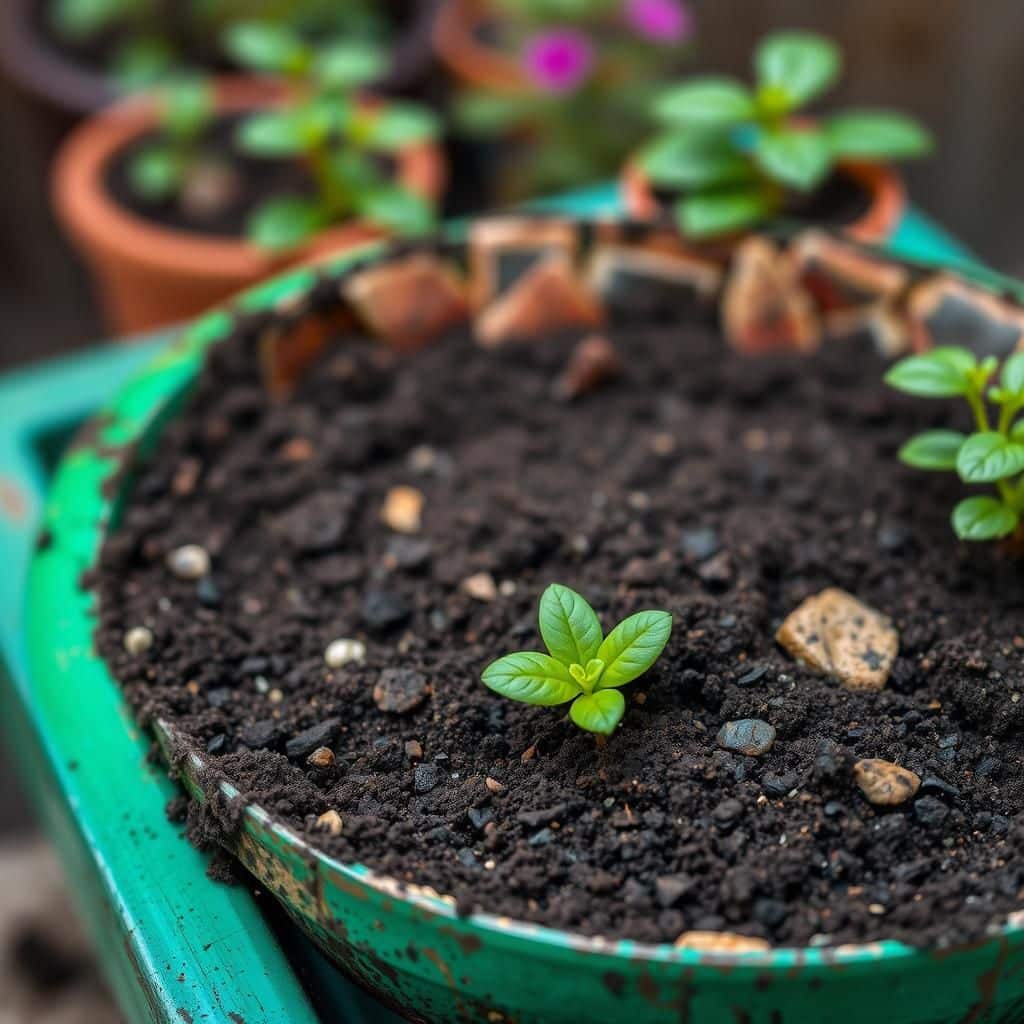
When it comes to gardening, the choice of soil can make a significant difference in the health and productivity of your plants. Many gardeners wonder if potting soil, typically used for indoor plants, can be effectively utilized in outdoor gardens. This article delves into the compatibility of potting soil with outdoor gardening practices, examining its benefits and potential drawbacks. We'll share expert tips and insights to help you decide if potting soil is a suitable option for your garden, ensuring that your plants thrive in their outdoor environment. Read on to explore the best practices for incorporating potting soil into your gardening routine.
Can I Use Potting Soil in My Outside Garden?
Using potting soil in your outside garden can be beneficial, but it's essential to understand its properties and intended use. Potting soil is specially formulated for container gardening, with a blend of ingredients like peat moss, vermiculite, and perlite, which promote excellent drainage and aeration. However, when used in an outdoor garden, potting soil may not provide the necessary nutrients and structure that natural garden soil does. It can dry out quickly and may not retain moisture as effectively as garden soil. While it is fine to mix potting soil into your existing garden soil for certain plants, relying solely on potting soil in an outdoor setting could lead to suboptimal growth and vitality in your garden.
What is Potting Soil Made Of?
Potting soil is composed of a mixture of organic and inorganic materials, primarily peat moss, coconut coir, perlite, and vermiculate. These components are chosen for their beneficial properties, which help retain moisture and provide aeration to plant roots. The specific formulation can vary by brand, and some potting soils may also include fertilizers or additives designed to support a variety of plant types, making them ideal for container gardening but less effective for direct use in outdoor soil.
Benefits of Using Potting Soil
The main benefits of potting soil include better drainage, improved aeration, and a lighter texture that allows for easier root penetration. Its formulation is designed to provide a stable environment for plants in containers, ensuring that they receive the appropriate moisture and support as they grow. When incorporated into an outdoor garden soil mix, potting soil can enhance the physical properties of the soil, making it more suitable for certain plants or improving overall soil quality.
Differences Between Potting Soil and Garden Soil
Potting soil is generally lighter and aged while garden soil contains natural microorganisms and soil structure conducive to supporting various outdoor plants. Garden soil is typically more nutrient-rich due to the presence of organic matter, while potting soil is engineered to maximize drainage and support potted plants. Understanding these differences is crucial when considering the application of potting soil in your outdoor garden, ensuring you match the right soil type to the specific needs of your plants.
See also:
When to Use Potting Soil in an Outdoor Garden
Potting soil can be beneficial in outdoor gardens during specific circumstances, such as when planting potted plants, tree seedlings, or vegetable transplants. Mixing potting soil with garden soil in raised beds or planting areas can help improve drainage and aeration, especially in compacted or heavy soils. It is also useful when starting new plants from seeds, as the light texture and nutrient makeup are ideal for seed germination and young plant growth.
Potential Downsides of Using Potting Soil Outdoors
While using potting soil outdoors can offer certain advantages, there are potential downsides to consider. One major issue is its tendency to dry out quickly, which can lead to inadequate moisture for plants, especially in hot or windy conditions. Additionally, potting soil may not provide the diverse nutrients found in natural garden soil, which can result in poor plant growth if used as a sole medium. Regular amendments and monitoring of moisture levels may be necessary to ensure successful outdoor gardening when using potting soil.
| Aspect | Potting Soil | Garden Soil |
|---|---|---|
| Composition | Lightweight organic mix | Natural soil with organic matter |
| Drainage | Excellent drainage | Varies based on soil type |
| Nutritional Content | Limited nutrients | Rich in nutrients |
| Best Use | Container gardening | Outdoor beds and gardens |
| Moisture Retention | Dries out quickly | Varies, generally better retention |
Understanding the Differences Between Potting Soil and Garden Soil
When considering the use of potting soil in your outside garden, it's essential to understand the key differences between potting soil and traditional garden soil. Potting soil is typically formulated with a mix of organic materials, such as peat moss, vermiculite, and perlite, designed to provide excellent drainage and aeration for container plants. In contrast, garden soil is generally denser and may contain more nutrients and microorganisms that benefit larger garden plants. Therefore, while you may use potting soil in garden beds for specific purposes, such as improving soil structure or creating a planting mix, it's crucial to consider the plant types and their specific nutritional needs before making your decision.
Benefits of Using Potting Soil in Outdoor Gardens
Using potting soil in outdoor gardens can offer several benefits, especially in certain planting scenarios. Its well-draining properties are excellent for promoting root growth and preventing root rot, particularly in moist or heavy clay soils. Additionally, potting soil is often sterilized, which can minimize the risk of introducing pests or diseases into your garden. Its lightweight composition makes it an ideal option for raised beds or container gardens where you want to avoid soil compaction.
Potential Drawbacks of Potting Soil
Despite its advantages, there are also potential drawbacks to using potting soil in outdoor gardens. For one, potting soil can be more costly than traditional garden soil, especially when large quantities are needed. Additionally, its high organic matter content can break down more quickly than garden soil, possibly leading to nutrient depletion over time. Garden plants, particularly those that are established, may require a more stable environment and consistent soil ecosystem that potting soil alone cannot provide.
See also:
The Best Plant Types for Potting Soil
When selecting plants for use with potting soil in your outdoor garden, consider annuals, perennials, and vegetables that thrive in lightweight and well-draining substrates. Container plants such as herbs, tomatoes, and peppers can benefit significantly from potting soil due to its rich organic content and ability to retain moisture while preventing overwatering. However, heavy feeder plants may still require additional nutrient inputs, so a well-rounded approach should be taken when planning your garden layout.
Mixing Potting Soil with Garden Soil
A common practice to optimize the benefits of both substrates is mixing potting soil with garden soil. This blend can enhance drainage while maintaining the necessary nutrients from garden soil to support healthy plant growth. Typically, a ratio of 1:1 or 1:2 (potting soil to garden soil) can create a balanced medium that retains moisture without becoming too compact or tight. This approach can be beneficial in creating an optimal environment for both seedlings and transplants.
When to Avoid Using Potting Soil in Outdoor Gardens
In certain situations, it’s best to avoid using potting soil in your outdoor garden altogether. If you are planting perennials or shrubs that require more stability and lower moisture levels than potting soil can provide, traditional garden soil may be a better option. Additionally, if your planting area is prone to flooding, using potting soil can exacerbate drainage issues rather than alleviate them. Understanding the specific needs of your plants will help you decide on the best soil strategy for your garden.
Questions from Our Readers
Can I use potting soil in my outside garden?
Yes, you can use potting soil in your outside garden, but it's important to understand its differences from garden soil. Potting soil is designed for container plants and often contains additives that help with drainage and aeration, making it less suitable for the diverse needs of garden beds. However, it can be beneficial when mixed with native soil or used for specific plants that require better drainage.
What are the advantages of using potting soil in outdoor gardens?
Using potting soil in outdoor gardens can provide improved drainage and a better nutrient profile for certain plants. It is particularly useful for starting seedlings or in raised beds where soil quality may be poor. Additionally, it often contains organic matter which can enhance soil fertility.
See also:
Are there any downsides to using potting soil in my garden?
One of the main downsides is that potting soil can lack the necessary microorganisms and nutrients found in garden soil, which are crucial for overall soil health. Over time, potting soil can break down and compact, leading to poor aeration and water retention. Therefore, it is advisable to use it cautiously and not as a complete substitute for garden soil.
How should I incorporate potting soil into my outdoor garden?
To effectively incorporate potting soil into your outdoor garden, consider mixing it with existing soil to balance drainage and nutrients. A common approach is to combine equal parts of potting soil, garden soil, and compost to create a well-rounded medium that supports plant growth while utilizing the benefits of each type of soil.

If you want to read more articles like Can I Use Potting Soil in My Outside Garden? Expert Tips and Insights, we recommend you check out our Soil category.
Leave a Reply
Related Articles