Do You Take a Cutting Above or Below a Node? Tips for Successful Plant Propagation
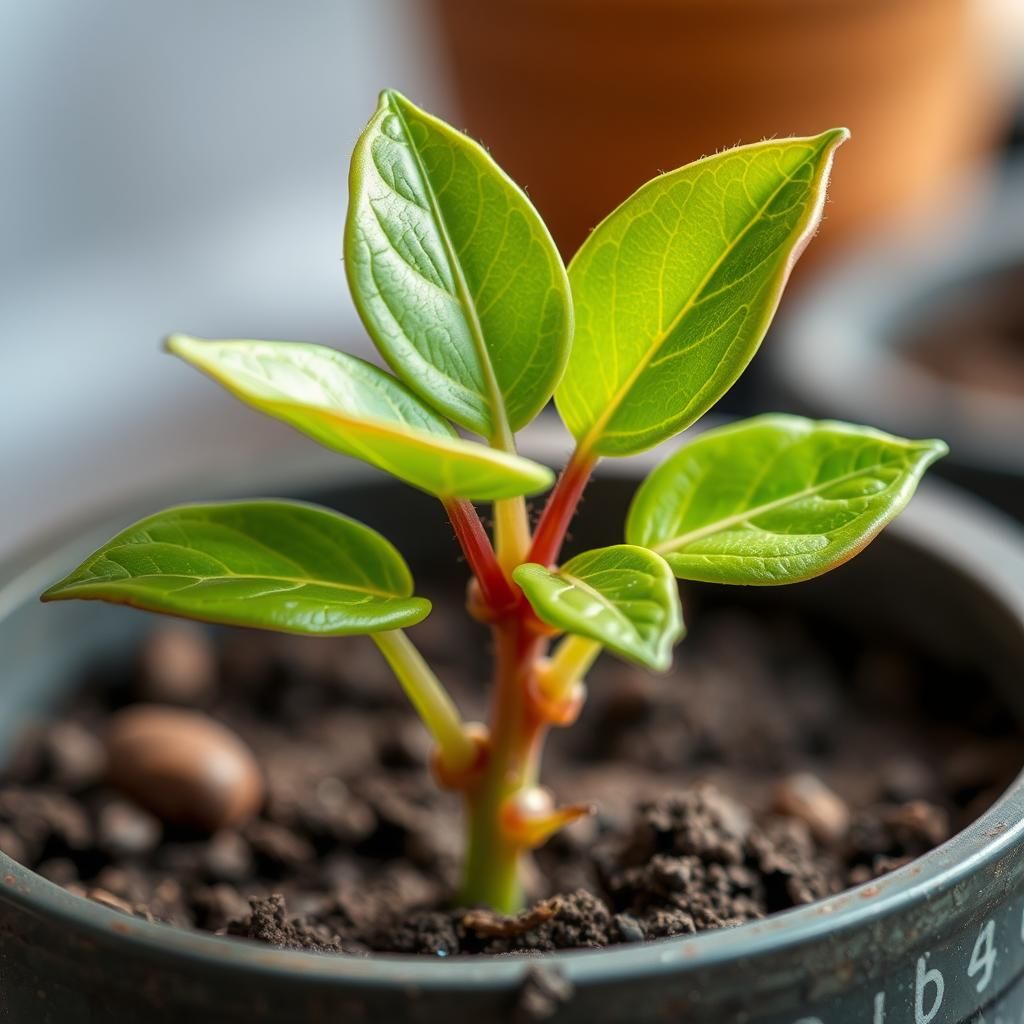
When it comes to plant propagation, one of the most crucial decisions involves where to take your cutting: above or below a node. Understanding the significance of this choice can greatly influence your success in growing new plants. Nodes are the critical points on a stem from which leaves, roots, and branches emerge, making them vital for regeneration. In this article, we'll explore the best practices for taking cuttings, the importance of node placement, and practical tips to ensure your propagation efforts yield healthy, thriving plants. Whether you’re a novice or a seasoned gardener, mastering this technique will enhance your propagation success.
Do You Take a Cutting Above or Below a Node?
When it comes to propagating plants through cuttings, one critical question arises: Do you take a cutting above or below a node? The answer is that cuttings should be taken just below a node, as this is where the plant's growth hormones are concentrated, facilitating the development of new roots. The node is a small bump or protrusion on the stem where leaves or branches emerge, and it contains vascular tissue that can help regenerate the plant. By cutting just below the node, you maximize the chance of successful growth and ensure the new plant will thrive.
Understanding Nodes in Plant Biology
Nodes are vital points on a plant's stem that serve as the foundation for new growth, as they are the locations from which leaves, branches, and flowers emerge. Each node contains meristematic tissue, which is responsible for the plant's growth and development. Knowing the structure of nodes helps gardeners understand how plants propagate and why cuttings made just below these points are more likely to develop successfully.
The Best Techniques for Taking Cuttings
Taking cuttings requires careful technique to ensure the health of both the cutting and the parent plant. One effective method is to use sterile shears to make a clean cut just below the node, minimizing damage to the plant tissue. After cutting, it's advisable to remove excess leaves, allowing the cutting to focus its energy on growing roots rather than sustaining superfluous foliage. This method increases the likelihood of successful propagation.
The Role of Auxins in Root Development
Auxins are a type of plant hormone produced at the nodes and play a crucial role in the development of roots. When a cutting is taken just below a node, the presence of auxins will promote the formation of new roots as it signals the plant tissue to start developing traveling tubes for nutrient absorption. Understanding auxin's role can enhance propagation techniques and improve success rates with cuttings.
Common Mistakes in Taking Cuttings
One of the most frequent mistakes made when taking cuttings is cutting too far away from the node or too close to it. If the cut is made too high, the cutting may lack the necessary growth hormones for rooting. Conversely, cutting too close to the node can damage it and potentially hinder the cutting's growth. Recognizing the ideal position for cutting is essential for anyone looking to propagate plants effectively.
Best Plants for Cutting Propagation
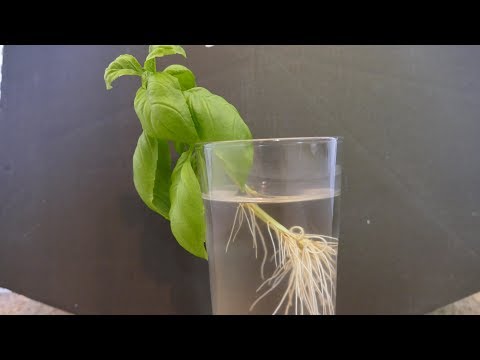
Not all plants are equally suited for propagation through cuttings. Some of the best candidates include herbs such as basil and mint, as well as houseplants like pothos and spider plants. These plants root easily when cuttings are made just below the node, creating a higher chance for success. Identifying which plants propagate well through cuttings can help gardeners achieve a thriving garden.
| Plant Type | Ideal Cutting Location | Rooting Time |
|---|---|---|
| Basil | Below the node | 1-2 weeks |
| Pothos | Below the node | 2-4 weeks |
| Spider Plant | Below the node | 2-3 weeks |
| Mint | Below the node | 1-2 weeks |
| Succulents | Above the node | 2-3 weeks |
Do I cut below or above the node?

To effectively determine whether to cut below or above the node, it is essential to understand the purpose and the context of the cut. Generally, when propagating plants, the common practice is to cut below the node. This approach helps ensure that the cutting has a higher likelihood of developing roots. Here’s a detailed breakdown of the topic.
Understanding Plant Nodes
The node is a critical part of a plant's anatomy, serving as the growth point from which leaves and branches emerge. Recognizing its significance can influence your cutting practices:
- Roots Development: Nodes contain the necessary cells for root formation, making them essential for successful propagation.
- Leaf Growth: Cutting above the node may not stimulate new roots effectively, stunting the plant's growth.
- Energy Distribution: Cutting below allows the plant cutting to redirect energy to root development.
When to Cut Below the Node
Cutting below the node is typically the preferred method in several scenarios, especially in propagation:
- Stem Cuttings: For soft-stemmed plants, such as houseplants, cutting below the node encourages root growth.
- Timeliness: If you want to propagate quickly, a below-the-node cut is usually best to maximize rooting potential.
- Health of the Plant: If the plant is healthy, cutting below the node can leverage its vitality for successful rooting.
Potential Issues with Cutting Above the Node
While cutting above the node might seem appealing, it can lead to several problems:
- Less Rooting Potential: You may hinder the cut's ability to form roots if there is no node for energy to channel into.
- Stunted Growth: The cutting may remain stagnant, struggling to establish itself.
- Risk of Infection: Open wounds above the node could lead to infection, particularly if the plant is in a humid environment.
Techniques for Cutting Below the Node
Implementing effective techniques when cutting below the node can enhance your success rate:
See also:
- Tools: Use sharp, sterile cutting tools to ensure a clean cut and minimize damage.
- Angle: Cutting at a slight angle can increase the surface area for moisture absorption and root formation.
- Timing: Make cuts during the plant’s active growing season for the best results.
Conclusion on Cutting Practices
While the topic is clear, the practice can vary depending on individual circumstances. Always consider the plant species and health before making your decision. This flexibility will often dictate whether cutting above or below the node is more appropriate for your specific situation.
Do you cut above or below Monstera node?

To properly propagate a Monstera plant, deciding where to cut, either above or below the node, is crucial for successful growth. A node is the area on a stem where leaves grow, and it is essential for propagation.
When cutting your Monstera, you should ideally cut below the node; this ensures that the cutting contains the node itself, which is necessary for developing roots. If you cut above the node, there may be no node included in the cutting, potentially making it difficult for the plant to root and thrive.
Understanding the Monstera Node
The node is an essential part of the Monstera plant. It is where new growth occurs, and it contains the plant's vascular tissue that supports root and leaf development.
- Growth Points: Nodes are the main growth points of the plant where leaves emerge.
- Propagation Importance: For successful propagation, it is necessary to include at least one node in your cutting.
- Vascular Connection: Nodes contain vascular tissue that helps transport nutrients and water, crucial for the plant's survival.
Cutting Technique
The technique you employ when making a cut can significantly impact the success of propagation. A clean cut can facilitate quicker healing and root development.
- Use Sharp Tools: Always use sterilized scissors or pruning shears to prevent disease.
- Cutting Angle: Make a sharp diagonal cut to give the cutting more surface area for water uptake.
- Minimize Damage: Avoid damaging the node during the cutting process to ensure it functions properly.
Post-Cutting Care
Once you have made your cut, care for your Monstera cutting is essential for successful rooting. Environmental conditions can greatly affect the process.
- Humidity Levels: Maintain a high humidity level around the cutting to promote root growth.
- Watering: Ensure the cutting is placed in water or a moist medium to facilitate root development.
- Light Requirements: Place the cutting in bright, indirect sunlight to help it grow without burning the leaves.
Potential Issues with Cutting Above the Node
Cutting above the node can lead to several complications that may affect plant health and growth. Recognizing these issues can help you avoid common mistakes.
- Lack of Rooting: Cuttings without nodes may not develop roots at all.
- Stunted Growth: Even if a cutting roots, it might develop more slowly without the right structure.
- Energy Allocation: The plant may divert energy to repair instead of growing new roots and leaves.
Conclusion: Making the Right Cut
Understanding the right place to cut your Monstera can ensure successful propagation and healthier plants. It is crucial to always cut below the node to enhance the chances of growing strong, vibrant new plants.
Do you cut flowers above or below the node?

When cutting flowers, it is generally recommended to cut above the node. Nodes are the points on the stem where leaves and branches grow. Cutting above the node allows for new growth to occur from that point, while cutting below it can lead to the plant's inability to regenerate from where it was cut.
Understanding Nodes
Nodes are crucial for the growth and development of plants. They serve as the growth points for leaves, flowers, and additional stems. By understanding nodes, gardeners can make informed decisions about where to cut.
- Definition of a node: A node is a part of the stem where buds, leaves, and branches appear.
- Importance for flowering: Nodes are essential for the plant’s vitality; they produce the necessary components for growth.
- Regeneration capacity: Cutting above a node fosters better rehabilitation of the plant.
Benefits of Cutting Above the Node
Cutting flowers above the node provides several benefits that promote healthy growth. This technique encourages the plant to develop new stems and flowers from the cut area, ensuring that the plant remains robust and vibrant.
See also:
- Stimulates new growth: Cutting above a node activates the dormant buds to sprout new branches.
- Prevent damage: Reducing the risk of infection is crucial, as cut nodes are less likely to rot or attract pests.
- Encourages bushier plants: This practice stimulates the development of multiple stems, creating a denser and more visually appealing plant.
Common Mistakes When Cutting Flowers
Many people make mistakes when cutting flowers that can affect their growth. Recognizing and avoiding these mistakes can improve the overall health of the plants.
- Cutting too low: Farewell to new growth! Cutting below the node can severely stunt the plant's potential.
- Using dull tools: Dull pruning shears can create ragged edges that aren’t conducive to healing.
- Ignoring plant health: Always assess the vitality of the plant before deciding the cutting point.
Best Practices for Cutting Flowers
Implementing best practices when cutting flowers can ensure the health of the plant and enhance its appearance. Proper techniques will yield better results and a flourishing garden.
- Use sharp tools: Ensure your shears or scissors are well-maintained for cleaner cuts.
- Make cuts at an angle: This promotes better water absorption and reduces water loss.
- Cut in the morning: The plant's water levels are highest during early hours, leading to more vibrant flowers.
Timing for Cutting Flowers
The timing of when to cut flowers is also important for the health of the plant. Identifying the right moment can maximize flowering potential and ensure longevity in arrangements.
- When flowers are in bud stage: Cutting at this time leads to longer-lasting blooms.
- Regular maintenance: Frequent checks ensure that old blooms are removed and new growth is encouraged.
- Seasonal considerations: Different plants have unique seasonal growth patterns; be aware of their specific needs.
When pruning, do you cut above or below a node?
When pruning, it is essential to understand the correct placement of cuts relative to nodes. A node is a part of the plant stem where leaves emerge, and it often serves as a growth point. When deciding whether to cut above or below a node, the best practice is generally to cut above the node. This approach helps the plant in various ways, encouraging healthy growth and minimizing stress.
Understanding Nodes
The significance of nodes in plant biology cannot be overstated. They play a crucial role in the overall health and structure of a plant. Here are key points about nodes:
- Growth Points: Nodes are essential for new growth, as they are where leaves and branches will emerge.
- Energy Storage: These areas can also store energy, making them crucial for the plant's survival during adverse conditions.
- Pruning Impacts: Cutting above a node allows for better healing and more robust regrowth.
Pruning Techniques
Different pruning techniques can be utilized depending on the desired outcome for the plant. Understanding these methods can enhance your pruning skills. Consider the following:
- Thinning: Removing selected branches can increase light exposure and air circulation.
- Heading Back: Cutting above a node encourages lateral growth and creates a fuller plant appearance.
- Cleaning: Removing dead or diseased branches ensures the plant's health and vitality.
Benefits of Cutting Above a Node
Cutting above a node provides several benefits that contribute to the plant's growth and health. These are some advantages:
- Encourages Branching: It stimulates new growth, leading to a bushier plant.
- Reduces Stress: This method minimizes the shock to the plant compared to cutting below a node.
- Promotes Healing: A clean cut above a node allows for faster healing and less risk of disease.
Impact of Cutting Below a Node
Cutting below a node can have negative implications on the plant. Here are some potential issues:
- Stunted Growth: It often results in stunted or uneven growth, as it removes potential budding sites.
- Increased Risk of Disease: Cuts made closer to the ground can be more susceptible to pests and diseases.
- Healing Challenges: Plants can struggle to heal properly, leading to long-term stress and decline.
Conclusion
When pruning, understanding the correct placement of cuts relative to nodes is vital for promoting healthy plant growth. By consistently cutting above the node, gardeners can help ensure that their plants thrive.
Questions from Our Readers
Do you take a cutting above or below a node?
Taking a cutting should be done below the node. This is because the node has the ability to produce roots and new growth, making it essential for the propagation process.
Why is it important to include a node in cuttings?
Including a node in your cuttings is crucial, as this is where the plant's growth hormones are concentrated. This area can help develop roots more effectively, ensuring a higher success rate in propagation.
What happens if I take a cutting without a node?
If you take a cutting without a node, the chances of the cutting developing roots and thriving will significantly decrease. Without a node, the cutting lacks the necessary growth structure to support new plant life.
See also:
How far below the node should I make the cut?
You should make the cut approximately ¼ to ½ inch below the node. This distance allows for optimal root development while ensuring that the cutting has enough stem material for support and stability during the rooting process.
If you want to read more articles like Do You Take a Cutting Above or Below a Node? Tips for Successful Plant Propagation, we recommend you check out our Seeds category.
Leave a Reply
Related Articles