What is the Most Pest Resistant House Plant? Top Choices for a Low-Maintenance Indoor Garden
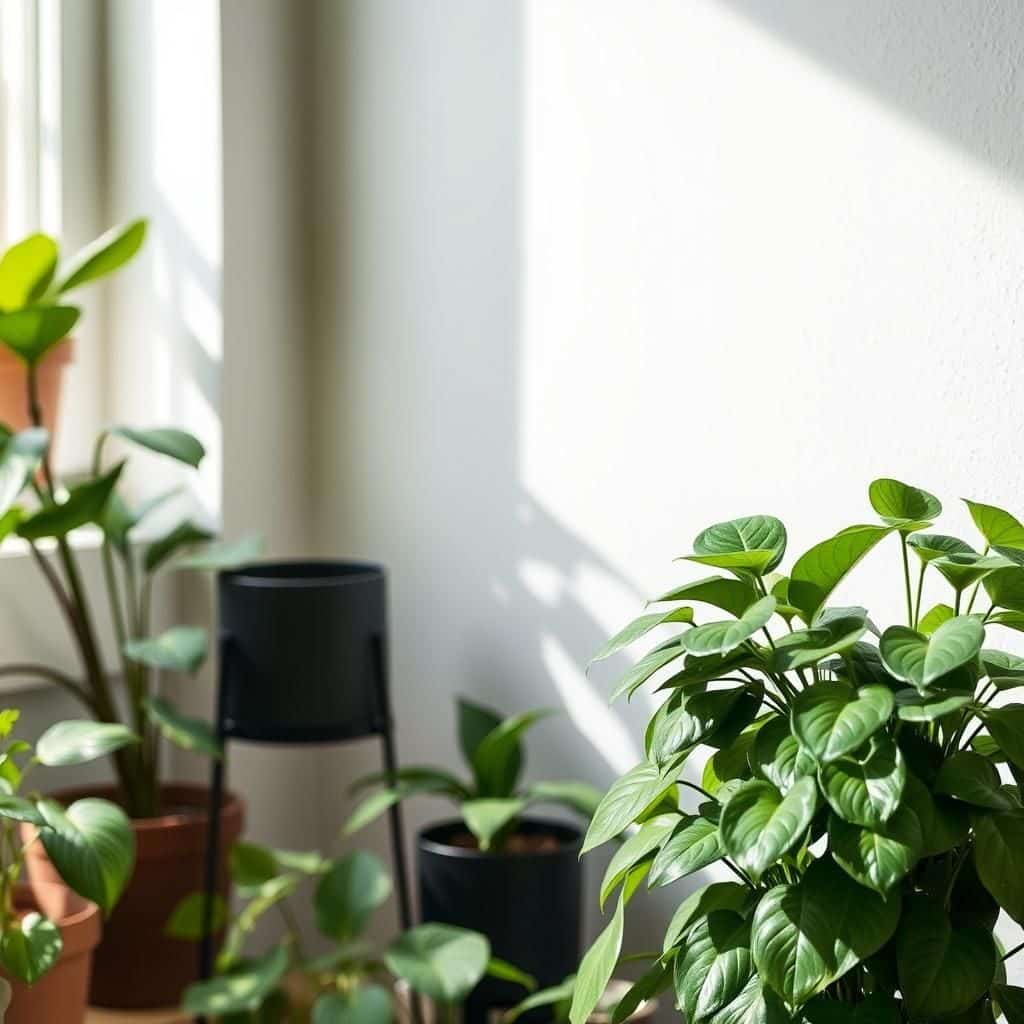
Creating a thriving indoor garden doesn't have to be a daunting task, especially when it comes to choosing houseplants that can withstand pests. For those seeking low-maintenance options, selecting pest-resistant plants is key to ensuring a beautiful and healthy environment. In this article, we will explore some of the top choices for houseplants that not only add greenery to your home but also offer resilience against common pests. These selections require minimal upkeep, making them perfect for both novice and experienced plant enthusiasts. Discover how you can cultivate your indoor oasis with plants that thrive despite challenges.
What is the Most Pest Resistant House Plant?
The most pest-resistant house plant is the spider plant (Chlorophytum comosum), known for its remarkable ability to withstand a variety of pests, including spider mites, aphids, and mealybugs. This hardy plant thrives in diverse indoor conditions and requires minimal maintenance, which contributes to its popularity among plant enthusiasts. Its long, arching leaves not only add aesthetic value but also help in improving indoor air quality by absorbing toxins. Additionally, the spider plant's resilience makes it an ideal choice for beginners, as it can recover quickly from minor infestations, ensuring that your indoor garden remains vibrant and healthy.
Characteristics of Pest-Resistant Plants
Pest-resistant plants possess specific characteristics that make them less appealing to pests. These may include thicker leaves, higher levels of natural toxins, and adaptations that deter insects from feeding. For instance, plants that produce strong aromas or bitter tastes are often avoided by herbivores. Understanding these traits can help you select houseplants that will thrive in your home without the constant threat of pest infestations.
Benefits of Choosing Pest-Resistant Houseplants
Opting for pest-resistant houseplants like the spider plant yields numerous benefits, including lower maintenance and reduced need for chemical insecticides. These plants typically exhibit greater resilience, ensuring they stay lush and beautiful despite environmental stressors. Furthermore, their ability to ward off pests promotes a healthier indoor ecosystem, minimizing the use of harsh chemicals that can impact air quality.
Top Pest-Resistant Houseplants
Aside from the spider plant, various other houseplants are known for their pest-resistant qualities. Some notable examples include the snake plant (Sansevieria trifasciata), known for its air-purifying abilities and toxic effects on pests, and the ZZ plant (Zamioculcas zamiifolia), which is highly drought-resistant and repels common insects. These plants not only enhance the aesthetic of your space but also provide the peace of mind that comes with knowing they won’t easily succumb to infestation.
See also:
How to Care for Pest-Resistant Houseplants
Caring for pest-resistant houseplants is straightforward because these plants typically require less water and attention compared to their more pest-prone counterparts. Regular watering, adequate lighting, and occasional feeding with organic fertilizers can help them thrive. It's also essential to monitor them for any signs of pests or stress, ensuring that they remain in peak condition and maintain their natural defenses against infestations.
Common Pests to Watch For
Even pest-resistant plants can attract occasional invaders, such as fungus gnats, aphids, and scale insects. Making a habit of inspecting your plants for early signs of these pests can prevent larger infestations from developing. Paying attention to changes in leaf color or texture can also signal issues. Addressing any pest problems early, even in resilient plants, ensures that they remain healthy and pest-free.
| Plant Name | Pest Resistance | Care Level |
|---|---|---|
| Spider Plant | High | Low |
| Snake Plant | High | Low |
| ZZ Plant | High | Low |
| Pothos | Medium | Low |
| Peace Lily | Medium | Medium |
Understanding the Benefits of Pest-Resistant House Plants
Pest-resistant house plants not only contribute to a low-maintenance indoor garden but also enhance the aesthetic appeal and air quality of your home. These plants have developed natural defenses against common pests, making them ideal for busy individuals or those who may not have extensive gardening experience. By choosing hardy varieties that resist infestations, you can create a lush, vibrant atmosphere without the constant worry of pest control. Furthermore, the presence of these plants can fortify your home against chemicals often used in traditional pest management, promoting a healthier living environment.
Top Pest-Resistant Plants for Beginners
For those new to indoor gardening, some of the top pest-resistant plants include the Snake Plant, Spider Plant, and ZZ Plant. These varieties are not only slow to attract pests but also thrive in a range of light conditions and require minimal care. By starting with these beginner-friendly options, new gardeners can enjoy the benefits of greenery without excessive maintenance or complications from pest infestations.
How to Care for Pest-Resistant House Plants
Caring for pest-resistant house plants involves understanding their specific light, water, and soil requirements. While these plants are naturally resistant to pests, they still need a suitable environment to thrive. Ensure they receive proper indirect sunlight and monitor watering habits, as overwatering can lead to problems like root rot. Additionally, using well-draining soil and fertilizing appropriately can help maintain their health and resilience against pests.
See also:
Common Pests and Their Impact on Indoor Plants
Even pest-resistant house plants can be affected by common pests like aphids, spider mites, and whiteflies if not properly cared for. These pests can cause damage to the leaves and stems, leading to reduced vitality and aesthetics. Understanding the signs of an infestation early is crucial to preventing severe damage, as more resilient plants can also experience stress and decline when overwhelmed.
Pest-Resistant Plants: Ideal for Different Indoor Environments
When considering pest-resistant plants, it's important to match the specific plants to your indoor environment, be it high humidity, low light, or dry air. For example, the Peace Lily thrives in low-light conditions, making it suitable for darker rooms, while the Aloe Vera prefers bright, sunny locations. Selecting plants that align with your home’s environmental conditions will enhance their growth potential and minimize pest issues.
Combining Pest-Resistant Plants for a Diversified Garden
Creating a mixed indoor garden with various pest-resistant plants can provide both visual interest and a natural pest deterrent. Plants like Lavender, known for its strong scent, can repel insects, while others may attract beneficial insects to maintain ecological balance. This combination not only supports a thriving indoor ecosystem but also maximizes aesthetic appeal and minimizes maintenance needs, ensuring a pleasant living space.
Questions from Our Readers
What is the most pest resistant house plant?
The most pest resistant house plant is often considered to be the Spider Plant (Chlorophytum comosum). Its hardiness, coupled with its ability to thrive in various conditions, makes it less attractive to pests. Additionally, its foliage has natural repellents that can deter common houseplant pests.
Are there any other house plants known for pest resistance?
Yes, other house plants that exhibit excellent pest resistance include the Peace Lily and Snake Plant. These plants have tough leaves and are often less susceptible to infestations, making them great choices for those looking to reduce pest issues in the home.
See also:
Can I make my house plants more pest resistant?
To make your house plants more pest resistant, you can focus on providing them with adequate light, water, and nutrients. Regularly inspecting for signs of pests and maintaining proper hygiene around the plants can also help enhance their overall health and resilience against pest attacks.
What should I do if my pest resistant plant gets infested?
If your pest resistant plant does get infested, it’s important to act quickly by using a natural insecticidal soap or a mixture of water and dish soap to treat the affected areas. Regularly removing any visible pests and maintaining good airflow can also help prevent further infestations.

If you want to read more articles like What is the Most Pest Resistant House Plant? Top Choices for a Low-Maintenance Indoor Garden, we recommend you check out our Pots category.
Leave a Reply
Related Articles