What Should Not Be Planted Next to Lavender? Essential Companion Planting Tips for Your Garden
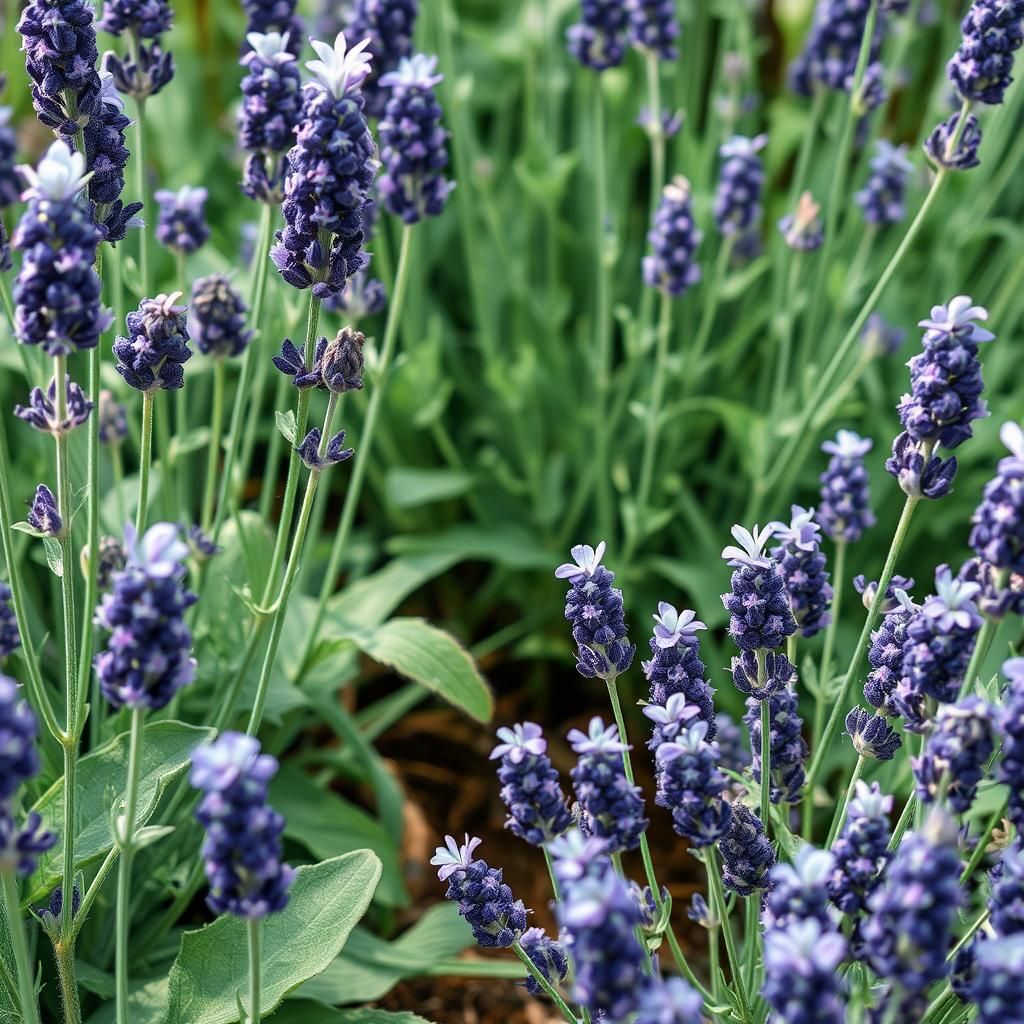
Lavender is a popular choice for gardens due to its stunning appearance and delightful fragrance. However, to ensure its optimal growth and health, it's crucial to understand which plants can coexist harmoniously with it and which should be avoided. Certain plants may compete for nutrients, water, or space, negatively impacting lavender's development. This article delves into the world of companion planting, providing essential tips on what not to plant next to lavender. By following these guidelines, gardeners can create a thriving environment that enhances the beauty and productivity of their lavender and overall garden.
What Plants Should Not Be Grown Next to Lavender?
Lavender is a beautiful and aromatic plant that thrives in well-drained soil and full sunlight, but there are certain plants that should not be planted nearby due to their conflicting needs. For instance, herbs and plants that require more moisture or shade, such as mint, basil, and fuchsia, can compete with lavender for resources, leading to poor growth for both. Additionally, plants that are prone to fungal diseases or pests can negatively affect lavender's health, which is primarily a drought-resistant plant. Hence, careful consideration of the garden layout and plant companions can ensure that lavender flourishes while avoiding rivals.
Pests Attracted by Companion Plants
Certain companion plants can attract pests that are detrimental to lavender. For example, if you plant tomatoes near lavender, the insects that are drawn to tomatoes, such as aphids, may also target your lavender plants, weakening their defenses.
Soil Moisture Requirements
Lavender prefers dry conditions, while plants like hostas and ferns thrive in moist environments. This difference in moisture requirements can lead to root rot in lavender due to excessive moisture from neighboring plants, ultimately harming both species.
Competition for Nutrients
Companion plants that have rapid growth, like sunflowers or zucchini, can overshadow lavender and compete for essential nutrients in the soil. This competition may stunt lavender's growth, making it less productive and fragrant.
Shade vs. Sunlight Needs
Lavender needs full sunlight to grow optimally. Plants like rhododendrons naturally create shade and can inhibit lavender's growth, leading to leggy, weak plants that fail to thrive due to inadequate light exposure.
Potential for Fungal Problems
Certain plants, particularly those susceptible to fungal issues such as zucchini or cucumbers, can inadvertently spread these problems to lavender. Fungal diseases thrive in humid conditions, which can lead to lavender suffering from various health issues.
| Plant Type | Reason for Avoidance |
|---|---|
| Mint | Competes for moisture and can overcrowd lavender. |
| Tomatoes | Attracts pests that may harm lavender. |
| Zucchini | Can introduce fungal diseases to lavender. |
| Rhododendrons | Creates shade that limits lavender's sunlight. |
| Hostas | Presents conflicting moisture needs. |
What plants should you avoid with lavender?
:max_bytes(150000):strip_icc()/GettyImages-1412417514-548622609df54062a39af154a2c854b7.jpg)
Lavender is a popular plant known for its fragrant aroma and attractive appearance. However, when planting lavender in your garden, it's essential to consider its compatibility with other plants. Some plants can inhibit lavender’s growth or negatively affect its health. Below are some plants you should avoid planting alongside lavender.
Avoid Heavy Feeders
Heavy feeders are plants that require a lot of nutrients and can compete with lavender for essential resources. Since lavender thrives in poor, well-draining soil, heavy feeders can hinder its growth by depleting the soil of nutrients.
- Cabbage - Requires rich soil for optimal growth.
- Tomatoes - Need ample nutrients and water, which lavender does not prefer.
- Peppers - Similar to tomatoes, they also require high levels of nutrients.
Moisture-Loving Plants
Lavender prefers dry conditions and well-drained soil, making it incompatible with plants that thrive in wet environments. Moisture-loving plants can lead to root rot and other problems for lavender.
See also:
- Hostas - Enjoy moist, rich soils and can outcompete lavender for water.
- Ferns - Require consistently moist environments, making them unsuitable neighbors for lavender.
- Astilbes - Thrive in wet conditions and do not mix well with lavender's dry preferences.
Plants with Similar Pests and Diseases
Certain plants are prone to similar pests and diseases as lavender, which can lead to infestation or disease spread. It is vital to avoid planting these varieties close to lavender to protect its health.
- Roses - Attract the same pests, such as aphids.
- Marigolds - Although beneficial in some ways, they share vulnerabilities to similar pests.
- Other Herbs - Some herbs, like basil, can be susceptible to shared diseases with lavender.
Plants with Aggressive Growth Habits
Aggressive growers can overshadow lavender, both literally and figuratively. They can monopolize nutrients and space, leading to compromised lavender health.
- Mint - Known for its vigorous growth, which can choke lavender.
- Catnip - Grows freely and can take over the garden bed.
- Thyme - While related, certain varieties can grow too densely, competing with lavender.
Plants That Need Frequent Watering
Plants that require regular watering are not the best companions for lavender, as their need for moisture conflicts with lavender's preference for drier soil conditions.
- Cucumbers - Require consistent watering, which can lead to root issues for lavender.
- Squash - Also needs frequent water, not suitable for dry-loving lavender.
- Spinach - Demands regular moisture, which contradicts lavender's needs.
What not to mix with lavender?

Lavender is cherished for its soothing aroma and numerous benefits; however, it may not be compatible with certain substances or essential oils. Here are some important factors to consider regarding what not to mix with lavender:
1. Citrus Essential Oils
Mixing lavender with citrus essential oils can lead to photosensitivity when applied topically. This sensitivity may increase the risk of sunburn, especially for those with fair skin. Common citrus oils to avoid include:
- Grapefruit
- Lemon
- Orange
The combination may also create a scent clash, diminishing the calming effects of lavender.
2. Eucalyptus
When combined with lavender, eucalyptus oil can create a conflicting aromatic profile. It has a strong, medicinal scent that can overwhelm the soft, floral characteristics of lavender. This mix might not provide the desired relaxing effects one seeks from using lavender. Moreover, both oils have potent properties that could irritate sensitive skin when used together.
3. Mint Oils
Mixing lavender with mint oils like peppermint or spearmint can be a bit problematic. Mint has a very strong and invigorating scent that can overshadow lavender's calming aroma. This may lead to an overwhelming sensation rather than the tranquil feeling typically associated with lavender usage. Potential effects include:
- Headaches from overpowering scents
- Skin irritation when mixed improperly
- Disruption of intended calming therapies
4. Rosemary
Combining lavender with rosemary can lead to conflicting scents that may not be palatable for many people. Additionally, both oils have stimulating properties, which can negate the relaxing benefits that lavender typically provides. This mixture may lead to increased heart rate and agitation rather than a sense of calm.
5. Other Sedatives
Avoid mixing lavender with other sedative essential oils such as valerian or chamomile. While these oils may enhance calming effects when used separately, their combined use can lead to an overwhelming sense of drowsiness, potentially disrupting normal daily functioning. Considerations include:
See also:
- Over-sedation if used in aromatherapy
- Potential for interacting with medications
- Unpredictable effects on mood
What pairs best with lavender?
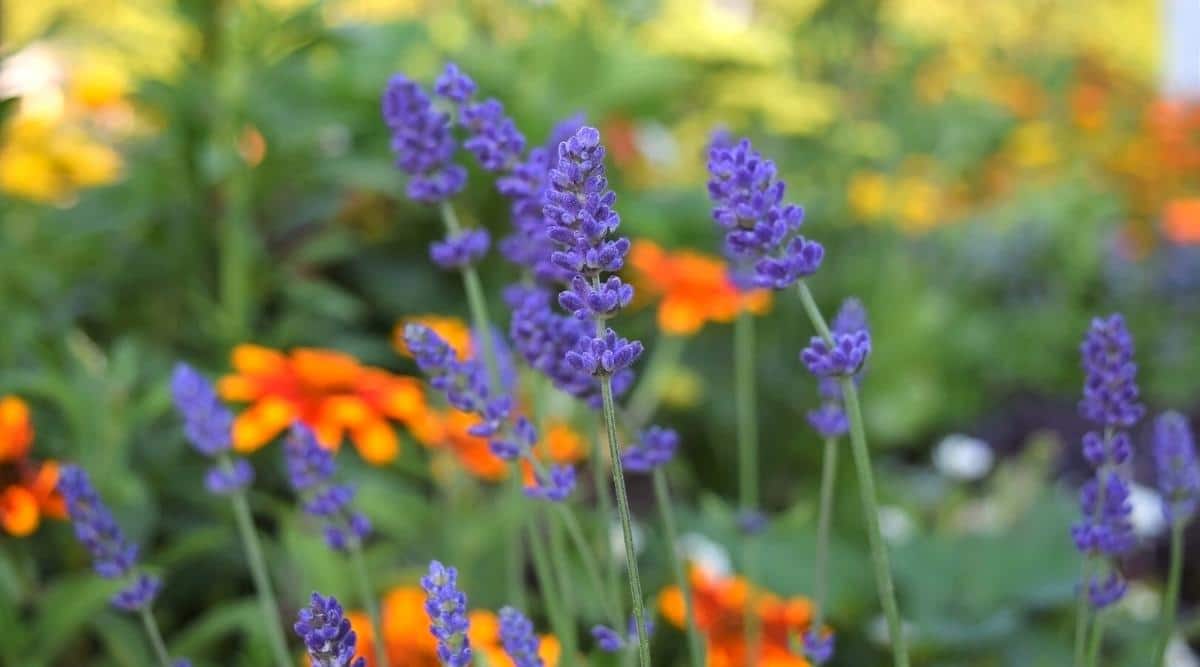
Lavender, with its distinctive aroma and vibrant color, is a versatile herb that blends beautifully with a variety of other scents, flavors, and visual elements. Here are some of the best pairings for lavender across different categories.
Floral Pairings
Lavender shares its floral notes with several other flowers, making it an excellent choice for creating bouquets or infusions. When combined with other florals, lavender enhances their fragrance and adds depth to the overall scent profile.
- Rose: The romantic scent of rose pairs beautifully with lavender's calming aroma.
- Hibiscus: This bold flower complements lavender, creating a refreshing herbal blend.
- Chamomile: Both calming, these flowers create soothing mixes perfect for teas and aromatherapy.
Culinary Combinations
In cooking, lavender adds a unique flavor that can elevate both sweet and savory dishes. Its floral taste pairs well with various ingredients, resulting in extraordinary culinary experiences.
- Honey: The sweetness of honey enhances lavender's subtle flavors, suitable for desserts and teas.
- Lemon: The tartness of lemon balances lavender's sweetness, perfect for marinades and baked goods.
- Thyme: The earthy quality of thyme complements lavender in savory recipes, such as roasted meats or vegetable dishes.
Aromatic Blends
In the world of aromatherapy and essential oils, lavender is often blended with other scents to achieve various therapeutic benefits. These combinations can enhance relaxation and mood.
- Eucalyptus: This blend promotes respiratory health while calming the mind.
- Peppermint: The cooling effect of peppermint, alongside lavender, creates a refreshing and invigorating aroma.
- Vanilla: A warm and comforting combination that is perfect for relaxation and stress relief.
Color Co-ordination
Lavender's beautiful purple hue can be paired with a range of colors for both floral arrangements and interior design. The combinations can create a serene and sophisticated aesthetic.
- White: This combination exudes purity and elegance, ideal for weddings and sophisticated events.
- Green: Shades of green provide a natural, fresh look that enhances lavender's beauty.
- Grey: Soft grey tones create a contemporary and calming palette when paired with lavender.
Herbal Associations
Lavender's herbal qualities make it a great companion for other herbs, creating balanced flavors and aromas in both cooking and holistic practices.
- Sage: A strong herb, sage contrasts with lavender’s sweetness, making an aromatic duo.
- Mint: This invigorating herb complements lavender well, making it ideal for refreshing drinks.
- Rosemary: The earthy scent of rosemary pairs nicely with lavender, especially in savory dishes.
Questions from Our Readers
What should not be planted next to lavender?
Planting lavender near certain plants can lead to poor growth and health for both species. It is advisable to avoid planting lavender next to moisture-loving plants such as basil, coriander, and sage, as they require much more water than lavender. These companion plants might compete for resources and create an unsuitable environment for lavender to thrive.
Why is it important to avoid certain plants near lavender?
Certain plants can attract pests or create conditions that are detrimental to lavender. For instance, plants that thrive in shaded areas can hinder lavender's growth, as lavender prefers full sun and well-drained soil. By avoiding these incompatible plants, you enhance the chances of your lavender flourishing in a healthy environment.
Can I plant vegetables near lavender?
It’s generally best to avoid planting vegetables that require higher humidity or moisture levels near lavender. Cucumbers and tomatoes are examples of vegetables that struggle in the dry conditions preferred by lavender. Instead, consider planting drought-tolerant vegetables nearby to maintain compatibility without stressing either plant.
What are some good companion plants for lavender?
Companion plants that thrive alongside lavender include rosemary, thyme, and sage. These plants share similar growing conditions, such as well-drained soil and full sun, which allows them to flourish without competing for water. By growing compatible plants, you can create a harmonious garden environment that benefits all species involved.
See also:

If you want to read more articles like What Should Not Be Planted Next to Lavender? Essential Companion Planting Tips for Your Garden, we recommend you check out our Landscaping category.
Leave a Reply
Related Articles