Is 20/20/20 Fertilizer Good for Money Trees? Benefits, Tips, and Recommendations
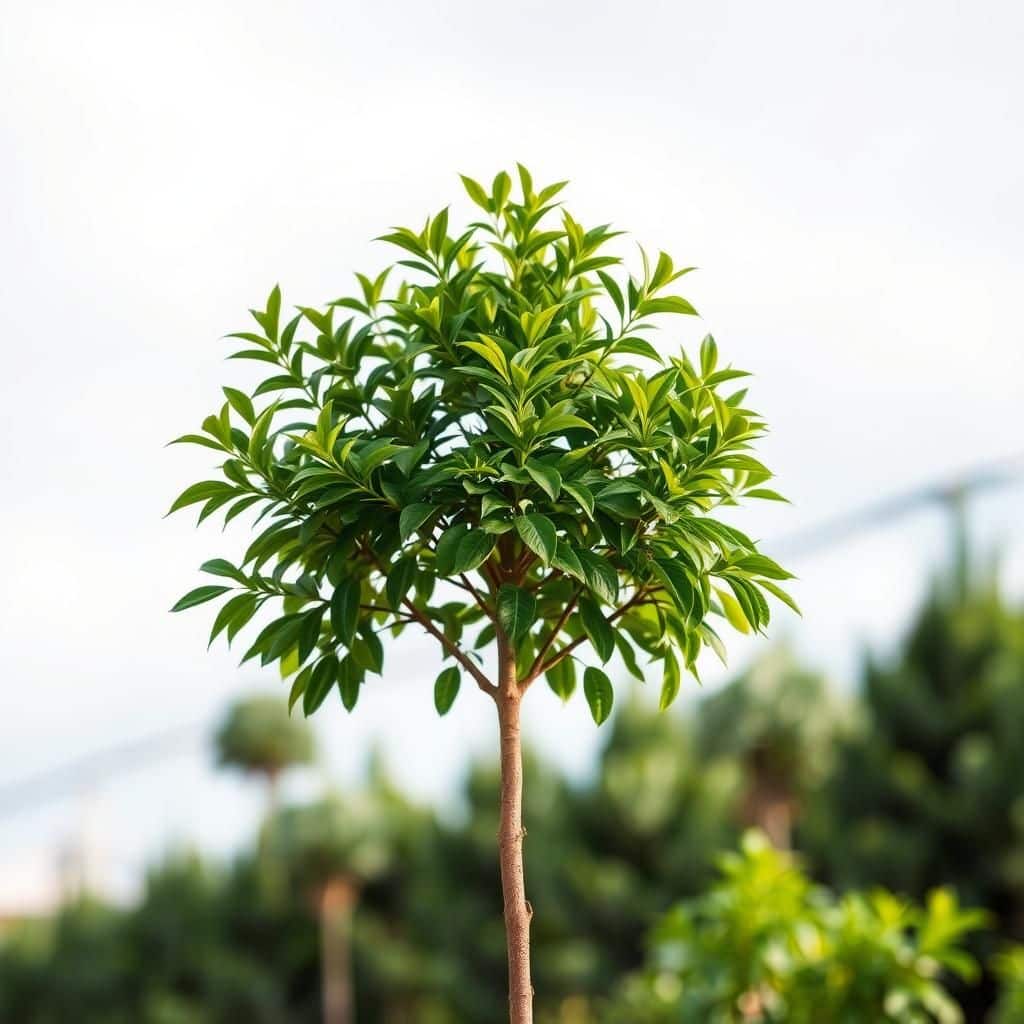
When it comes to nurturing your money tree (Pachira aquatica), understanding the right fertilization is essential for its growth and vitality. One popular option among plant enthusiasts is the 20/20/20 fertilizer, a balanced nutrient solution that can potentially enhance the health and appearance of your money tree. In this article, we will explore the benefits of using 20/20/20 fertilizer, offer practical tips for application, and provide recommendations to ensure your plant thrives. Whether you’re a seasoned gardener or a beginner, these insights will help you make informed decisions for your money tree care.
Is 20/20/20 Fertilizer Good for Money Trees?
The 20/20/20 fertilizer is often regarded as an effective option for nurturing money trees, primarily due to its balanced ratio of nitrogen, phosphorus, and potassium (NPK). This balanced composition promotes robust growth and enhances the overall health of the plant. The nitrogen supports lush foliage, phosphorus aids in root development, and potassium improves resistance to diseases. However, it is crucial to use this fertilizer in moderation and adjust the frequency based on the tree's specific needs, as excessive fertilization can lead to root burn or other negative effects.
Understanding the Components of 20/20/20 Fertilizer
The 20/20/20 fertilizer contains three essential nutrients: nitrogen, phosphorus, and potassium, each playing a unique role in plant health. Nitrogen is vital for leafy growth, promoting green foliage and overall vigor. Phosphorus helps stimulate root growth and flowering, while potassium enhances the plant's resilience to environmental stresses and improves fruiting. Understanding these components helps plant owners target their fertilization strategy effectively.
Benefits of 20/20/20 Fertilizer for Money Trees
Using 20/20/20 fertilizer for money trees can significantly benefit their growth. The balanced nutrient content ensures that all aspects of the tree's development are supported. For example, vigorous leaf production due to nitrogen can lead to enhanced photosynthesis, which in turn helps the plant produce more energy. Additionally, a healthy root system from phosphorus encourages better nutrient uptake, making the tree more thriving and aesthetically pleasing.
How to Apply 20/20/20 Fertilizer
To apply 20/20/20 fertilizer effectively, it is best to dilute it in water as per the manufacturer's recommendations. Typically, a ratio of 1 tablespoon per gallon of water is sufficient. Apply this solution once a month during the growing season, ensuring coverage around the base of the plant without getting it on the leaves to prevent burn. It’s important to water the plant thoroughly before fertilizing to minimize the risk of root damage.
Potential Risks of Over-Fertilizing Money Trees
While 20/20/20 fertilizer can be beneficial, over-fertilizing can lead to several issues. Excessive nitrogen can cause leaf burn and stunted growth, while too much phosphorus can disrupt the plant's nutrient balance, leading to deficiencies. Symptoms of over-fertilization often include yellowing leaves, wilting, or poor overall health. Therefore, controlling the amount and frequency of fertilizer application is critical to maintaining a healthy money tree.
Alternatives to 20/20/20 Fertilizer for Money Trees
If you prefer not to use 20/20/20 fertilizer, there are several alternatives. Organic fertilizers, like compost or worm castings, provide a slower release of nutrients and help improve soil health. Additionally, specialized houseplant fertilizers formulated for tropical plants can be beneficial, offering a mix tailored to specific needs without the risks associated with synthetic fertilizers. These alternatives can ensure your money tree thrives while reducing the risk of over-fertilization.
| Nutrient | Function |
|---|---|
| Nitrogen | Promotes healthy leafy growth |
| Phosphorus | Aids in strong root development |
| Potassium | Enhances disease resistance and overall plant health |
What is the best fertilizer for a money tree?

The best fertilizer for a money tree (Pachira aquatica) is one that promotes healthy growth without overwhelming the plant. Money trees are native to wet, tropical environments, which means they thrive with a balance of nutrients. A well-balanced, water-soluble fertilizer is recommended, typically with an NPK ratio of 10-10-10 or 20-20-20. Additionally, you can use a fertilizer that’s specifically formulated for houseplants or greenery to provide the essential nutrients they require.
When applying fertilizer, it's crucial to do so during the growing season, which typically runs from spring to fall. Over-fertilization can lead to nutrient burn and damage the roots, so ensuring appropriate application rates is important.
Best Fertilizer Type
The best type of fertilizer for a money tree is a water-soluble, balanced fertilizer. This means it dissolves easily in water and can be applied through watering. Recommended types include:
- Liquid Fertilizers: They provide immediate nutrients to the plant.
- Granular Fertilizers: These can be slow-release and allow for longer-term nutrition.
- Organic Options: Compost or fish emulsion can also be beneficial for natural growth.
How Often to Fertilize
When it comes to how often to fertilize your money tree, seasonal timing is essential. Generally, a schedule follows:
- Spring and Summer: Every 4-6 weeks during active growth.
- Fall: Reduce frequency to every 6-8 weeks as growth slows.
- Winter: It is advisable to refrain from fertilizing as the plant enters dormancy.
Signs of Nutrient Deficiency
Being able to identify signs of nutrient deficiency is crucial for maintaining a healthy money tree. Look out for the following indicators:
See also:
- Yellowing Leaves: This often indicates a nitrogen deficiency.
- Pale or Stunted Growth: A sign that the plant may not be receiving enough nutrients.
- Leaf Drop: Might point to either over-fertilization or nutrient deficiency.
Application Tips
Proper application of fertilizer can enhance the health of your money tree. Consider these tips for effective fertilization:
- Dilution: Always dilute the fertilizer to prevent root burn.
- Even Distribution: Spread the fertilizer evenly around the plant, avoiding direct contact with the stem.
- Watering: Water the plant before and after application to help the nutrients absorb.
Choosing Organic vs. Synthetic Fertilizers
Deciding whether to use organic or synthetic fertilizers is important in adjusting their usage. Here are the distinctions:
- Organic Fertilizers: Made from natural materials, they improve soil health over time.
- Synthetic Fertilizers: Provide immediate nutrients but can lead to nutrient buildup in the soil.
- Preference: Choose based on your gardening style and the specific needs of your plant.
What plants is 20-20-20 fertilizer good for?
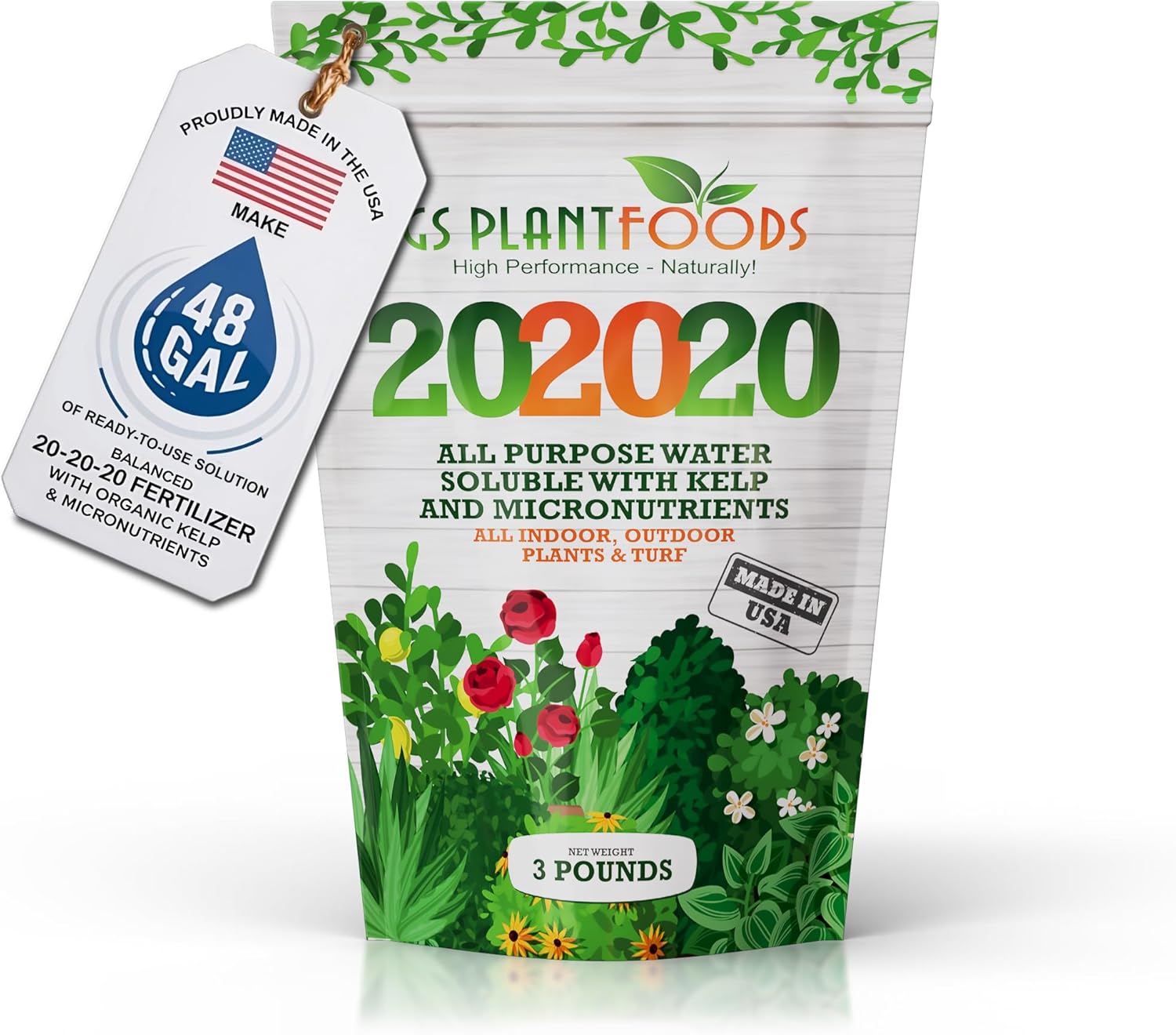
20-20-20 fertilizer is a balanced fertilizer containing equal parts of nitrogen, phosphorus, and potassium. It is suitable for a wide range of plants due to its versatility and the essential nutrients it provides. Here are some specific types of plants that benefit from the use of 20-20-20 fertilizer:
Vegetable Gardens
Vegetable gardens thrive on 20-20-20 fertilizer because it supports vigorous growth and improves yield. The balanced formulation aids in the development of healthy foliage, robust roots, and fruitful plants.
- Tomatoes
- Cucumbers
- Bell Peppers
Flowering Plants
Many flowering plants benefit from the nutrient mix provided by 20-20-20 fertilizer. It encourages blooming and strengthens plant structures, making them less susceptible to diseases.
- Roses
- Petunias
- Geraniums
Indoor Houseplants
Indoor houseplants often require additional nutrients due to the limited resources available in potting soil. 20-20-20 fertilizer can help maintain their health and enhance their appearance.
- Pothos
- Spider Plants
- Peace Lilies
Container Gardens
Containers can quickly deplete nutrients, making 20-20-20 fertilizer an excellent option for container gardens. This fertilizer replenishes essential nutrients and promotes continuous growth throughout the season.
- Herbs
- Annual Flowers
- Fruit-bearing Plants
Lawns and Turf
Lawns and turf also benefit from 20-20-20 fertilizer, particularly if they require a balanced nutrient supply for thick, green grass. It ensures that lawns are well-fed and can resist pests and diseases.
- Bluegrass
- Bermudagrass
- Fescue
What is the best fertilizer for the money?

To determine the best fertilizer for the money, several factors need to be considered, including nutrient composition, cost per application, and the specific needs of the plants being grown. Here are some highly regarded options that offer good value for the investment.
Understanding Fertilizer Types
Different types of fertilizers serve various purposes. Knowing the type that best fits your needs is essential.
- Organic Fertilizers: These are derived from natural sources such as compost, manure, and bone meal. They improve soil health and structure over time.
- Inorganic Fertilizers: Often synthetically produced, these fertilizers contain concentrated nutrients. They are typically fast-acting but may lead to soil degradation if used excessively.
- Slow-release Fertilizers: These provide a steady supply of nutrients over an extended period, reducing the frequency of applications and potential nutrient runoff.
Cost-Effective Fertilizer Options
When considering the best value for the price, several fertilizers are known for their affordability and effectiveness.
See also:
- Compost: An excellent budget-friendly option, compost enriches soil with essential nutrients and improves moisture retention.
- Triple Super Phosphate: A cost-effective inorganic fertilizer that provides a large amount of phosphorus to support root and flower development.
- Urea: One of the most concentrated forms of nitrogen available, offering high nutrient content at a relatively low cost, suitable for many plants.
Assessing Nutrient Needs
Different plants require different nutrient levels. Understanding these requirements helps in selecting the most appropriate fertilizer.
- Nitrogen (N): Crucial for leafy growth. Leafy greens and grasses often benefit from nitrogen-rich fertilizers.
- Phosphorus (P): Key for root development and flowering. Fruit-bearing plants and root crops thrive with adequate phosphorus.
- Potassium (K): Essential for overall health and disease resistance. Plants like tomatoes and potatoes require higher potassium levels.
Timing and Application Methods
Proper timing and application methods can significantly influence the efficiency of fertilizer use.
- Pre-planting: Incorporating fertilizers before planting can ensure that plants have immediate access to nutrients as they grow.
- Side-dressing: Applying fertilizers during the growing season can boost nutrient levels when plants need them most.
- Foliar Feeding: Spraying liquid fertilizers on leaves provides quick nutrient absorption, especially for minor deficiencies.
Long-Term Soil Health
Investing in fertilizers that contribute to long-term soil health can reduce the need for frequent purchases.
- Cover Crops: Planting cover crops during the off-season enriches soil and prevents erosion, leading to better overall health.
- Mulching: While not a fertilizer per se, mulching can help maintain moisture and slowly add organic matter, enhancing soil nutrient levels over time.
- Regular Soil Testing: Understanding current soil nutrient levels can help avoid over-fertilization and wastage, ensuring that you spend money wisely.
What's the best feed for a money plant?
To ensure a healthy and thriving money plant (Pothos or Epipremnum aureum), providing the right feed is essential. The best type of feed for a money plant includes balanced fertilizers that supply essential nutrients, such as nitrogen, phosphorus, and potassium. These nutrients are crucial for growth, foliage development, and overall plant health.
A good practice is to use a liquid fertilizer applied every 4-6 weeks during the growing season (spring and summer) and to dilute it to half strength to avoid over-fertilization, which can harm the plant. Organic options, such as compost or fish emulsion, can also be beneficial for providing nutrients slowly over time.
Understanding Nutrient Requirements
The nutrient requirements of a money plant include three primary macronutrients: nitrogen, phosphorus, and potassium. These nutrients contribute to various plant functions:
- Nitrogen: Supports lush, green foliage and overall growth.
- Phosphorus: Aids in root development and flowering.
- Potassium: Enhances disease resistance and overall plant vigor.
Best Types of Fertilizers
There are several types of fertilizers suitable for money plants, including:
- Liquid Fertilizers: Easy to apply and quickly absorbed by the plant.
- Granular Fertilizers: Long-lasting but take time to break down.
- Organic Fertilizers: Include compost, worm castings, or fish emulsion, promoting healthy soil biology.
Frequency of Feeding
The frequency of feeding is crucial for the health of a money plant. The guidelines are:
- Feed every 4-6 weeks during the growing season (spring and summer).
- Avoid fertilizing in the dormant season (fall and winter).
- Dilute liquid fertilizers to half strength to prevent root burn.
Signs of Nutrient Deficiency
Recognizing the signs of nutrient deficiency is important for timely intervention:
- Yellowing Leaves: Often indicates nitrogen deficiency.
- Browning Leaf Edges: May suggest potassium deficiency.
- Stunted Growth: Can signal a lack of phosphorus.
Homemade Fertilizer Options
Creating your own homemade fertilizers can be both effective and economical. Here are some options:
- Banana Peel Tea: Rich in potassium, helps promote strong growth.
- Coffee Grounds: Provides nitrogen and improves soil structure.
- Eggshells: Add calcium, which is vital for cell wall development.
Questions from Our Readers
What is 20/20/20 fertilizer?
20/20/20 fertilizer is a balanced, all-purpose fertilizer that contains equal parts of the three primary nutrients: nitrogen, phosphorus, and potassium. This type of fertilizer is often used for a variety of plants, including indoor plants like the money tree, as it promotes overall growth and health.
Is 20/20/20 fertilizer safe for money trees?
Yes, 20/20/20 fertilizer is generally safe for money trees, as long as it is used correctly. It's important to follow the recommended application rate to avoid over-fertilization, which can lead to root burn or other issues. Diluting the fertilizer according to the package instructions helps ensure your money tree receives the appropriate nutrients.
See also:
How often should I fertilize my money tree with 20/20/20 fertilizer?
For optimal growth, fertilizing your money tree with 20/20/20 fertilizer every 4 to 6 weeks during the growing season is recommended. In the fall and winter, when the plant is dormant, you can reduce or completely stop fertilization since the plant does not require as many nutrients during this time.
What are the benefits of using 20/20/20 fertilizer for money trees?
Using 20/20/20 fertilizer can provide several benefits for money trees, such as enhanced leaf development, improved root growth, and overall plant vitality. The balanced nutrient content helps support the healthy growth of the tree, making it more resilient to pests and diseases.

If you want to read more articles like Is 20/20/20 Fertilizer Good for Money Trees? Benefits, Tips, and Recommendations, we recommend you check out our Fertilised category.
Leave a Reply
Related Articles