Everything You Need to Know: Do I Need to Add Vermiculite to Potting Soil?
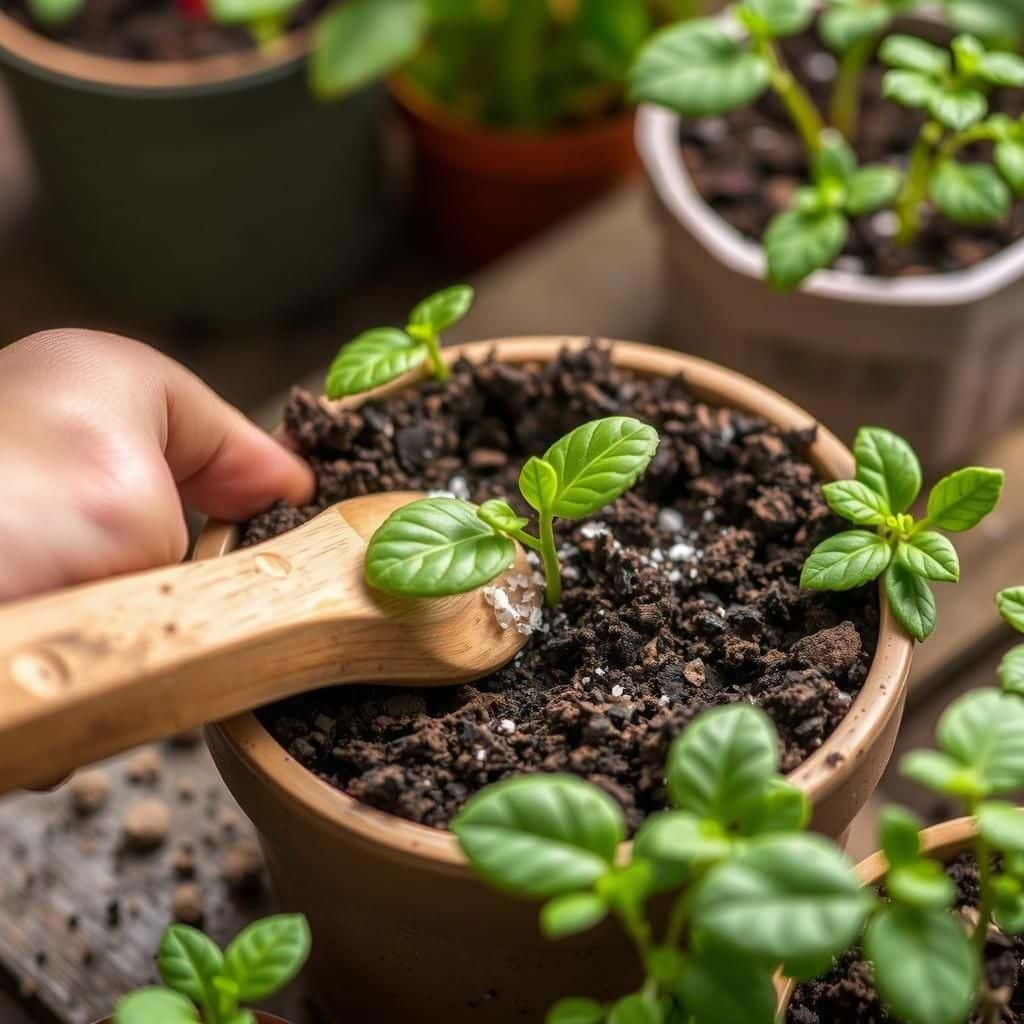
When it comes to potting soil, gardeners often seek the perfect mix to ensure their plants thrive. One common additive that sparks debate is vermiculite. This lightweight mineral not only enhances soil structure but also affects moisture retention and aeration. Understanding whether to incorporate vermiculite into your potting soil can significantly impact the health of your plants. This article will explore the benefits and drawbacks of adding vermiculite, guiding you through the factors to consider based on your specific gardening needs. Whether you're an experienced gardener or a novice, this comprehensive guide will help you make informed decisions for successful plant cultivation.
Do I Need to Add Vermiculite to Potting Soil?
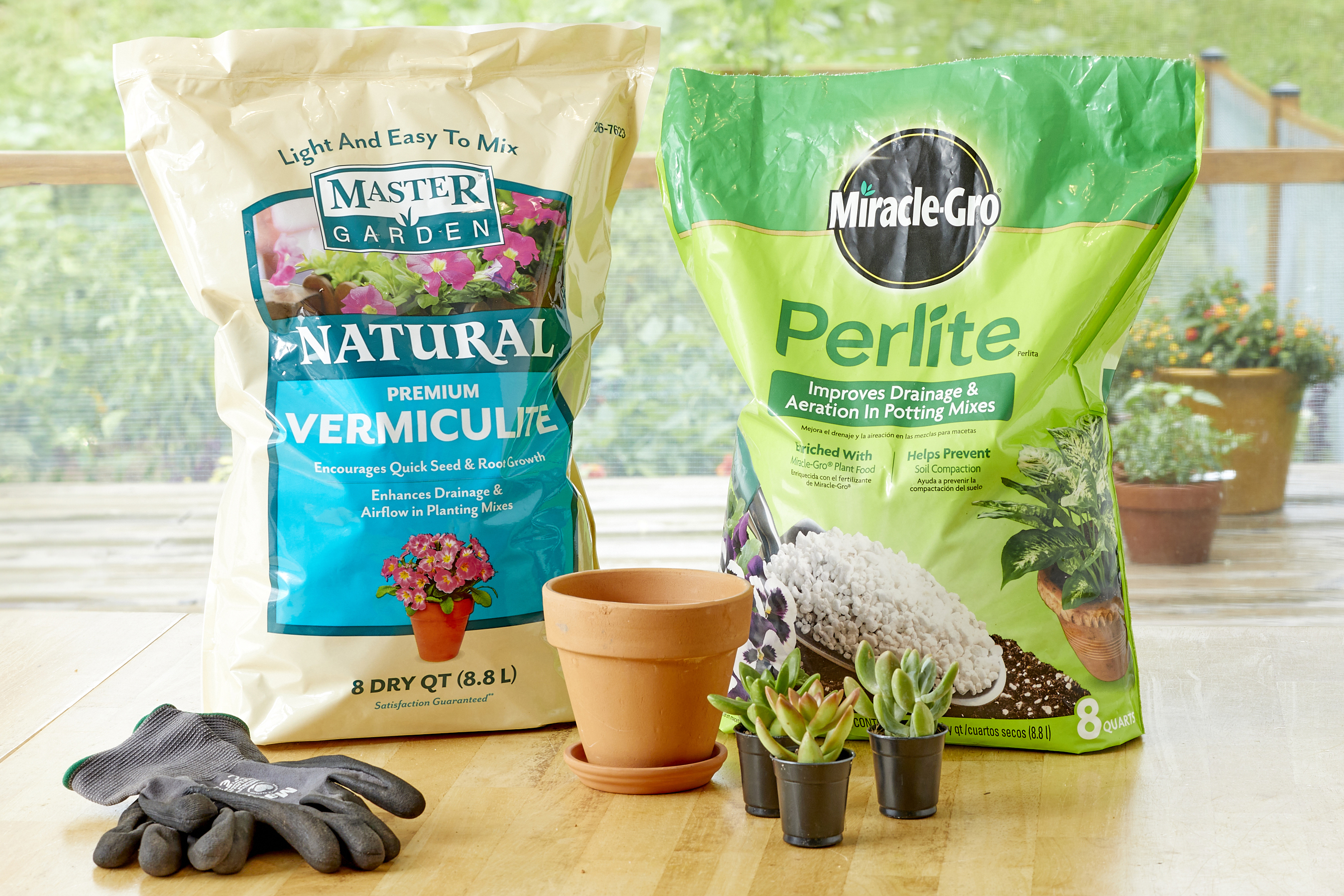
Adding vermiculite to potting soil can greatly enhance the soil's overall quality and performance. Vermiculite is a naturally occurring mineral that, when heated, expands into a lightweight, spongy material. It improves soil aeration, moisture retention, and drainage, making it an ideal amendment for various plants, especially those that prefer well-draining environments. While it is not strictly necessary for all potting soils, incorporating vermiculite can benefit plants that have specific drainage needs or those that require a soil mix with better moisture control. Therefore, assessing the needs of your plants will help determine if adding vermiculite is the right choice.
What is Vermiculite?
Vermiculite is a natural mineral that undergoes a heating process to create a lightweight, absorbent material. It consists primarily of hydrated magnesium iron aluminum silicate and is known for its unique properties, including its ability to retain moisture while providing excellent aeration. This characteristic makes it popular as a soil amendment in gardening and horticulture, where it helps create a balanced environment for root growth.
Benefits of Adding Vermiculite
One of the primary benefits of adding vermiculite to potting soil is its capacity to improve moisture retention. This is particularly beneficial for plants that require consistent moisture levels, reducing the frequency of watering. Additionally, vermiculite promotes better aeration in the soil, allowing roots to access oxygen more effectively. It also contributes to a well-draining mix, preventing root rot caused by excessive water retention.
How Does Vermiculite Compare to Other Amendments?
When compared to other soil amendments like perlite or peat moss, vermiculite stands out for its ability to retain water and nutrients. Unlike perlite, which primarily aids drainage without moisture retention, vermiculite helps maintain a balance, making it particularly suitable for young plants or seedlings. While peat moss improves soil structure and adds organic matter, it can lose its structure over time, whereas vermiculite remains consistent over prolonged periods.
Which Plants Benefit from Vermiculite?
Certain plants thrive in conditions where vermiculite is included in the potting mix. For example, seedlings, tropical plants, and succulents can particularly benefit from vermiculite's properties, as they often require well-aerated yet moisture-retentive soil. Specifically, plants that are sensitive to overwatering can benefit significantly, as vermiculite helps mitigate these risks while providing the necessary support for root development.
How to Incorporate Vermiculite into Potting Soil?
Incorporating vermiculite into potting soil is relatively straightforward. Typically, it's recommended to mix it in at a ratio of 1:4 with your potting soil, though this can vary depending on the specific needs of your plants. To do this, simply combine the vermiculite and potting soil in a mixing container and stir until the two are evenly distributed. This mixture can then be used to fill pots or containers for improved growing conditions.
| Amendment | Moisture Retention | Aeration | Nutrient Retention |
|---|---|---|---|
| Vermiculite | High | Good | Moderate |
| Perlite | Low | Excellent | Low |
| Peat Moss | Moderate | Fair | High |
Should I mix vermiculite with potting soil?

Mixing vermiculite with potting soil can provide several benefits for your plants, especially when it comes to improving soil structure and moisture retention. Here are some key points to consider:
Benefits of Mixing Vermiculite with Potting Soil
Adding vermiculite to potting soil can significantly enhance its properties, offering numerous advantages for plant growth.
- Improved Aeration: Vermiculite improves soil structure by creating air pockets that allow for better air circulation, essential for healthy root development.
- Moisture Retention: Vermiculite has the ability to hold water, which prevents the soil from drying out quickly and provides a consistent moisture level for plants.
- Nutrient Absorption: Its unique properties allow vermiculite to absorb nutrients and slowly release them to plants as needed, improving overall nutrient availability.
How to Mix Vermiculite with Potting Soil
Mixing vermiculite with potting soil is a straightforward process, but the ratios used can vary based on specific plant needs.
- Choose the Right Ratio: A common mixing ratio is one part vermiculite to three parts potting soil, but this can be adjusted depending on the moisture requirements of your plants.
- Combine Thoroughly: In a large container or wheelbarrow, mix the vermiculite and potting soil thoroughly to ensure an even distribution of both materials.
- Test the Mixture: Before potting your plants, it's wise to test the mixture by planting a less expensive or less important plant to observe how well the soil supports growth.
Considerations for Different Plants
The type of plants you are growing will dictate the ideal ratio of vermiculite to potting soil and whether or not mixing is beneficial.
- Cacti and Succulents: These plants prefer well-draining soil; therefore, mixing less vermiculite (e.g., 1:4 ratio) with potting soil is advisable.
- Vegetables and Herbs: A balanced mixture (1:3) will generally support growth, providing good moisture retention without becoming waterlogged.
- Ornamental Plants: Many houseplants benefit from a higher vermiculite mixture (1:2), as they often require more moisture retention.
Potential Downsides of Mixing Vermiculite
While there are many benefits, there are also potential downsides to consider when mixing vermiculite with potting soil.
- Cost: Vermiculite can be more expensive than standard potting soil, which may not be justified for all types of planting.
- Overwatering Risks: Because vermiculite retains moisture, overwatering can become a concern, potentially leading to root rot.
- Weight: Adding vermiculite increases the overall weight of your potting mix, which may be a consideration for larger pots or hanging baskets.
Alternatives to Vermiculite in Potting Soil
If you’re considering alternatives to vermiculite, several other materials can achieve similar effects.
See also:
- Perlite: This lightweight material improves aeration and drainage without retaining as much moisture, making it a suitable alternative for succulents.
- Coconut Coir: An eco-friendly option that retains moisture while providing excellent drainage and aeration, coconut coir is suitable for various plants.
- Pine Bark Fines: Often used in orchid mixes, it provides good drainage and aeration, making it ideal for some houseplants.
What plants don't like vermiculite?
Vermiculite is a popular soil amendment used for its ability to retain moisture and improve aeration. However, certain plants do not thrive in soils containing vermiculite, primarily due to its properties and the specific needs of these plants. Here's a look at what plants don't like vermiculite.
1. Succulents
Succulents prefer well-draining soil that does not retain too much moisture. Vermiculite, while excellent for retaining water, can lead to root rot in these plants because their roots are adapted to dry conditions. Key points regarding succulents and vermiculite are:
- Succulents thrive in sandy, gravelly soils.
- Excess moisture can lead to fungal infections.
- They require a soil mix with rapid drainage for healthy growth.
2. Cacti
Similar to succulents, cacti are desert plants that have adapted to arid environments. The moisture-retaining quality of vermiculite is counterproductive for cacti, which need very little water. Consider the following aspects:
- Vermiculite can retain moisture, risking overwatering.
- Cacti grow in sandier, well-drained substrates.
- They require a dry-out period between watering sessions.
3. Orchids
Orchid roots are sensitive and require a specific type of potting medium that allows for air circulation. The compact nature of vermiculite can suffocate the roots and retains excess moisture. Important considerations include:
- Orchids prefer bark or coarse materials for aeration.
- Too much moisture can lead to root rot and disease.
- A well-draining medium helps mimic their natural habitat.
4. Herbs
Certain herbal plants such as thyme and rosemary, which thrive in dry, rocky soil, do not fare well with the moisture-retaining properties of vermiculite. Their preference for dry conditions influences their performance:
- Herbs typically prefer a drier environment for growth.
- Excess moisture can promote disease in leafy herbs.
- They benefit from a loose soil mix that drains quickly.
5. Tropicals
Many tropical plants require high humidity but prefer fast-draining potting mixes. While they might tolerate some moisture retention, too much can hinder their growth. Points to note are:
- These plants thrive in soils that can dry out quickly.
- Vermiculite may retain too much water in certain climates.
- They benefit from a balanced soil that doesn't become waterlogged.
What are the disadvantages of vermiculite?

Vermiculite can pose certain health risks, particularly when it is contaminated with asbestos. Asbestos can lead to serious respiratory diseases, including mesothelioma and lung cancer. It is crucial to ensure that the vermiculite you use, especially for insulation or gardening purposes, is asbestos-free. Always verify the source and obtain a safety analysis before use.
- Contaminated vermiculite can release harmful fibers.
- Inhalation of these fibers can lead to severe health issues.
- Proper testing is essential prior to use in construction or gardening.
Environmental Impact of Vermiculite Mining
The extraction of vermiculite can have a significant environmental impact, including habitat destruction and soil erosion. Mining operations often disturb large areas of land, which can lead to:
- Loss of biodiversity in the affected areas.
- Disruption of local ecosystems, affecting wildlife habitats.
- Contamination of nearby water sources due to mining runoff.
High Absorbency and Moisture Issues
While vermiculite's absorbent properties can be beneficial in gardening, they can also lead to moisture retention issues in certain situations. This may result in problems such as:
- Root rot in plants due to excessive moisture retention.
- Difficulty in gauging when to water plants, leading to overwatering.
- Mold growth because of trapped moisture in growing mediums.
Cost Considerations
Vermiculite can sometimes be more expensive than alternative materials such as peat moss or perlite. This can make it a less attractive option for those on a budget. Factors contributing to the cost include:
- Mining and processing costs affected by location.
- Increased transportation costs to deliver the product.
- Potential price fluctuations based on market demand.
Limited Availability and Sourcing Issues
In some regions, sourcing high-quality vermiculite may be a challenge. This limited access can create several issues:
- Dependence on specific suppliers can lead to supply chain disruptions.
- Local regulations may restrict the distribution of vermiculite.
- Variability in product quality depending on the supplier.
What is a substitute for vermiculite in soil?

When looking for a substitute for vermiculite in soil, there are several alternatives that can provide similar benefits in terms of improving soil structure, moisture retention, and aeration. Here are some effective substitutes:
1. Perlite: Like vermiculite, perlite is a natural volcanic glass that has been heated to create lightweight, porous particles. It helps to enhance drainage and aeration in soil mixtures, making it ideal for potted plants and container gardening.
2. Coconut Coir: This is a byproduct of coconut processing and serves as an excellent organic substitute for vermiculite. It has good moisture retention properties while also allowing for proper aeration. It's a sustainable choice that enriches the soil with natural nutrients.
3. Pumice: Formed from volcanic rock, pumice is another lightweight material that improves drainage and aeration. It is often used in sandy soils to encourage better moisture retention without becoming overly compacted.
4. Sand: While not as effective in moisture retention as vermiculite, adding sharp sand can improve the drainage capabilities of heavy soils. It's particularly useful for creating well-draining mixes for specific plants that prefer drier conditions.
5. Rice Hulls: An organic alternative, rice hulls provide good aeration and drainage, similar to vermiculite. This material is biodegradable and enhances the soil organic matter when it decomposes.
1. Perlite as a Substitute
Perlite is a popular choice among gardeners looking for a substitute for vermiculite. It is lightweight and improves soil aeration while also ensuring proper drainage.
- Enhances drainage: Prevents soil compaction and promotes root health.
- Lightweight: Easy to handle and mix into soil.
- Non-toxic: Safe for all types of plants and does not break down over time.
2. Coconut Coir Advantages
Coconut coir is an increasingly popular organic option that mimics the moisture retention properties of vermiculite. It is sustainable and provides added nutrients to the soil as it breaks down.
- Environmentally friendly: Made from renewable resources.
- Moisture retention: Holds water effectively, reducing irrigation needs.
- Soil structure improvement: Enhances aeration and promotes healthy root systems.
3. Using Pumice for Soil Aeration
Pumice is another volcanic material that serves as an excellent substitute for vermiculite. Its porous nature helps keep soil light and well-aerated.
- Improved aeration: Allows roots to breathe and prevents waterlogging.
- Durability: Does not degrade over time, making it a long-lasting amendment.
- Natural minerals: Enriches the soil with essential trace elements.
4. Incorporating Sand into Soil
While sand is a more traditional substitute, it serves well in blends for specific plant requirements, especially in heavy soils.
- Improves drainage: Prevents soil from becoming overly dense.
- Cost-effective: Easily sourced and inexpensive.
- Mix compatibility: Can be blended with organic materials for tailored soil mixes.
5. Benefits of Rice Hulls
Rice hulls provide a biodegradable option that not only enhances soil structure but also improves aeration and drainage.
- Organic matter: Improves soil fertility as they decompose.
- Lightweight: Easy to transport and use in various applications.
- Reduced waste: Utilizes agricultural byproducts, promoting sustainability.
Questions from Our Readers
Do I need to add vermiculite to potting soil?
While it's not strictly necessary to add vermiculate to potting soil, it can greatly improve the aeration and moisture retention of the mix. As a result, it helps create a better environment for plant roots, especially for those that prefer well-draining soil conditions.
What are the benefits of adding vermiculite?
Adding vermiculate to your potting soil can enhance water retention without making the soil too heavy, while also providing essential nutrients over time. This is particularly beneficial for plants that require consistent moisture but also need good drainage to prevent root rot.
Can I use only vermiculite for potting plants?
Using only vermiculate is not recommended for potting plants, as it lacks the necessary nutrients and structure that a complete potting mix provides. It's best to combine vermiculite with other components like peat moss, compost, or perlite to create a balanced growing medium.
See also:
How much vermiculite should I add to potting soil?
The ideal ratio of vermiculate to potting soil depends on the specific needs of your plants, but a common guideline is to mix in about 10-30% vermiculite with your potting soil. This ratio helps achieve optimal moisture retention and aeration for most potted plants.

If you want to read more articles like Everything You Need to Know: Do I Need to Add Vermiculite to Potting Soil?, we recommend you check out our Soil category.
Leave a Reply
Related Articles