How Long Does It Take for Mulch to Decompose? Understanding the Timeline and Factors Involved
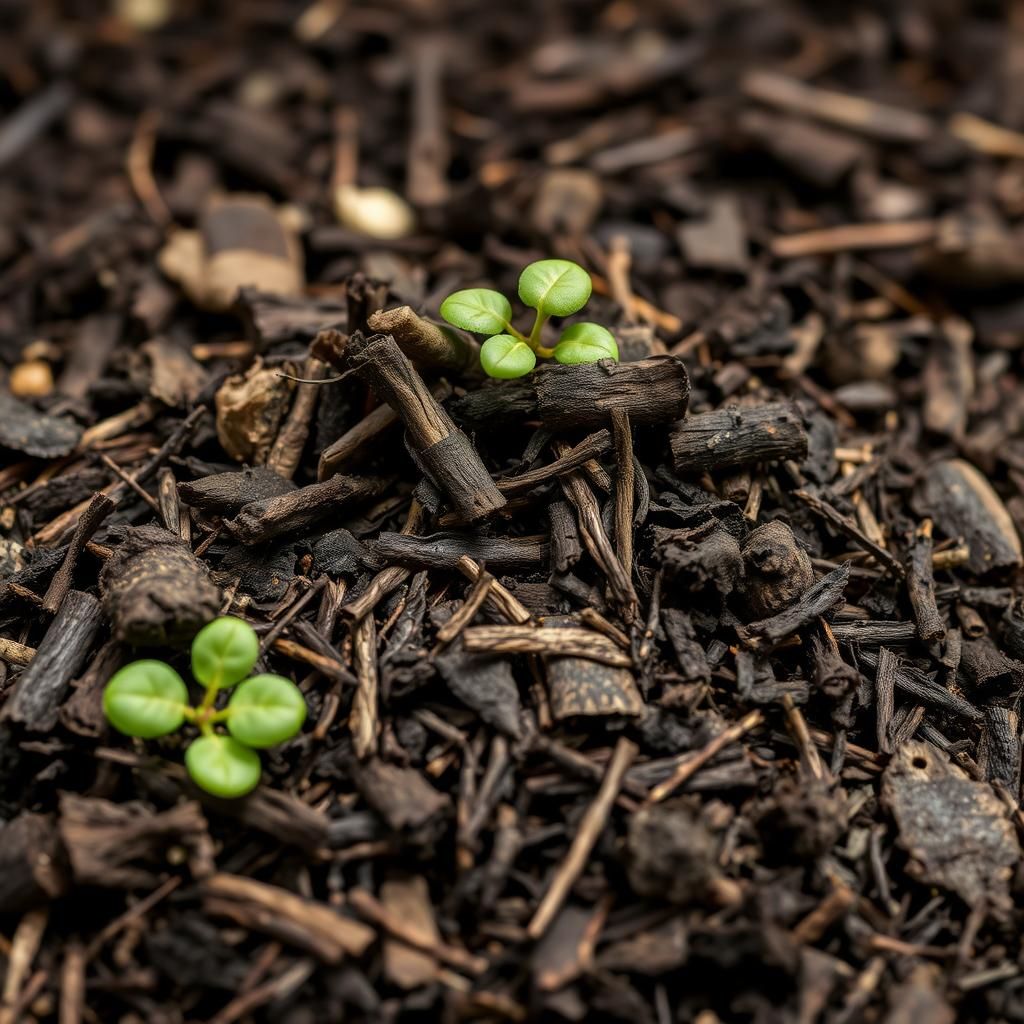
Mulch is a popular landscaping material, valued for its ability to conserve moisture, suppress weeds, and enhance the aesthetic appeal of gardens. However, many gardeners wonder about the timeline for mulch decomposition and what factors influence this process. Understanding how long it takes for mulch to break down is essential for effective garden management, as it impacts soil health and nutrient availability. In this article, we will explore the average decomposition rates of various types of mulch, the environmental conditions that affect decay, and practical tips for choosing and maintaining mulch in your outdoor spaces.
Understanding the Decomposition Timeline of Mulch
The time it takes for mulch to decompose can vary significantly depending on several factors, including the type of mulch used, the environmental conditions, and the presence of microorganisms. Generally, organic mulches, such as shredded bark or wood chips, can take anywhere from six months to two years to break down completely. Factors like temperature, moisture, and the carbon-to-nitrogen ratio in the mulch will influence the rate of decomposition. For instance, warmer and more humid conditions tend to speed up the process, while dry and cooler conditions slow it down. Ultimately, while some mulch may break down quickly, others may persist for a longer duration, contributing to soil health and nutrient cycling over time.
Factors Affecting Mulch Decomposition
Different types of mulch decompose at varying rates due to their composition. Wood chips, for example, can take one to two years to decompose completely, while softer materials like grass clippings may decompose in just a few weeks. The size of the mulch particles also plays a crucial role; smaller pieces break down faster due to increased surface area exposure to microorganisms and moisture.
Types of Mulch and Their Decomposition Rates
There are several types of mulch, each having its own decomposition timeline. For instance, straw usually decomposes within three to six months, while leaves can take around six months to one year. On the other hand, bark mulch often lasts longer, sometimes up to three years, before breaking down completely, depending on the type of bark and the conditions in which it is used.
Environmental Conditions' Impact on Decomposition
Environmental factors such as temperature, moisture, and sunlight significantly influence how quickly mulch decomposes. In warm and moist climates, mulch will decompose faster due to increased microbial activity and enzyme production. Conversely, in dry or cold conditions, the breakdown process can be severely delayed, which may extend the decomposition time from weeks to months or even years.
Microbial Activity and Its Role
The presence of microorganisms is essential for the decomposition of mulch. These microorganisms break down organic matter, releasing nutrients back into the soil. The higher the microbial activity, the faster the breakdown process will occur. As such, maintaining moisture levels is critical, as dry conditions can inhibit microbial growth and substantially slow decomposition.
Signs That Mulch Has Decomposed
Identifying when mulch has decomposed can be somewhat subjective. A good indicator is a change in color; decomposed mulch tends to be darker and crumbly in texture. Additionally, if you notice an increase in soil fertility or the presence of earthworms in the mulch layer, these can also signal the breakdown process has occurred successfully.
| Type of Mulch | Decomposition Time |
|---|---|
| Wood Chips | 1-2 years |
| Straw | 3-6 months |
| Grass Clippings | 1-4 weeks |
| Leaves | 6 months - 1 year |
| Bark Mulch | 1-3 years |
Does mulch eventually turn to soil?

Yes, mulch does eventually turn into soil over time, but this process is influenced by several factors, including the type of mulch used, the environmental conditions, and the ecosystem surrounding it. When organic mulch materials like wood chips, straw, or leaves are applied to a garden or landscape, they decompose through the action of microorganisms, fungi, and invertebrates such as earthworms. This breakdown transforms the mulch into nutrient-rich compost that enhances soil structure, fertility, and moisture retention.
The rate at which mulch decomposes can vary. For instance, soft, green materials break down more quickly than harder, woody materials. In general, the decomposition process can take anywhere from several months to a few years. As mulch decomposes, it contributes essential nutrients back into the soil, creating a healthier environment for plants.
Factors Influencing Mulch Decomposition
The rate of decomposition of mulch is affected by various factors, which can either speed up or slow down the process. Key considerations include:
- Moisture Levels: Adequate moisture accelerates microbial activity, enhancing decomposition.
- Temperature: Warmer conditions often lead to faster decomposition due to increased microbial activity.
- Type of Mulch: Soft mulches decompose quicker than hard or woody varieties.
- Soil Composition: Nutrient-rich soil supports a diverse range of decomposers that facilitate the process.
- Exposure to Air: Aerobic conditions promote faster breakdown compared to anaerobic environments.
Types of Mulch and Their Decomposition Rates
Different types of mulch decompose at different rates, impacting how quickly they contribute to soil health. Here are some common mulch types and their characteristics:
- Bark Mulch: Slow to decompose, usually takes 2-3 years, provides long-lasting coverage.
- Wood Chips: Moderate decomposition rate; may take 1-2 years, good for moisture retention.
- Straw: Quick to break down, typically within 6 months, enriches soil rapidly.
- Grass Clippings: Fast decomposition, often within weeks, adds nitrogen to the soil.
- Leaves: Medium rate of decay depending on type; shredded leaves break down faster.
Benefits of Decomposed Mulch
As mulch decomposes, it brings several benefits to the soil and plants. Some of these advantages include:
See also:
- Nutrient Addition: Decomposed mulch adds organic matter, improving overall soil fertility.
- Soil Structure Improvement: Enhances soil aeration and water infiltration, leading to healthier root systems.
- Moisture Retention: Helps the soil retain moisture, reducing the need for frequent watering.
- Weed Suppression: A thick layer of mulch obstructs sunlight, thereby inhibiting weed growth.
- Microbial Activity Promotion: Supports beneficial microorganisms that contribute to a thriving ecosystem.
Signs That Mulch is Decomposing
Determining if your mulch is breaking down can be gauged through several observable signs:
- Color Change: Decomposing mulch often darkens as it breaks down.
- Texture Alteration: Mulch may become crumbly or dusty as it decomposes.
- Reduction in Volume: As it breaks down, you will notice a decrease in the height and bulk of the mulch layer.
- Odor Detection: Healthy decomposition may produce a rich, earthy smell, whereas anaerobic decomposition can emit foul odors.
- Presence of Decomposers: Observing worms or microorganisms indicates active decomposition processes.
When to Refresh Mulch
Refreshing mulch is necessary to maintain its benefits and appearance, and it's typically advisable to do so at specific times:
- When Mulch Reduces in Depth: If the mulch layer has thinned significantly, it’s time to add more.
- After Heavy Rain or Wind: Weather events can displace mulch, requiring replenishment.
- Annual Assessment: Ideally, mulch should be evaluated and refreshed annually to maintain optimal benefits.
- When Signs of Decomposition Appear: If mulch is significantly decomposed and no longer effective, it needs replacing.
- Seasonal Changes: Consider refreshing mulch before the growing season begins to maximize plant growth benefits.
How to speed up decomposition of mulch?

To speed up the decomposition of mulch, several techniques can be employed to enhance the activity of microorganisms that break down organic materials. Here are some methods to accelerate the process:
1. Optimize Moisture Levels
Maintaining the right moisture level is crucial for the decomposition of mulch. Too much water can lead to anaerobic conditions, while too little can slow down the microbial activity necessary for decomposition.
- Check the moisture with your hand; it should feel damp but not soggy.
- Water your mulch if it feels dry, especially during hot weather.
- Aim for a balance where the mulch retains moisture but drains well to avoid rot.
2. Shred or Chip the Mulch
Reducing the size of the mulch pieces can significantly speed up the decomposition process. Smaller particles have a larger surface area, providing more access for microorganisms to break them down.
- Use a lawn mower or a wood chipper to shred larger pieces.
- Opt for finely shredded materials, as they decompose faster compared to larger chunks.
- Mix different types of mulch for diversity, which encourages a wider range of microbial activity.
3. Incorporate Nitrogen-Rich Materials
Adding nitrogen-rich materials can accelerate the decomposition of mulch significantly. Nitrogen is a vital component for microbial growth and metabolism.
- Use materials like grass clippings, food scraps, or manure to boost nitrogen levels.
- Mix nitrogen sources evenly into the mulch to ensure thorough interaction.
- Aim for a balance of carbon (from mulch) and nitrogen for optimal C:N ratio (approximately 30:1).
4. Turn the Mulch Regularly
Aeration is essential for speeding up decomposition. Turning or mixing the mulch encourages air circulation and distributes moisture and nutrients throughout.
- Use a garden fork or shovel to turn the mulch every few weeks.
- Monitor for compacted areas that may require more frequent stirring.
- Consider creating layers by adding new mulch on top and mixing it in.
5. Use Compost Activators
Applying compost activators can provide a boost to the microbial community responsible for decomposition. These products are designed to stimulate the breakdown process.
- Select a quality compost activator, which may contain beneficial microbes, enzymes, or nutrients.
- Follow the manufacturer's instructions for the best application rates.
- Reapply activators periodically to maintain microbial activity.
Should I remove old mulch or leave it?

Benefits of Leaving Old Mulch
Leaving old mulch in place can have several benefits that contribute to the health of your garden. Here are some key advantages:
- Soil Moisture Retention: Old mulch helps retain soil moisture, reducing the need for frequent watering.
- Weed Suppression: A thick layer of mulch can prevent the growth of weeds, saving you time and effort in maintenance.
- Temperature Regulation: Mulch acts as an insulator, maintaining soil temperature, which is essential for plant health.
Reasons to Remove Old Mulch
Despite the benefits, there are valid reasons to consider removing old mulch. This can help in maintaining a healthy garden environment:
- Decomposition and Nutrient Deficiency: Over time, mulch breaks down and may not provide the same nutrients to the soil.
- Fungal Growth: Old mulch can harbor pests or diseases, leading to the growth of harmful fungi that can affect your plants.
- Compaction Issues: As mulch decomposes, it can become compacted, reducing its effectiveness for moisture retention and weed control.
What Types of Mulch Should Be Removed?
Not all types of mulch require the same attention regarding removal. Here’s what you should know about different types:
See also:
- Organic Mulch: Materials like wood chips and straw decompose, so these should be replaced periodically to ensure soil health.
- Inorganic Mulch: Rocks and gravel do not decompose, but may need removal if weed growth occurs beneath them.
- Mulch with Pests: If you notice signs of pest infestation within any type of mulch, it is advisable to remove it to protect your plants.
How to Decide Whether to Remove or Leave Mulch
Making the right decision on whether to remove or leave your mulch can be challenging. Consider the following factors:
- Observation of Plant Health: If your plants are thriving, keeping the mulch may be beneficial.
- Physical Condition of Mulch: Check for compacting, color loss, or foul smells as indicators for removal.
- Seasonal Changes: Consider local weather conditions; in colder months, old mulch can provide insulation and protection.
Best Practices for Mulch Maintenance
Maintaining mulch effectively can enhance your garden’s resilience. Here are some best practices to follow:
- Layer Thickness: Apply a 2 to 4-inch layer to balance coverage and decomposition benefits.
- Regular Inspections: Check for pests or rot; any signs should prompt removal or replacement.
- Rotate and Replace: Every year or two, consider replacing or mixing in fresh mulch to maintain nutrient levels.
How long does it take mulch to disintegrate?

The time it takes for mulch to disintegrate can vary significantly depending on several factors. Typically, it can take anywhere from three months to two years for mulch to fully decompose. The rate of disintegration is influenced by the type of mulch used, the environmental conditions, and how thickly it is applied.
Type of Mulch
Different types of mulch decompose at different rates.
- Organic Mulch: Materials such as wood chips, straw, and shredded leaves generally break down faster, typically within 6 to 12 months.
- Inorganic Mulch: Gravel or landscape fabric does not decompose but can break down physically over time, which can take several years.
- Bark Mulch: Commonly used in gardens, bark mulch can take 1 to 2 years to break down, especially if it’s made from larger chips.
Environmental Conditions
The conditions in which the mulch is applied can significantly affect decomposition rates.
- Moisture: The presence of moisture can speed up microbial activity, leading to faster decomposition.
- Temperature: Warmer temperatures generally enhance the breakdown process, while colder temperatures slow it down.
- Air Circulation: Mulch that is too compact can restrict airflow, slowing down decomposition. Proper layering can help.
Depth of Mulch Layer
The thickness of the mulch layer plays an important role in its disintegration.
- Thin Layers: A mulch layer of about 2 to 3 inches will break down more quickly due to better air and moisture penetration.
- Thick Layers: Layers deeper than 4 inches can become compact and may take longer to decompose, sometimes exceeding two years.
- Maintenance: Regularly turning the mulch can speed up decomposition as it promotes air circulation.
Bacterial Activity and Soil Interaction
Microbial activity is crucial in the decomposition process.
- Beneficial Bacteria: Soil microbes feed on the organic matter in mulch, breaking it down into simpler compounds.
- Soil Quality: Healthy soil with rich organic matter enhances microbial activity and speeds up the breakdown of mulch.
- Worms and Beneficial Insects: These organisms also contribute to composting and assist in breaking down the mulch faster.
Purpose of Mulch Application
The intended purpose of mulch can dictate how long it is allowed to remain intact in the garden.
- Aesthetic Purposes: When used for decoration, mulch may not need to disintegrate quickly; it can remain until it looks degraded.
- Weed Control: If used primarily for weed suppression, it may require replacement once its effectiveness diminishes.
- Soil Enrichment: For those looking to enrich the soil, allowing mulch to decompose quickly will introduce more nutrients into the soil.
Questions from Our Readers
How long does it take for mulch to decompose?
Mulch typically takes between one to three years to decompose completely, depending on various factors such as the type of material used, moisture levels, and environmental conditions. Organic mulches like bark or leaves tend to break down faster than inorganic options like rubber or stone.
Does the type of mulch affect decomposition time?
Yes, the type of mulch significantly influences decomposition time. Natural organic materials like wood chips or straw decompose more quickly than synthetic or inorganic materials, which can last for several years without breaking down.
What factors speed up the decomposition of mulch?
Factors such as moisture, temperature, and microbial activity can greatly enhance the decomposition process of mulch. Keeping mulch moist and warm encourages the growth of decomposers like bacteria and fungi, which break down the material more rapidly.
Can I use decomposed mulch in my garden?
Absolutely, using decomposed mulch in your garden is beneficial as it provides essential nutrients to the soil and improves its structure. Decomposed mulch helps retain moisture and supports healthy plant growth, making it a valuable resource for gardening.
See also:

If you want to read more articles like How Long Does It Take for Mulch to Decompose? Understanding the Timeline and Factors Involved, we recommend you check out our Mulch category.
Leave a Reply
Related Articles