Can You Make a Living Off Being a Landscaper? Exploring Income Potential and Career Tips
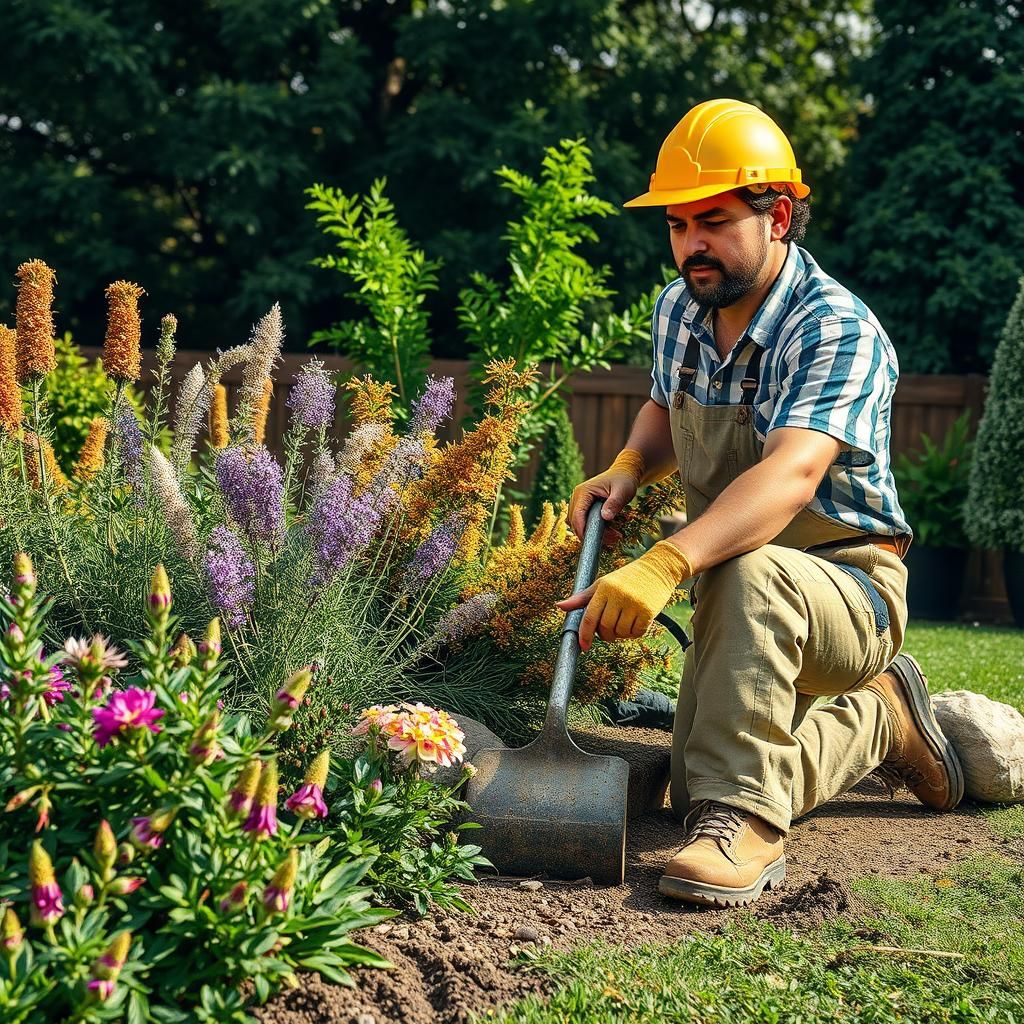
As the world continues to prioritize outdoor spaces and sustainable living, the demand for skilled landscapers has grown significantly. This article delves into the income potential of a landscaping career, exploring both the financial rewards and the challenges that come with creating beautiful, functional outdoor environments. By examining various pathways within the industry and providing practical tips for those looking to embark on this rewarding profession, we aim to shed light on whether one can truly make a living as a landscaper. Join us as we explore the intricacies of this green career and uncover opportunities for success.
Is Landscaping a Viable Career Choice?
Making a living as a landscaper is indeed a feasible option for many, depending on various factors such as location, experience, and business acumen. A successful landscaping career often requires a combination of skills, including design expertise, horticultural knowledge, and the ability to manage projects efficiently. With the increasing interest in outdoor aesthetics and sustainable practices, there is a growing demand for landscapers who can enhance residential and commercial spaces. While starting out may be challenging due to competition and initial investments, those who establish a solid client base and offer diversified services can achieve a sustainable income.
Initial Investment and Startup Costs
Starting a landscaping business involves several initial investments, including equipment, tools, transportation, and licensing fees. The initial costs can vary widely based on the scale of operations and the types of services offered. For small businesses, basic tools like lawnmowers and trimmers may suffice, while larger enterprises might require heavy machinery. Proper planning and budgeting are essential to ensure that the startup costs don’t overwhelm potential profits in the early stages.
Income Potential and Financial Outlook
The income potential for landscapers can vary dramatically based on experience, location, and the range of services provided. Those working in urban areas or regions with a higher cost of living may command higher rates. Additionally, specialized services, such as hardscaping or landscape design, can present substantial opportunities for increased income. On average, well-established landscapers can earn a comfortable income, especially if they diversify into seasonal services such as snow removal or garden maintenance.
Market Trends and Demand
The demand for qualified landscapers is on the rise due to urbanization and a growing emphasis on green spaces. Trends such as sustainable landscaping, xeriscaping, and the use of native plants are becoming more popular. Furthermore, commercial properties often seek professional landscaping to enhance curb appeal and attract customers. This growing trend not only boosts demand but also allows landscapers to market themselves effectively to a broader client base.
See also:
Skills and Certifications
To succeed as a landscaper, one must possess a diverse skill set that includes both practical and business management skills. Proficiency in landscape design, plant identification, and horticultural practices is vital. Additionally, pursuing relevant certifications can enhance credibility and attract more clients. Certifications from recognized associations can also lead to higher-paying jobs and strengthen a landscaper's reputation in the industry.
Challenges and Competition
While there are opportunities in the landscaping industry, competition can be a significant challenge, particularly in densely populated areas. Newcomers may find it difficult to establish themselves amid established companies. Factors such as seasonal fluctuations, economic downturns, and changing consumer preferences can also impact income stability. Strategies such as effective marketing, exceptional customer service, and creating niche offerings can help in navigating these challenges.
| Key Factors | Description |
|---|---|
| Startup Costs | Initial investment in equipment and tools, can vary based on business scale. |
| Income Potential | Varies based on location and services; established landscapers can earn a comfortable income. |
| Market Demand | Increasing interest in outdoor aesthetics drives demand for professional landscaping services. |
| Skills Required | Landscapers need a mix of practical, design, and business management skills. |
| Competitive Landscape | Established companies dominate; newcomers must find unique ways to attract clients. |
Understanding the Income Landscape for Landscapers
The income potential for landscapers can vary widely based on factors like location, skill level, and the specific services offered. On average, a landscaper in the United States can earn anywhere from $30,000 to over $70,000 annually, depending on their experience and the demand in their area. Those who specialize in design, implement complex projects or run their own businesses may see even higher earnings. Additional skills such as horticulture, project management, and customer service can further enhance income prospects, allowing landscapers to attract a more diverse client base and command higher fees.
The Impact of Location on Landscaping Income
Location is a crucial factor that influences a landscaper’s income. Urban areas with higher population densities often present greater opportunities for landscaping work due to the demand for maintaining and enhancing residential and commercial properties. Conversely, rural areas might have fewer clients, but competition can also be less intense. Understanding local market trends and demographic needs can help landscapers tailor their services effectively, maximizing their earning potential based on the specific characteristics of the region they serve.
Essential Skills for a Successful Landscaping Career
To thrive as a landscaper, one must develop a diverse skill set that encompasses both technical and creative abilities. Proficiency in design principles, plant care, and hardscaping techniques are essential, but so are strong communication skills to interact effectively with clients. Additionally, knowledge of sustainability practices is increasingly important in the industry, as more clients seek environmentally friendly landscaping solutions. Landscapers who invest time in continuous learning and professional development are likely to stand out in a competitive market.
See also:
Building a Client Base as a Landscaper
Successfully building a client base is pivotal for financial stability as a landscaper. Networking through local community events, joining industry associations, or utilizing social media platforms are effective strategies for reaching potential clients. Creating an online portfolio showcasing past projects can also help attract attention. Providing excellent customer service encourages word-of-mouth referrals, which is often the most valuable source of new business for landscapers seeking to expand their clientele and increase profitability.
Investment Options for Landscaping Tools and Equipment
Investing in the right tools and equipment is essential for any landscaper striving for efficiency and high-quality work. While initial costs can be significant, quality tools can improve productivity and reduce labor time. It's vital to start with essential equipment like lawnmowers, trimmers, and safety gear, gradually expanding as the business grows. Additionally, considering options for leasing vs. purchasing can influence financial planning, allowing landscapers to manage cash flow effectively while still equipping themselves for success.
The Role of Seasonal Changes in Landscaping Income
Seasonal changes significantly affect landscaping demand and income. In many regions, the spring and summer months see a peak in landscaping projects as homeowners seek to enhance their outdoor spaces. Conversely, winter might present challenges in maintaining steady income unless landscapers diversify their services to include winter maintenance, such as snow removal or holiday lighting installation. Understanding seasonal patterns allows landscapers to plan their workload and finances more effectively, ensuring year-round stability.
Questions from Our Readers
Can you make a living off being a landscaper?
Yes, it is possible to make a living as a landscaper. Many landscapers find steady work through residential and commercial contracts, providing services such as lawn maintenance, landscape design, and installation. The ability to build a strong client base and manage projects effectively can lead to a sustainable income.
What factors influence a landscaper's income?
Several factors can affect a landscaper's income, including experience, skills, and the regional market demand for landscaping services. Landscapers who specialize in upscale projects or unique designs may also command higher rates, while those in competitive areas might need to adjust their pricing to attract clients.
See also:
Do landscapers need any certifications?
While formal certifications are not always required to work as a landscaper, they can enhance credibility and attract clients. Some certifications focus on specific areas, like horticulture or landscape design, and can demonstrate a landscaper’s expertise, potentially leading to higher earnings.
What is the potential for growth in the landscaping industry?
The landscaping industry offers significant growth potential, especially in areas with rising property values and a strong interest in outdoor aesthetics. As consumers increasingly prioritize outdoor living spaces, landscapers can expand their services to include hardscaping, irrigation systems, and sustainable practices, creating more opportunities for revenue.

If you want to read more articles like Can You Make a Living Off Being a Landscaper? Exploring Income Potential and Career Tips, we recommend you check out our Landscaping category.
Leave a Reply
Related Articles