Ultimate Guide: How to Find Irrigation Lines Without Digging?
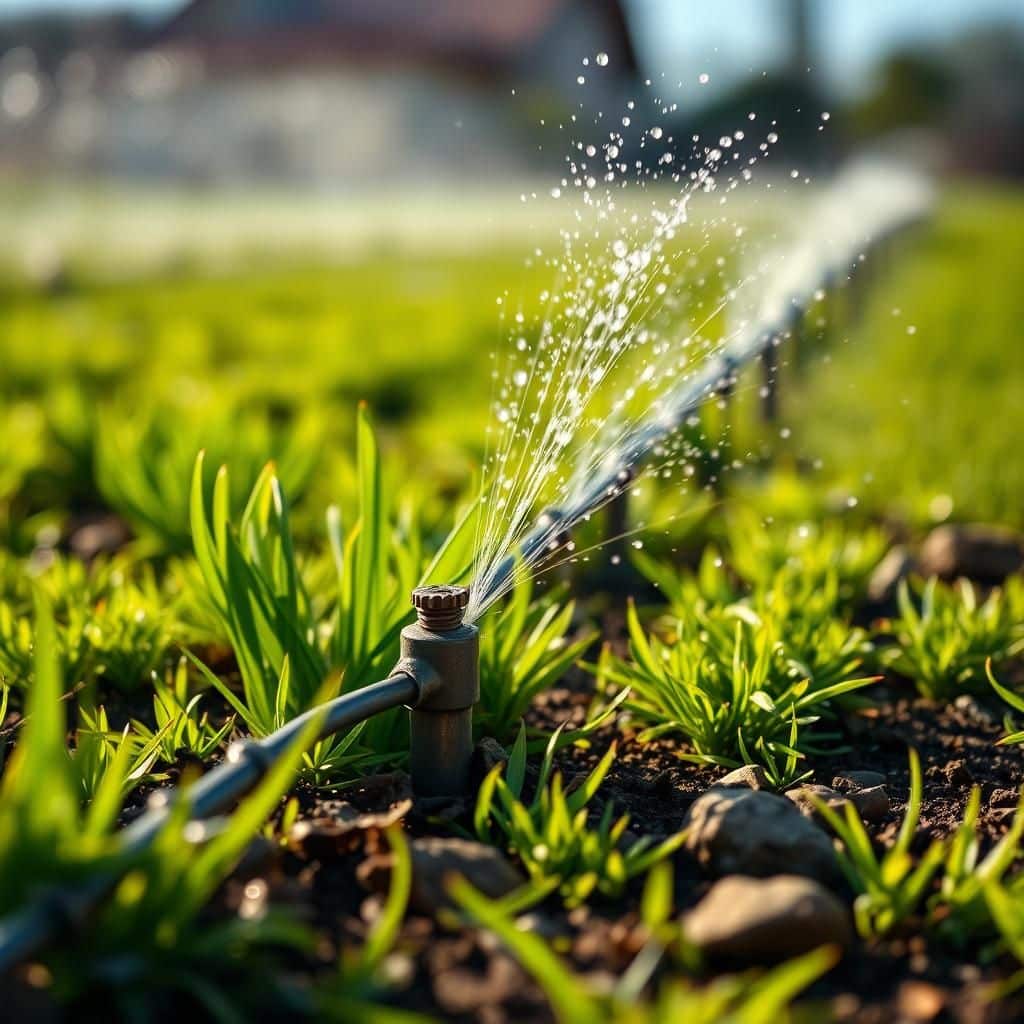
Locating irrigation lines without digging is essential for any homeowner or landscaper looking to avoid costly repairs and disruptions. Whether you’re planning a garden, installing a new feature, or simply conducting maintenance, identifying these hidden lines is crucial. In this ultimate guide, we’ll explore various techniques and tools that can help you accurately locate irrigation lines without the need for extensive digging. From using advanced technology to simple DIY methods, we’ll provide you with comprehensive insights that ensure your landscaping projects proceed smoothly and safely. Say goodbye to guesswork and embrace efficient strategies for finding your irrigation lines.
How to Accurately Locate Irrigation Lines Without Digging
Locating irrigation lines without the need for digging can be accomplished using a variety of advanced techniques and tools. One effective method is ground-penetrating radar (GPR), which utilizes radar pulses to find subsurface anomalies, including irrigation pipes. Other approaches include acoustic listening devices, which can detect the sound of water flowing through pipes, and electrical resistance methods that measure the conductivity of the soil around the irrigation lines. Additionally, using detection maps if available, or consulting with previous landscaping records, can help locate these lines without invasive methods. Always remember to exercise caution and employ proper techniques to prevent damage to the irrigation system.
Using Ground-Penetrating Radar
Ground-penetrating radar (GPR) is a non-invasive technology that can effectively locate subsurface irrigation lines. This method involves sending high-frequency radio waves into the ground, which reflect back signals when they encounter different materials. Analyzing these reflections allows you to create detailed images of what's below the surface, helping you pinpoint the location of underground pipes without any digging required.
Acoustic Listening Devices
Acoustic listening devices are specialized tools that can detect the sounds of flowing water within irrigation lines. By placing a microphone or sensor above the suspected location of the pipes, these devices can pick up subtle sounds, such as the noise of water moving through the system. This method can be especially useful near surface leaks or when trying to find buried lines that are still active.
Electrical Resistance Methods
The electrical resistance method involves measuring the soil's conductivity around suspected irrigation lines. This technique works on the principle that different materials, including metal pipes, will affect the flow of an electrical current. By strategically placing electrodes in the ground and measuring resistance changes, you can determine the presence of irrigation lines without disturbing the soil.
Consulting Detection Maps
If available, detection maps can provide crucial information about the placement of underground infrastructure, including irrigation lines. These maps may be available from local government agencies, landscaping companies, or previous property records. Consulting these documents allows you to visualize where the lines are likely situated, reducing the need for guesswork and minimizing the risk of accidental damage during landscaping or digging projects.
Utilizing Landscaping Records
Reviewing past landscaping records can offer insights into the arrangement of irrigation systems on your property. Documentation may include installation plans, descriptions of the irrigation layout, and even old photographs. This information can guide you in identifying locations to look for the pipes, enhancing your chances of success when using other detection methods.
| Technique | Description |
|---|---|
| Ground-Penetrating Radar | Uses radar pulses to detect subsurface anomalies. |
| Acoustic Listening Devices | Detects sounds of water flow in the irrigation system. |
| Electrical Resistance Methods | Measures soil conductivity to locate irrigation lines. |
| Detection Maps | Offers visual representation of underground infrastructure. |
| Landscaping Records | Provides information on the layout of the irrigation system. |
Is there a way to locate sprinkler lines?
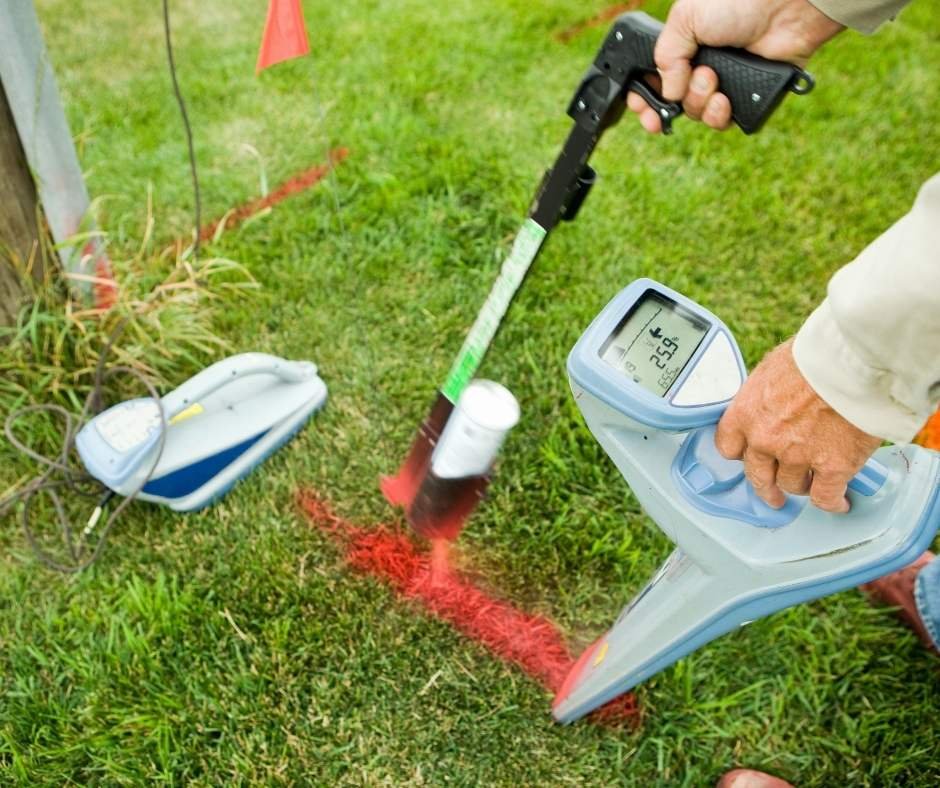
To locate sprinkler lines effectively, there are various methods and techniques you can employ. Here are some detailed strategies to consider:
Using a Locating Service
Hiring a professional locating service can be a reliable method to pinpoint your sprinkler lines. These services utilize specialized equipment to detect underground lines without causing damage. Benefits of this approach include:
- Expertise: Professionals are trained to accurately locate various types of underground utilities.
- Advanced Technology: They use technology like ground-penetrating radar (GPR) for precise detection.
- Time-Saving: It saves you the hassle of digging around and possibly damaging other lines.
Listening for Water Flow
Another method you can use is to listen for the sound of water flow in your sprinkler lines. This technique can be particularly useful if you have access to certain areas of your system. Steps to follow:
- Shut Off the System: Ensure the sprinkler system is off to distinguish sounds better.
- Listen for Sounds: Walk around your yard and listen closely for any running water noise.
- Mark the Area: If you identify a sound, mark the area for further investigation.
Using a Water Meter
Utilizing a water meter can help you identify leaks in your sprinkler system, which may lead you to the lines themselves. Process includes:
- Turn Off All Water Usage: Make sure no faucets or appliances are drawing water.
- Check the Meter: Monitor the water meter for any movement, indicating a leak.
- Investigate the Location: Once a leak is detected, investigate the corresponding area for buried lines.
Visual Inspection of Above-Ground Components
A visual inspection of the above-ground components of your irrigation system can also provide clues about the layout of your sprinkler lines. Things to look for:
See also:
- Sprinkler Heads: Note their positions to determine potential line layouts.
- Pipes or Hoses: Look for any surface-level pipes or hoses leading to sprinkler heads.
- Control Boxes: Identify any control boxes that may indicate the direction of buried lines.
Using a Wire or Signal Device
For DIY enthusiasts, utilizing a wire or signal device specifically designed for locating underground utilities can be an effective method. Here’s how:
- Prepare the Device: Ensure your locating device is set up correctly and calibrated.
- Scan the Area: Walk slowly, moving the device across your lawn to identify any signals.
- Mark Findings: As you find the lines, mark their locations for easier referencing later.
Is there a tool to find sprinkler lines?
Yes, there are tools available for locating sprinkler lines. These tools are often essential for both DIY homeowners and professionals in landscaping and irrigation. The most common tools used are underground wire locators, ground-penetrating radar (GPR), and metal detectors, which can help trace and identify the paths of buried sprinkler lines.
Types of Tools for Finding Sprinkler Lines
When it comes to finding sprinkler lines, various tools serve different purposes. Here are some common types:
- Underground Wire Locators: These are devices that can detect electric signals emitted by buried wires.
- Metal Detectors: Useful for locating metal components in sprinkler systems, such as valves and risers.
- Ground-Penetrating Radar: A more advanced option that can provide a visual representation of underground objects.
How Do Underground Wire Locators Work?
Underground wire locators utilize electromagnetic fields to identify the location of buried wires. They send a signal down the wire, which can then be detected at the surface, allowing users to trace the wire's path.
- Signal Generation: The locator generates a low-frequency signal.
- Detection: The signal is transmitted along the wire and can be detected by the locator at ground level.
- Analysis: The tool interprets the signal strength to show the approximate course of the wire.
Benefits of Using a Metal Detector
A metal detector can be very effective for finding components of a sprinkler system that are made from metal. This method is useful especially when dealing with older systems or where wires may not be easily traced.
- Cost-Effective: Metal detectors are generally more affordable compared to advanced technologies.
- Ease of Use: They are typically straightforward to operate for amateur users.
- Portability: Metal detectors are lightweight and easy to carry.
Limitations of Ground-Penetrating Radar
While GPR is highly effective in locating sprinkler lines, it does come with some limits. Understanding these can help users decide which tool to employ.
- Cost: GPR systems can be prohibitively expensive for casual users.
- Expertise Required: Interpreting GPR data often requires specialized knowledge.
- Soil Conditions: GPR effectiveness can be reduced in highly compacted or mineral-rich soils.
Additional Tips for Finding Sprinkler Lines
When searching for sprinkler lines, it’s helpful to follow some practical tips to ensure effective locating.
- Check Blueprints: If available, refer to the original layout diagrams of your sprinkler system.
- Use a Combination of Tools: Employ multiple locators to increase the accuracy of your findings.
- Mark the Location: After locating the lines, mark them clearly to avoid future damage.
How to find a water line without digging?
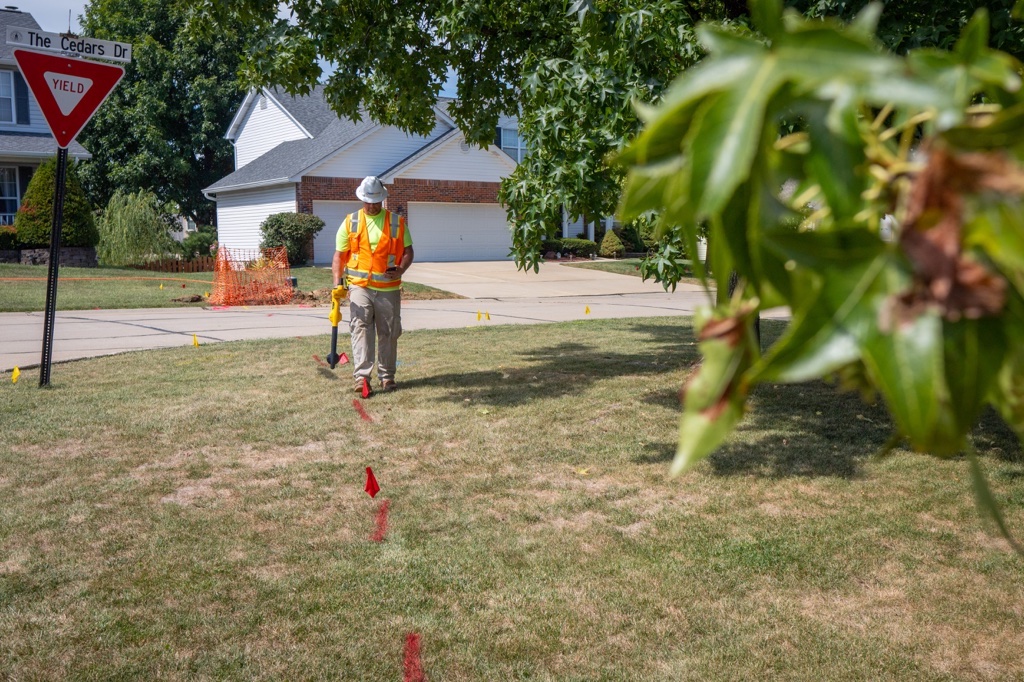
To find a water line without digging, you can employ several techniques that utilize technology and observation. These methods help identify the location of underground water lines, which is essential for repairs, landscaping, or construction projects. Here are some approaches to consider:
Live Line Detection
Utilizing live line detection methods allows you to locate water lines through electrical signals. This technology detects the electromagnetic fields generated by live power or water lines. Here's how it works:
- Specialized equipment, such as cable locators, emits signals that travel through the line.
- The device picks up the signal and displays the location of the line on a screen.
- Using this method is efficient and can save time compared to traditional digging methods.
Ground Penetrating Radar (GPR)
Ground penetrating radar is another advanced technique for locating water lines. It uses radar pulses to image the subsurface and identify buried objects. This approach is particularly useful for:
- Providing a detailed view of underground water lines as well as other utilities.
- Minimizing damage to the landscape since it doesn't require excavation.
- Being effective in various soil conditions, making it versatile for different terrains.
Acoustic Leak Detection
Acoustic leak detection methods utilize sound waves to locate water lines and potential leaks. This technique can detect the sound of water escaping from pipes:
See also:
- Highly sensitive microphones can pick up even the faintest sounds of leaking water.
- The location can be assessed in real-time without digging up the surrounding area.
- This method is particularly useful for old or damaged pipe systems that may be prone to leaks.
Observational Techniques
Sometimes, basic observational techniques can provide clues about the location of water lines. Observing the landscape can offer several hints:
- Look for wet spots or areas of lush vegetation, which may indicate underground water presence.
- Check for drainage patterns and any unusual changes in soil elevation, which could suggest buried lines.
- Identifying existing meter boxes or shut-off valves can lead you to the main water line direction.
Using Locating Services
If you're still unsure about locating a water line, utilizing locating services is a practical option. These professionals employ a variety of methods to identify water lines accurately:
- They typically use a combination of advanced technology and expertise to pinpoint water lines effectively.
- Hiring professionals can save you time, effort, and potential damage from accidental digging.
- Often, these services come with guarantees, providing added peace of mind regarding the accuracy of their findings.
How far down are irrigation lines buried?

The depth at which irrigation lines are buried can vary based on a variety of factors, including the type of irrigation system, the soil type, climate conditions, and local regulations. Generally, irrigation lines are buried to a depth of 12 to 24 inches (30 to 61 cm) below the soil surface. This depth helps to protect the lines from damage due to external factors, such as freezing temperatures and physical disturbance.
Factors Influencing Burial Depth
The depth at which irrigation lines are installed is influenced by several important factors:
- Climate: In regions with freezing temperatures, lines may need to be buried deeper to prevent freezing.
- Soil Type: Sandy soils may require shallower installation due to better drainage, while clay soils might necessitate deeper lines.
- Local Regulations: Some areas have specific codes and laws governing how deep irrigation systems must be installed.
Types of Irrigation Systems
Different irrigation systems may require different burial depths:
- Drip Irrigation: Typically buried deeper, often around 12 to 18 inches, to ensure optimal water delivery.
- Sprinkler Systems: Usually installed about 12 inches deep, depending on the system design.
- Surface Irrigation: Generally, these lines may not need to be buried as deep, often around 6 to 12 inches.
Benefits of Correct Burial Depth
Installing irrigation lines at the correct depth provides numerous advantages:
- Protection: Proper burial depth protects lines from physical damage and environmental hazards.
- Efficiency: Ensures that water reaches plants effectively, reducing waste.
- Longevity: Helps extend the lifespan of the irrigation system by preventing cracks and leaks.
Common Mistakes in Installation
There are several mistakes that can occur when determining the depth for burial:
- Inappropriate Depth: Not considering local climate can lead to lines freezing in winter months.
- Ignoring Soil Type: Different soils hold water differently; not accounting for this can affect plant health.
- Neglecting Local Codes: Failing to follow municipal guidelines can result in fines or mandatory system alterations.
Maintenance Considerations
Ongoing maintenance of irrigation lines is crucial for successful operation:
- Periodic Inspections: Check buried lines regularly for signs of damage or wear.
- Flushing Systems: Regularly flush lines to prevent clogs and ensure efficient water flow.
- Monitoring Soil Moisture: Analyzing soil moisture can help determine if the lines are functioning correctly.
Questions from Our Readers
How can I locate irrigation lines using a metal detector?
To locate irrigation lines with a metal detector, start by adjusting the device to detect the metal used in the piping, such as copper or steel. Sweep the detector slowly over the suspected area, keeping it close to the ground. When the detector signals, you can mark the spot for further investigation.
Are there any non-invasive methods to find irrigation lines?
Yes, there are several non-invasive methods to locate irrigation lines. One effective technique is using ground-penetrating radar (GPR), which can detect changes in soil density and the presence of buried pipes. This technology provides a clear picture of the ground structure without the need for digging.
Can I use water flow detection to find irrigation lines?
Absolutely, you can use water flow detection techniques to find irrigation lines. By monitoring water pressure or flow rate changes in your system, you can identify areas where pipes may be leaking or blocked, indicating the potential location of buried lines.
What tools are available for finding underground irrigation lines?
There are various tools available for finding underground irrigation lines, including pipe locators, sonic devices, and electromagnetic equipment. These tools help detect the presence and path of irrigation pipes by using different detection technologies, making it easier to locate lines without any digging involved.
See also:

If you want to read more articles like Ultimate Guide: How to Find Irrigation Lines Without Digging?, we recommend you check out our Irrigation category.
Leave a Reply
Related Articles