What is the Professional Term for a Gardener? Discover the Right Title for Plant Experts
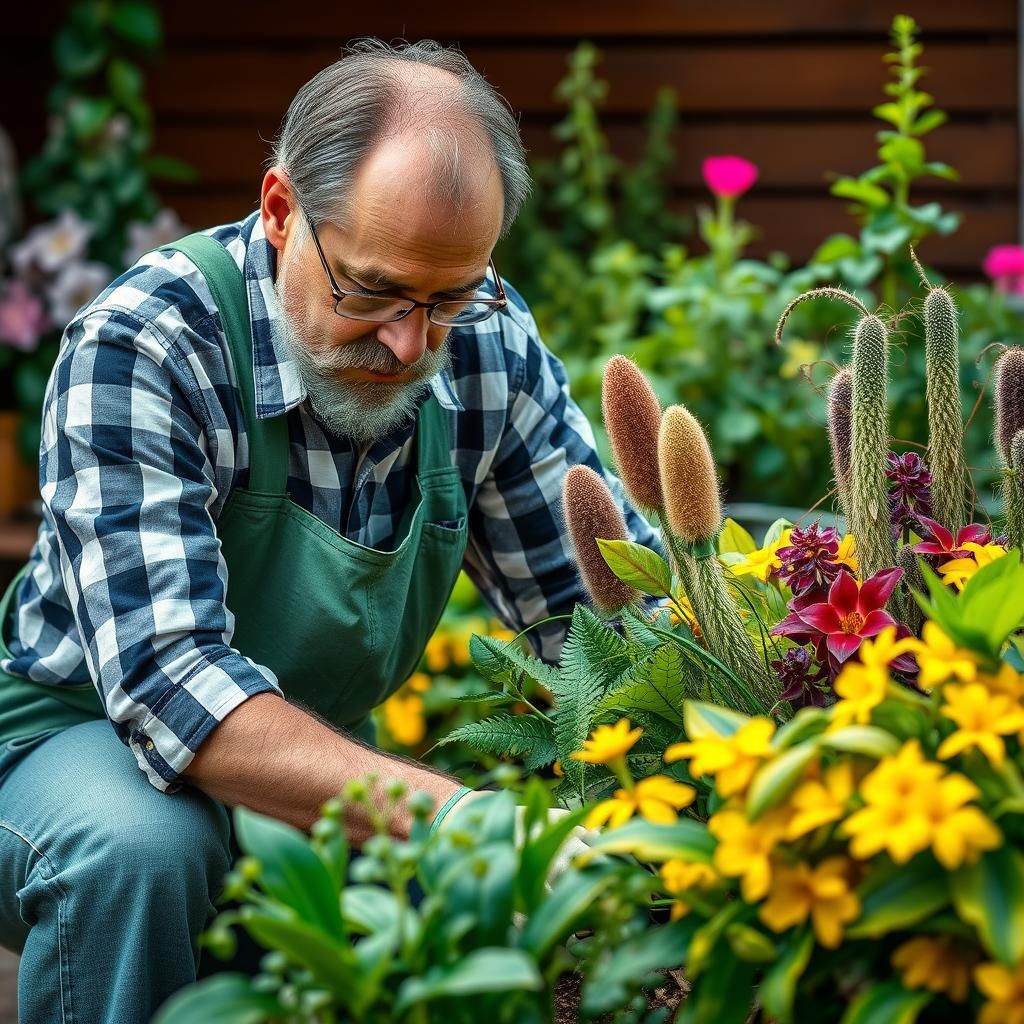
In the world of horticulture, the role of a gardener is often seen as fundamental to the cultivation and maintenance of beautiful landscapes. However, many may wonder what the professional term is for a gardener and whether it can reflect the depth of expertise involved in this field. From landscape designers to horticulturists, various titles encapsulate the diverse skills and knowledge required for plant care and garden management. In this article, we will explore these professional titles, shedding light on the qualifications and responsibilities that define each role within the realm of plant expertise.
- What is the Professional Term for a Gardener?
- Understanding the Varying Titles in the Gardening Profession
- The Role of Horticulturists
- While both landscape architects and landscape designers work on outdoor spaces, their roles and educational requirements differ significantly. Landscape architects typically require a professional degree in landscape architecture and must be licensed to practice. Their focus includes understanding land use, environmental impact, and sustainable design principles. Conversely, landscape designers may not require formal education and can often be self-taught. While both professionals design outdoor areas, landscape architects tend to work on more complex projects that involve significant site planning, zoning regulations, and regulatory compliance.
- Within the gardening profession, there exist many specialized roles that cater to specific types of flora and functions. For instance, arborists focus on tree care, maintenance, and health, requiring detailed knowledge about tree biology and environmental factors. Similarly, florists specialize in arranging and selling flowers, often needing expertise in design and trends in floral aesthetics. By having these narrowed-down specializations, the profession acknowledges the unique skills and training required to excel in different aspects of gardening and plant care.
- Questions from Our Readers
What is the Professional Term for a Gardener?
The professional term for a gardener can vary depending on their specific role and the scope of their work. Often referred to simply as a gardener, these professionals may also carry titles such as landscaper, horticulturist, or groundskeeper. A landscaper focuses on creating and maintaining outdoor spaces, including the design and installation of plants and structures. A horticulturist has specialized knowledge in the science and art of cultivating plants, often working in research, education, or crop production. Lastly, a groundskeeper is primarily responsible for the upkeep of parks, gardens, and sports fields, ensuring that these areas are in excellent condition.
The Role of a Landscaper
A landscaper is a professional who specializes in the design, installation, and maintenance of landscaped environments. This includes both softscape elements, such as plants, and hardscape elements like walkways, walls, and other structures. They often work on residential properties, commercial spaces, and public parks, focusing on aesthetics, functionality, and environmental sustainability. Licenses and certifications may be required, depending on the region, ensuring that professional standards are met.
Understanding Horticulture
Horticulture is the science and art of cultivating fruits, vegetables, nuts, seeds, herbs, sprouts, mushrooms, algae, flowers, seaweeds, and non-food crops such as grass and ornamental trees and plants. Horticulturists apply their knowledge of plant biology, breeding, and production to improve the quality and yield of crops or ornamental species. Additionally, horticulturists may engage in research to develop new varieties of plants that are more resilient to pests and diseases or that thrive in specific climatic conditions.
The Duties of a Groundskeeper
A groundskeeper is responsible for the overall maintenance of gardens, sports fields, and other outdoor spaces. Their duties often include mowing lawns, trimming hedges, planting new vegetation, and applying fertilizers and pesticides as needed. They play a critical role in ensuring that these spaces are not only aesthetically pleasing but also safe for public use. Groundskeepers should possess a good understanding of landscape maintenance techniques and may work for various entities including schools, parks, and sports complexes.
See also:
Skills Required for Garden Professionals
Those pursuing a career in the gardening profession must possess a variety of skills, including knowledge of plant types, growing conditions, and pest control methods. Additionally, strong physical stamina and the ability to work outdoors in various weather conditions are essential. Communication skills are also important, particularly for landscapers who need to discuss designs and preferences with clients. Further, problem-solving skills are crucial for addressing issues that arise in the maintenance of gardens or landscapes.
Career Opportunities in Gardening
Gardening offers a multitude of career paths beyond traditional gardening roles. Professionals can specialize as florists, landscape designers, or garden center managers. They may also pursue opportunities in agriculture, environmental restoration, or academic research within the field of botany. The demand for sustainable practices in gardening, particularly in urban areas, is creating new job opportunities that focus on eco-friendly practices, making this profession both versatile and impactful.
| Term | Description |
|---|---|
| Gardener | General term for someone who maintains gardens. |
| Landscaper | Professional who designs and installs outdoor spaces. |
| Horticulturist | Expert in plant cultivation and improvement. |
| Groundskeeper | Maintains public parks, gardens, and sports fields. |
Understanding the Varying Titles in the Gardening Profession
The professional term for a gardener can vary significantly depending on their specialization, tasks, and the environment in which they work. Common titles include landscape gardener, horticulturist, and landscape architect. Each title reflects a unique set of skills and responsibilities: while a gardener typically focuses on planting and maintaining flowers and shrubs, a horticulturist may have extensive knowledge in plant biology and cultivation techniques, often working in research or agricultural settings. Landscape architects, on the other hand, are involved in designing outdoor spaces and often require formal education and licensing. The choice of title can greatly influence the perception of expertise within the botanical world, revealing the rich diversity among plant professionals.
The Role of Horticulturists
Horticulturists are specialized plant experts who focus on the science and art of cultivating plants. Their knowledge spans various areas such as plant genetics, soil health, pest management, and environmental sustainability. Horticulturists may work in various settings, including universities, botanical gardens, agricultural research centers, or for private nurseries. They often contribute to breeding programs to develop new plant varieties and are essential in enhancing crop yields and improving the viability of plants in different ecosystems, marrying scientific principles with practical gardening techniques.
While both landscape architects and landscape designers work on outdoor spaces, their roles and educational requirements differ significantly. Landscape architects typically require a professional degree in landscape architecture and must be licensed to practice. Their focus includes understanding land use, environmental impact, and sustainable design principles. Conversely, landscape designers may not require formal education and can often be self-taught. While both professionals design outdoor areas, landscape architects tend to work on more complex projects that involve significant site planning, zoning regulations, and regulatory compliance.
See also:
Gardeners play a crucial role in enhancing the quality of life in urban environments. By maintaining gardens, parks, and green spaces, they contribute to the overall aesthetic, increase biodiversity, and promote a connection between people and nature. Urban gardeners often engage in techniques such as vertical gardening, community gardening, and conservation practices that can help mitigate urban heat effects and reduce air pollution. Their work not only beautifies cities but also supports local ecosystems, making them invaluable to community health and well-being.
Within the gardening profession, there exist many specialized roles that cater to specific types of flora and functions. For instance, arborists focus on tree care, maintenance, and health, requiring detailed knowledge about tree biology and environmental factors. Similarly, florists specialize in arranging and selling flowers, often needing expertise in design and trends in floral aesthetics. By having these narrowed-down specializations, the profession acknowledges the unique skills and training required to excel in different aspects of gardening and plant care.
Education and training in the gardening profession can vary significantly based on one’s desired career path. Many gardeners take advantage of certification programs offered by institutions that focus on horticulture and landscaping. These may include courses in plant care, landscape design, and sustainability practices. Additionally, formal degrees in fields such as botany, ecology, or landscape architecture can further enhance a gardener's expertise. Continuous education through workshops and conferences is also common, allowing professionals to stay updated on the latest trends and research in the horticultural field.
Questions from Our Readers
What is the professional term for a gardener?
The professional term for a gardener is landscape gardener or horticulturist. A landscape gardener focuses on designing, planting, and maintaining gardens and outdoor spaces, while a horticulturist specializes in the cultivation of plants, including flowers, fruits, and vegetables.
What qualifications are needed to be a professional gardener?
To become a professional gardener, candidates typically require a degree or certification in horticulture, landscaping, or a related field. Practical experience through apprenticeships or voluntary work can also be invaluable, and knowledge of plant care, pest management, and landscape design is crucial.
See also:
What is the difference between a gardener and a landscaper?
A gardener primarily focuses on the care and maintenance of plants and gardens, while a landscaper is involved in designing and modifying outdoor spaces, which may include hardscaping, irrigation systems, and plant selection. Landscapers often create structures like patios and walkways in addition to planting.
Can anyone become a professional gardener?
Yes, anyone can become a professional gardener, but it often requires a passion for plants and a willingness to learn. Formal education or hands-on experience can enhance one's skills, but dedication and a love for nature are essential for success in the gardening profession.

If you want to read more articles like What is the Professional Term for a Gardener? Discover the Right Title for Plant Experts, we recommend you check out our Gardeners category.
Leave a Reply
Related Articles