What Animal Manure Makes the Best Fertilizer? A Comprehensive Guide for Gardeners
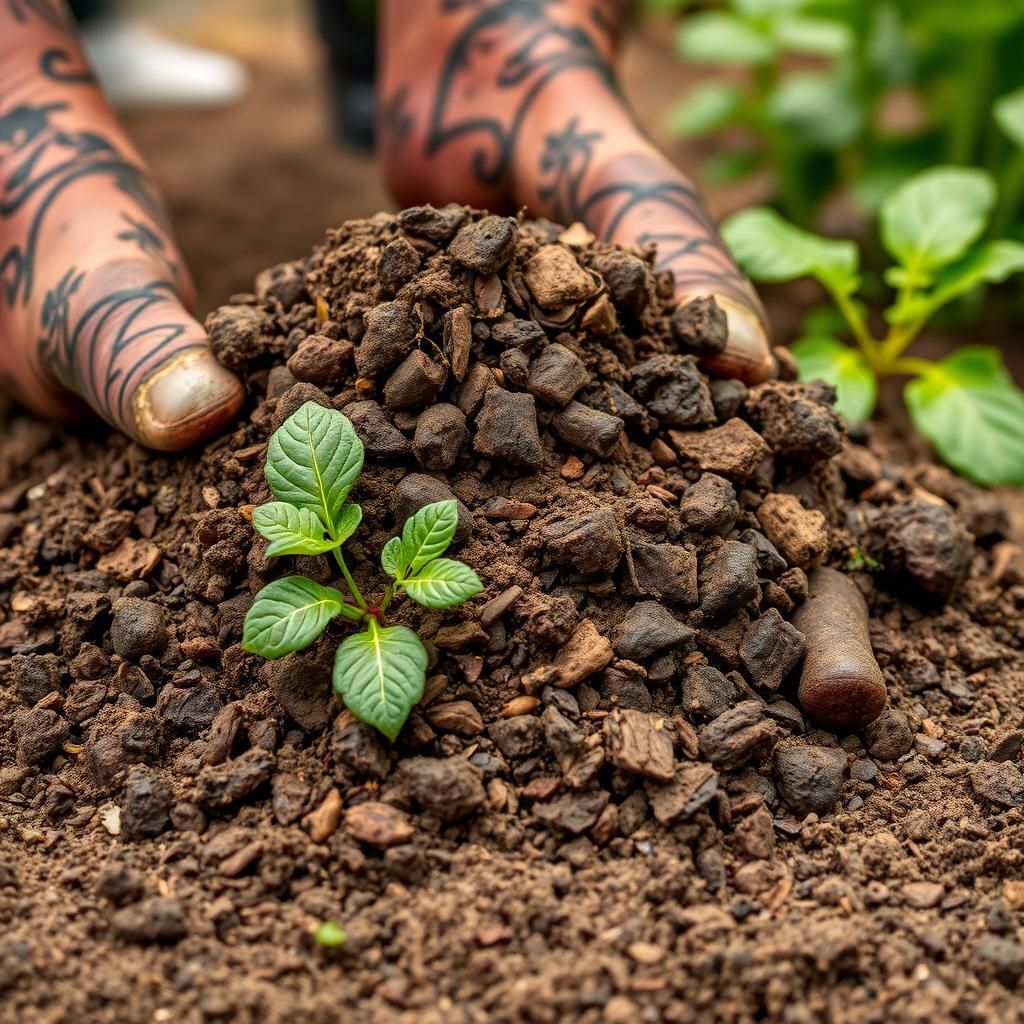
When it comes to nurturing your garden, choosing the right fertilizer is crucial for healthy plant growth. Among the various options available, animal manure stands out as a natural and effective choice. But not all manures are created equal—some can provide essential nutrients and improve soil structure better than others. This comprehensive guide will explore different types of animal manure, their nutrient content, and how to use them effectively. Whether you're a seasoned gardener or just starting, understanding which animal manure makes the best fertilizer can help you produce a flourishing garden that thrives in any season.
Which Animal Manure Produces the Best Fertilizer?
When it comes to determining which animal manure makes the best fertilizer, chicken manure often stands out due to its high nitrogen content, which is essential for plant growth. It also contains significant amounts of phosphorus and potassium, making it a balanced option for enriching soil. However, it's essential to compost chicken manure properly before use, as it can be too potent when fresh, potentially harming plants. Other contenders include cattle and horse manure, both of which are rich in nutrients but generally have a lower concentration of nitrogen compared to chicken manure. Ultimately, the choice of manure may also depend on the specific needs of the soil and the types of plants being cultivated.
Benefits of Chicken Manure
Chicken manure is celebrated for its high level of nitrogen, which is critical for promoting leafy growth in plants. In addition, it provides essential micronutrients that enhance soil fertility. When composted correctly, chicken manure can improve soil structure and water retention, making it an excellent option for gardeners seeking to maximize their yield.
Cattle Manure: A Nutritional Source
Cattle manure is another excellent source of fertilizer, often rich in organic matter and beneficial microbes that promote soil health. While it has a lower concentration of nitrogen compared to chicken manure, it helps improve soil texture and moisture-holding capacity. Moreover, cattle manure breaks down slowly, providing prolonged nutrient availability for plants over time.
The Advantages of Horse Manure
Horse manure is generally lower in nutrient content compared to chicken and cattle manure, but it offers unique advantages. It typically contains a higher proportion of carbon, making it a great addition to compost piles to balance nitrogen-rich materials. Additionally, horse manure is less odorous and tends to break down quickly, making it a convenient option for many gardeners.
See also:
Comparing Manure Types for Vegetable Gardens
When considering manure for vegetable gardens, it's crucial to evaluate their nutrient profiles. Chicken manure provides a quick nutrient boost, while cattle and horse manure contribute to long-term soil health and structure. A balanced approach combining different types can be beneficial. Overall, understanding the specific needs of your garden will help determine the best manure choice.
Application Methods for Animal Manure
There are various ways to apply animal manure, with options including top-dressing, incorporating it into the soil, or adding it to compost piles. Each method has its benefits; for instance, top-dressing allows for immediate nutrient access, while incorporating it into the soil enhances soil structure. Proper application timing is crucial to avoid nutrient run-off, thus ensuring responsible use.
| Manure Type | Nitrogen Content | Phosphorus Content | Potassium Content |
|---|---|---|---|
| Chicken Manure | High | Moderate | High |
| Cattle Manure | Low to Moderate | Moderate | Moderate |
| Horse Manure | Low | Low | Moderate |
Understanding Nutrient Content in Different Types of Animal Manure
When considering what animal manure makes the best fertilizer, it is crucial to understand the nutrient content provided by various types of manure. Chicken manure is often touted for its high levels of nitrogen, phosphorus, and potassium, making it a particularly effective fertilizer for promoting plant growth. On the other hand, cow manure has a more balanced nutrient profile and is rich in organic matter, which helps improve soil structure and water retention. Horse manure, while lower in nitrogen, contains a good amount of trace minerals and is prized for its capacity to enhance soil aeration. Rabbit manure is another excellent choice due to its high nitrogen content and the fact that it can be used fresh without the risk of burning plants due to its lower concentration of ammonia. By understanding these differences in nutrient content, gardeners can make informed choices about which type of animal manure will best suit their gardening needs.
Chicken Manure: High Nitrogen Powerhouse
Chicken manure is often regarded as one of the most potent fertilizers available due to its exceptionally high nitrogen content. This nutrient is essential for plant growth, particularly in leafy greens and vegetables. The phosphorus and potassium levels in chicken manure also support root development and flowering, making it versatile for various types of plants. However, it is important for gardeners to compost chicken manure before application to avoid the risk of burning plants and to ensure that pathogens are eliminated.
Cow Manure: The Balanced Nutrient Provider
Cow manure is a popular choice among gardeners because it provides a more balanced blend of nutrients compared to other types of animal manure. It typically contains lower levels of nitrogen than chicken manure but is rich in organic matter, which significantly improves soil structure. This allows for better water retention and drainage, thereby enhancing overall soil health. Due to its mild nutrient profile, cow manure can be applied directly to the garden without the same risks associated with stronger manures, making it a reliable option for long-term soil fertility.
See also:
Horse Manure: Organic Matter and Trace Minerals
Horse manure is often favored for its high content of organic matter, which helps improve soil health by promoting beneficial microbial activity. While it has a lower nitrogen content than chicken manure, it still provides essential nutrients and is enriched with various trace minerals that can benefit overall plant health. Additionally, horse manure is typically well-aged, which helps lower the risk of disease transmission. It can be directly incorporated into garden beds, enriching the soil with both nutrients and structure.
Rabbit Manure: Nutrient-Dense and Plant-Friendly
Rabbit manure is unique because of its high nitrogen content and the fact that it can be used fresh without causing damage to plants. It also contains valuable phosphorus and potassium, making it an effective fertilizer for a variety of crops. The small, dry pellets are easy to handle and can be scattered directly into garden beds or mixed into the soil. Additionally, rabbit manure contributes significantly to improving soil structure, ensuring a productive growing environment.
Goat Manure: A Gentle Fertilizer Alternative
Goat manure is often considered a gentler option compared to other types of animal manure. It has a balanced nutrient profile and is rich in organic matter, which aids in soil aeration and moisture retention. Goat manure typically has lower nitrogen levels, making it less likely to cause plant stress. It can be used fresh or composted, and its nutrient release is slower, providing a steady feed to plants over an extended period. This makes goat manure an excellent choice for new gardeners looking to enhance their soil without overwhelming their plants.
Questions from Our Readers
What animal manure is considered the best fertilizer?
The best animal manure for fertilizing plants often comes from poultry, such as chicken or duck manure. This type of manure is rich in nitrogen and phosphorus, making it highly effective in promoting plant growth. However, it should be composted properly to reduce the risk of pathogens and strong odors.
How should animal manure be applied to gardens?
When applying animal manure to gardens, it's important to compost it first to increase nutrient availability and kill potential pathogens. Once composted, it can be applied as a top dressing or incorporated into the soil, ideally at least a few weeks before planting to allow nutrients to integrate effectively.
See also:
Are there any limitations to using animal manure as fertilizer?
Yes, using animal manure has its limitations, including the potential for nutrient burn if applied fresh, which can harm plants. Additionally, there may be concerns regarding pathogens and contaminants that can affect food safety, so it is vital to source manure from healthy, well-managed animals.
How do different types of animal manure compare in nutrient content?
Different types of animal manure have varying levels of nutrients. For example, chicken manure is notably high in nitrogen, while cow manure provides a more balanced nutrient profile but is lower in nitrogen. Understanding these differences helps gardeners choose the right manure for their specific soil and crop needs.

If you want to read more articles like What Animal Manure Makes the Best Fertilizer? A Comprehensive Guide for Gardeners, we recommend you check out our Fertilised category.
Leave a Reply
Related Articles