Can a Plant Recover from Too Much Fertilizer? Essential Tips for Revival

Excessive fertilizer can be detrimental to plant health, leading to symptoms such as leaf burn, stunted growth, and nutrient imbalance. When a plant receives more nutrients than it can process, it becomes overwhelmed, causing stress and potential long-term damage. However, with appropriate care and intervention, recovery is possible. In this article, we will explore essential tips for reviving plants that have been over-fertilized. By understanding the signs of fertilizer overdose and implementing effective strategies, gardeners can help their beloved plants bounce back and thrive once again. Let’s delve into the steps necessary for a successful revival.
Can Plants Recover from Excess Fertilization?
Excessive fertilizer can lead to a condition known as fertilizer burn, which can severely damage a plant's roots and foliage. However, recovery is possible depending on the extent of the damage. If the plant has only been mildly affected, it may bounce back with appropriate care, such as flush watering to remove excess nutrients, adjusting the fertilization schedule, and providing optimal growing conditions. In more severe cases, it may take longer for the plant to recover, and in extreme instances, replanting may be necessary to save the affected species. Monitoring the plant closely for signs of recovery or further distress will be essential during this process.
Understanding Fertilizer Burn
Fertilizer burn occurs when a plant absorbs too many nutrients, especially nitrogen, leading to cell dehydration and damage to the root system. Common symptoms include yellowing of the leaves, browning leaf edges, and wilting, which can indicate that the plant is struggling to uptake water due to the salinity of the soil. Recognizing these signs early on can help in taking immediate corrective actions to mitigate damage.
Steps to Help a Plant Recover
If a plant is suffering from fertilizer burn, the first step is to stop fertilizing immediately. Next, it's advisable to thoroughly flush the soil with water to dilute and wash away the excess salts. Ensure that the pot has proper drainage to prevent waterlogging, which can further stress the roots. Monitoring the plant for signs of recovery, such as new growth, will guide how well your remedial measures are working and if further action is needed.
Long-Term Care After Over-Fertilization
After addressing fertilizer burn, it’s crucial to provide the plant with optimal growing conditions. This may include adjusting the light exposure, maintaining consistent moisture in the soil, and ensuring air circulation around the plant. Avoiding over-fertilization in the future by following a proper fertilization schedule will also be vital, as it will prevent reoccurrence. Regularly checking the soil nutrient levels can help maintain a healthy balance for the plant.
Signs a Plant is Recovering
Signs of recovery from fertilizer burn may include the appearance of new healthy growth, reduced leaf drop, or the re-greening of previously yellowing leaves. A plant that starts to show new buds or leaves is an encouraging sign that it is slowly regaining its strength. Monitoring these indicators carefully can help in determining if the recovery process is successful or if further intervention is required.
When to Seek Professional Help
In cases where a plant shows no signs of improvement after following remedial steps, or if the damage appears extensive, it may be time to consult with a professional horticulturist or a local nursery. Professionals can provide insights on whether the plant can be salvaged or if other actions, such as repotting or even replacing the plant, are more advisable. They can also offer tailored advice based on the specific type of plant and the environmental conditions.
| Step | Description |
|---|---|
| Stop Fertilizing | Cease all fertilization to prevent further nutrient overload. |
| Flush Soil | Water the plant thoroughly to wash away excess salts. |
| Monitor Conditions | Ensure the plant has optimal light, water, and airflow. |
| Observe Recovery Signs | Look for new growth or color improvement as indicators of recovery. |
| Consult Experts | Seek professional help if no improvement is observed. |
How to recover a plant from too much fertilizer?
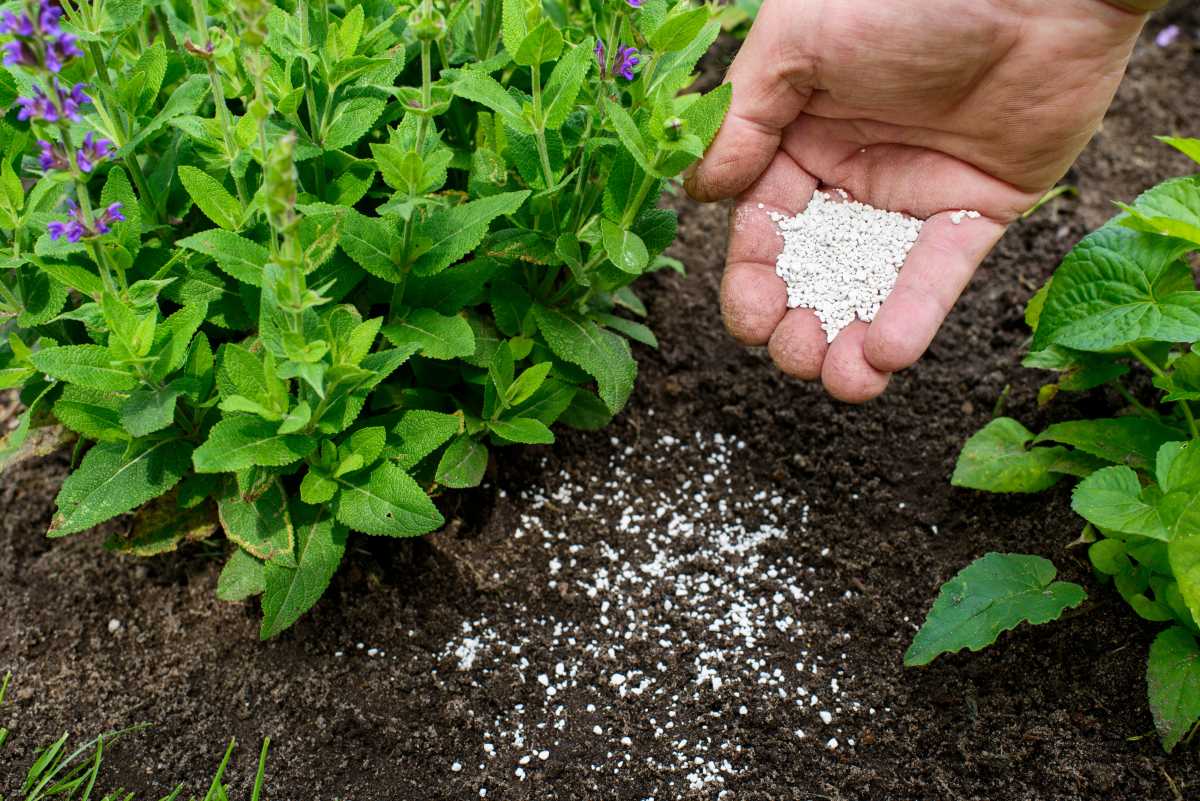
To recover a plant from too much fertilizer, it is essential to take immediate action to prevent further damage and to help the plant regain its health. Excessive fertilizer can lead to nutrient burn, which can manifest as yellowing leaves, brown tips, and stunted growth. Below are the steps you can follow to help your plant recover.
Identify the Symptoms of Over-Fertilization
Recognizing the signs of too much fertilizer is crucial for recovery. Common symptoms include:
- Leaf Burn: The edges of leaves may turn brown and crisp.
- Wilting: Despite adequate watering, the plant may appear droopy.
- Stunted Growth: The plant may stop growing altogether or grow at a much slower rate.
Flush the Soil
Flushing the soil can help remove excess fertilizer salts that can harm the plant. To flush the soil:
- Water Generously: Provide large amounts of water to the plant, allowing it to drain out from the bottom.
- Repeat Several Times: Ideally, do this a few times to ensure that the salts are washed away.
- Use Distilled Water: If possible, use distilled or rainwater since it doesn't contain minerals found in tap water.
Assess the Soil Drainage
Improving soil drainage is vital to prevent water from pooling, which can exacerbate nutrient issues. To assess and improve drainage:
- Check Pot Size: Ensure that the pot is an appropriate size for the plant to allow for healthy root growth.
- Add Drainage Material: If necessary, mix in perlite or sand to improve aeration and drainage.
- Repot if Needed: Consider repotting the plant in fresh soil if the current soil is overly compacted.
Adjust the Watering Schedule
Managing the watering schedule is essential after over-fertilization. Adjusting your watering can help the plant recover:
See also:
- Reduce Frequency: Allow the topsoil to dry out completely before watering again.
- Check Moisture Levels: Use a moisture meter or your finger to assess soil moisture before watering.
- Avoid Over-Watering: Over-watering can lead to root rot, especially after the soil has been fertilized excessively.
Monitor and Patience
After taking initial recovery steps, monitoring the plant closely is essential. Recovery takes time:
- Observe New Growth: Look for new leaves or growth as a sign that the plant is recovering.
- Check Leaf Color: Keep an eye on the leaf color—new growth should appear healthy and vibrant.
- Be Patient: Understand that recovering a plant can take several weeks or even months, depending on the severity of the over-fertilization.
How long does it take a plant to recover from fertilizer burn?
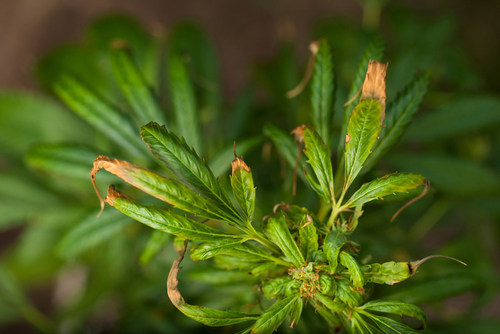
The recovery time for a plant from fertilizer burn can vary significantly based on several factors, including the severity of the burn, the type of plant, and the care provided during the recovery process. Generally, plants may take anywhere from a few days to several weeks to show signs of improvement. In cases of mild burn, a plant might recover within one to two weeks, while more severe burns can take two to four weeks or longer. It's important to monitor the plant closely and provide optimal conditions for healing.
Understanding Fertilizer Burn
Fertilizer burn occurs when excessive fertilizer concentration damages a plant's roots and foliage. This can happen due to over-fertilization or using too strong a mixture. Key points include:
- Symptoms of Burn: Yellowing leaves, browning leaf edges, and wilting are common indicators.
- Causes: High salt concentrations in fertilizers can draw moisture away, leading to stress.
- Plants Affected: Sensitive plants like ferns and seedlings are particularly vulnerable.
Initial Steps After Burn Occurrence
After noticing fertilizer burn, immediate corrective actions are crucial to minimize damage. This involves:
- Watering: Flush the soil with plenty of water to dilute the fertilizer concentration.
- Assessing Conditions: Ensure that the plant is in a suitable environment, with proper light and temperature.
- Pruning: Remove severely damaged leaves to redirect energy towards healthy growth.
Monitoring Plant Recovery
Monitoring is essential during the recovery phase to ensure the plant is responding positively. Keep an eye on:
- New Growth: Look for signs of new leaves or shoots, indicating recovery.
- Soil Moisture: Maintain adequate moisture without overwatering to avoid further issues.
- Pest Inspection: Watch for pests that may capitalize on the plant's weakened state.
Adjusting Future Fertilization Practices
Once a plant has recovered, it’s vital to adjust fertilization methods to prevent recurrence. Consider the following:
- Right Concentration: Use fertilizers at half the recommended strength initially.
- Application Frequency: Fertilize less often, allowing the plant time to absorb nutrients.
- Organic Options: Consider using organic fertilizers, which are generally safer for plants.
Long-Term Care Strategies
To promote healthy growth and resilience after a burn, implement long-term care strategies such as:
- Soil Health: Improve soil quality by adding organic matter or compost to enhance nutrient retention.
- Water Management: Ensure consistent watering practices to support healthy root development.
- Disease Prevention: Regularly inspect for diseases and pests to maintain plant health.
How to reverse too much fertilizer?
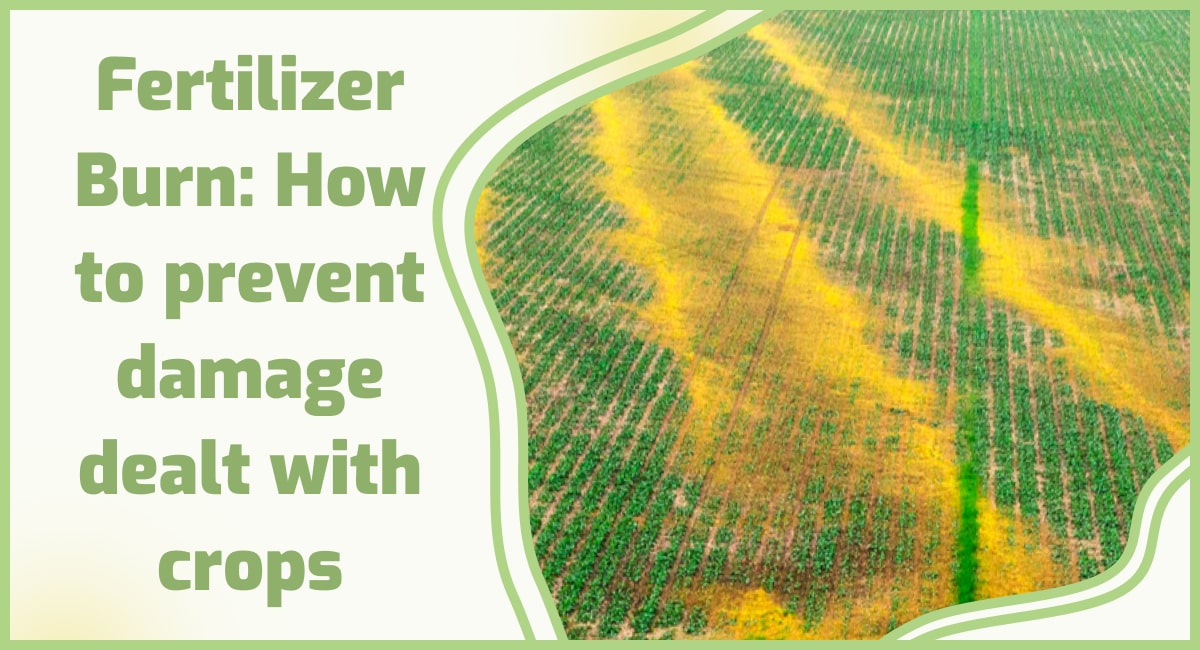
To reverse the effects of too much fertilizer, it's essential to take immediate action to mitigate damage to your plants. Over-fertilization can lead to nutrient burn, salt build-up, and can even damage root systems. Here are some effective strategies to correct the issue:
Identify Symptoms of Over-Fertilization
It is crucial to first recognize the signs that indicate your plants have received too much fertilizer. Common symptoms include:
- Leaf Burn: The tips of the leaves may turn brown and crispy.
- Wilting: Despite adequate watering, plants may look droopy.
- Stunted Growth: Excess nutrients can hinder growth instead of promoting it.
Flush the Soil
Flushing the soil can help remove excess fertilizer and salts. This involves:
- Watering Thoroughly: Use clean, lukewarm water to saturate the soil.
- Draining Excess Water: Ensure that the pot has good drainage and excess water can escape.
- Repeat as Necessary: You might need to repeat this process several times to fully flush out the nutrients.
Reduce Fertilizer Application
To prevent further issues, it's important to adjust your fertilization schedule:
See also:
- Cut Back on Fertilizer: Stop using fertilizer until the plants show signs of recovery.
- Use a Diluted Solution: When you resume fertilization, use a more diluted solution or less frequent applications.
- Choose Slow-Release Fertilizers: These can provide nutrients over a longer period without overwhelming the plants.
Improve Drainage and Soil Quality
Enhancing soil drainage can help mitigate the effects of over-fertilization:
- Amend the Soil: Add organic matter like compost or peat moss to improve soil structure.
- Use Well-Draining Pots: Ensure pots have adequate drainage holes to prevent water accumulation.
- Consider Soil Testing: Conduct a soil test to better understand nutrient levels and pH.
Monitor Watering Practices
Proper watering can assist in reversing the effects of too much fertilizer:
- Water Regularly: Keep the soil moist but not waterlogged to support the plant's recovery.
- Avoid Overwatering: Ensure the soil has time to dry out slightly between watering sessions.
- Observe Plant Changes: Monitor how your plants respond to changes in watering to find balance.
What happens if you fertilize your plants too much?

If you fertilize your plants too much, several negative consequences can occur that ultimately harm the plants instead of promoting healthy growth. Over-fertilization can lead to nutrient imbalances, toxicities, and even physical damage to the plant. Here’s an in-depth look at what can happen:
Negative Effects on Plant Health
Over-fertilization can lead to several adverse effects on plant health. Plants require nutrients in specific ratios, and too much fertilization can disrupt these ratios, leading to deficiency in other essential nutrients.
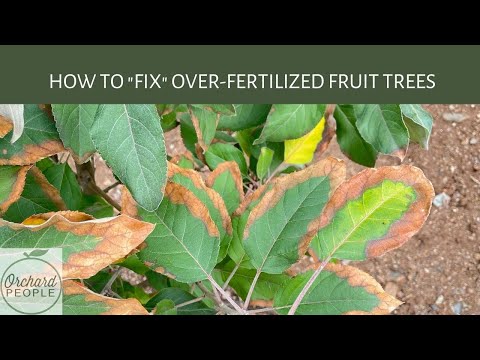
- Leaf Burn: Excessive nutrients, especially nitrogen, can cause the leaf edges to turn brown and crisp, known as leaf burn.
- Weak Root Development: Too much fertilizer can create a salty environment, making it difficult for roots to absorb water, leading to weak or stunted growth.
- Reduced Growth: Over-fertilized plants may exhibit reduced growth rates as they struggle to cope with excess nutrients.
Soil Health Degradation
Fertilizing too much can cause significant changes to the soil ecosystem. Healthy soil contains a balanced community of microorganisms that break down organic matter and help plants thrive.
- Microbial Imbalance: Excess fertilizer can harm beneficial soil microbes, leading to a reduced population of organisms that are essential for nutrient cycling.
- Soil Acidification: Some fertilizers can increase soil acidity, which can negatively affect the availability of nutrients to plants.
- Reduction of Soil Structure: Over-fertilization can lead to compacted soil, restricting root growth and water infiltration.
Toxicity to Plants
When plants absorb too many nutrients, they can suffer from toxicity, which can be fatal over time if not corrected.
- Nutrient Toxicity: Levels of nutrients such as nitrogen, phosphorus, and potassium can accumulate to toxic levels, causing harmful physiological effects.
- Symptoms of Toxicity: Common symptoms include leaf chlorosis, curled leaves, and abnormal growth patterns.
- Crop Yield Decline: In agricultural settings, nutrient toxicity can lead to a drastic decline in crop yield and overall health.
Pest and Disease Susceptibility
Over-fertilized plants are more prone to pests and diseases due to stress and weakened immune systems.
- Increased Pest Attraction: Plants that are over-fertilized may produce excess sap or new growth, attracting pests looking for high-energy food sources.
- Humidity Issues: Over-fertilization can lead to higher humidity around plants, creating a favorable environment for fungal diseases.
- Plant Stress: Stressed plants are less able to defend themselves against pathogens, leading to increased vulnerability.
Water Management Challenges
Excessively fertilized plants can create water management challenges, leading to inefficient water use.
- Salt Build-Up: Many fertilizers contain salts that can accumulate in the soil and impact water absorption negatively.
- Increased Water Usage: Over-fertilization can lead to the need for more frequent watering to help flush out excess salts.
- Poor Drainage: A high concentration of fertilizers can cause soil to become compacted, affecting drainage and increasing the risk of root rot.
Questions from Our Readers
Can a plant recover from too much fertilizer?
If a plant has received too much fertilizer, there is a chance it can recover with proper care. Reducing the fertilizer application and providing adequate water can help leach out the excess nutrients from the soil, promoting recovery.
What signs indicate a plant has been over-fertilized?
Signs of over-fertilization include yellowing leaves, brown leaf tips, stunted growth, and leaf drop. These symptoms are indications that the plant is struggling to handle the excessive nutrients.
How can I help a plant that has been over-fertilized?
To assist a plant suffering from over-fertilization, it's important to refrain from adding more fertilizer and instead focus on flushing the soil with water to dilute the nutrient concentration. Additionally, providing a stable environment and monitoring the plant's condition can aid recovery.
Is it better to use organic or synthetic fertilizers to prevent over-fertilization?
Using organic fertilizers can be beneficial in preventing over-fertilization since they release nutrients more slowly compared to synthetic fertilizers, which can lead to sudden spikes in nutrient levels. Organic options allow for better control over nutrient availability in the soil.
See also:
If you want to read more articles like Can a Plant Recover from Too Much Fertilizer? Essential Tips for Revival, we recommend you check out our Fertilise category.
Leave a Reply
Related Articles