Should You Change Compost in Pots Every Year? Essential Tips for Gardeners
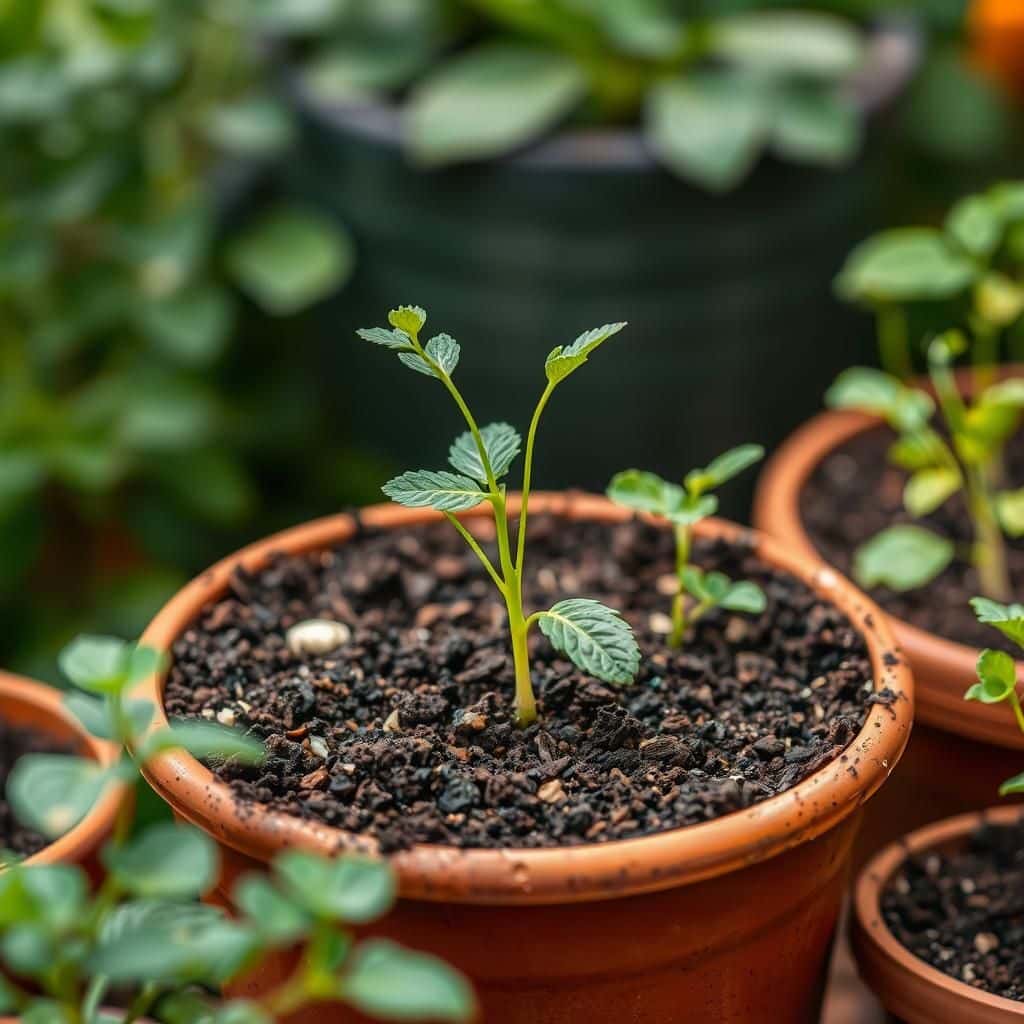
Maintaining healthy plants in pots involves more than just watering and sunlight; the quality of compost plays a crucial role. Many gardeners wonder whether they should replace the compost in their pots annually. Fresh compost can provide essential nutrients, improve soil structure, and enhance moisture retention, but frequent changes may also disrupt the balance of established plants. In this article, we will explore the benefits and drawbacks of changing compost every year, and offer essential tips to help you decide what’s best for your garden. Discover how to nurture your potted plants effectively while making the most of your gardening efforts.
Should You Change Compost in Pots Every Year?
Changing compost in pots annually is often recommended to ensure that plants receive the necessary nutrients for optimal growth. Over time, compost can break down, losing its nutrient content and structure, which can lead to poor drainage and reduced aeration in the soil. Furthermore, recurrent planting in the same compost may lead to the accumulation of pathogens or pests that adversely affect plant health. By replacing compost every year, you can provide a fresh supply of organic matter, improve soil structure, and maintain a healthy environment for your plants. However, it is important to evaluate the specific needs of each plant and the quality of the existing compost before deciding to replace it.
Benefits of Changing Compost Annually
Changing compost annually offers several benefits for potted plants. Fresh compost is typically rich in essential nutrients that enhance plant growth and flowering. It also improves soil structure, allowing for better water retention and aeration. Additionally, replacing old compost can minimize the risks of diseases and pests that may thrive in spent soil, keeping your plants healthier over time. Furthermore, new compost can introduce beneficial microorganisms that contribute to a healthy root environment, leading to improved overall plant vigor.
Signs That Your Compost Needs to Be Changed
Several indicators can signal the need for changing compost in pots. If you notice a foul odor emanating from the pot, it may suggest that the compost has become compacted or anaerobic, which is detrimental to plant health. Additionally, if the drainage appears to be poor or if water pools on the surface of the compost, it may indicate that the structure has degraded. Plants that exhibit stunted growth or show signs of nutrient deficiency, such as yellowing leaves, may also necessitate a compost change to refresh the nutrient profile.
How to Replace Compost in Pots
Replacing compost in pots involves a few straightforward steps. First, carefully remove the plant from its pot, taking care not to damage the roots. Next, gently shake off as much of the old compost as possible without harming the root system. Once the plant is removed, clean the pot thoroughly to eliminate any leftover residues that may harbor pests or diseases. Then, fill the pot with fresh compost, ensuring that it is well-aerated and nutrient-rich. Finally, replant your specimen and water it appropriately to help it acclimate to the new compost.
See also:
Considerations for Specific Plant Types
Different plants have varying requirements when it comes to compost changes. For example, tropical plants often benefit from annual compost replacements due to their high nutrient needs and growth rates. However, certain succulents and cacti may require less frequent changes, as they thrive in well-drained soils and can adapt to the nutrients available in their existing compost for longer periods. Understanding the specific requirements and growth habits of your plants can inform your decision on when to change the compost in their pots.
Impact on Environmental Sustainability
Changing compost annually can have implications for environmental sustainability. While using fresh compost contributes to healthy plant growth, it is important to consider the source of the compost. Utilizing organic compost made from recycled materials can minimize waste and reduce the carbon footprint associated with factory-produced fertilizers. Moreover, changing compost can lead to better water retention, reducing the need for irrigation and promoting responsible water use. By adopting sustainable practices in your gardening, you can contribute positively to the environment while ensuring the health of your plants.
| Benefits | Considerations | Environmental Impact |
|---|---|---|
| Improved nutrient content | Different needs for plant types | Promotes organic recycling |
| Better soil structure | Signs of nutrient deficiency | Reduces carbon footprint |
| Enhanced drainage | Proper compost quality | Conserves water |
Factors to Consider When Changing Compost Annually
When deciding whether to change compost in pots every year, it's important to consider plant health, nutrient depletion, and pest issues. Fresh compost can provide an infusion of essential nutrients that promote growth and flowering, especially if the previous compost has become compacted or has lost its structure over time. Additionally, even if plants seem healthy, the accumulation of old organic matter can harbor pests and diseases that may impact future growth. Therefore, evaluating the overall condition of the compost and the specific needs of the plants can guide gardeners in making an informed decision about replacing their potting mix.
Signs Your Compost Needs Changing
Identifying specific signs that indicate your compost requires changing is crucial for maintaining healthy plants. Some key indicators include poor drainage, a noticeable odor, or a decrease in plant growth. If you see that water is pooling on the surface or the compost feels overly dense, it can signal that it's time for a change. An unpleasant smell often indicates the presence of decomposing material that is no longer effective. Lastly, if plants are not thriving or are exhibiting symptoms of stress, this can also be a clear sign that the compost needs to be refreshed.
The Benefits of Fresh Compost
Using fresh compost brings numerous benefits to container gardening. It helps to replenish essential nutrients that may have been leached away during previous growing seasons. This renewal of nutrients not only supports stronger growth but also enhances the overall vitality of plants. Furthermore, fresh compost improves soil structure, ensuring better aeration and moisture retention. By replacing old compost, gardeners can also minimize the risk of disease transmission and provide a healthier environment for their plants to thrive.
See also:
Types of Compost Suitable for Pots
There are several types of compost suitable for container gardening, each with unique advantages. Peat-based mixes are popular for their moisture retention, while coir-based composts offer a more sustainable alternative. Additionally, composts enriched with organic fertilizers can give plants a nutrient-rich boost. When selecting compost, it's important to consider the specific needs of your plants, as some may prefer lighter mixes while others thrive in heavier, more nutrient-dense formulations.
How to Change Compost in Pots Effectively
Changing compost in pots effectively requires careful attention to ensure minimal disturbance to the plant's root system. Begin by gently removing the plant from the pot, taking care not to damage the roots. Shake off as much of the old compost as possible without harming the roots, then replace it with fresh compost, filling the pot up to a third of the way before reinserting the plant. After replanting, press down the new compost firmly to eliminate air pockets and ensure stability. Lastly, water the plant thoroughly to help it adjust to the new growing medium.
Frequency of Compost Change for Different Plants
The frequency of changing compost can vary depending on the types of plants you are growing. For fast-growing plants, like herbs or certain annuals, it might be beneficial to change the compost annually to provide fresh nutrients. On the other hand, slower-growing perennials may only require compost replacement every two or three years. Factors such as growth rate, pot size, and overall health of the plants should dictate your schedule for changing compost, ensuring that each type of plant receives the best conditions for optimal growth.
Questions from Our Readers
Should you change compost in pots every year?
It is recommended to change compost in pots every year to ensure that plants receive the necessary nutrients for optimal growth. Over time, the nutrients in compost can become depleted, which may affect plant health. Fresh compost can replenish essential elements and maintain a healthy environment for your plants.
What are the benefits of changing compost annually?
The benefits of changing compost annually include improved drainage, enhanced nutrient availability, and the reduction of pests and diseases. Fresh compost helps to create a more balanced soil structure, ensuring that plants have access to the nutrients needed for vibrant growth.
See also:
How do I change the compost in pots?
To change the compost in pots, start by removing the old compost around the roots carefully, making sure not to damage them. After that, replace it with fresh compost, spreading it evenly around the roots, and water it lightly to help settle the soil. This will create a nutrient-rich environment for your plants to thrive.
Can I reuse old compost?
Yes, you can reuse old compost if it is still in good condition, but it is advisable to mix it with fresh compost or amend it with fertilizers to boost its nutrient content. Ensure that the compost does not show signs of disease or pests, as this could harm your plants.

If you want to read more articles like Should You Change Compost in Pots Every Year? Essential Tips for Gardeners, we recommend you check out our Compost category.
Leave a Reply
Related Articles