What is the Cheapest Way to Start Composting? Top Tips for Budget-Friendly Composting Solutions
Composting is an eco-friendly practice that reduces waste and enriches soil, but many believe it requires a hefty investment. In reality, starting a composting project doesn't have to break the bank. With a little creativity and resourcefulness, you can set up an effective composting system on a budget. This article explores the cheapest ways to begin composting, providing top tips and innovative solutions that make it accessible for everyone. Whether you're a seasoned gardener or a beginner looking to reduce kitchen scraps, discover how to turn waste into nourishment without overspending.
What is the Cheapest Way to Start Composting?
Starting composting on a budget is entirely feasible with a few simple steps. The cheapest way to begin is by utilizing materials you already have at home, such as kitchen scraps like vegetable peels, eggshells, and coffee grounds, along with yard waste like leaves and grass clippings. Instead of investing in an expensive tumbler or bin, you can create a homemade compost pile in your backyard or use a designated corner of your garden. To accelerate the process and maintain balance in your compost, ensure you mix green materials (rich in nitrogen) with brown materials (rich in carbon). This method not only saves money but also minimizes waste, turning organic refuse into nutrient-rich compost that can enhance your garden’s soil.
Using Kitchen Scraps
One of the most effective and economical ways to start composting is by using kitchen scraps. Items such as fruit and vegetable peels, coffee grounds, and eggshells can be easily collected during meal preparation. These materials are often considered waste, but they can significantly contribute to your compost pile. By diverting food waste from landfills, you’re not only saving money but also promoting environmental sustainability, all while enriching your garden soil.
Utilizing Yard Waste
Another cost-effective approach to composting involves utilizing yard waste. Grass clippings, leaves, and small branches can be added to your compost pile for free, making this an ideal option for those with gardens or outdoor space. These brown materials are essential for a successful compost as they help balance the nitrogen-rich kitchen scraps. Instead of bagging yard waste for disposal, turning it into compost can not only enhance your garden but also reduce your waste disposal costs.
Creating a Compost Bin from Pallets
If you want a more organized composting process while still being budget-friendly, consider constructing a compost bin from pallets. Many businesses give away or sell used pallets for cheap or even for free. By assembling them into a simple square or rectangular structure, you can create a contained space for your compost materials. This DIY approach not only keeps materials contained but also encourages aeration, which is crucial for successful decomposition.
Composting in a Small Space
For those living in apartments or homes with limited outdoor space, vermicomposting can be an affordable solution. This method involves using red wriggler worms to break down organic waste in a small container. Starting a worm bin can be inexpensive, requiring only a basic plastic container and some bedding materials. Home composting using worms produces high-quality compost and can easily be done indoors or on a balcony, enabling anyone to partake in composting regardless of their living situation.
Using a Simple Pile Method
The simplest and least expensive method to start composting is by creating a compost pile directly on the ground. This method requires no special equipment and can be initiated quickly by simply choosing a spot in your yard to stack your organic waste. Layering green and brown materials while turning the pile occasionally helps to aerate it, promoting faster decomposition. This straightforward approach allows you to make compost for free, maximizing the use of readily available materials without any upfront costs.
| Material Type | Examples | Benefits |
|---|---|---|
| Kitchen Scraps | Fruit peels, vegetable scraps, coffee grounds | Reduces waste, contributes nitrogen |
| Yard Waste | Grass clippings, leaves, small branches | Free resource, adds carbon |
| DIY Bins | Pallets, wooden crates | Organizes compost, encourages aeration |
| Indoor Composting | Worm bins | Saves space, produces high-quality compost |
| Pile Method | Basic compost pile | No cost, easy to manage |
What is the cheapest method of composting?
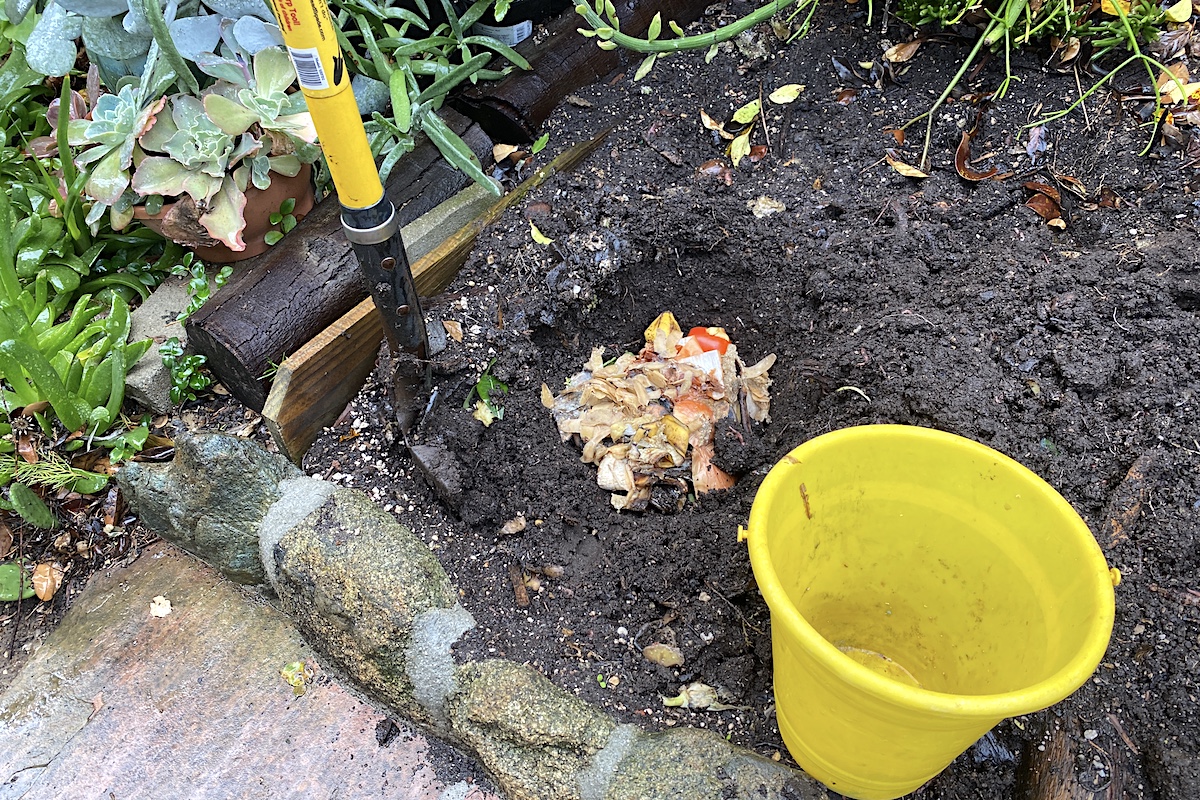
The cheapest method of composting is often referred to as cold composting. This method requires minimal investment and involves simply piling organic waste together and allowing it to decompose naturally over time. Here are some details regarding this method and related concepts.
Understanding Cold Composting
Cold composting is a passive approach to composting where materials are allowed to break down over several months to years without turning or maintaining high temperatures. This method is suitable for those who do not require a quick turnaround for compost.
- Minimal Effort: No need for constant monitoring or turning of the compost pile.
- Low Cost: Requires little to no investment in tools or bins.
- Time Investment: Takes longer to produce compost compared to hot composting methods.
Basic Materials Needed for Cold Composting
To start cold composting, you need a few basic materials that can often be found around your home or yard. These materials are usually free, making cold composting a very economical choice.
- Kitchen Scraps: Vegetable peels, fruit waste, coffee grounds.
- Yard Waste: Leaves, grass clippings, small branches.
- Cardboard and Paper: Shredded newspaper and cardboard can provide carbon.
Creating a Cold Compost Pile
Setting up a cold compost pile is straightforward and requires little more than a designated space in your yard or garden. Follow these simple steps to assemble your pile.
- Choose a Location: Select a well-drained spot with some shade.
- Layer Materials: Alternate layers of green (nitrogen-rich) and brown (carbon-rich) materials.
- Leave It Alone: Let nature do the work, checking occasionally for moisture.
Advantages of Cold Composting
Cold composting has several benefits that make it an attractive option for frugal gardeners and those who are patient enough to wait for compost to finish.
See also:
- Simplicity: No complicated techniques or equipment needed.
- Eco-Friendly: Reduces landfill waste without the need for synthetic processes.
- Soil Enrichment: Produces high-quality compost that enriches soil structure.
Challenges of Cold Composting
While cold composting is cost-effective and simple, it also comes with some challenges that one should be aware of before starting.
- Longer Decomposition Time: Compost can take 6 months to 2 years to fully decompose.
- Smell Issues: If not balanced, the pile may produce unpleasant odors.
- Pests Attraction: Improperly managed piles may attract rodents or insects.
How to start composting for free?

To start composting for free, you can follow a few simple steps using materials that are often readily available in your home and garden. Composting is a natural process that decomposes organic material, turning it into nutrient-rich compost that can enhance soil quality. Here’s how to begin your composting journey without spending any money.
Gathering Materials
To start composting for free, the first step is to gather materials that you already have at home or can easily find. You don’t need to buy a special compost bin to begin; you can use old containers or piles in your garden.
- Kitchen scraps: Collect vegetable peels, fruit cores, coffee grounds, and eggshells.
- Yard waste: Use dried leaves, grass clippings, and small branches.
- Other materials: Shredded newspapers or cardboard can provide carbon-rich materials.
Choosing a Composting Method
Next, decide on a composting method that suits your space and needs. There are various ways to compost, each with its benefits, and you do not need to spend any money on them.
- Pile composting: Simply pile your materials in a designated spot in your yard.
- Bin composting: Use any large container or bin to contain your compost, ensuring it has adequate air flow.
- Vermicomposting: If you can acquire worms, you can compost kitchen scraps using a worm bin made from available materials.
Layering Ingredients
A key factor in successful composting is how you layer your ingredients. Proper layering helps maintain aeration and moisture balance in the compost.
- Browns: Start with a layer of carbon-rich materials such as dry leaves, straw, or cardboard.
- Greens: Follow with green materials, which include kitchen scraps rich in nitrogen.
- Alternating layers: Continue to alternate between browns and greens to ensure a balanced compost mix.
Caring for Your Compost
To enhance the composting process, it’s vital to care for your compost properly. By doing so, you optimally break down the organic materials into compost.
- Aeration: Turn your compost pile regularly to introduce oxygen, which speeds up decomposition.
- Moisture control: Ensure your compost is moist but not waterlogged; it should feel like a damp sponge.
- Monitor temperature: Hotter piles decompose faster, so aim for a temperature that stays warm to the touch.
Using Finished Compost
Once your compost is ready, it’s important to know how to use finished compost effectively. Compost can significantly enhance the health of your soil and plants.
- Soil amendment: Mix compost into garden beds to improve soil texture and fertility.
- Mulching: Apply a layer of compost on top of the soil to retain moisture and suppress weeds.
- Top dressing: Use compost as a top dressing around plants for added nutrients.
What is the laziest way to compost?

The laziest way to compost involves minimal effort while still allowing you to recycle kitchen scraps and yard waste into valuable compost. This method typically requires the least amount of physical labor and oversight, making it suitable for those who want to garden sustainably without extensive commitment.
What is Lazy Composting?
Lazy composting refers to the practice of composting with minimal labor, resources, and maintenance. Instead of following complex composting methods, lazy composters can simply pile their organic waste in a designated area and let nature take its course. This method embraces the idea that composting doesn’t have to be a labor-intensive or time-consuming task.
- Benefits of Lazy Composting: It saves time and effort, allowing materials to decompose naturally while enriching the soil.
- Environmentally Friendly: This method contributes to reducing landfill waste without requiring significant effort.
- Cost-Effective: There is no need for purchasing special tools or compost bins.
Best Materials for Lazy Composting
When opting for lazy composting, it's essential to know which materials work best. The ideal items to include are kitchen scraps, yard waste, and other organic materials, as they break down naturally over time. However, it is important to balance green and brown materials to support the composting process.
- Kitchen Scraps: Vegetable peelings, fruit scraps, and coffee grounds.
- Yard Waste: Leaves, grass clippings, and small branches.
- Other Organics: Shredded paper and cardboard can also be used.
How to Start Lazy Composting
To start lazy composting, designate an area in your yard or garden for your compost pile. You don't need a fancy bin; simply create a pile and begin layering your organic materials. Over time, these layers will decompose, turning into nutrient-rich compost with minimal intervention.
See also:
- Choose a Spot: Find a suitable location in your garden.
- Layer Properly: Alternate between green and brown materials as you build your pile.
- Leave It Alone: Allow nature to do its work while periodically adding materials.
Maintaining Your Lazy Compost
The beauty of lazy composting lies in its low maintenance nature. However, occasionally checking the pile and ensuring a proper balance of materials can help speed up the decomposition process. You won’t need to turn the pile regularly, but making sure it stays somewhat moist can improve results.
- Check Moisture Levels: Add water if the pile appears too dry.
- Monitor Temperature: A warm pile is a sign of active decomposition.
- Be Patient: Understand that breaking down can take time.
Using Lazy Compost Benefits in Your Garden
Once your lazy compost has broken down into dark, crumbly soil, it becomes a valuable resource for your garden. This nutrient-dense compost can enhance soil health, improve plant growth, and reduce the need for chemical fertilizers.
- Improve Soil Structure: The compost adds organic matter to the soil.
- Increase Nutrient Availability: Nutrients from compost promote healthier plant growth.
- Encourage Microbial Life: A rich compost promotes a thriving ecosystem in your garden.
Do countertop compost machines really work?

Countertop compost machines are designed to speed up the composting process by breaking down organic materials quickly and efficiently. They use various methods, including heat, grinding, and sometimes a combination of aeration, to convert food scraps into nutrient-rich compost in a matter of hours or days rather than weeks or months. Many of these machines claim to produce compost that can be used for gardening and other purposes, but their effectiveness can vary depending on several factors.
Effectiveness of Countertop Compost Machines
The effectiveness of countertop compost machines often hinges on their design and technology. Some machines can process a wide range of materials, while others may be more limited in what they can compost. It's essential to consider the following points:
- Material Compatibility: Different machines have varying capabilities in terms of what organic waste they can handle. Some can digest fruit and vegetable scraps, while others can handle dairy or meat.
- Speed of Composting: Always check how quickly the machine promises to produce compost. Some machines provide results in hours, while others might take days.
- Output Quality: The end product should be checked for consistency and nutrient content. Good-quality compost should be dark, crumbly, and have a pleasant earthy smell.
Convenience and Space Saving
One of the key benefits of using countertop compost machines is their convenience and compactness. They are designed for home use, meaning they can fit in small kitchens without taking up too much space. Consider these factors:
- Easy to Use: Most countertop models are straightforward and require minimal setup, making them user-friendly for people with busy lifestyles.
- Space Efficiency: These machines often have a small footprint, allowing them to be placed on countertops or kitchen islands without cluttering your living space.
- Odor Control: Many modern models feature odor-reducing technologies, which help eliminate unpleasant smells that could arise from composting food scraps.
Cost Considerations
The price of countertop compost machines can vary significantly, impacting your choice. It is essential to evaluate the costs in relation to the features and benefits offered. Here are some key points:
- Initial Investment: Some machines are relatively affordable, while others may come with a higher price tag due to advanced technology.
- Long-Term Savings: Consider the potential savings on waste disposal fees and the benefits of using homemade compost for gardening, which can offset initial costs.
- Maintenance Costs: Investigate whether the machine requires additional purchases, such as filters or additives, and how frequently these need to be replaced.
Environmental Impact
Countertop compost machines can play a valuable role in reducing food waste and contributing to more sustainable living practices. Here are some insights:
- Waste Reduction: By composting kitchen scraps at home, you can significantly reduce the amount of waste sent to landfills, where organic material decomposes inefficiently and produces methane.
- Nutrient Cycling: Composting at home allows you to return nutrients back to the soil, promoting healthier plant growth and reducing the need for chemical fertilizers.
- Educational Opportunities: Using a countertop compost machine can provide an excellent opportunity to learn about composting practices and inspire others in your community to join in sustainable efforts.
User Experiences and Reviews
Considering user feedback is crucial for understanding the real-world effectiveness of countertop compost machines. Common themes in reviews include:
- Customer Satisfaction: Many users report high levels of satisfaction with their machines, particularly those that produce high-quality compost quickly.
- Ease of Use: Users often praise machines that are straightforward to operate and clean, making the composting process more enjoyable.
- Performance Issues: Some users encounter difficulties with specific materials or experiences with slower than expected composting times, highlighting the importance of machine selection according to personal needs.
Questions from Our Readers
What materials do I need to start composting cheaply?
To start composting cheaply, you primarily need organic waste such as fruit and vegetable scraps, coffee grounds, and grass clippings. You can also utilize cardboard, newspapers, and leaves as a carbon source. These materials can be found easily in your home or yard, making them a cost-effective way to begin composting.
Can I compost without buying a bin?
Yes, you can definitely compost without buying a bin by simply choosing to create a compost pile in your backyard. Designating a corner of your garden or using a wire mesh or wooden enclosure can help contain your compost while keeping costs low. Just ensure proper aeration and regular turning to facilitate decomposition.
How long does it take to start seeing compost?
The time it takes to see usable compost can vary, but generally, it can take anywhere from three months to a year depending on factors like materials used and maintenance practices. To speed up the process, make sure to maintain a good balance of green and brown materials and turn the pile regularly for aeration.
Are there any specific tips for composting on a budget?
To compost on a budget, focus on using kitchen scraps and yard waste while avoiding the purchase of expensive additives. Additionally, try to source free materials like leaves and grass clippings from friends or neighbors, and consider collecting compostable items from local restaurants or cafes.
See also:

If you want to read more articles like What is the Cheapest Way to Start Composting? Top Tips for Budget-Friendly Composting Solutions, we recommend you check out our Compost category.
Leave a Reply
Related Articles