Explore Brunet Meadow - Blue Mountains Botanic Garden: A Hidden Gem in Nature
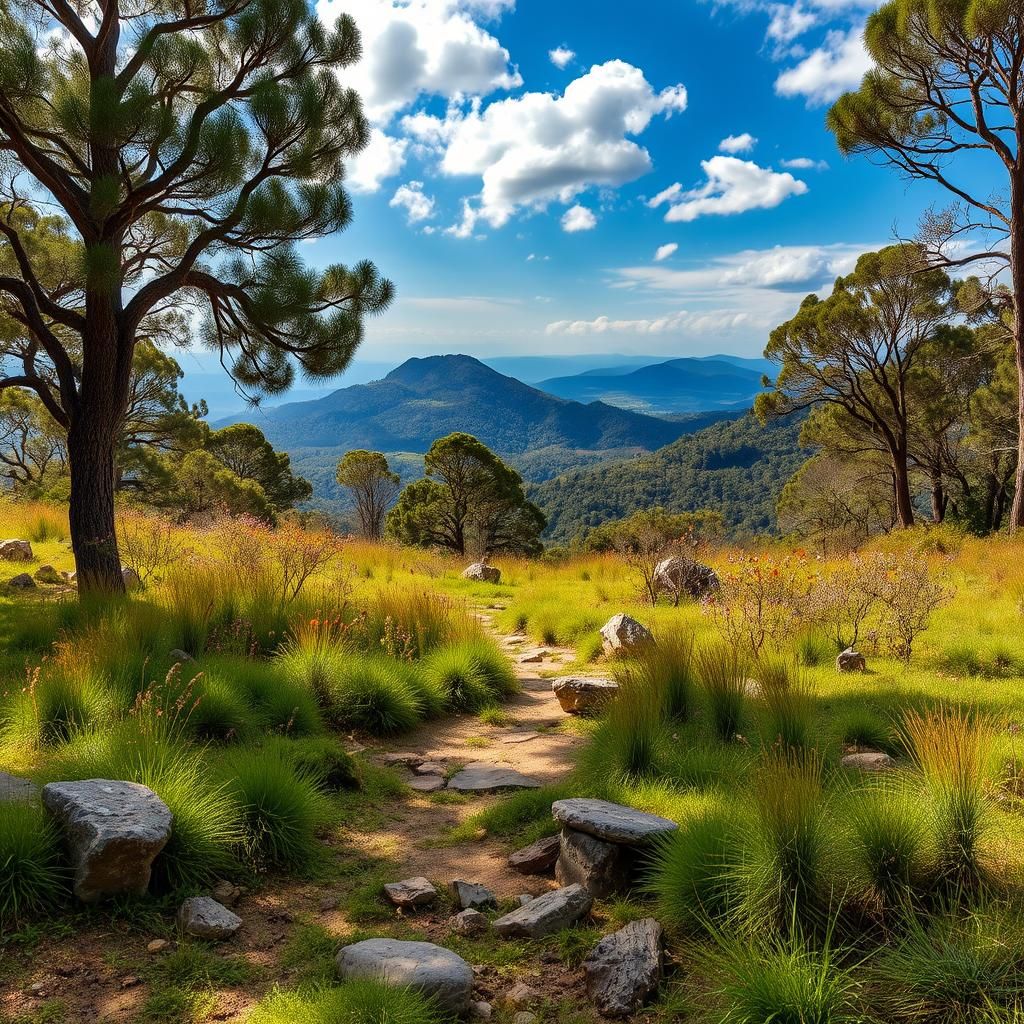
Nestled within the stunning Blue Mountains Botanic Garden, Brunet Meadow is a hidden gem waiting to be explored. This serene landscape, adorned with vibrant flora and tranquil surroundings, offers a perfect escape for nature enthusiasts and casual visitors alike. With its diverse plant life and picturesque vistas, Brunet Meadow serves as an idyllic backdrop for relaxation, photography, and leisurely walks. Whether you're seeking solitude or a family outing, this enchanting spot invites you to immerse yourself in the natural beauty of the Blue Mountains. Discover the charm and tranquility that Brunet Meadow has to offer and connect with the wonders of nature.
Brunet Meadow: A Serene Oasis in the Blue Mountains Botanic Garden
Brunet Meadow, situated within the stunning Blue Mountains Botanic Garden, offers visitors a tranquil and picturesque landscape that showcases the unique flora of the region. This vast expanse of native wildflowers, grasses, and shrubs provides an excellent opportunity for visitors to connect with nature and observe the biodiversity that thrives in this environment. The strategically designed paths and viewing areas allow for easy exploration, and the garden plays a key role in conservation efforts, particularly with the protection of rare and endangered plant species. Whether you are a nature enthusiast, a photographer, or looking for a peaceful spot for reflection, Brunet Meadow serves as an ideal destination to immerse oneself in the natural beauty of the Blue Mountains.
The Importance of Native Flora
Brunet Meadow is specifically designed to promote native flora, which plays a crucial role in maintaining the local ecosystem. By showcasing plants that are indigenous to the area, the garden helps support local wildlife, including various pollinators such as bees and butterflies. These plants are more adaptable to the local climate, require less maintenance, and contribute to the overall biodiversity of the region, making them essential for sustainable landscaping and habitat restoration.
Visitor Facilities and Accessibility
The Blue Mountains Botanic Garden, including Brunet Meadow, is equipped with various facilities to ensure that all visitors have a comfortable experience. There are well-maintained walking paths, picnic areas, and informative signage throughout the garden. Additionally, the terrain is designed to be accessible to individuals with mobility challenges, providing ramps and smooth surfaces to enhance the overall experience. Visitors can also find restrooms and an information center to assist with any inquiries they might have during their visit.
Seasonal Attractions
As the seasons change, Brunet Meadow transforms, offering a unique experience for visitors throughout the year. In spring, vibrant wildflowers bloom, creating a spectacular display of color, while summer brings lush greenery and increased wildlife activity. Autumn showcases a lively palette of orange, red, and yellow hues as the leaves change, and in winter, the tranquil beauty of dormant plant life sets a serene scene, often attracting photographers and nature lovers alike.
Educational Programs and Workshops
The Blue Mountains Botanic Garden frequently hosts educational programs and workshops that focus on native plants, sustainable gardening, and conservation practices. These programs are designed to engage the community and provide valuable skills and knowledge for individuals interested in gardening and environmental stewardship. Participants can learn from knowledgeable staff and gain hands-on experience that promotes a deeper understanding of the importance of preserving and nurturing native ecosystems.
Wildlife Observation Opportunities
Brunet Meadow offers excellent opportunities for wildlife observation, making it a hotspot for birdwatchers and nature lovers. The diverse range of native plants attracts various species of birds, insects, and small mammals. The garden encourages the observation of these wildlife interactions within their natural habitat, allowing visitors to experience the beauty of nature in its most authentic form. Whether through guided walks or independent exploration, Brunet Meadow provides a rich environment for those interested in the local fauna.
| Feature | Description |
|---|---|
| Native Flora | Showcases indigenous plants that support local wildlife and biodiversity. |
| Visitor Accessibility | Offers facilities for comfortable exploration and engagement for all visitors. |
| Seasonal Beauty | Each season brings unique landscapes and experiences for visitors. |
| Educational Workshops | Programs that promote sustainable gardening and conservation practices. |
| Wildlife Observation | A perfect spot for observing a variety of birds and native fauna in their natural setting. |
How much does it cost to go to the Blue Mountain botanic garden?
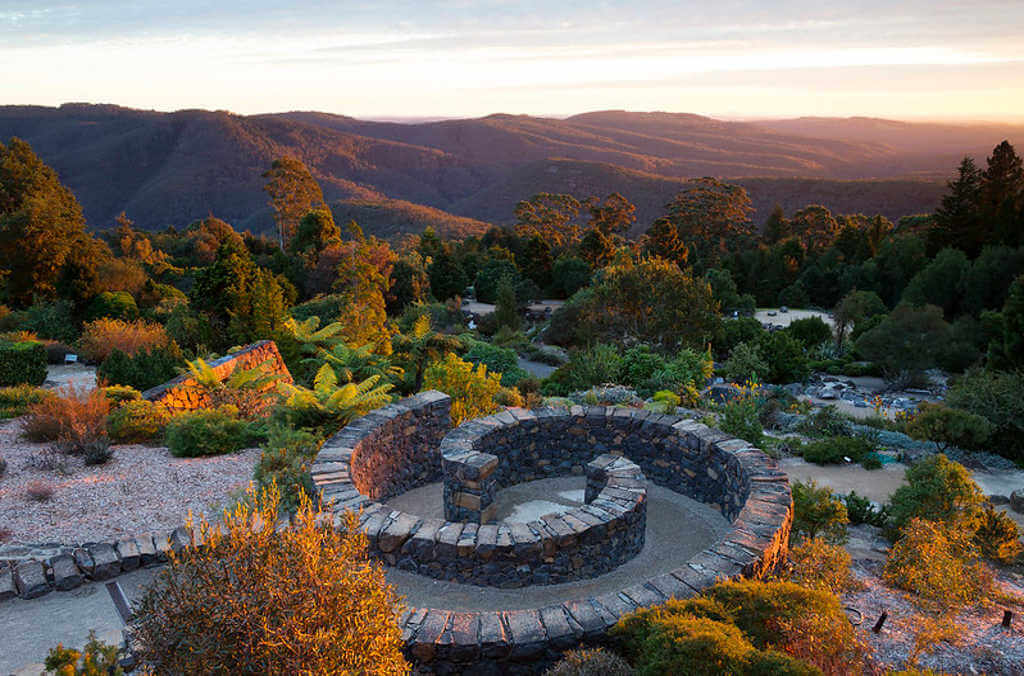
The cost to visit the Blue Mountains Botanic Garden varies depending on several factors. As of the latest information, general admission to the garden is free. However, there are special events and activities that may incur a fee.
Admission Fees
The basic admission to the Blue Mountains Botanic Garden is free for all visitors. However, certain events, workshops, and guided tours may have associated costs. Here are some details regarding admission fees:
See also:
- General Admission: Free for individuals and families.
- Special Events: Pricing varies based on the event and may range from $10 to $50.
- Guided Tours: These typically cost around $15 to $30 depending on the duration and content of the tour.
Additional Costs
While admission is free, there are still some additional costs associated with a visit to the garden:
- Parking Fees: There is a parking fee which can range from $7 to $15 for the day.
- Food and Beverages: Visitors may choose to dine at the on-site café, where prices for meals can vary.
- Souvenirs: The gift shop offers various items, and prices can range from $5 to over $50.
Membership Options
For frequent visitors to the Blue Mountains Botanic Garden, membership may be a cost-effective option:
- Individual Membership: Approximately $50 per year, offering benefits like discounts on events.
- Family Membership: Usually around $80 per year, providing similar perks for families.
- Lifetime Membership: A one-time fee of about $500, offering lifelong benefits and access.
Transportation Costs
If you're visiting the garden from a distance, consider the transportation costs:
- Public Transport: Buses and trains are available, with fares generally around $5 to $15.
- Car Rental: If opting to rent a car, prices can start at $30 per day, plus fuel.
- Taxi Services: A taxi ride from nearby cities could cost between $50 to $100.
Facilities and Amenities
While exploring the Blue Mountains Botanic Garden, various facilities enhance the experience:
- Restrooms: Available throughout the garden, no charge for use.
- Picnic Areas: Designated spots for visitors bring their food, encouraging a packed lunch amidst nature.
- Educational Programs: Many programs are free or at a low cost, promoting learning about flora and conservation.
What is the oldest botanical garden in the US?

The oldest botanical garden in the United States is the Bartram's Garden, located in Philadelphia, Pennsylvania. Founded in 1728 by John Bartram, a notable botanist and explorer, this garden has played a significant role in the history of botany in America. It covers approximately 45 acres and includes a diverse collection of plants gathered from various parts of the world. The garden is recognized for its historical importance and its contributions to plant cultivation and education in America.
History of Bartram's Garden
Bartram's Garden has a rich and storied history that reflects the evolution of botanical sciences in the United States. Established by John Bartram after receiving a royal charter from King George II of England, the garden began as a private collection of native and exotic plants. Over the years, it became a meeting place for prominent figures, including William Bartram, John’s son, who further expanded the garden by documenting various plant species.
- Founded in 1728 by John Bartram.
- Received a charter from King George II.
- Documented numerous plants, contributing to American botanical knowledge.
Significance in American Botany
Bartram's Garden is significant not only for its age but also for its influence on the study of botany in the United States. It served as an educational site where visitors could learn about various plant species, their environments, and cultivation methods. This educational aspect has made it a vital resource for botanists, researchers, and horticulturists seeking to expand their understanding of plant biodiversity.
- Influenced the study of American flora.
- Provided education on plant care and cultivation.
- Serves as a resource for both amateur and professional botanists.
Plant Collections
The collection at Bartram's Garden includes a vast range of plant species, both native to North America and introduced from other regions. Visitors can find a variety of trees, shrubs, herbs, and flowers that highlight the rich biodiversity of plants suitable for different climates and soils. The garden features rare and endangered species, promoting awareness and conservation efforts.
- Diverse collection of native and exotic plants.
- Focus on rare and endangered species.
- Highlights the importance of plant diversity and conservation.
Educational Programs
Bartram's Garden offers a variety of educational programs aimed at different age groups and expertise levels. These programs include workshops on gardening, conservation techniques, plant identification, and sustainable practices. The garden actively promotes community engagement, inspiring individuals to connect with nature and understand the role of plants in our ecosystem.
See also:
- Workshops on gardening and plant care.
- Conservation techniques and practices.
- Community engagement and outreach programs.
Current Status and Preservation
Today, Bartram's Garden is a designated historic landmark and continues to be an active botanical garden. It is overseen by a dedicated team working towards preservation efforts, ensuring the garden remains a vibrant space for research and recreation. The garden is open to the public and hosts various events throughout the year, inviting people to experience its historical and botanical significance.
- Designated as a historic landmark.
- Active preservation and conservation efforts.
- Regular public events to promote botanical knowledge.
Is entry to Royal Botanic Gardens free?
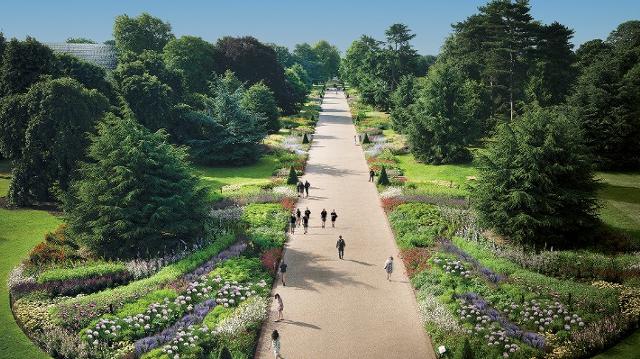
Entry to the Royal Botanic Gardens is not universally free; it varies by location and specific areas within the gardens. For instance, some sections may offer free admission, while others may require tickets to access specific attractions or experiences. Below, the details about entry fees, free access opportunities, and additional related topics are discussed.
Admission Fees Overview
The Royal Botanic Gardens often have varying admission fees depending on the specific location and event. Here are the key points regarding admission:
- General Entry: Many of the gardens offer free general entry; however, key attractions may charge a fee.
- Special Events: Certain events and exhibitions might have dedicated ticket prices that are not included in the free entry.
- Concessions: Discounts may be available for students, seniors, or large groups.
Free Areas and Attractions
While some parts of the Royal Botanic Gardens may require tickets, there are often several areas that can be enjoyed without any cost.
- Public Gardens: Visitors can walk through the general garden areas and enjoy the flora without any entrance fee.
- Seasonal Displays: Certain seasonal displays may be accessible at no charge, providing great opportunities for photography and exploration.
- Educational Programs: Some educational programs may allow free access to certain sections of the gardens as part of the learning experience.
Membership Options
For frequent visitors, considering a membership can be beneficial. Membership offers several perks, which might include:
- Unlimited Access: Members often enjoy unlimited access to all areas of the gardens, including special exhibits.
- Exclusive Events: Membership may grant invitations to members-only events and previews.
- Discounts: Members often receive discounts on items from garden shops or cafés on the premises.
Visitor Tips for Planning Your Visit
Planning your visit to the Royal Botanic Gardens can enhance your experience, especially regarding free access:
- Check the Schedule: Review any specific events or exhibitions happening during your intended visit that may require fees.
- Visit During Free Days: Some gardens may have designated free days or community days where all access is complimentary.
- Explore All Areas: Make sure to explore the parts of the garden that do not require tickets for a full experience without cost.
Conclusion on Accessibility
Accessibility is a prominent feature in the design of the Royal Botanic Gardens, allowing visitors to enjoy natural beauty with varied options regarding entry fees:
- Wheelchair Access: Most areas are designed to be accessible for individuals with mobility challenges, ensuring everyone can enjoy the gardens.
- Family-Friendly Zones: Designated spaces for families mean children can enjoy nature without an additional fee.
- Public Transport Options: Easy access via public transport makes it convenient to visit without the need for costly parking.
Questions from Our Readers
What is Brunet Meadow?
Brunet Meadow is a beautiful natural area located within the Blue Mountains Botanic Garden, known for its stunning native flora and rich biodiversity. It offers visitors a chance to enjoy peaceful walking trails and observe local wildlife in a serene setting.
How can I access the Blue Mountains Botanic Garden?
Visitors can access the Blue Mountains Botanic Garden via car or public transport, with well-signposted roads leading to the main entrance. The garden is typically open from 9 AM to 5 PM, making it easily accessible for a day trip.
See also:
Are there any facilities available at the garden?
Yes, the Blue Mountains Botanic Garden provides several facilities, including restrooms, picnic areas, and a café where visitors can relax and enjoy refreshments. There are also educational displays and guided tours available for a more enriching experience.
What types of plants can be found in Brunet Meadow?
Brunet Meadow features a variety of native Australian plants, showcasing an array of wildflowers, shrubs, and trees that thrive in the local climate. Visitors can expect to see species that are unique to the Blue Mountains region, providing a valuable opportunity for botanical enthusiasts.

If you want to read more articles like Explore Brunet Meadow - Blue Mountains Botanic Garden: A Hidden Gem in Nature, we recommend you check out our Landscaping category.
Leave a Reply
Related Articles