How Much Does It Cost to Build a Wood Trellis? A Comprehensive Guide to Budgeting and Materials
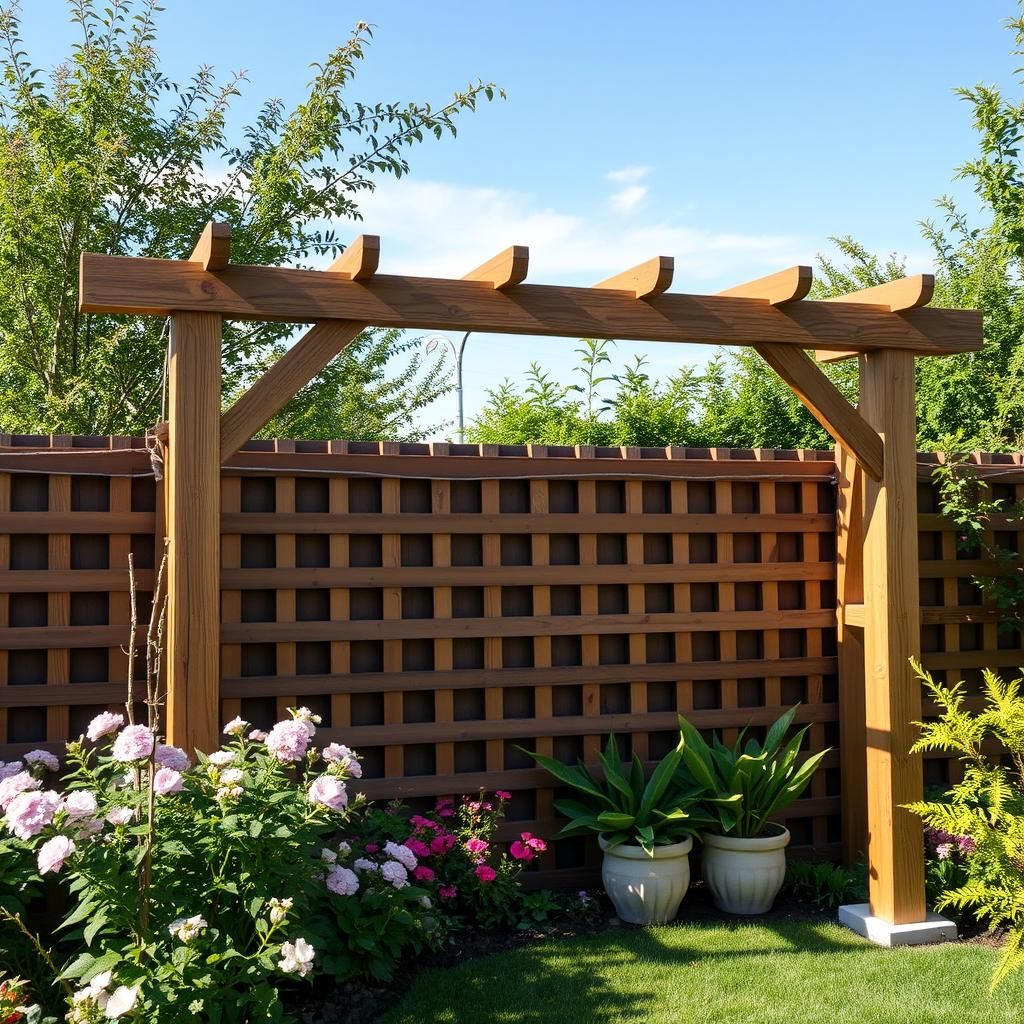
Building a wood trellis can enhance your garden's aesthetic while providing a support structure for climbing plants. However, understanding the costs involved is crucial for effective budgeting. This comprehensive guide will explore the various factors that influence the overall expense of constructing a wood trellis, including materials, tools, and labor. By breaking down each element, we aim to equip you with the necessary information to make informed decisions and ensure your project stays within budget. Whether you're a DIY enthusiast or hiring a professional, knowing what to expect financially will pave the way for a successful garden upgrade.
Understanding the Cost of Building a Wood Trellis
Building a wood trellis can vary significantly in cost depending on various factors, including the size of the trellis, the type of wood used, and additional materials or labor required. On average, the cost for materials alone can range from $100 to $500, while including professional installation can raise the overall price to between $300 and $1,200. It is essential to factor in the design complexity, local lumber prices, and any additional finishing touches that may enhance the final product. By carefully considering each of these aspects, homeowners can plan their budget more effectively for a beautiful and functional wood trellis.
Material Costs
The material costs for building a wood trellis typically include the price of lumber, which can differ based on the wood species chosen. Common choices such as cedar, redwood, or pressure-treated lumber each come with distinct price points, where cedar may start at about $2 to $3 per linear foot, while redwood can reach up to $4 to $6 per linear foot. Additionally, if you opt for decorative elements such as brackets or custom cuts, this will further add to the material expenses.
Labor Expenses
If you choose to hire a professional to construct your wood trellis, the labor expenses can significantly impact the total cost. Most contractors charge between $50 to $100 per hour, with straightforward projects taking around 3 to 6 hours to complete. Therefore, including labor in your budget is crucial; for example, hiring a professional for a standard size trellis might add an extra $150 to $600 to your total project cost.
Design Complexity
The design complexity of your wood trellis plays a pivotal role in determining the overall cost. A basic rectangular trellis will be cheaper, averaging around $100 to $300, compared to more intricate designs, which may involve multiple layers or unique shapes, potentially costing $400 to $1,000 or more. Customized designs often require more precise cuts and additional features that can substantially increase labor and material costs.
Location and Site Preparation
Location also influences the cost of a wood trellis. If you live in a region where timber is less accessible or if your site requires extensive preparation, such as leveling the ground or clearing vegetation, the overall project costs can increase. For instance, preparation work could add anywhere from $50 to $200 to the initial budget, depending on the extent of the necessary labor.
Maintenance Costs
While the initial cost to build a wood trellis is important, it’s equally crucial to consider the maintenance costs over time. Wood trellises typically require periodic sealing, staining, or painting to protect against weather damage, which can cost about $50 to $150 every few years. Additionally, regular inspections for any damaged wood or structural issues can result in further costs. Proper maintenance not only prolongs the lifespan of your trellis but also helps maintain its appearance and integrity.
| Cost Factors | Estimated Cost Range |
|---|---|
| Materials | $100 - $500 |
| Labor | $150 - $600 |
| Design Complexity | $100 - $1,000 |
| Location Preparation | $50 - $200 |
| Maintenance | $50 - $150 (every few years) |
Is it cheaper to build a trellis?

Building a trellis can indeed be a cost-effective option compared to buying a pre-made one, but the overall expenses depend on various factors, including materials, tools, and design complexity. By constructing your own trellis, you can also customize it to fit your specific needs and preferences, potentially saving even more money. Below, the different aspects of cost-effectiveness in building a trellis are explored.
Material Costs
When considering whether it is cheaper to build a trellis, the cost of materials plays a crucial role. The materials you choose can vary significantly in price.
- Wood - Pressure-treated lumber is commonly used, which can range in price based on the type and quality.
- Metal - Options like powder-coated steel or aluminum tend to be more expensive but may last longer.
- Vinyl - This material can offer durability at a moderate price but has different aesthetic qualities.
DIY vs. Pre-Made Options
The choice between building a trellis yourself (DIY) or purchasing a pre-made option can drastically affect costs.
- DIY - Building your own trellis allows you to select affordable materials and potentially use existing tools, saving on labor costs.
- Pre-Made - Store-bought trellises often come with a premium price tag for convenience and design.
- Customization - A DIY trellis can be tailored to specific dimensions and styles, which can enhance utility without additional cost.
Tools Required
The type and availability of tools required for building a trellis can influence overall cost.
- Basic Tools - Tools like saws, drills, and hammers are typically needed, and their costs can add up if you don’t already own them.
- Specialized Tools - More complex designs may require specialized tools, which increases initial investment.
- Rental Options - Renting tools can be a cost-effective solution if purchases are not feasible.
Design Complexity
The design complexity of the trellis can significantly impact the total cost.
- Simple Designs - Basic A-frame or single-plane trellises tend to be cheaper and easier to construct.
- Intricate Designs - More complex structures with multiple levels or decorative elements will increase both material and labor costs.
- Functional vs. Aesthetic - Balancing functionality and aesthetic appeal in your design can help manage costs effectively.
Maintenance Costs
After constructing the trellis, maintenance costs should also be taken into account.
- Durability - Selecting durable materials can lower long-term maintenance costs, potentially saving money over time.
- Weather Resistance - Treatments and finishes can increase initial costs but may reduce maintenance needs.
- Annual Upkeep - Regular maintenance, such as repainting or replacing rotting wood, can add to the overall expense of maintaining a trellis.
Is it cheaper to make or buy trellis?

When considering whether it is cheaper to make or buy a trellis, several factors must be taken into account. Here’s a detailed analysis:
Cost of Materials
The first factor that impacts the decision to make or buy a trellis is the cost of materials. If you decide to make your own trellis, you will need to purchase materials such as wood, metal, or plastic.
- Wood: Prices can vary widely depending on the type and quality.
- Metal: While durable, the cost may be higher, especially for treated metal.
- Plastic: This is often cheaper but may not offer the same aesthetic appeal.
Overall, if you already have materials on hand, it can significantly reduce costs.
Labor Costs
Another aspect to consider is the labor involved in making a trellis. If you choose to build one yourself, you’ll save on labor costs but need to allocate your time effectively.
- DIY Approach: This requires tools and skills; if you lack either, costs increase.
- Hiring Help: If you don’t want to make it yourself, hiring someone can add significant costs.
- Time Investment: Consider the value of your time, as building may take several hours or even days.
Making your own trellis can save money if you have the right skills and tools.
Quality Consideration
The quality of pre-made trellises can vary significantly. Pre-manufactured options often offer benefits that may justify their costs.
- Durability: Professionally made trellises are often more robust and weather-resistant.
- Design: Ready-made options come in various styles that may be difficult to replicate.
- Warranties: Many manufacturers provide warranties that ensure quality and longevity.
Evaluating the quality can reveal whether buying is truly more advantageous in the long run.
Customization Options
When making your own trellis, one significant advantage is the level of customization you can achieve.
- Size: You can tailor the dimensions to fit specific spaces.
- Design Features: Unique shapes and styles can be implemented that may not be available commercially.
- Material Choices: You can choose eco-friendly materials or those that match your garden's aesthetic.
Customization often comes at a premium for commercially available trellises, making homemade options attractive.
Long-term Investment
Finally, consider the long-term investment aspect of each option. While a homemade trellis may seem cheaper initially, consider how it will hold up over time.
- Replacement Costs: A less durable homemade trellis may need replacement sooner.
- Maintenance: Higher-quality bought trellises may require less frequent maintenance.
- Resale Value: High-quality materials may add value to your property, unlike often less durable DIY versions.
Assessing long-term costs can reveal the true financial implications of your choice.
What kind of wood should I use for a trellis?
/Trellis-vines-AgDvOcAxK3D96qQDGnkfic-3bee9d3010bc4cc29ad9bf773137eae5.jpg)
To choose the right kind of wood for a trellis, consider factors such as durability, resistance to rot, and aesthetic appeal. Here are some commonly used woods:
- Cedar: Known for its natural resistance to decay and insects, cedar is a popular choice for outdoor structures. It has a pleasant aroma and a beautiful reddish hue that adds visual interest.
- Redwood: Similar to cedar, redwood is highly resistant to rot and pests. It is lightweight yet strong and has a rich color that ages beautifully over time.
- Pressure-treated pine: This economical option has been treated with preservatives to enhance its durability. While it may not be as visually appealing as cedar or redwood, it can withstand harsh weather conditions when properly maintained.
- Cypress: This wood is naturally resistant to decay and is often used in outdoor applications. Cypress has a unique grain and color that can make an attractive trellis.
- Teak: Though more expensive, teak is incredibly durable and resistant to moisture and insects. Its natural oils help it withstand the elements, making it a long-lasting choice.
Durability of Wood Types
The durability of wood is crucial when selecting materials for a trellis. Some woods are naturally resistant to rot, while others require chemical treatment to survive outdoor conditions. Consider these points:
See also:
- Cedar is naturally resistant to decay and rot, making it ideal for trellises exposed to moisture.
- Redwood offers similar resistance and is known for its longevity in outdoor settings.
- Pressure-treated pine, although economical, needs regular maintenance to avoid deterioration over time.
Aesthetic Considerations
When choosing wood for a trellis, aesthetic appeal can significantly affect your garden's look. Different woods have unique grains, colors, and textures that contribute to the overall design:
- Cedar has a rich, warm color that enhances the visual appeal of any garden.
- Redwood features intricate grain patterns, providing a natural beauty that stands out.
- Cypress displays a unique grain and is typically lighter in color, giving a fresh look.
Cost Considerations
Budget is a significant factor when selecting wood for a trellis. The cost can vary widely based on the type of wood and its availability:
- Pressure-treated pine is often the most affordable option, making it accessible for many homeowners.
- Cedar and redwood are more expensive but may provide better longevity and less need for maintenance.
- Teak is the highest in cost but compensates with superior durability and aesthetic elegance.
Maintenance Requirements
Maintenance is essential for preserving the beauty and integrity of your trellis. Different woods have different requirements:
- Cedar and redwood require minimal maintenance, but staining can enhance their lifespan.
- Pressure-treated pine needs regular sealing or staining to prevent deterioration.
- Cypress generally requires less upkeep but should be monitored for any signs of wear or rot.
Environmental Factors
Consider the environmental conditions where the trellis will be placed. Some woods perform better in certain climates:
- Cedar is ideal for humid areas due to its resistances, while also thriving in drier climates.
- Teak is suitable for regions with extreme weather due to its high durability.
- Pressure-treated pine can be used in various environments, but it's essential to monitor for signs of rot.
Is it cheaper to make your own trellis?
When considering whether it is cheaper to make your own trellis, several factors come into play, including the cost of materials, the design complexity, and your own skill level. Below is a comprehensive overview.
Cost of Materials
Creating a trellis from scratch can often be more economical than purchasing a pre-made option, depending on the materials used. Here are some key points to consider:
- Wood: By selecting untreated wood or scrapping old lumber, you can significantly reduce costs.
- Wire: Reusing wire from previous projects can also save money.
- Fasteners: Bulk purchasing nails or screws can minimize expenses compared to buying a single bag from a store.
Time Investment
While the upfront cost may be lower, consider the time investment required to build a trellis. This includes planning, sourcing materials, and the assembly process itself. Here's why time matters:
- Design Planning: Creating a design that suits your garden can take time and requires thoughtfulness.
- Assembly: Time spent measuring, cutting, and constructing can be substantial if you are inexperienced.
- Finishing Touches: Painting or sealing the wood adds time but can extend the lifespan of your trellis.
Skill Level
Your own skill level plays a significant role in determining whether making a trellis is worth the savings. If you're experienced, the project might be straightforward, but if you're not, it could lead to unforeseen costs:
- Basic Carpentry Skills: If you can handle a saw and drill, you're likely to save money.
- Measurements and Precision: Inaccurate cuts can lead to waste and higher costs if you need materials replaced.
- Problem-Solving: Tackling unexpected issues during construction can increase both time and material costs.
Custom Design Opportunities
Building your own trellis allows for a custom design that may enhance the aesthetic of your garden space. Here’s how this can impact costs:
- Aesthetics: A tailored design can make your garden unique and valuable.
- Functional Design: Custom trellises can better support specific plants, enhancing growth and results.
- Future Adjustments: Creating your own allows for easy modifications down the line.
Durability and Maintenance
Finally, consider the durability and long-term maintenance of a homemade trellis. While it may seem cheaper initially, it’s important to analyze ongoing costs:
- Material Quality: Using high-quality materials may increase the initial expense but can save money in the long run.
- Maintenance Needs: Homemade trellises may require regular upkeep, affecting overall cost-efficiency.
- Longevity: A well-constructed trellis may outlast cheaper options, making it more cost-effective over time.
Questions from Our Readers
How much does it cost to build a wood trellis?
Building a wood trellis typically costs between $100 and $600, depending on factors such as size, materials, and labor. The type of wood used, such as cedar or pressure-treated lumber, will also influence the overall price.
What are the main factors that influence the cost of a wood trellis?
The cost of building a wood trellis is influenced by several factors, including the design complexity, the quality of the wood, the size of the trellis, and whether you are hiring a contractor or doing the work yourself. Additional elements like accessories or specific treatments can also add to the overall expense.
Is it cheaper to buy a pre-made trellis or build one from scratch?
Generally, buying a pre-made trellis may be cheaper for smaller sizes but building one from scratch offers customization options that could be more cost-effective for larger installations. Moreover, using reclaimed wood or lower-cost materials can significantly reduce the overall cost when building your own.
How long does it take to build a wood trellis?
Building a wood trellis typically takes anywhere from a few hours to a couple of days, depending on the complexity of the design and your experience level. If you are working with a basic design and have all the materials ready, it could be completed in a single weekend.
See also:

If you want to read more articles like How Much Does It Cost to Build a Wood Trellis? A Comprehensive Guide to Budgeting and Materials, we recommend you check out our Trellis category.
Leave a Reply
Related Articles