What Happens if You Leave Roots in the Ground? Understanding the Impact on Your Soil and Plants

When it comes to gardening or land management, understanding the role of plant roots is crucial. Many may wonder what happens if roots are left in the ground after a plant has been removed. This decision can significantly affect soil health, nutrient availability, and the growth of subsequent plants. In this article, we will explore the implications of leaving roots in the soil, examining how they contribute to soil structure, influence microbial activity, and interact with other plants. By understanding these dynamics, gardeners and landowners can make informed choices to promote healthy ecosystems and optimize their gardening practices.
What Happens if You Leave Roots in the Ground?
Leaving roots in the ground can lead to a variety of ecological and agronomic consequences. Roots serve as a vital component of the plant's lifecycle, playing essential roles in nutrient uptake and soil stability. When left undisturbed, these roots continue to decompose, enriching the soil with organic matter and fostering a thriving habitat for microorganisms. However, in some cases, they might inhibit the growth of new plants by competing for nutrients and water. Additionally, the remaining roots can lead to the rotting of surrounding soil structures, causing issues in areas where soil health is crucial, such as in agricultural fields or near infrastructure.
Ecological Benefits of Leaving Roots
Leaving roots in the ground contributes significantly to soil health. As they decompose, they increase the organic matter content, which enhances the soil's structure, improves water retention, and provides essential nutrients for the surrounding environment. This process supports diverse plant life and fosters a balanced ecosystem, making the area more resilient to changes like drought or heavy rainfall.
Impact on Soil Structure
Roots play an essential role in maintaining the integrity of soil structure. They create natural pathways for air and water movement, facilitating better drainage and aeration. When roots are left in the ground, they hold the soil particles together, reducing erosion and promoting stability in crop fields and other vital areas.
Pest and Disease Management
Leaving old roots can sometimes attract pests and harbor diseases that affect plant health. Certain insects and pathogens can thrive in decaying roots, posing a risk to surrounding plants. However, this factor heavily depends on the specific ecosystem and the plant species involved, as some roots might help suppress harmful organisms through allelopathy.
Resource Competition
While left in the ground, roots can compete with new plant growth for water and nutrients. This competition can stunt the development of seedlings and affect overall plant density in an area. Thus, in some farming practices, particularly where selective planting occurs, it may be beneficial to remove the roots of previous crops to ensure that new plants have access to adequate resources.
The Role of Mycorrhizal Networks
Roots are often interconnected through mycorrhizal networks, which facilitate nutrient exchange between plants. Leaving roots in the ground preserves these networks, allowing for better nutrient absorption and communication between plants. This symbiotic relationship can enhance overall plant health and resilience, allowing ecosystems to thrive even under stress.
| Aspect | Effect of Leaving Roots |
|---|---|
| Soil Health | Improves organic matter and nutrient availability |
| Soil Structure | Enhances stability and reduces erosion |
| Pest Management | Can attract pests or diseases, depending on conditions |
| Resource Competition | May inhibit growth of new plants |
| Mycorrhizal Networks | Enhances nutrient exchange and plant communication |
What happens if you don't remove tree roots?
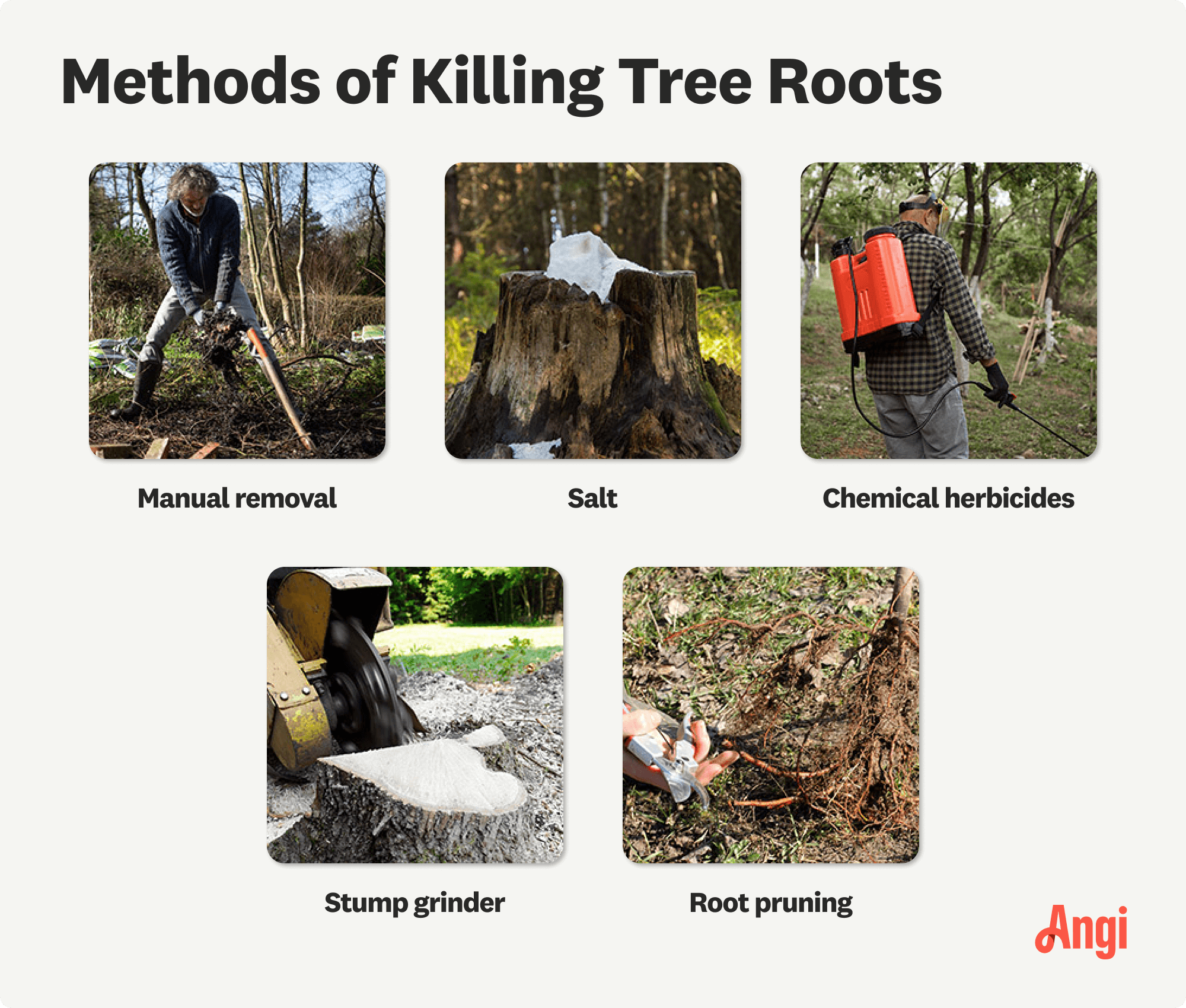
If tree roots are not removed, several issues can arise that may impact both the environment and structural elements in the vicinity. Here are some of the primary consequences:
1. Damage to Infrastructure: Tree roots can infiltrate underground plumbing systems, causing blockages, leaks, or even breaks. This can lead to significant plumbing issues, requiring expensive repairs.
2. Soil Erosion: Roots play a crucial role in holding soil together. When tree roots die or are not effectively managed, the surrounding soil can become loose, resulting in erosion. This can lead to loss of fertile land and increased sediment in nearby waterways.
3. Increased Risk of Disease: Old or decaying roots provide an ideal environment for pathogens and insects. If tree roots are not removed properly, they can spread diseases to surrounding plants and trees, affecting local biodiversity.
4. Foundation Problems: Tree roots can cause structural damage to buildings and foundations. As they grow, they may exert pressure on building materials, leading to cracks in walls or even movement in the foundation.
5. Compromise of New Plant Growth: If tree roots are left to decompose in the soil, they can create competition for nutrients and water for newer plants. This can hinder the growth of desired plants in a garden or landscaping area.
See also:
Impact on Plumbing Systems
When tree roots penetrate plumbing systems, they can create significant blockages that disrupt normal operation. They may invade pipes through small cracks and grow inside, leading to:
- Blockages: Roots can obstruct water flow.
- Leaks: Pressure on pipes can cause them to break, leading to water loss and potential flooding.
- Costly Repairs: Fixing damaged plumbing often requires professional assistance, adding financial burden.
Soil Erosion Risks
Neglecting to remove tree roots can lead to increased erosion in the surrounding environment. This occurs because:
- Loss of Support: Roots anchor the soil, so their absence makes soil more susceptible to wind and water erosion.
- Environmental Impact: Eroded soil can lead to sedimentation in streams and rivers, affecting aquatic life.
- Loss of Fertility: Erosion can strip away vital topsoil, reducing the land’s agricultural productivity.
Spread of Diseases
If tree roots remain in place and start to decay, they can become a breeding ground for harmful organisms. The repercussions include:
- Pathogens: Old roots can harbor fungi and bacteria that cause disease in nearby plants.
- Pest Attraction: Decaying roots can attract insects which may also harm other plants.
- Ecological Balance: The spread of diseases can disrupt local ecosystems and alter plant diversity.
Structural Damage to Properties
Tree roots can have a devastating impact on properties, particularly foundations and pavements. The main issues are:
- Pressure on Structures: Growing roots can exert pressure on foundations, causing cracks and instability.
- Pavement Damage: Roots can lift and crack sidewalks and driveways, creating safety hazards.
- Mitigation Costs: Repairing structural damage can be extensive and costly, impacting homeowners financially.
Competition for Resources
Decomposing tree roots can lead to competition for water and nutrients among plants. The results can include:
- Resource Strain: New plants may struggle to access the nutrients needed for healthy growth.
- Stunted Growth: Young plants might not thrive, affecting overall landscape quality.
- Garden Aesthetics: Competition can lead to uneven growth patterns in desired plants, impacting visual appeal.
Can you leave dead tree roots in the ground?
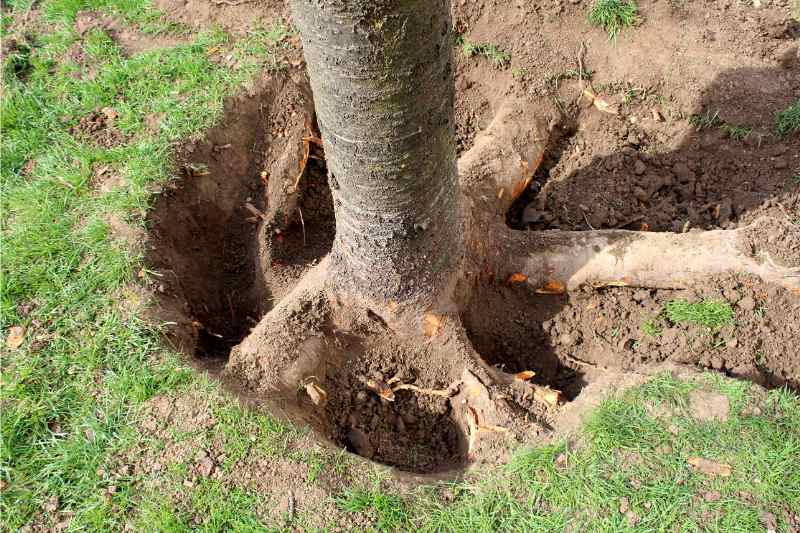
Yes, you can leave dead tree roots in the ground, but there are several factors to consider regarding the implications of doing so. Leaving dead tree roots can have both benefits and drawbacks. It's important to assess the specific situation to determine if it is the right choice for your landscape or garden.
Benefits of Leaving Dead Tree Roots
Leaving dead tree roots in the soil can provide a number of benefits, such as:
- Soil Structure: Dead roots can improve soil structure over time, helping to maintain moisture and nutrient levels.
- Microbial Activity: As roots decompose, they enhance microbial activity, which is beneficial for soil health and fertility.
- Stability: They can provide stability to the surrounding soil, preventing erosion and maintaining the landscape's integrity.
Drawbacks of Leaving Dead Tree Roots
Despite the benefits, there are some drawbacks to consider, including:
- Pest Attraction: Dead roots can attract pests and diseases that may affect other plants in the area.
- Water Competition: As the roots decompose, they might compete for water and nutrients with new plants.
- Decay Issues: The process of decay can create pockets of instability in the soil, which might affect nearby plants and landscaping features.
When to Remove Dead Tree Roots
Certain circumstances warrant the removal of dead tree roots, such as:
- Landscape Renovation: If you’re redesigning an area, removing the roots may be necessary for planning new plantings.
- Safety Hazards: Large, protruding roots can pose a tripping hazard and should be addressed to ensure safe access.
- Pest Control: If pests are attracted to the decaying roots, it may be best to remove them to prevent infestation.
How to Leave Dead Tree Roots in the Ground
If you decide to leave the dead tree roots, follow these guidelines:
- Monitoring: Keep an eye on the area for any signs of pests or diseases that can spread.
- Mulching: Add a layer of mulch over the area to help with moisture retention and soil health.
- Planting Considerations: Be mindful of planting new species in the area, choosing those that can coexist with decomposing roots.
Impact on Future Planting
Dead tree roots can affect future planting efforts in various ways:
- Root Competition: Any new plants may struggle with the competition for water and nutrients from the decomposing roots.
- Soil Quality: The presence of dead roots can either enhance or hinder soil quality, depending on the circumstances.
- Growth Patterns: The structural remnants of the dead roots may affect the growth patterns of newly planted trees or shrubs.
What happens if you don't loosen roots before planting?

If you don't loosen roots before planting, several negative consequences can arise that may hinder the plant's growth and overall health. Roots that are compacted or bound in a pot may struggle to establish themselves in the new soil, affecting nutrient uptake, water absorption, and root spreading. Here are some key aspects to consider:
See also:
Lack of Root Expansion
Without loosening the roots, the plant may face difficulty in expanding its root system properly. When roots are tightly bound:
- The plant is unable to access enough soil nutrients.
- Limited root growth can lead to a weak structure overall.
- The plant may eventually become stunted or die.
Water and Nutrient Absorption Issues
Compacted roots can create a barrier preventing water and nutrients from being absorbed efficiently. This can result in:
- Inadequate hydration leading to stress and wilting.
- Deficiencies in essential nutrients affecting plant health.
- Increased susceptibility to pests and diseases due to weakened health.
Root Girdling
If roots are not loosened before planting, they can girdle around themselves rather than spreading out into the soil. This phenomenon leads to:
- Circling roots can strangle each other, restricting growth.
- It could create a scenario where water and nutrients cannot reach deeper root systems.
- Ultimately, this might result in root death and plant mortality.
Transplant Shock
Plants that experience restricted root growth often suffer from transplant shock, which is characterized by:
- Delayed establishment in the new environment.
- Visible decline in health, such as leaf yellowing or dropping.
- Increased vulnerability to environmental stresses like drought or extreme temperatures.
Increased Maintenance Needs
Plants that do not have loosened roots require more consistent care. This may involve:
- Frequent watering to compensate for poor absorption.
- Additional fertilization to support nutrient deficiencies.
- Monitoring closely for stress signs and potential disease presence.
How long can you leave root vegetables in the ground?

Root vegetables are a versatile and essential part of many diets, and understanding how long you can leave them in the ground is vital for maximizing their quality and yield. The duration that root vegetables can remain in the ground varies depending on the type of vegetable, the climate, and the intended use. Generally, most root vegetables can stay in the ground until they reach their desired size, but they should be harvested before the weather turns significantly cold or wet.
Factors Affecting the Duration
Several factors influence how long you can leave root vegetables in the ground:
- Variety of the vegetable: Different root vegetables have different growth rates and optimal harvesting times.
- Soil conditions: Well-drained soils may prevent fungal diseases, allowing for longer growth periods.
- Climate: Warmer climates can encourage faster growth, but they may also require earlier harvests to avoid spoilage.
Common Root Vegetables and Their Timelines
Different types of root vegetables have recommended harvesting timelines:
- Carrots: Can be left in the ground for up to 4 months after planting.
- Beets: Typically remain in the soil for 2-3 months before harvesting.
- Potatoes: Best harvested 2-3 weeks after the tops die back, usually 90-120 days after planting.
Signs That Root Vegetables Are Ready to Harvest
Identifying when to harvest root vegetables is crucial for quality:
- Size: Root vegetables should be of adequate size based on the specific variety.
- Texture: They should feel firm and solid when gently squeezed.
- Color: The outer skin color should be vibrant and true to the variety.
Consequences of Overstaying in the Ground
Leaving root vegetables in the ground for too long can lead to various issues:
- Softening: Over time, root vegetables may lose their firmness and become mushy.
- Pest Damage: Extended periods in the ground can make vegetables more susceptible to pests.
- Fungal Diseases: Excess moisture during late fall or winter can cause rot and decay.
Storage Recommendations After Harvesting
Once harvested, proper storage is vital for maintaining quality:
- Cool Environment: Store root vegetables in a cool, dark place to prolong freshness.
- Humidity Control: Ensure optimal humidity levels to prevent dehydration.
- Avoiding Damage: Handle vegetables gently to prevent bruising or cuts that could lead to spoilage.
Questions from Our Readers
What happens to soil health if you leave roots in the ground?
Leaving roots in the ground can significantly improve soil health by enhancing nutrient retention and preventing erosion. As the roots decompose, they contribute to the organic matter in the soil, fostering a habitat for beneficial microorganisms and improving overall soil structure.
Can leaving roots in the ground affect future plant growth?
Yes, leaving roots in the ground can impact future plant growth positively by providing nutrients and improving soil structure. The decomposing roots release essential minerals back into the soil, which can benefit subsequent crops and aid in the establishment of new plants.
See also:
Are there any pests or diseases associated with leaving roots in the ground?
Leaving roots in the ground can sometimes lead to the build-up of pests or soil-borne diseases, especially if the roots belong to infected plants. It's important to monitor and manage the soil to ensure that such remnants do not negatively impact future crops or the overall health of the garden.
How long does it take for roots left in the ground to decompose?
The time it takes for roots to decompose can vary greatly depending on factors such as soil temperature, moisture, and type of plant. Generally, roots can take anywhere from a few months to several years to break down completely, with smaller, fibrous roots decomposing faster than larger, woody ones.

If you want to read more articles like What Happens if You Leave Roots in the Ground? Understanding the Impact on Your Soil and Plants, we recommend you check out our Soil category.
Leave a Reply
Related Articles