What Are the Three Types of Rainwater Systems? A Comprehensive Guide

Rainwater harvesting has gained popularity as an effective and sustainable solution for water conservation. As the need for efficient water management grows, understanding the different types of rainwater systems becomes essential for homeowners and communities alike. This comprehensive guide will explore the three primary types of rainwater systems: direct use systems, storage systems, and infiltration systems. Each type offers unique advantages and applications, depending on individual needs and environmental conditions. By delving into these systems, readers will gain valuable insights into choosing the right method for effective rainwater utilization, ultimately contributing to a more sustainable future.
- What Are the Three Types of Rainwater Systems?
- What are the different types of rainwater collection systems?
- What is the most common type of rainwater harvesting system?
- What are the three main components of a rainwater harvesting system?
- What is the difference between active and passive rainwater harvesting?
- Questions from Our Readers
What Are the Three Types of Rainwater Systems?
Rainwater harvesting systems can be categorized into three main types: direct systems, indirect systems, and decentralized systems. Direct systems involve the collection of rainwater directly from rooftops through gutters and downspouts into storage tanks for immediate use, typically for irrigation or toilet flushing. Indirect systems, on the other hand, connect to a broader system, usually involving pretreatment and filtration processes before the water can be reused for non-potable purposes. Lastly, decentralized systems are designed to serve individual buildings or small communities, allowing for localized management of rainwater. Each of these systems has unique benefits and applications depending on the specific needs and conditions of the area.
Direct Rainwater Systems
Direct rainwater systems are designed to capture rainwater directly from the rooftop and channel it into a storage tank. This process usually involves a simple setup of gutters and downspouts. The water collected can be used for various purposes such as irrigation, washing cars, or even flushing toilets. Direct systems are attractive due to their ease of installation and relatively low costs, making them ideal for residential use in regions with adequate rainfall.
Indirect Rainwater Systems
Indirect rainwater systems incorporate additional components for water quality management, making them suitable for applications that require higher water standards. These systems typically involve a first-flush diverter that discards the initial runoff, which may contain debris and pollutants. The remaining water is then filtered and directed to a storage tank. Indirect systems can be configured to supply water for irrigation or non-potable indoor uses, allowing for flexibility in their application across both residential and commercial installations.
Decentralized Rainwater Systems
Decentralized rainwater systems are tailored for individual buildings or small community setups, aiming at on-site management of stormwater. Such systems can encompass both direct and indirect methods but emphasize localized water conservation strategies. The dispersed nature of decentralized systems allows for efficient handling of stormwater runoff and reduces dependence on centralized water supply infrastructures. They are becoming increasingly popular in sustainable urban designs, promoting resilience against water scarcity.
Benefits of Rainwater Harvesting Systems
The primary benefits of rainwater harvesting systems include water conservation, cost savings, and environmental sustainability. By capturing rainwater for various uses, households can significantly reduce their reliance on municipal water supplies, leading to lower water bills. Furthermore, utilizing rainwater helps mitigate issues related to stormwater runoff, reducing the risk of flooding and erosion. By promoting rainwater harvesting, communities can foster a more sustainable approach to water management.
Challenges of Implementing Rainwater Systems
Despite their advantages, implementing rainwater harvesting systems can pose various challenges, including regulatory issues, initial costs, and maintenance requirements. Different regions have varying regulations that can affect the legality and implementation of rainwater systems, often necessitating permits and inspections. While the initial investment in installation may be considerable, long-term savings are typically realized if properly maintained. Regular upkeep, such as cleaning filters and ensuring the integrity of the storage tanks, is essential to ensure safe water quality for intended uses.
| Type of System | Features | Applications |
|---|---|---|
| Direct | Simple setup, easy installation | Irrigation, car washing, toilet flushing |
| Indirect | Advanced filtration, first-flush diverter | Non-potable indoor uses, irrigation |
| Decentralized | Localized management, suitable for communities | Individual buildings, small communities |
What are the different types of rainwater collection systems?
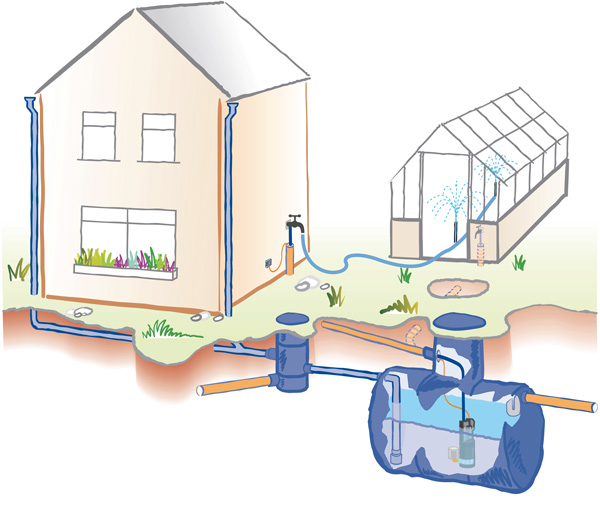
Rainwater collection systems are an efficient way to harness natural precipitation for various uses, including irrigation, household use, and even potable water if properly treated. There are several types of systems tailored to different needs and environmental conditions. Below are the main types of rainwater collection systems.
Stormwater Harvesting Systems
Stormwater harvesting systems focus on capturing rainwater that runs off impervious surfaces such as roads, rooftops, and parking lots. This water is then diverted into a storage system for later use.
- Catchment Area: These systems often involve a large catchment area to maximize water collection.
- Filtration: Water collected typically requires filtration to remove debris and pollutants.
- Storage Options: Stored in tanks or underground reservoirs for irrigation or other non-potable uses.
Roof Rainwater Harvesting Systems
Roof rainwater harvesting is one of the most common types of rainwater collection. It involves the direct capture of rainwater from rooftops and directing it into storage tanks.
- Gutters and Downspouts: They are essential for channeling rainwater from the roof to storage containers.
- First Flush Diverters: These devices ensure that the initial dirty water is discarded before clean water is collected.
- Storage Tanks: Usually made of plastic, fiberglass, or concrete, storing water for later use.
Surface Runoff Collection Systems
Surface runoff collection systems gather rainwater that flows over the ground. These systems are particularly useful in areas where rainfall is abundant but unevenly distributed.
- Swales: Shallow channels designed to capture and slow down surface runoff, allowing water to infiltrate into the ground.
- Retention Ponds: Basins constructed to hold runoff temporarily before it is either released or used.
- Infiltration Trench: A trench filled with gravel or rock that allows water to permeate into the groundwater.
Cistern Systems
Cistern systems are underground tanks used for the storage of rainwater. These systems can hold large quantities of water and are useful in areas prone to drought.
See also:
- Location: Typically located underground to maintain lower temperatures and reduce evaporation.
- Materials: Often constructed from concrete, polyethylene, or fiberglass.
- Usage: Ideal for irrigation, toilet flushing, and other non-potable applications.
Integrated Greywater Systems
Integrated greywater systems combine rainwater harvesting with greywater recycling, allowing for more efficient water use in homes.
- Collection Methods: These systems collect both rainwater and greywater from domestic activities like bathing and laundry.
- Treatment Processes: Greywater undergoes filtration and treatment to remove contaminants before reuse.
- Reuse Applications: Suitable for landscape irrigation, toilet flushing, and washing vehicles.
What is the most common type of rainwater harvesting system?
:max_bytes(150000):strip_icc()/rainwater-harvesting-system-isometric-diagram-1201105579-34cb7b27492f42c387b89fd903a16ba4.jpg)
The most common type of rainwater harvesting system is the rainwater collection system, which efficiently captures and stores precipitation for various uses such as irrigation, potable water supply, and landscape maintenance. These systems can vary in complexity from simple barrel systems to more elaborate underground cisterns connected to home plumbing.
Types of Rainwater Harvesting Systems
Rainwater harvesting systems can be categorized into two main types: rooftop systems and surface runoff systems.
- Rooftop Systems: These systems involve collecting rainwater that falls on roofs, where it is channeled through gutters into storage tanks.
- Surface Runoff Systems: This method collects rainwater from open land surfaces, often using swales or catchment basins.
Components of a Rainwater Harvesting System
A rainwater harvesting system consists of several key components that work together to capture and store water.
- Catchment Area: Typically the roof, which should be constructed from non-toxic materials to ensure water quality.
- Gutters and Downspouts: Direct the collected water from the roof to the storage system efficiently.
- Storage Tanks: Containers designed to hold the harvested rainwater, which can be above or below ground.
Benefits of Rainwater Harvesting
There are numerous benefits associated with rainwater harvesting systems, making them an appealing option for many households and businesses.
- Water Conservation: Collecting rainwater reduces dependence on municipal water supply.
- Cost Savings: Lower water bills due to decreased utility usage.
- Environmental Impact: Helps in reducing stormwater runoff, which can lead to flooding and erosion.
Considerations for Design and Installation
When considering a rainwater harvesting system, it is essential to focus on proper design and installation to ensure efficiency and effectiveness.
- Local Regulations: Understanding the laws and guidelines in your area pertaining to rainwater harvesting.
- System Size: Determining the correct size based on anticipated water needs and roof area.
- Filtration and Treatment: Implementing adequate filtration systems to maintain high water quality.
Maintenance of Rainwater Harvesting Systems
Regular maintenance is crucial to ensure that a rainwater harvesting system operates effectively over time.
- Cleaning Gutters and Filters: Regularly inspect and clean gutters and filters to prevent blockages.
- Inspecting Storage Tanks: Periodically check storage tanks for leaks or contamination.
- Monitoring Water Quality: Test the water regularly to ensure it meets safety standards, especially if used for drinking.
What are the three main components of a rainwater harvesting system?

The three main components of a rainwater harvesting system are the catchment area, the storage system, and the distribution system. Each of these components plays a crucial role in ensuring that rainwater is effectively captured, stored, and utilized.
Catchment Area
The catchment area is the surface from which rainwater is collected. This area is typically a roof or other surfaces that are conducive to water drainage. The efficiency of a rainwater harvesting system heavily depends on the type and condition of the catchment area.
- Material: The material of the catchment surface can affect the quality of the harvested water. Non-toxic materials are preferable to avoid contamination.
- Slope: A sloped surface allows for better water flow towards the collection system, preventing water pooling and associated issues.
- Maintenance: Regular cleaning of the catchment surfaces is necessary to remove debris and ensure optimal water quality and collection efficiency.
Storage System
The storage system is where collected rainwater is stored for later use. This component is critical for determining how much water can be harvested and how long it can be stored.
- Tank Material: The choice of tank material (such as plastic, metal, or concrete) influences durability and potential chemical leaching.
- Tank Size: The size of the storage tank should be calculated based on expected rainfall, catchment area size, and water usage needs.
- Water Treatment: Some storage systems are equipped with filters and treatment options to ensure the water remains safe for use.
Distribution System
The distribution system is responsible for delivering the harvested rainwater to the intended points of use. This can involve a network of pipes, pumps, and fixtures.
See also:
- Pumping Mechanism: A pump may be required to move water from storage to application sites, especially if elevation changes are involved.
- Gravity Systems: In some cases, gravity can be used to distribute water, reducing the need for energy-intensive pumps.
- Filtration: A filtration system may be necessary to ensure the water supplied for domestic use or irrigation is clean and free from pollutants.
Water Quality Management
Managing the water quality of harvested rainwater is essential to ensure its safety for consumption and irrigation.
- Testing: Regular testing of rainwater for contaminants such as bacteria or heavy metals is crucial to ensure safety.
- Preventative Measures: Implementing measures such as first-flush diverters can help remove initial contaminants from the rainfall.
- Maintenance of Systems: Keeping all components of the rainwater harvesting system clean and well-maintained is vital for achieving good water quality.
Benefits of Rainwater Harvesting Systems
The implementation of rainwater harvesting systems offers numerous benefits beyond just water collection.
- Environmental Impact: These systems can significantly reduce stormwater runoff, helping prevent flooding and erosion.
- Water Conservation: Harvesting rainwater promotes responsible water usage and conservation, especially in arid regions.
- Cost Savings: Using harvested rainwater for irrigation or non-potable purposes reduces the overall demand for municipal water supplies.
What is the difference between active and passive rainwater harvesting?

The difference between active and passive rainwater harvesting lies primarily in the methods and mechanisms used to collect and store rainwater.
Definition of Active Rainwater Harvesting
Active rainwater harvesting involves the use of mechanical systems to collect, store, and distribute rainwater. These systems are typically installed and operated with a specific purpose in mind, often requiring energy inputs for optimal functionality.
- Mechanical Components: Systems may include pumps, filters, and storage tanks that are equipped with technology to optimize efficiency.
- Energy Dependency: Active systems often rely on electrical or solar energy to move water around and ensure proper filtration and storage.
- Automation: Many active harvesting systems can be automated for convenience, controlling the collection process based on conditions and needs.
Definition of Passive Rainwater Harvesting
Passive rainwater harvesting relies on natural landscape features and gravity to collect and store rainwater. This method does not require mechanical systems and is more sustainable and cost-effective over time.
- Natural Collection: Structures such as swales, ditches, and ponds are designed to capture water efficiently without mechanical input.
- Minimal Maintenance: Since passive systems use natural processes, they generally require less ongoing maintenance compared to active systems.
- Cost-Effectiveness: Lower installation and operational costs make passive harvesting an attractive option for many communities and individuals.
Efficiency and Effectiveness
The efficiency and effectiveness of rainwater harvesting systems can vary greatly between active and passive approaches due to their inherent designs and operational mechanics.
- Water Collection Rates: Active systems can often achieve higher collection rates because they can be designed to maximize water capture through various technologies.
- Space Requirements: Passive systems may require more land area for optimal installation, making them less effective in urban environments where space is limited.
- Adaptability: Active systems can be adapted to local conditions more easily, adjusting various components to enhance collection and storage depending on the climate.
Maintenance and Upkeep
Maintenance is another critical area where active and passive rainwater harvesting systems differ considerably.
- Frequency of Maintenance: Active systems require regular check-ups for mechanical components, while passive systems generally need less frequent maintenance due to their simplicity.
- Operational Costs: The need for periodic repairs and energy costs in active systems can lead to higher operational expenses over time.
- Environmental Impact: Passive systems often have a lower environmental impact, as they do not consume energy for operation, preserving more natural habitats.
Applications and Use Cases
Active and passive rainwater harvesting systems are suited for different applications depending on the needs and context of the users.
- Urban Settings: Active systems are often preferred in urban areas where immediate water demand and land constraints exist.
- Agricultural Use: Passive systems are frequently employed in agricultural settings to enhance soil moisture retention and recharge aquifers.
- Community Projects: Both systems can be used in community-scale projects, but the choice often depends on the available resources and environmental considerations.
Questions from Our Readers
What are the three types of rainwater systems?
Rainwater systems generally fall into three categories: directed systems, collection systems, and filtration systems. Directed systems channel rainwater from roofs and gutters to storage areas, while collection systems gather water for reuse. Finally, filtration systems ensure the collected rainwater is cleaned and made safe for various uses.
How does a directed rainwater system work?
A directed rainwater system operates by guiding rainwater from surfaces such as rooftops through gutters and downspouts into a storage tank or cistern. This method effectively captures and manages rainwater runoff, making it readily available for landscaping, irrigation, or even indoor use, depending on regulations and further treatment.
What is the purpose of a collection rainwater system?
The primary purpose of a collection rainwater system is to gather and store rainwater for later use. These systems often involve catchment areas that ensure water is effectively collected and can be stored in cisterns, which allows users to utilize rainwater during drier periods, conserving potable water and reducing water bills.
Why is filtration important in rainwater systems?
Filtration is crucial in rainwater systems as it removes debris, sediment, and potential contaminants from collected water, ensuring it is safe for reuse. Without proper filtration, the quality of harvested rainwater may diminish, making it unsuitable for drinking or irrigation purposes; thus, effective filtration is essential for maintaining water quality and system efficiency.
See also:

If you want to read more articles like What Are the Three Types of Rainwater Systems? A Comprehensive Guide, we recommend you check out our Irrigation category.
Leave a Reply
Related Articles