What is the official name for the water cycle? Understanding Its Importance and Process
The water cycle, officially known as the hydrological cycle, is a fundamental process that sustains life on Earth. It describes the continuous movement of water within the environment, encompassing various stages such as evaporation, condensation, precipitation, and infiltration. Understanding the water cycle is crucial, as it plays a vital role in regulating weather patterns, replenishing freshwater resources, and maintaining ecosystems. This article delves into the intricacies of the hydrological cycle, exploring its significance and how each phase contributes to the overall balance of our planet's water systems. Join us as we uncover the essential functions of this natural phenomenon.
What is the Official Name for the Water Cycle?
The official name for the water cycle is the hydrologic cycle. This term refers to the continuous process by which water moves through the Earth's various reservoirs, including the atmosphere, oceans, lakes, rivers, and underground aquifers. The hydrologic cycle encompasses several key processes such as evaporation, condensation, precipitation, infiltration, and runoff, illustrating how water transitions from a liquid to a vapor and back again, facilitating the movement of essential resources across the planet.
Understanding Evaporation
Evaporation is the process by which water transforms from a liquid state into a vapor state. This transition occurs when water molecules gain enough energy, typically from heat, to break free from the liquid surface and disperse into the air. Factors such as temperature, surface area, and wind speed can significantly influence the rate of evaporation, making it a critical component of the hydrologic cycle as it initiates the movement of water into the atmosphere.
The Role of Condensation
Condensation occurs when water vapor in the air cools and changes back into a liquid form. This process is essential in the formation of clouds, as cooler temperatures in the atmosphere cause water vapor to lose energy and cluster to form tiny water droplets. These droplets aggregate, leading to precipitation when they become heavy enough to fall to the Earth's surface. Understanding condensation is vital to grasping how moisture is cycled back into the environment.
Precipitation and Its Types
Precipitation refers to any form of water—liquid or solid—that falls from clouds and reaches the ground. It includes rain, snow, sleet, and hail. Each type of precipitation results from different atmospheric conditions and temperatures and plays a crucial role in replenishing Earth's water resources. By delivering water to lakes, rivers, and soil, precipitation maintains the balance of the hydrologic cycle and supports various ecosystems.
Infiltration and Groundwater
Infiltration is the process by which water moves from the surface into the soil and rock layers below, contributing to the replenishment of groundwater stores. This underground water is stored in aquifers and is critical for drinking water supplies and irrigation. The rate of infiltration is influenced by soil composition, vegetation, and land management practices, making it a vital aspect of the hydrologic cycle and overall water availability.
Runoff: The Water's Journey
Runoff is the process by which water, after precipitation falls on land, flows over the surface and returns to rivers, lakes, and oceans. This movement is crucial for transporting water back into larger bodies of water, completing the hydrologic cycle. Factors such as the slope of the land, vegetation cover, and urban development can all affect the amount and speed of runoff, influencing both flooding and water quality.
| Process | Description |
|---|---|
| Evaporation | Water turns from liquid to vapor due to heat energy. |
| Condensation | Water vapor cools and forms liquid droplets, leading to cloud formation. |
| Precipitation | Water falls to Earth in any form (rain, snow, etc.) from clouds. |
| Infiltration | Water seeps into the ground, replenishing groundwater supplies. |
| Runoff | Water flows over the surface back to oceans and lakes after precipitation. |
What is the real name for the water cycle?
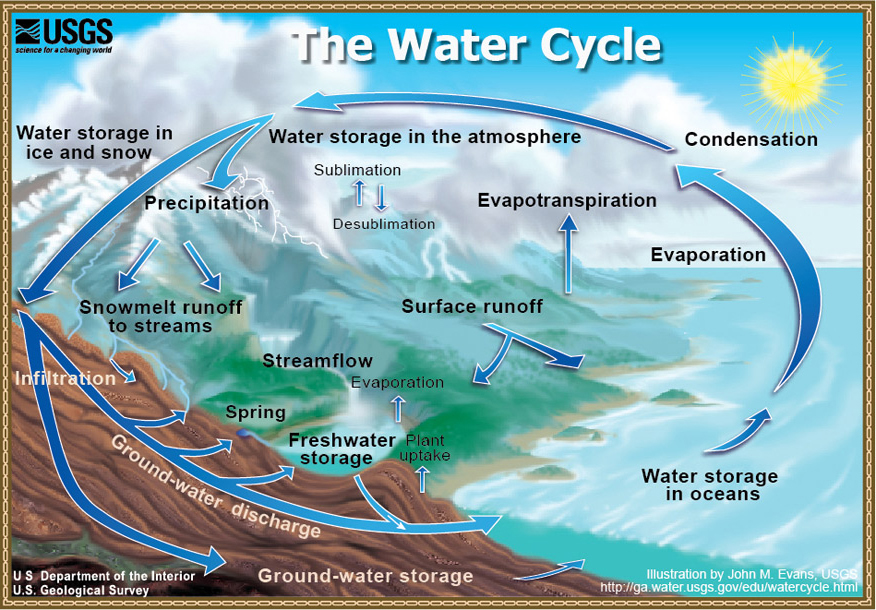
The real name for the water cycle is the hydrological cycle. This term encompasses the continuous movement of water within the Earth and atmosphere, illustrating how water evaporates from the surface, condenses into clouds, and precipitates back to the surface, eventually filtering through the ground and returning to bodies of water. The hydrological cycle is fundamental to understanding the distribution of water on Earth, weather patterns, and the overall health of ecosystems.
Importance of the Hydrological Cycle
The hydrological cycle plays a crucial role in maintaining the balance of water resources on Earth. Its importance can be summarized as follows:
- Climate Regulation: The cycle helps regulate temperature and weather patterns by distributing heat and moisture.
- Water Supply: It provides a continuous supply of fresh water necessary for drinking, agriculture, and sanitation.
- Ecosystem Support: Healthy ecosystems rely on the cycle for habitat maintenance and nourishment.
Stages of the Hydrological Cycle
The hydrological cycle consists of several key stages that facilitate the movement of water. These stages include:
- Evaporation: Water transforms from liquid to vapor, mainly from oceans, lakes, and rivers.
- Condensation: Water vapor cools and condenses into droplets, forming clouds.
- Precipitation: Water falls from clouds as rain, snow, sleet, or hail.
Human Impact on the Hydrological Cycle
Human activities significantly affect the hydrological cycle, creating both positive and negative impacts. Some of these impacts are:
- Urbanization: Increased impervious surfaces lead to greater runoff and reduced groundwater recharge.
- Deforestation: Loss of vegetation alters evaporation rates and can disrupt local weather patterns.
- Pollution: Contaminants can affect water quality throughout the cycle, impacting ecosystems and human health.
Climate Change and the Hydrological Cycle
Climate change poses a significant threat to the hydrological cycle, influencing water distribution patterns. Key effects include:
See also:
- Increased Evaporation: Higher temperatures result in faster evaporation rates, which can lead to more intense droughts.
- Altered Precipitation Patterns: Changes in climate can cause shifts in rainfall distribution, leading to floods or shortages in other regions.
- Melting Glaciers: The loss of ice reserves affects freshwater availability for millions of people.
Future of the Hydrological Cycle
As the hydrological cycle evolves due to natural and human influences, understanding its future becomes critical. Important factors include:
- Adaptation Strategies: Developing methods to manage water resources more sustainably is essential.
- Research and Monitoring: Continuous study of water patterns helps predict changes and inform policy.
- Awareness and Education: Increasing public knowledge on the importance of water conservation can lead to better practices.
What is the name of the water cycle?

The water cycle is commonly referred to as the hydrological cycle. It is a continuous process by which water circulates between the Earth's oceans, atmosphere, and land. This cycle is crucial for maintaining life, regulating climate, and supporting various ecosystems.
The Stages of the Hydrological Cycle
The hydrological cycle consists of several key stages that demonstrate how water moves through different states and natural reservoirs. These stages include:
- Evaporation: Water transforms from liquid to vapor due to heat from the sun.
- Condensation: Water vapor cools and changes back into liquid droplets, forming clouds.
- Precipitation: Water falls to the ground in the form of rain, snow, sleet, or hail.
- Infiltration: Some of the water seeps into the ground, replenishing underground aquifers.
- Runoff: Water flows over land and returns to rivers, lakes, and oceans, completing the cycle.
The Importance of the Hydrological Cycle
The hydrological cycle is vital for the Earth’s ecosystems and human life. It ensures a steady supply of fresh water and plays a role in:
- Climate Regulation: It helps regulate temperatures and weather patterns.
- Agricultural Support: Provides water for crops, impacting food security.
- Habitat Maintenance: Supports diverse habitats and wildlife.
- Water Quality: Facilitates the natural purification of water sources.
- Groundwater Recharge: Ensures sustainable water supply from aquifers.
Human Impact on the Hydrological Cycle
Human activities significantly affect the hydrological cycle, leading to challenges such as water shortages and climate change. The main impacts include:
- Deforestation: Reduces the amount of water vapor released into the atmosphere.
- Urbanization: Increases runoff and decreases natural filtration.
- Pollution: Contaminates water sources, impacting quality and availability.
- Climate Change: Alters precipitation patterns and increases evaporation rates.
- Agricultural Practices: Intensive irrigation can deplete local water resources.
Natural Processes in the Hydrological Cycle
Natural processes govern the functioning of the hydrological cycle. These processes include:
- Solar Energy: Drives evaporation and influences weather patterns.
- Geological Features: Mountains and valleys affect precipitation distribution.
- Atmospheric Conditions: Temperature and pressure variations lead to cloud formation and precipitation.
- Vegetation: Plants contribute to transpiration, returning moisture to the atmosphere.
- Soil Composition: Influences water infiltration and retention capabilities.
Conclusion of the Hydrological Cycle
Understanding the hydrological cycle is essential for managing water resources effectively. With increasing stress on water availability due to climate change and human activities, it becomes crucial to study and protect this cycle. The complexity and interconnectivity of each stage highlight the need for sustainable practices to preserve our vital water resources.
What is the water cycle technically known as?
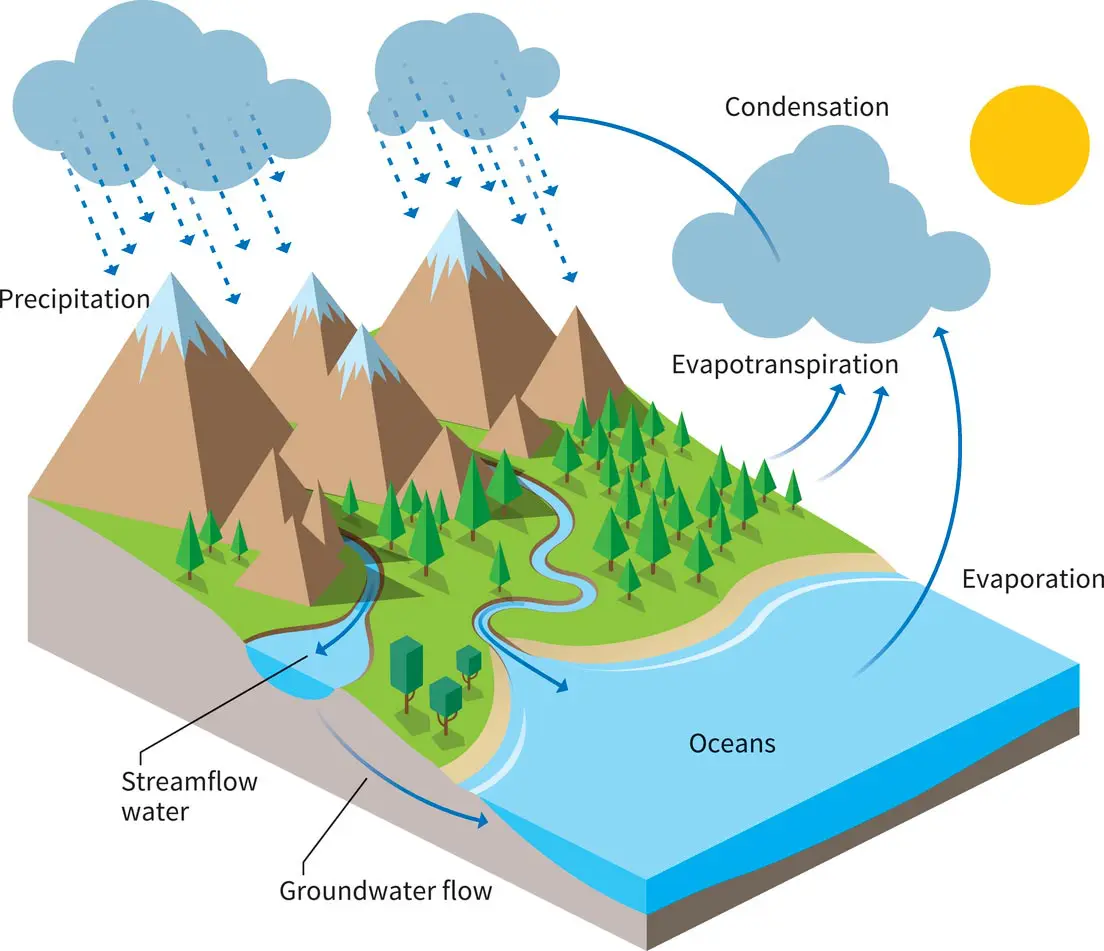
The water cycle is technically known as the hydrological cycle. This cycle describes the continuous movement of water on, above, and below the surface of the Earth. It is a complex system that illustrates how water evaporates, condenses, and precipitates, leading to the redistribution of water in various states—liquid, vapor, and ice.
Definition of the Hydrological Cycle
The hydrological cycle is the process through which water circulates between the Earth’s oceans, atmosphere, and land. It is powered by solar energy and driven by gravity.
- Evaporation: Water from oceans, rivers, and lakes turns into vapor due to heat from the sun.
- Condensation: Water vapor cools and forms clouds as it rises into the atmosphere.
- Precipitation: Water returns to the Earth as rain, snow, sleet, or hail.
Major Processes of the Hydrological Cycle
The hydrological cycle comprises several major processes that facilitate the continuous movement of water through different states. Understanding these processes is crucial for comprehending how the cycle functions.
- Transpiration: Water vapor is released from plants into the atmosphere.
- Infiltration: Water seeps into the ground, replenishing underground aquifers.
- Runoff: Water flows over the land surface into rivers, lakes, and oceans.
Importance of the Hydrological Cycle
The hydrological cycle is vital for sustaining life on Earth. It affects climate, regulates temperature, and supports ecosystems.
See also:
- Water Supply: It provides a consistent supply of fresh water for drinking, agriculture, and industry.
- Climate Regulation: It helps to regulate weather patterns and maintain ecological balance.
- Ecosystem Support: It supports diverse habitats and biodiversity through water availability.
Human Impact on the Hydrological Cycle
Human activities significantly influence the hydrological cycle, leading to challenges such as climate change, water scarcity, and pollution.
- Urbanization: Increased impermeable surfaces lead to greater runoff and decreased groundwater recharge.
- Agricultural Practices: Intensive irrigation can alter local water cycles and deplete water resources.
- Deforestation: Loss of trees reduces transpiration and can disrupt local climates.
Conclusion of the Hydrological Cycle Study
The study of the hydrological cycle encompasses understanding its dynamics, processes, and effects on the global ecosystem. Taking steps to protect and manage natural water resources is vital for ensuring sustainable water availability for future generations.
- Conservation Practices: Implementing sustainable water use and management practices.
- Pollution Management: Reducing pollutants entering water sources to maintain clean water.
- Reforestation: Planting trees to enhance transpiration and restore natural water cycles.
What's another word for the water cycle?
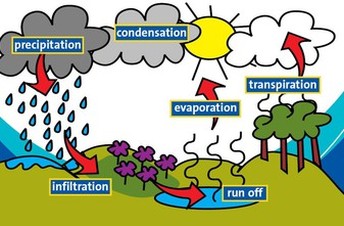
The term water cycle is also referred to as the hydrological cycle. This term describes the continuous movement of water on, above, and below the surface of the Earth. It is a fundamental concept in environmental science, highlighting the processes of evaporation, condensation, precipitation, and collection.
Overview of the Hydrological Cycle
The hydrological cycle encompasses various processes that are crucial for maintaining the Earth's ecosystems. It involves multiple stages that facilitate the movement of water.
- Evaporation: Water from oceans, rivers, and lakes transforms into vapor and rises into the atmosphere.
- Condensation: Water vapor cools and condenses into droplets to form clouds.
- Precipitation: Eventually, these droplets fall to the Earth as rain, snow, or other forms of precipitation.
- Collection: Water gathers in bodies of water, replenishing lakes, rivers, and groundwater supplies.
Importance of the Hydrological Cycle
The hydrological cycle is vital for sustaining life on Earth. It regulates temperatures, replenishes freshwater sources, and supports agricultural practices.
- Climate Regulation: The cycle plays a key role in maintaining the global climate by regulating temperature and weather patterns.
- Water Supply: It ensures a consistent supply of freshwater, essential for drinking, sanitation, and agriculture.
- Ecosystem Health: Wetlands and other ecosystems benefit from the water cycle, providing habitats for diverse species.
Components of the Hydrological Cycle
Understanding the components of the hydrological cycle is essential for grasping how water moves through the environment. The main components include:
- Surface Water: Rivers, lakes, and oceans that contain the majority of the Earth's water.
- Atmospheric Water: Water vapor present in the atmosphere, which plays a crucial role in weather phenomena.
- Groundwater: Water that resides in underground aquifers, critical for providing drinking water and irrigation.
Human Impact on the Hydrological Cycle
Human activities significantly affect the hydrological cycle, often leading to disruptions that can have adverse environmental effects.
- Urbanization: Increased impermeable surfaces lead to higher runoff and reduced groundwater recharge.
- Deforestation: Removes vegetation that plays a critical role in transpiration and precipitation.
- Pollution: Contaminates surface and groundwater, impacting water quality and ecosystems.
Climate Change and the Hydrological Cycle
Climate change is altering the hydrological cycle, resulting in extreme weather patterns and shifts in water distribution.
- Increased Evaporation: Higher temperatures lead to greater rates of evaporation and altered precipitation patterns.
- More Intense Storms: Changes in circulation patterns contribute to severe storms and flooding.
- Reduced Snowpack: Warming temperatures lead to less snow accumulation, affecting water supply in warmer months.
Questions from Our Readers
What is the official name for the water cycle?
The official name for the water cycle is the hydrological cycle, which describes the continuous movement of water on, above, and below the surface of the Earth.
Why is the water cycle important?
The water cycle is crucial for the sustainability of ecosystems, as it ensures the availability of freshwater for drinking, agriculture, and habitat for countless living organisms.
What are the main processes involved in the water cycle?
The main processes in the water cycle include evaporation, condensation, precipitation, and infiltration, each playing a vital role in the movement and transformation of water.
How does human activity impact the water cycle?
Human activities, such as deforestation, urbanization, and pollution, can significantly disrupt the water cycle, leading to altered precipitation patterns, reduced water quality, and changes in water availability.
See also:
If you want to read more articles like What is the official name for the water cycle? Understanding Its Importance and Process, we recommend you check out our Irrigation category.
Leave a Reply
Related Articles