Is it Good to Cut Off Dead Leaves from Plants? Discover the Benefits for Healthy Growth
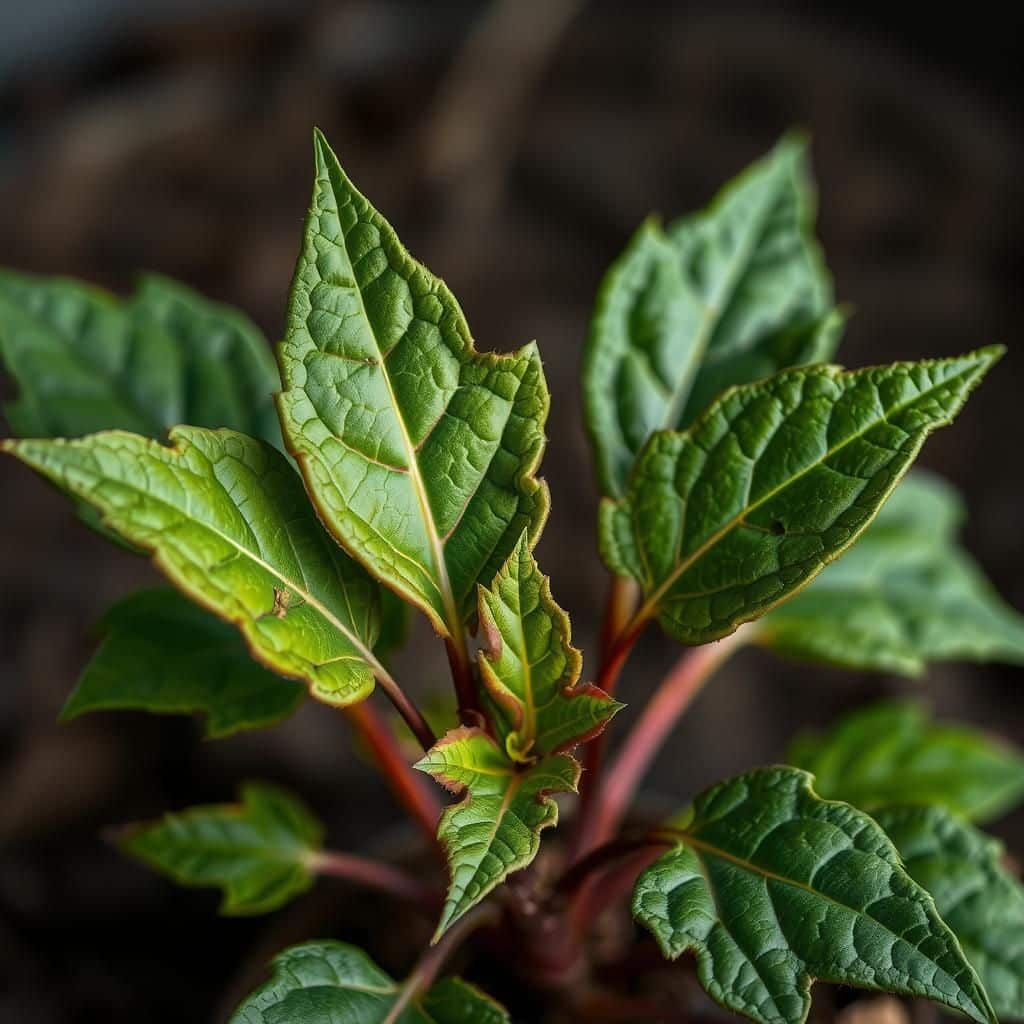
Proper plant care is essential for maintaining a vibrant and healthy garden. One common practice among plant enthusiasts is the removal of dead leaves, but is it truly beneficial? In this article, we will explore the advantages of cutting off dead leaves from plants. By understanding the impact this simple task can have on their growth and overall well-being, gardeners can make informed decisions that enhance the longevity of their flora. Join us as we delve into the reasons behind this practice and how it contributes to healthier, more resilient plants.
Is it Beneficial to Trim Dead Leaves from Plants?
Cutting off dead leaves from plants is generally considered a beneficial practice for several reasons. First, removing these leaves can improve the overall aesthetics of the plant, making it look healthier and more vibrant. Second, it helps in preventing diseases by reducing the chances of fungal or bacterial infections that can thrive on decomposing foliage. Additionally, trimming away dead leaves allows the plant to redirect its energy towards new growth and healthy leaves, thus promoting better overall health. Moreover, it also improves air circulation around the plant, which can be crucial for its growth and vitality. Overall, pruning dead leaves creates a more hospitable environment for the plant to thrive.
Improved Aesthetics
Removing dead leaves enhances the visual appeal of your plants, making them look neater and more vibrant. Healthy, green leaves are often seen as a sign of a well-cared-for plant, which can elevate the overall ambiance of any space.
Disease Prevention
Dead leaves can harbor pests and diseases that may spread to the healthy parts of the plant. By cutting away these leaves, you mitigate the risk of fungal and bacterial infections, thereby prolonging the life of the plant and ensuring it stays vigorous.
Enhanced Growth
When dead leaves are removed, plants can focus their energy on producing new foliage instead of sustaining dying parts. This can lead to lush growth and a stronger, more resilient plant overall as it utilizes its resources more effectively.
Better Air Circulation
Trimming dead leaves allows for improved air circulation around the plant, which is essential for its health. Good airflow helps to reduce humidity levels around the plant, lowering the risk of mold and other moisture-related issues.
Encouragement of New Buds
Removing dead foliage can stimulate the growth of new buds and leaves, as the plant's resources are redirected. This practice can result in bushier plants with a more abundant leaf canopy, enhancing their natural beauty.
| Benefit | Description |
|---|---|
| Improved Aesthetics | Enhances the visual appeal and health appearance of plants. |
| Disease Prevention | Reduces the risk of infections caused by decaying leaves. |
| Enhanced Growth | Redirects energy from dead parts to new, healthy growth. |
| Better Air Circulation | Improves airflow, reducing humidity and moisture-related problems. |
| Encouragement of New Buds | Stimulates growth of new leaves and branches. |
How to cut dead leaves without killing plants?


To cut dead leaves without harming your plants, it's crucial to follow specific techniques and timing. Here’s a detailed approach to ensure the health of your plants while removing any dead or dying foliage.
Understanding the Importance of Leaf Removal
Removing dead leaves is vital for plant health as it helps improve air circulation and reduces the chance of diseases. Here are some benefits of this practice:
- Improved Air Circulation: Dead leaves can obstruct airflow, leading to damp conditions that foster fungal growth.
- Enhanced Nutrient Absorption: By removing dead foliage, your plants can focus on growing new healthy leaves that will better absorb sunlight.
- Aesthetic Improvement: Cleaning up dead leaves enhances the appearance of your plants and garden.
Choosing the Right Time for Pruning
Timing is essential when it comes to cutting dead leaves. Pruning during the correct season ensures minimal stress on plants:
- Spring Pruning: Remove dead leaves as new growth begins, allowing the plant to redirect energy to healthy parts.
- Fall Pruning: For some plants, removing dead leaves in fall prepares them for dormancy, minimizing disease risk.
- Avoiding Pruning in Winter: It’s generally advised to avoid cutting leaves in winter, as plants are dormant and can be more susceptible to stress.
Tools for Effective Leaf Cutting
Using the right tools is crucial for making clean cuts without damaging the plant. Consider the following:
- Pruning Shears: Use sharp, clean pruning shears for small branches and dead leaves.
- Scissors: For delicate plants, a pair of scissors can help manage fine leaves.
- Utility Knife: A utility knife is handy for cutting away larger sections of dead foliage.
How to Cut Dead Leaves Properly
When you’re ready to cut, make sure to follow specific techniques to prevent damage:
- Make Clean Cuts: Always cut leaves at their base or near the stem to encourage new growth.
- Avoid Rough Handling: Be gentle when cutting to prevent tearing any healthy leaves.
- Angle Your Cuts: Make cuts at a slight angle to allow water to run off and prevent rot.
Aftercare for Pruned Plants
Once you’ve trimmed the dead leaves, providing the right aftercare is key to recovery:
- Watering: Ensure your plants are well-watered but do not overwater; balance is critical.
- Fertilizing: After pruning, consider using a balanced fertilizer to promote healthy regrowth.
- Monitoring: Keep an eye on the plants for signs of stress or disease in the weeks following pruning.
Is it good to leave dead leaves in potted plants?

Leaving dead leaves in potted plants can be a topic of debate among gardeners and plant enthusiasts. Understanding the implications of this practice requires an examination of both the potential benefits and drawbacks it can present.
See also:
Benefits of Leaving Dead Leaves
Leaving dead leaves in potted plants can provide several benefits, which can positively impact plant health and the overall environment of the pot.
- Natural Mulch: Dead leaves can act as a natural mulch, helping to retain moisture in the soil, which is essential for the plants.
- Nutrients Release: As the leaves decompose, they release essential nutrients back into the soil, which can enhance the nutritional profile of the potting mix.
- Soil Structure Improvement: Decomposing leaves contribute to improved soil structure, encouraging beneficial microbial activity that can be vital for plant growth.
Drawbacks of Leaving Dead Leaves
While there are benefits, there are also significant drawbacks to consider when leaving dead leaves in potted plants.
- Risk of Pests: Decomposing leaves can attract pests, such as gnats and other insects that may harm the plant.
- Fungal Issues: Excessive moisture from decaying leaves can foster fungal growth, potentially leading to root rot and other diseases.
- Unattractive Appearance: Dead leaves can create an unkempt look, which may not be desirable for all plant owners who prefer aesthetic appeal.
Best Practices for Managing Dead Leaves
To effectively manage dead leaves in potted plants, certain best practices can be followed to minimize negative consequences while maximizing benefits.
- Regular Monitoring: Check the pot regularly for dead leaves and assess whether they are causing any issues.
- Selective Removal: Remove dead leaves periodically while leaving some in the pot to allow for decomposition benefits.
- Consider Plant Type: Some plants may benefit more from dead leaves than others; consider the specific needs of your plants.
Alternatives to Leaving Dead Leaves
If leaving dead leaves does not seem beneficial for a particular plant, there are alternative approaches that can be adopted.
- Composting: Collect dead leaves and add them to a compost pile, where they can break down and create nutrient-rich compost for future use.
- Shredding: Shred dead leaves to speed up the decomposition process before mixing them into the potting soil.
- Creating Leaf Mold: Reserve dead leaves in a separate container to create leaf mold, which can be beneficial as a soil amendment.
Impact on Soil Health
Understanding the impact of leaving dead leaves on soil health is crucial for maintaining robust potted plants.
- Microbial Activity: Dead leaves provide organic matter that supports the growth of beneficial microorganisms in the soil.
- pH Balance: As leaves decompose, they can help maintain a balanced pH level in the potting mix, promoting optimal plant health.
- Water Retention: The presence of dead leaves can enhance the soil's ability to retain moisture, which is particularly important for potted plants.
Questions from Our Readers
Is it beneficial to cut off dead leaves from plants?
Yes, cutting off dead leaves is beneficial as it helps to improve the overall health of the plant. By removing these leaves, you allow the plant to allocate more energy to new growth and healthy leaves, which can lead to a more vigorous and attractive plant.
When is the best time to remove dead leaves from plants?
The best time to remove dead leaves is during the growing season, typically in spring or early summer, when the plant is actively growing. This allows the plant to recover more quickly and redirect its energy towards new growth.
Will cutting off dead leaves harm my plant?
No, cutting off dead leaves will not harm your plant, as these leaves are already dead and not contributing to its vitality. In fact, removing them can enhance air circulation and reduce the risk of fungal diseases.
See also:
How should I cut dead leaves from my plants?
To cut dead leaves, use a pair of sharp, clean scissors or pruning shears and make a clean cut at the base of the leaf stalk. This practice ensures a neater appearance and minimizes any potential damage to the healthy parts of the plant.

If you want to read more articles like Is it Good to Cut Off Dead Leaves from Plants? Discover the Benefits for Healthy Growth, we recommend you check out our Pruning category.
Leave a Reply
Related Articles