What Do You Line the Bottom of a Planter With? Essential Tips for Optimal Drainage and Plant Health
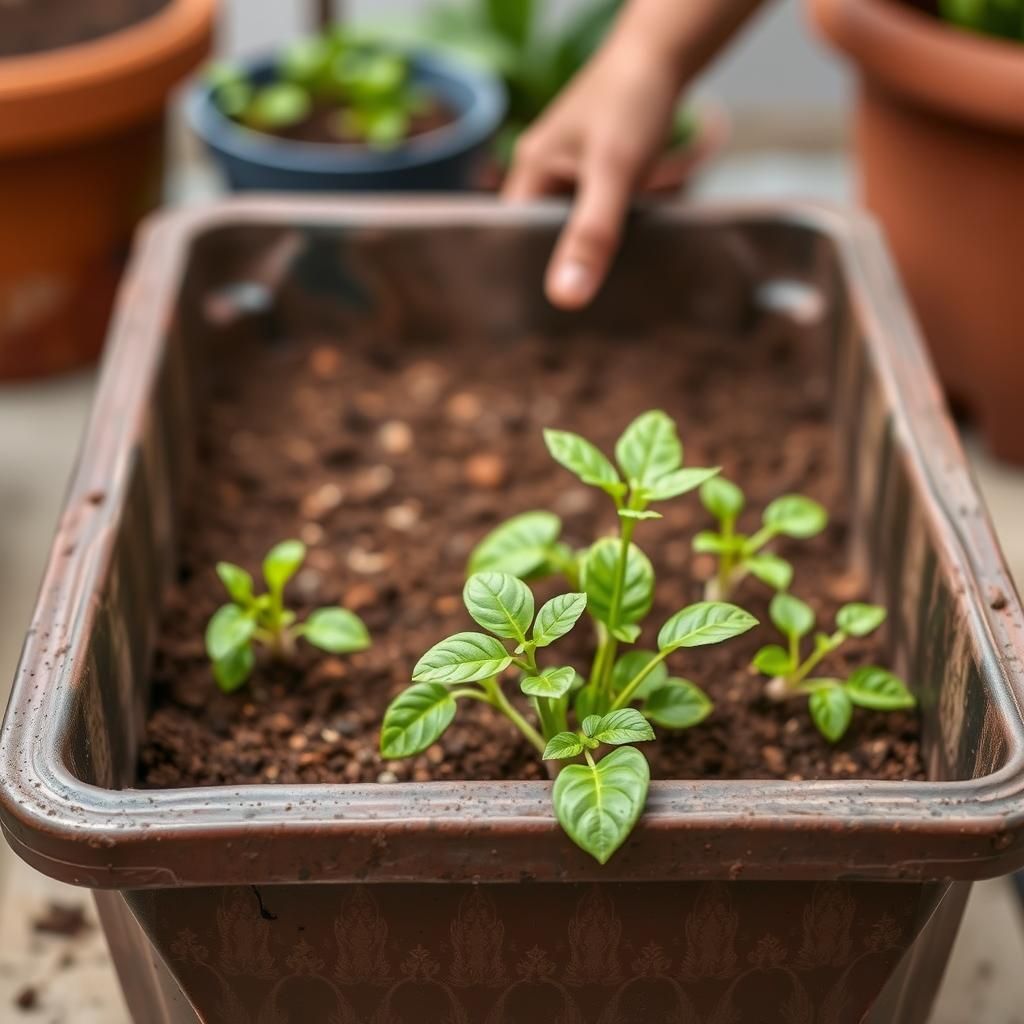
When it comes to container gardening, proper drainage is crucial for the health and vitality of your plants. One often overlooked aspect is what to line the bottom of a planter with. Choosing the right materials can prevent waterlogging, promote airflow, and ensure that your plants thrive in their potted environment. In this article, we'll explore various options for lining your planters, along with essential tips to optimize drainage and support healthy root growth. Whether you're a seasoned gardener or just starting out, understanding these fundamentals will help you create the perfect environment for your beloved plants.
What Do You Line the Bottom of a Planter With?
To ensure proper drainage and promote healthy plant growth, it’s essential to line the bottom of a planter with materials that will prevent soil from escaping while allowing excess water to flow out. Common options include rocks, gravel, and landscaping fabric. These materials serve to create a barrier, helping to keep the soil in place but allowing water to drain freely, which is crucial for preventing root rot and promoting aeration. Using a combination of these materials can optimize the drainage system, ensuring your plants thrive without the risk of soggy roots.
Why Is Drainage Important in Planters?
Proper drainage is vital in planters as it prevents water from pooling at the bottom, which can lead to root rot and unhealthy plants. When excess water accumulates, it creates a detrimental environment for roots, which suffocate without access to air. Good drainage allows for the necessary oxygen to reach the roots, promoting healthy growth and longevity of the plants. By ensuring that your planter has an effective drainage system, you significantly reduce the risk of overwatering.
What Materials Can Be Used for Lining?
Several materials can be used to line the bottom of a planter, including rocks, gravel, pebbles, and landscaping fabric. Rocks and gravel are excellent for creating space that allows water to flow through while keeping soil in place. Landscaping fabric can be laid over these materials to prevent soil from washing away while still allowing water to drain. Each of these options has its advantages, and often, a combination may yield the best results.
How to Choose the Right Material?
Choosing the right lining material depends on the type of plants you are growing and your specific environmental conditions. For instance, if you are growing succulents or other drought-tolerant plants, using larger gravel for increased drainage is beneficial. Conversely, if you are planting species that thrive in moist conditions, smaller rocks with a layer of landscaping fabric might suffice. It’s crucial to consider the needs of your plants as well as local climate conditions when selecting materials.
Can You Use Plastic Mesh or Screens?
Yes, plastic mesh or screens can be effective for lining the bottom of planters. These materials serve as a barrier to keep soil from escaping while allowing water to drain efficiently. They are particularly useful for smaller planters where traditional materials like gravel might not fit adequately. The use of mesh screens also helps in preventing pests from entering the soil while maintaining proper drainage.
Maintenance Tips for Lined Planters
Maintaining your lined planter involves regularly checking the drainage system to ensure it remains effective. Over time, sediment and soil particles may accumulate in the drainage layers, potentially blocking water flow. It’s advisable to periodically remove the plants and inspect the bottom layer, replacing materials as necessary to maintain optimal drainage. Additionally, ensure that your soil mix is well-draining overall to work in tandem with the lining materials.
| Material | Benefits |
|---|---|
| Rocks | Facilitates drainage and prevents soil loss. |
| Gravel | Increases aeration and allows excess water to escape. |
| Landscaping Fabric | Acts as a barrier for soil while permitting drainage. |
| Plastic Mesh | Effective for small planters, keeps out pests. |
What is the best thing to put in the bottom of a planter?

The best thing to put in the bottom of a planter is drainage material. Good drainage is crucial for healthy plant growth because it prevents overwatering and root rot. Various materials can be used for this purpose, but the key is to facilitate water flow while preventing soil from escaping the planter.
Importance of Drainage
The primary reason to include a drainage layer at the bottom of your planter is to ensure that excess water can easily escape. This helps to maintain a balanced moisture level in the soil, which is vital for optimal plant health. Without proper drainage, the roots can sit in standing water, leading to conditions that are conducive to rot and fungal diseases.
See also:
- Prevents root rot
- Ensures proper nutrient absorption
- Promotes healthier, stronger plants
Best Materials for Drainage
Several materials can be effectively used to provide drainage at the bottom of a planter. Each has its own pros and cons, and the choice may depend on the type of plants you are growing and the size of the planter.
- Clay pots or shards: Excellent for large planters, they provide effective drainage and aeration.
- Gravel or small stones: These create a barrier that keeps soil from clogging the drainage holes.
- Perlite or vermiculite: Lightweight options that also help retain some moisture in the planter.
Layering Method
When setting up your planter, it's essential to follow a proper layering method for the best results. The layering approach ensures that each component serves its purpose without hindering the others.
- Start with a layer of drainage material (like gravel) at the bottom.
- Add a thin cloth or landscape fabric to separate the soil from the drainage layer.
- Finally, place your potting soil, leaving enough space for your plants.
Considerations for Container Size
The size of your planter can also influence what to use for drainage. Different plant sizes and types may require varying levels of soil moisture retention and drainage capabilities.
- Small containers: Use a minimal amount of drainage material as they will hold water differently.
- Medium containers: A balanced layer of material and soil to ensure adequate drainage.
- Large containers: More significant amounts of drainage material may be necessary to prevent root rotting.
Environmental Factors
Finally, consider the environmental conditions where your planter is kept. Factors like temperature, humidity, and natural rainfall can affect moisture levels in the soil and may dictate your choice of drainage materials.
- Hot climates: Strong drainage materials help prevent water retention in the soil.
- Cold climates: Aim for materials that provide both drainage and some moisture retention.
- Humidity levels: High humidity may require enhanced drainage to reduce the risk of mold and rot.
What is the best material to line a planter with?
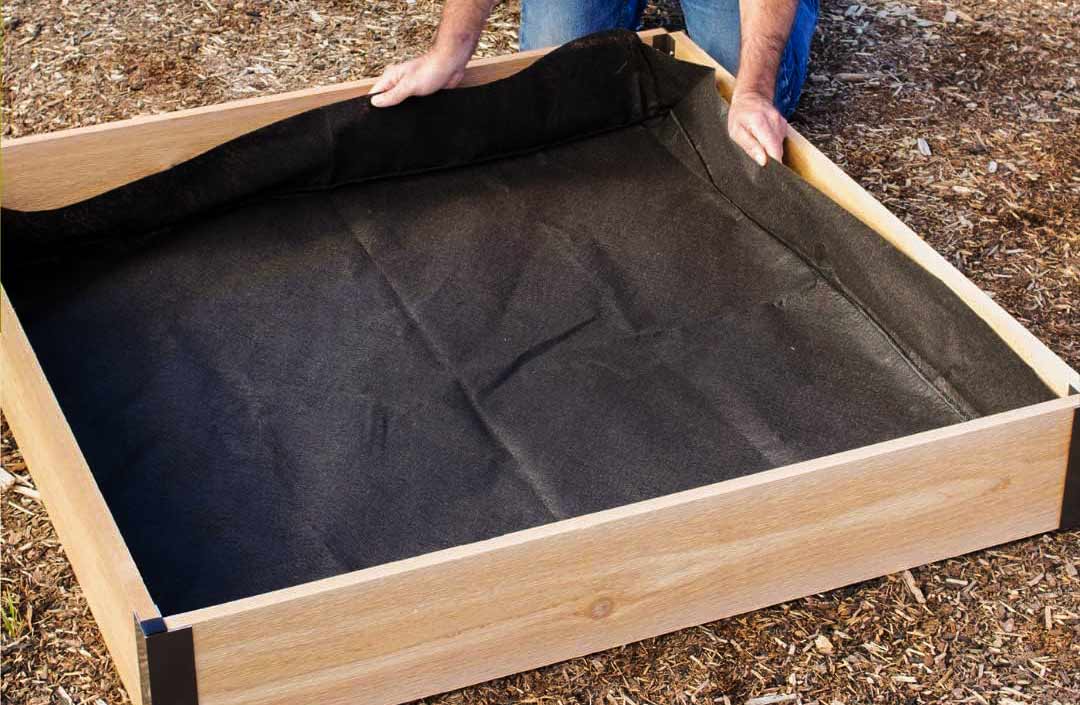
The best material to line a planter with depends on several factors including the type of plants being grown, the climate, and the overall style of the garden or balcony. Each lining material has its own advantages and disadvantages, so it's essential to choose one that suits your specific needs.
Natural Fibers
Natural fiber linings, such as coconut coir, jute, or sphagnum moss, are excellent choices for planters. These materials provide good drainage and aeration, which are crucial for root health.
- Coconut Coir: Retains moisture while allowing excess water to drain away.
- Jute: Biodegradable and adds organic matter to the soil as it decomposes.
- Sphagnum Moss: Highly absorbent, making it ideal for retaining moisture in dry climates.
Landscape Fabric
Landscape fabric is a synthetic material designed to prevent weed growth while allowing water to pass through. It's a great option for lining planters where you want to minimize weed issues.
- Weed Blockage: Prevents weed seeds from germinating in the soil of the planter.
- Water Permeability: Allows for proper drainage, preventing waterlogging.
- Durability: Can last several seasons, reducing the need for frequent replacements.
Plastic Liners
Plastic liners are lightweight and waterproof, making them a popular choice for many gardeners. They help retain moisture and keep the soil contained.
- Moisture Retention: Keeps the soil moist for longer periods, reducing the need for frequent watering.
- Variety of Sizes: Available in various shapes and sizes to fit different planters.
- Cost-Effective: Generally cheaper than other materials and easy to replace.
Metal Liners
Metal containers add a rustic charm but can have downsides concerning temperature regulation and rust. Using metal liners can help mitigate some drawbacks.
See also:
- Durability: Metal is resistant to wear and can withstand outdoor conditions.
- Heat Retention: Can retain heat, which may benefit some plants in colder climates.
- Rust Prevention: Choosing stainless steel or galvanized metal minimizes rust issues.
Wooden Liners
Wooden liners can provide an aesthetic appeal and are biodegradable, enhancing the planter's sustainability. However, choosing the right type of wood is essential to avoid rot.
- Natural Aesthetics: Wood adds a warm, rustic look to any garden.
- Biodegradable: As it decomposes, it enriches the soil with organic matter.
- Choice of Wood: Selecting rot-resistant woods like cedar or redwood prolongs lifespan.
How to line the bottom of a planter?

To line the bottom of a planter, the primary goal is to prevent soil from washing out while allowing for proper drainage. Line the bottom of your planter using materials that create a barrier but do not inhibit water flow. Below are detailed steps and methods to effectively line the bottom of your planter.
Choosing the Right Material
When selecting a material to line the bottom of your planter, consider the following options:
- Landscape Fabric: This breathable fabric allows water to pass through while keeping the soil contained.
- Pine Bark or Wood Chips: These materials can create a natural barrier while providing drainage and aeration.
- Plastic Mesh: This option keeps soil in while still permitting excess water to escape.
Preparing the Planter
Before lining the planter, it is essential to prepare it properly to ensure the liner adheres effectively and functions as intended:
- Clean the Planter: Remove any old soil or debris to avoid contamination.
- Inspect for Holes: Check drainage holes for blockages that could hinder water flow.
- Measure the Bottom: Cut the liner material to fit the bottom of your planter perfectly.
Installing the Liner
Once you’ve prepared the planter and chosen your material, follow these steps to install the liner correctly:
- Place the Liner: Lay the cut material at the bottom of the planter, ensuring it covers the entire area.
- Secure with Rocks or Bricks: If using a lightweight liner, consider placing small stones or decorative rocks over the liner to keep it in place.
- Trim Excess Material: After installation, trim any excess that may hinder planting or aesthetics.
Adding Drainage Material
To enhance drainage, adding a layer of drainage material under the soil is highly recommended:
- Gravel: Place a thin layer of gravel above the liner to allow excess water to filter down.
- Perlite or Vermiculite: These lightweight materials improve drainage and aeration, essential for healthy root growth.
- Sand: A layer of coarse sand can also help improve drainage, preventing root rot.
Planting and Maintenance
After lining and preparing the planter, it's time for planting:
- Add Soil: Fill the planter with quality potting soil, leaving enough space for plants.
- Watering Practices: Monitor your watering practices to ensure that excess water can escape through the drainage holes.
- Regular Checks: Periodically check the liner and drainage materials for effectiveness and to ensure they are not clogging.
Questions from Our Readers
What materials can I use to line the bottom of a planter?
To line the bottom of a planter, you can use materials such as landscape fabric, coffee filters, or mesh hardware cloth. These options help with drainage while preventing soil from escaping, ensuring that your plants have a well-ventilated environment.
Why is it important to line the bottom of a planter?
Lining the bottom of a planter is important because it promotes drainage, preventing excess water from accumulating and potentially causing root rot. Proper drainage is essential for maintaining healthy plant roots and overall plant growth.
See also:
Can I use rocks or gravel to line the bottom of a planter?
Yes, you can use rocks or gravel to line the bottom of a planter. These materials provide excellent drainage and can help keep the soil separate from the drainage layer, but they should be used in combination with another material to prevent soil loss.
Is it necessary to line the bottom of a planter with something?
While it is not strictly necessary to line the bottom of a planter, doing so is highly recommended to enhance drainage and soil retention. This practice can lead to healthier plants and a more effective growing environment.

If you want to read more articles like What Do You Line the Bottom of a Planter With? Essential Tips for Optimal Drainage and Plant Health, we recommend you check out our Planter category.
Leave a Reply
Related Articles