Is Tea Tree Mulch Good for Australian Natives? Benefits and Best Practices Explained

Tea tree mulch has gained popularity as a gardening resource, particularly in supporting the diverse flora of Australia. This organic material, derived from the Melaleuca tree, offers a range of benefits that make it an attractive option for Australian native plants. Not only does it help retain soil moisture and suppress weeds, but it also contributes nutrients to the soil as it decomposes. In this article, we will explore the advantages of using tea tree mulch for native gardens, along with best practices for its application to ensure optimal growth and sustainability of your Australian native plants.
Is Tea Tree Mulch Beneficial for Australian Natives?
Tea tree mulch, derived from the Melaleuca tree, is often considered beneficial for Australian native plants due to its unique properties. It has natural antifungal and antibacterial qualities, which can help in suppressing soil pathogens and improving overall plant health. Moreover, tea tree mulch retains moisture effectively and regulates soil temperature, creating a conducive environment for native plants that are accustomed to the Australian climate. By breaking down slowly, it enriches the soil with organic matter, further supporting the growth of diverse native species without introducing any harmful chemicals that might disrupt local ecosystems.
1. Nutritional Benefits of Tea Tree Mulch
Tea tree mulch provides essential nutrients as it decomposes, enriching the soil with organic matter necessary for the growth of Australian natives. This mulch contains high levels of carbon and promotes microbial activity, which supports the health of soil ecosystems. By enhancing soil fertility, tea tree mulch helps native plants thrive in their natural habitat while minimizing the need for chemical fertilizers.
2. Moisture Retention Properties
One of the significant benefits of tea tree mulch is its exceptional ability to retain moisture in the soil. This is particularly vital for Australian natives, which often adapt to drought conditions. By covering the soil, tea tree mulch prevents rapid evaporation, ensuring that plants have a consistent water supply during dry spells. This moisture retention is crucial for supporting the root systems of native plants, helping them survive and flourish even in harsh climates.
3. Pest and Disease Resistance
Tea tree mulch exhibits natural antimicrobial properties that can help deter pests and diseases affecting native plants. The essential oils found in tea tree mulch can create an environment unsuitable for many harmful insects and pathogens. This natural defense mechanism allows the native plants to grow with reduced risk of disease while promoting overall plant health in the landscape.
4. Environmental Impact
Using tea tree mulch aligns with sustainable practices since it is a natural product that enhances local ecosystems without introducing foreign materials. When applied correctly, it supports the biodiversity of Australian native plants, providing a suitable habitat for local wildlife and promoting a balanced ecosystem. Choosing tea tree mulch helps maintain the integrity of natural landscapes and minimizes the environmental footprint of gardening practices.
5. Application Techniques
Applying tea tree mulch effectively requires proper techniques to yield the best results for Australian natives. It is recommended to lay a layer of mulch that is approximately 5 to 10 cm thick, ensuring not to pile it against the plant stems. This method allows for adequate air circulation and prevents wet conditions that could cause root rot. Regularly replenishing the mulch will maintain its benefits and contribute positively to the overall health of the native plants.
| Property | Benefit |
|---|---|
| Nutritional Content | Enhances soil fertility |
| Moisture Retention | Prevents soil evaporation |
| Pest Resistance | Reduces the risk of diseases |
| Environmental Impact | Supports local ecosystems |
| Application Techniques | Ensures proper plant growth |
What is the best mulch for native Australians?

Mulching is an essential practice for maintaining healthy gardens, especially when it comes to growing native Australian plants. The best mulch for native Australians generally tends to be organic materials that are locally sourced and suit the specific climate and soil conditions of Australia. Here are some of the best options:
Benefits of Using Native Mulch
Using mulch made from native materials has numerous benefits that cater specifically to native Australian plants.
- Water Retention: Native mulches help retain moisture in the soil, reducing the need for frequent watering.
- Soil Temperature Regulation: Mulch acts as an insulating layer, keeping soil temperatures stable, which is vital in Australia’s fluctuating climate.
- Weed Suppression: A thick layer of native mulch can inhibit weed growth, providing less competition for nutrient uptake.
Types of Suitable Mulch for Native Plants
The type of mulch you choose can significantly impact the health of your native plants. Here are some of the best types:
- Eucalyptus Mulch: Made from shredded eucalyptus leaves, this mulch is attractive and offers excellent moisture retention.
- Melaleuca Mulch: Known for its pest-repelling properties, melaleuca mulch also breaks down slowly, providing long-term benefits.
- Native Bark Mulch: Mulch from local trees, such as acacia or casuarina, provides nutrients as it decomposes.
How to Apply Mulch for Native Plants
Applying mulch properly is crucial for maximizing its benefits. Here’s how to do it effectively:
- Prepare the Soil: Clear the area of weeds and debris; ensure the soil is well-aerated.
- Apply Adequate Thickness: Aim for a layer of around 7.5 to 10 cm (3 to 4 inches) of mulch to maximize moisture retention and temperature control.
- Keep Away from Stems: Maintain some space around the plant stems to prevent rot and promote air circulation.
Environmental Impact of Using Native Mulch
Using native mulches can have positive implications for the environment:
See also:
- Biodiversity Support: Native mulch supports local ecosystems by providing habitats for beneficial insects.
- Reduced Carbon Footprint: Sourcing mulch locally decreases transportation emissions, contributing positively to the environment.
- Soil Health Improvement: Organic mulches improve soil biology as they break down, enhancing nutrient cycling.
Commercial vs. Homemade Mulch Options
Deciding between commercial and homemade mulches can influence your gardening approach.
- Commercial Mulch: Often more convenient, these mulches are usually bagged and available at local gardening stores, but may lack the specific nutrient profile of homemade options.
- Homemade Options: You can create your own mulch using garden waste or fallen leaves, providing a free and organic alternative.
- Quality Control: With homemade mulch, you control the quality and source, ensuring it’s free from chemicals and pests.
What are the downsides of tea tree mulch?

Tea tree mulch, derived from the leaves and branches of the tea tree (Melaleuca alternifolia), is often praised for its attractive appearance and beneficial properties in gardens; however, there are several downsides associated with its use:
Environmental Concerns
The production of tea tree mulch can have significant environmental impacts. The harvesting of tea trees may lead to deforestation or habitat destruction if not done sustainably. Additionally, if the trees are sourced from areas that are not properly managed, it can contribute to the decline of local biodiversity.
- Deforestation can alter local ecosystems.
- Habitat destruction can endanger native wildlife.
- Unsustainable practices may lead to adverse environmental effects.
Allergenic Potential
Some individuals may experience allergic reactions to tea tree products, including tea tree mulch. These reactions can vary in severity and may affect gardeners or individuals in close proximity to the mulch. Potential symptoms include skin irritation or respiratory issues, especially for those with existing allergies.
- Skin irritation in sensitive individuals.
- Respiratory issues related to inhalation of particles.
- Worsening of existing allergies in vulnerable populations.
Cost and Availability
Tea tree mulch can be relatively expensive compared to other types of mulch. The cost is attributed to the harvesting, processing, and transport associated with this specific type of mulch. Furthermore, tea tree mulch may not be readily available in all regions, limiting access for gardeners.
- Higher costs compared to alternative mulches.
- Limited availability in certain geographical areas.
- Potential need for shipping which adds to the expense.
Nutrient Deficiency
Unlike some other organic mulches, tea tree mulch often lacks nutritional value for the soil. As it breaks down, it may not provide essential nutrients that plants require for optimal growth, which can lead to nutrient deficiencies in the garden.
- Minimal nutrient contribution during breakdown.
- Potential for deficiencies in soil quality.
- Need for additional fertilizers to compensate.
Weed Management Issues
While mulch is typically used to suppress weeds, tea tree mulch may not be as effective in preventing weed growth, especially if applied too thinly. Additionally, if not properly decomposed, it can provide a habitat for certain weed seeds that may sprout.
- Potential for insufficient weed suppression.
- Risk of harboring weed seeds from decomposition.
- Need for regular maintenance to manage weed growth.
What is the best soil improver for Australian natives?
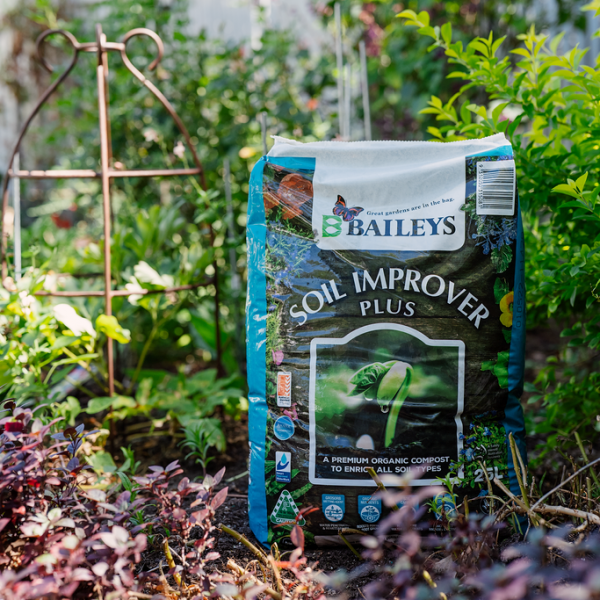
The best soil improver for Australian natives is typically a combination of organic materials that closely replicate their natural habitat. Australian native plants often thrive in well-drained, low-nutrient soils, and therefore the goal is to enhance the soil without overwhelming it with excess nutrients. The use of sand, organic compost, and mulch can provide a suitable balance for the growth of these native species.
Importance of Well-Drained Soil
Well-drained soil is crucial for the health of Australian native plants. These plants are adapted to survive in conditions with high drainage and less water retention.
- Prevention of Root Rot: Excess water can lead to root rot, which is detrimental to native plants.
- Encouragement of Deep Root Systems: Well-drained soil promotes deeper root growth, making plants more resilient.
- Improved Nutrient Uptake: Good drainage helps roots access nutrients effectively without being overwhelmed by water.
Organic Compost as a Soil Improver
Organic compost is an excellent soil improver that provides a range of benefits to Australian natives while ensuring that nutrient levels remain low.
- Nutrient Confidence: Improves soil structure while providing essential nutrients that are slowly released.
- Microbial Activity: Enhances soil microorganisms that benefit plant growth.
- Water Retention: Helps retain some moisture without creating waterlogged conditions.
Using Mulch for Soil Health
Mulch is another effective tool for improving soil quality for Australian natives, serving several critical functions.
See also:
- Weed Suppression: Reduces weed growth, which can compete with native plants for nutrients.
- Moisture Retention: Helps keep the soil moist but does not lead to sogginess.
- Temperature Regulation: Maintains a consistent soil temperature, benefiting root development.
Sand for Improved Drainage
Incorporating sand into the soil mixture is vital for improving drainage, which is a key requirement for many Australian native plants.
- Enhanced Drainage: Sand helps prevent soil compaction, allowing water to flow through more easily.
- Soil Aeration: Encourages aeration, which is essential for root health.
- Drought Resistance: Improves the soil's ability to dry out quickly, which can be beneficial during dry periods.
Testing Soil pH and Nutrient Levels
Regular testing of soil pH and nutrient levels can guide the selection of the best soil improver for Australian native plants.
- Optimal pH Range: Australian natives generally prefer a slightly acidic to neutral pH (around 5.5 to 7.0).
- Nutrient Assessment: Identifying excess nutrients can prevent over-fertilization.
- Informed Amendments: Helps in making informed decisions regarding soil improvers required for specific plants.
What is the best mulch for Australian herb gardens?

The best mulch for Australian herb gardens depends on various factors, including climate, availability of materials, and the specific needs of the herbs being cultivated. However, several types of mulch have proven effective in enhancing soil health, retaining moisture, and suppressing weeds in these gardens.
Benefits of Using Mulch in Herb Gardens
Using mulch in herb gardens offers multiple advantages that contribute to the overall health and productivity of the plants. Some of these benefits include:
- Moisture retention: Mulch helps retain soil moisture, reducing the need for frequent watering.
- Weed suppression: A thick layer of mulch can significantly inhibit the growth of weeds that compete for nutrients and space.
- Temperature regulation: Mulch acts as an insulating layer, protecting roots from extreme heat or cold, thus maintaining a more stable soil temperature.
- Soil improvement: Organic mulches break down over time, enriching the soil with nutrients and improving its structure.
- Pest protection: Certain types of mulch can attract beneficial insects while deterring harmful ones, promoting a healthier ecosystem.
Types of Mulch Suitable for Australian Herb Gardens
Various mulch options are suitable for Australian herb gardens, each offering different benefits and characteristics:
- Bark mulch: Made from shredded tree bark, this type provides good moisture retention and is effective against weeds.
- Straw: A lightweight option that breaks down quickly, enriching soil while suppressing weeds and retaining moisture.
- Compost: Not only serves as mulch but also enhances soil health through its nutrient-rich composition.
- Pea straw: Offers excellent weed suppression and moisture retention, making it ideal for aromatic herbs.
- Cocoa hulls: This decorative mulch adds a pleasant aroma, but care must be taken as it can be toxic to pets.
Considerations for Mulching in Australian Climates
When selecting mulch for Australian herb gardens, it's essential to consider the local climate, which can be quite diverse:
- Heat tolerance: Choose mulch that can withstand high temperatures without breaking down too quickly, ensuring long-lasting effectiveness.
- Water availability: In arid regions, select mulch that maximizes water retention and minimizes evaporation.
- Soil type: Certain mulches work better with sandy or clay soils; ensure compatibility for optimal results.
- Wind resistance: In windy areas, heavier mulches may be necessary to prevent displacement.
- Local regulations: Be aware of any restrictions on mulching materials to ensure compliance with local guidelines.
Applying Mulch Effectively in Herb Gardens
Proper application of mulch is vital for achieving the desired results in herb gardens:
- Layer thickness: Apply mulch in layers of about 5 to 10 centimeters to effectively suppress weeds and retain moisture.
- Distance from plants: Keep mulch a few centimeters away from the stems of herbs to prevent rot and allow for proper airflow.
- Timing: Apply mulch at the beginning of the growing season or after planting to maximize benefits.
- Regular maintenance: Replenish mulch as needed throughout the growing season to sustain its effectiveness.
- Monitoring: Check for any signs of pests or disease that may thrive in overly moist mulch conditions.
Organic vs. Inorganic Mulch Options
Choosing between organic and inorganic mulches can impact the health of herb gardens significantly:
- Organic mulch: Materials like straw, wood chips, or compost enrich the soil as they decompose, promoting beneficial microbes.
- Inorganic mulch: Stones, plastic, or rubber mulch offer long-lasting weed suppression and temperature control but do not improve soil quality.
- Environmental impact: Organic options are typically more sustainable, whereas inorganic mulches may contribute to waste disposal issues.
- Cost considerations: Organic mulches can be less expensive if sourced locally, while inorganic options may have higher initial costs but provide lasting results.
- Preference for aesthetics: The visual appeal of mulch can influence its choice; consider how mulch will complement the design of the herb garden.
Questions from Our Readers
Is tea tree mulch beneficial for Australian native plants?
Tea tree mulch can be very beneficial for Australian native plants as it provides a multitude of advantages, such as moisture retention and weed suppression. The natural properties of tea tree mulch also help improve soil structure, fostering a healthier environment for native species to thrive. However, it is essential to use it appropriately to ensure it complements the specific requirements of different plants.
How does tea tree mulch affect soil health?
Tea tree mulch has a positive effect on soil health by enhancing its nutrient content and supporting beneficial microorganisms. As it decomposes, it releases essential nutrients and organic matter into the soil, improving its overall structure and fertility, which is crucial for the growth of Australian natives that often thrive in nutrient-poor conditions.
Can tea tree mulch help with pest control?
Yes, tea tree mulch can aid in pest control as it contains natural compounds that deter certain pests. Its aromatic properties may help repel insects while promoting a healthy ecosystem for beneficial organisms, thereby reducing the reliance on chemical pest control methods. This makes it a great choice for gardeners looking to maintain a more sustainable approach.
Is tea tree mulch suitable for all types of Australian natives?
Tea tree mulch is generally suitable for many Australian natives, but it is crucial to consider the specific needs of each plant species. While some natives may thrive with this type of mulch, others might prefer different organic materials that cater better to their particular requirements. Always research individual plant species to ensure optimal mulching practices.
See also:

If you want to read more articles like Is Tea Tree Mulch Good for Australian Natives? Benefits and Best Practices Explained, we recommend you check out our Mulch category.
Leave a Reply
Related Articles