What is the Most Economical Mulch for Gardens? Top Affordable Options Revealed
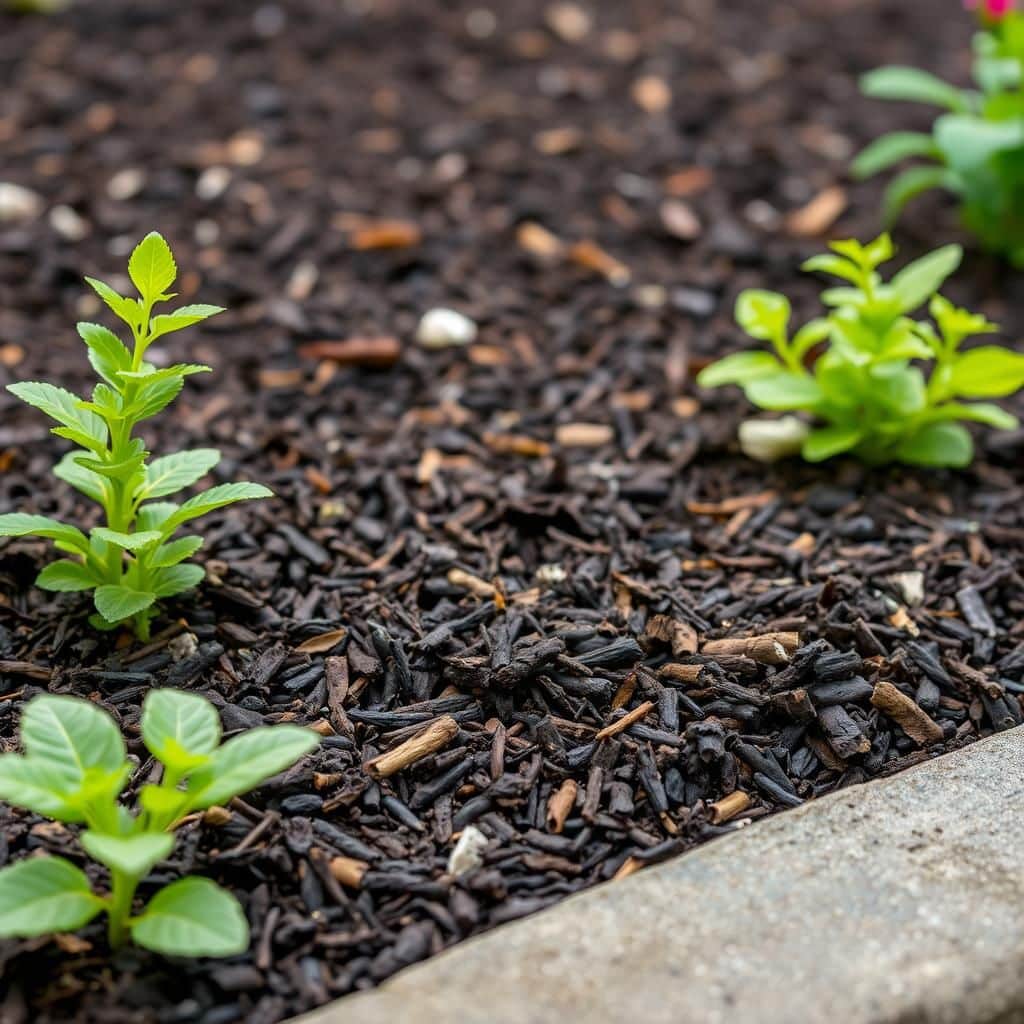
When it comes to maintaining a thriving garden, choosing the right mulch can make a significant difference in both the health of your plants and your budget. Mulching not only conserves moisture, suppresses weeds, and regulates soil temperature, but it can also enhance the aesthetic appeal of your garden. However, with so many options available, it’s essential to identify the most economical choices that provide maximum benefits without breaking the bank. In this article, we’ll explore various affordable mulch options, revealing the best economical solutions for gardeners looking to optimize their practices without compromising on quality.
What is the Most Economical Mulch for Gardens?
When considering the most economical mulch for gardens, straw, wood chips, and shredded leaves are often the best options. Straw is highly affordable, widely available, and excellent for retaining moisture while suppressing weeds. Wood chips can typically be acquired at little to no cost from local tree services, and they improve soil quality as they decompose. Shredded leaves, often available for free during fall clean-up, are another cost-effective choice that also enhances the soil structure over time. All these options provide effective benefits while minimizing expenses, making them ideal for budget-conscious gardeners.
Benefits of Using Straw as Mulch
Using straw as mulch is advantageous due to its ability to retain moisture in the soil, creating a favorable environment for plant growth. Moreover, it effectively suppresses weed growth, reducing competition for nutrients and water. Straw is lightweight, easy to apply, and can be turned into the soil at the end of the season, enriching it with organic matter. Over time, straw breaks down to contribute essential nutrients, making it not only a cost-effective choice but also a sustainable one.
Wood Chips: A Cost-Effective Option
Wood chips serve as an excellent mulch solution due to their durability and long-lasting nature. Often available for free from local tree services or landscaping companies, they effectively control weeds and retain soil moisture. As they decompose, wood chips add valuable carbon to the soil, aiding in the improvement of soil structure. Their rough texture also prevents soil compaction, promoting healthy root development in plants. Consequently, wood chips are a smart, economical choice for any garden.
Shredded Leaves: The Budget-Friendly Solution
Shredded leaves are an incredibly economical mulch option, particularly during the fall when leaf collection often yields a surplus. They not only provide a natural barrier against weeds but also have excellent moisture-retaining properties. As they break down, they contribute to the nutrient content of the soil, enriching it with organic matter. Additionally, they are easy to source and apply, making shredded leaves a convenient and beneficial choice for gardeners looking to save money.
Coconut Coir: An Eco-Friendly Alternative
Coconut coir, derived from the husks of coconuts, is becoming a popular eco-friendly mulch option. While it may come at a slightly higher initial cost compared to organic materials like straw or leaves, its durability and ability to retain moisture provide long-term savings. Coconut coir helps to improve soil aeration and drainage, promoting healthier plant growth. Moreover, it’s a sustainable resource, supporting environmentally friendly practices in gardening while being cost-effective in the long run.
Comparative Cost Analysis of Mulch Choices
| Mulch Type | Average Cost per Yard | Benefits | Availability |
|---|---|---|---|
| Straw | $5 - $10 | Moisture retention, weed suppression | Commonly available |
| Wood Chips | Free - $15 | Long lasting, soil improvement | Available locally |
| Shredded Leaves | Free | Nutrient-rich, weed control | Seasonal |
| Coconut Coir | $20 - $30 | Water retention, eco-friendly | Specialty stores |
What is the most cost effective mulch?
.webp)
The most cost-effective mulch is often considered to be grass clippings. Grass clippings are a byproduct of mowing your lawn, making them more accessible and free compared to other commercial mulching options. They provide numerous benefits while being inexpensive, and when used correctly, can help to suppress weeds, retain soil moisture, and improve soil fertility as they decompose.
Advantages of Using Grass Clippings
Grass clippings come with multiple benefits that make them a popular choice for mulch.
- Weed Suppression: A thick layer of grass clippings can hinder weed growth by blocking sunlight.
- Moisture Retention: They help retain soil moisture, reducing the need for frequent watering.
- Nutrient Recycling: As they decompose, they release valuable nutrients back into the soil.
Other Cost-Effective Mulch Options
While grass clippings are a leading choice, several other cost-effective mulching materials can be explored.
- Leaves: Shredded autumn leaves make for an excellent free mulch option.
- Wood Chips: Often available for free from tree trimming companies, they can be used effectively.
- Straw: Generally low-cost, straw can be used to create a barrier for weeds.
How to Apply Grass Clippings as Mulch
Applying grass clippings as mulch requires a few simple steps for maximum effectiveness.
- Collect Clippings: Gather clippings after mowing, avoiding those that contain weeds or disease.
- Apply Evenly: Spread a thin layer (about 1-2 inches) around plants, avoiding direct contact with stems.
- Water: Lightly water the area after applying to help the clippings settle.
Potential Downsides of Grass Clippings
While grass clippings are effective, there are some potential downsides to consider.
- Smell: If overly compacted, they can produce an unpleasant odor as they decompose.
- Thatch Buildup: Using too many clippings can lead to thatch, which may suffocate the grass.
- Weed Seeds: Clippings from weedy lawns can introduce unwanted weed seeds into the garden.
Comparative Costs of Various Mulches
Understanding the cost comparison among different mulches can help you make a more educated choice.
- Grass Clippings: Essentially free, as they are a byproduct of mowing.
- Wood Chips: Often available for free or a nominal fee if sourced from local tree services.
- Bark Mulch: Typically costs around $30 to $50 per cubic yard, making it pricier than grass clippings.
What kind of mulch is best for gardens?


Mulch is an essential component of garden management, serving various purposes that can significantly enhance plant health and garden aesthetics. When selecting the best kind of mulch for gardens, it’s crucial to consider the specific needs of your plants, local climate conditions, and the overall design of your garden. Here are some of the most effective types of mulch commonly used in gardens:
Organic Mulch
Organic mulch is derived from natural materials and is one of the most beneficial options for gardens. It decomposes over time, enriching the soil with nutrients and improving its structure. Common organic mulches include:
- Bark chips: Provide a decorative finish and last longer than other organic mulches.
- Wood chips: Effective at suppressing weeds and conserving moisture.
- Straw: Allows for good drainage and is easily decomposed, adding organic matter to the soil.
Inorganic Mulch
Inorganic mulch comprises non-organic materials that do not decompose and can be used for long-term garden maintenance. It can include:
- Gravel: Ideal for heat-loving plants and helping with drainage.
- Rubber mulch: Made from recycled tires, it is durable and effective for weed control.
- Landscape fabric: Prevents weed growth while allowing water and nutrients to reach the soil.
Benefits of Mulching
Applying mulch in gardens offers numerous benefits, which can significantly enhance plant health and garden appearance. These benefits include:
- Weed suppression: Mulch creates a barrier that inhibits weed growth, reducing competition for nutrients and water.
- Moisture retention: Helps maintain soil moisture by reducing evaporation, important in dry conditions.
- Temperature regulation: Insulates the soil, keeping it warmer in winter and cooler in summer.
Choosing the Right Mulch for Your Plants
Specific plants may have unique mulch requirements to thrive. It’s essential to match the type of mulch with your plant choices. Considerations include:
- Perennials: Often benefit from organic mulches to improve soil quality.
- Annuals: Light layers of mulch can help retain moisture without suffocating the plants.
- Acid-loving plants: May thrive with pine needles or oak leaves as mulch.
Mulch Application Techniques
Applying mulch correctly is crucial for maximizing its benefits. Some effective techniques include:
- Layer thickness: Aim for 2-4 inches for optimal effectiveness without smothering plants.
- Distance from stems: Keep mulch a few inches away from plant stems to prevent rot.
- Regular replenishment: Organic mulch needs to be topped off regularly as it decomposes over time.
What is the best free mulch for my garden?

The best free mulch for your garden can vary based on availability and your specific gardening needs. However, some of the most effective and easily accessible options include:
1. Grass Clippings
Benefits of Grass Clippings as Mulch
Grass clippings are an excellent choice for free mulch. They are rich in nitrogen, which is beneficial for soil health and plant growth. As they decompose, they enrich the soil and help retain moisture.
- Easy to collect after mowing your lawn.
- Break down quickly, adding nutrients to the soil.
- Help suppress weeds effectively when applied in a thick layer.
2. Wood Chips or Shavings
Using Wood Chips or Shavings
These materials are often available for free from local tree services or landscaping companies. When used as mulch, they provide a protective barrier that conserves moisture and regulates soil temperature.
- Long-lasting compared to other organic mulches.
- Inhibit weed growth by blocking sunlight.
- Can improve the visual aesthetics of your garden beds.
3. Leaves
The Advantages of Using Leaves as Mulch
Shredded leaves are a plentiful and free mulch option, particularly in the fall. They provide excellent insulation for the soil, keeping it cool in summer and warm in winter.
See also:
- Decompose over time, enriching the soil with organic matter.
- Lightweight and easy to handle.
- Can cover a large area without significant expense.
4. Straw or Hay
Choosing Straw or Hay as Mulch
Though not always free, straw can sometimes be sourced cheap or even for free from local farms. It is beneficial for vegetable gardens and can help maintain soil moisture while also reducing weed growth.
- Will break down slowly, providing long-term benefits.
- Light and easy to spread around planting areas.
- Can be an excellent insulator for roots during colder months.
5. Cardboard and Newspaper
Using Cardboard and Newspaper as Eco-Friendly Mulch
Cardboard and newspapers are great for creating a barrier against weeds. When layered effectively, they can decompose over time, improving soil structure while preventing unwanted plant growth.
- Readily available and requires no cost.
- Effective at suppressing weeds when used in multiple layers.
- Biodegradable and friendly to the environment.
What is the best mulch for tomatoes and cucumbers?
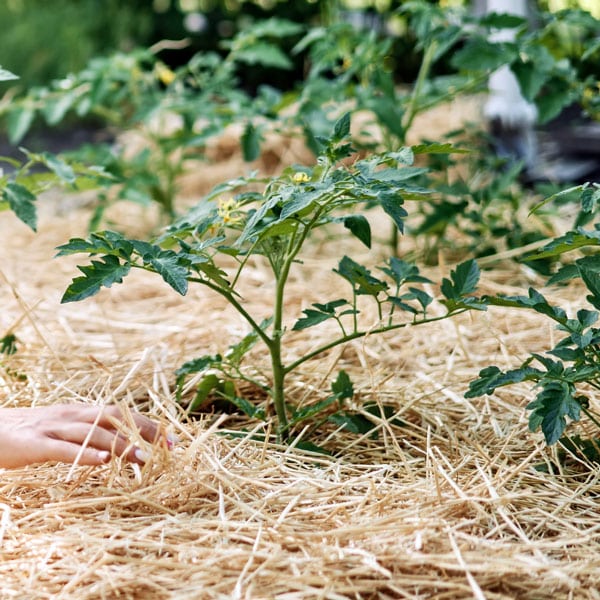
The best mulch for tomatoes and cucumbers can significantly enhance their growth and yield. Mulching serves multiple purposes, including moisture retention, weed suppression, and temperature regulation. When selecting mulch for these particular plants, factors such as organic matter, nutrient retention, and the ability to improve soil structure should be considered.
Types of Mulch for Tomatoes and Cucumbers
When choosing mulch, there are several types that are particularly effective for tomatoes and cucumbers. Each type has unique properties and benefits:
- Straw: An excellent choice for moisture retention and weed suppression, straw is lightweight and helps control soil temperature.
- Wood Chips: These provide good insulation and retain moisture, but should be replenished occasionally as they break down.
- Grass Clippings: Rich in nitrogen, grass clippings decompose quickly and enrich the soil, but should be applied in thin layers to avoid matting.
Benefits of Organic Mulch
Organic mulches offer numerous benefits that can improve plant health significantly. Incorporating organic materials not only enhances the soil but also supports beneficial microorganisms:
- Improved Soil Quality: As organic mulches decompose, they enrich the soil with nutrients, boosting plant growth.
- Moisture Retention: Organic mulches can hold water, preventing the soil from drying out and reducing the need for frequent watering.
- Weed Control: By covering the soil, organic mulch helps suppress weeds, which can compete with your vegetables for nutrients and water.
Considerations for Applying Mulch
Applying mulch correctly is crucial for maximizing its benefits. Key considerations include:
- Thickness: Apply mulch in layers 2-4 inches thick. Too thin won't suppress weeds, and too thick can suffocate plants.
- Distance from Plant Stems: Keep mulch a few inches away from the stems of tomatoes and cucumbers to prevent rot and pest attraction.
- Timing: Mulch should be applied after the soil has warmed up in spring to avoid trapping cold air around seedlings.
Use of Plastic Mulch
Plastic mulch is another option that some gardeners prefer. While it has different properties compared to organic options, it comes with its benefits:
- Heat Retention: Black plastic mulch warms the soil, promoting quicker growth for heat-loving plants like tomatoes.
- Weed Suppression: Plastic effectively blocks sunlight, eliminating most weed growth beneath it.
- Water Conservation: By creating a barrier, plastic mulch can reduce water evaporation from the soil surface.
Mulching for Pest Control
Mulch can also play an essential role in pest management strategies. Different types of mulch can deter various pests:
- Cedar Mulch: Known for its natural insect-repelling properties, cedar can help deter certain pests from invading your garden.
- Color Choices: Some gardeners use reflective plastic mulch to confuse pests and reduce their damage to crops.
- Habitat for Beneficial Insects: Organic mulches can attract beneficial insects that prey on common pests, providing biological control.
Questions from Our Readers
What is the most economical mulch for gardens?
The most economical mulch for gardens is often grass clippings. They are readily available from mowing your lawn and provide excellent nutrients to the soil while suppressing weeds. Additionally, using grass clippings helps in keeping the soil moist and improves overall garden health.
Can I use leaves as mulch?
Yes, leaves can be used as a very economical mulch option. When shredded or chopped, they break down over time, adding organic matter to the soil. Plus, falling leaves in the autumn can be collected for free, making them a cost-effective choice for gardeners.
Is wood chips a budget-friendly mulch?
Wood chips can be a budget-friendly option, especially if you obtain them from local tree services or landscape companies that offer them for free. They are great for moisture retention and long-lasting, but it's important to ensure they are not treated, which can affect soil health.
See also:
Are straw bales an affordable choice for mulching?
Straw bales can be an affordable mulch choice, particularly when sourced from local farms or agricultural suppliers. They provide good weed suppression and soil insulation, but their effectiveness can diminish as they break down more quickly than other materials like wood chips.

If you want to read more articles like What is the Most Economical Mulch for Gardens? Top Affordable Options Revealed, we recommend you check out our Mulch category.
Leave a Reply
Related Articles