What is the Best Mix to Fill Raised Beds With? A Comprehensive Guide for Gardeners

When it comes to gardening, the choice of soil mix for raised beds can make all the difference in plant health and productivity. A well-structured mix not only supports plant growth but also ensures proper drainage and aeration. In this comprehensive guide, we will explore the best combinations of materials to fill raised beds, considering factors such as plant type, climate, and budget. Whether you're a novice gardener or a seasoned pro, understanding the ideal soil mix will help you create thriving, sustainable gardens that yield bountiful harvests throughout the seasons. Let’s dig into the details of optimizing your raised bed soil!
What Is the Best Mix to Fill Raised Beds With?
To create the optimal growing environment for your plants in raised beds, the best mix typically consists of a combination of high-quality topsoil, compost, and organic matter. A recommended ratio is one-third topsoil, one-third compost, and one-third other organic materials like aged manure or peat moss. This mix ensures that your plants have access to essential nutrients, proper drainage, and adequate water retention. Additionally, incorporating materials like perlite or vermiculite can improve aeration and prevent soil compaction, fostering a healthy root system for your plants.
Importance of Topsoil
Topsoil is crucial in raised bed mixes as it serves as the foundational layer, providing the necessary nutrients and minerals that plants require. It creates a substrate that supports healthy microbial life and enhances the soil structure, allowing for better water retention and drainage. When selecting topsoil, ensure that it is free from contaminants and has a balanced pH to support a variety of plants.
The Role of Compost
Compost is a powerhouse of nutrients and acts as a biologically active amendment that enhances the soil’s fertility. It provides essential micronutrients and encourages beneficial organisms that help break down organic matter and improve soil structure. Using well-aged compost in your raised beds will lead to robust plant growth and can help in suppressing plant diseases.
Organic Matter Contributions
Incorporating organic matter such as aged manure or leaf mold is essential in a raised bed mix as it improves soil texture and increases nutrient availability. This type of matter aids in moisture retention, making it invaluable during dry spells. Additionally, it helps to encourage the growth of beneficial fungi and bacteria that promote healthy root systems and overall plant health.
Incorporating Drainage Materials
Adding drainage materials like perlite or vermiculite is vital in preventing soil compaction and ensuring sufficient aeration within the raised bed. These materials help maintain the right balance of moisture and oxygen, which are critical for root development. They can also enhance the drainage capabilities of the soil, reducing the risk of root rot and other moisture-related issues.
Finalizing Your Raised Bed Mix
When finalizing your raised bed mix, it's essential to blend all components thoroughly to create a homogeneous mixture. A well-rounded mix that includes topsoil, compost, organic matter, and drainage materials will result in a productive garden bed ready to support a variety of plants. Regular amendments and testing of soil pH and nutrient levels will keep the soil fertile and conducive for growth throughout the planting season.
| Component | Purpose |
|---|---|
| Topsoil | Foundation for nutrients and microbial life |
| Compost | Provides nutrients and encourages beneficial organisms |
| Organic Matter | Improves texture and moisture retention |
| Perlite/Vermiculite | Aids in drainage and aeration |
What is the best soil combination for raised beds?
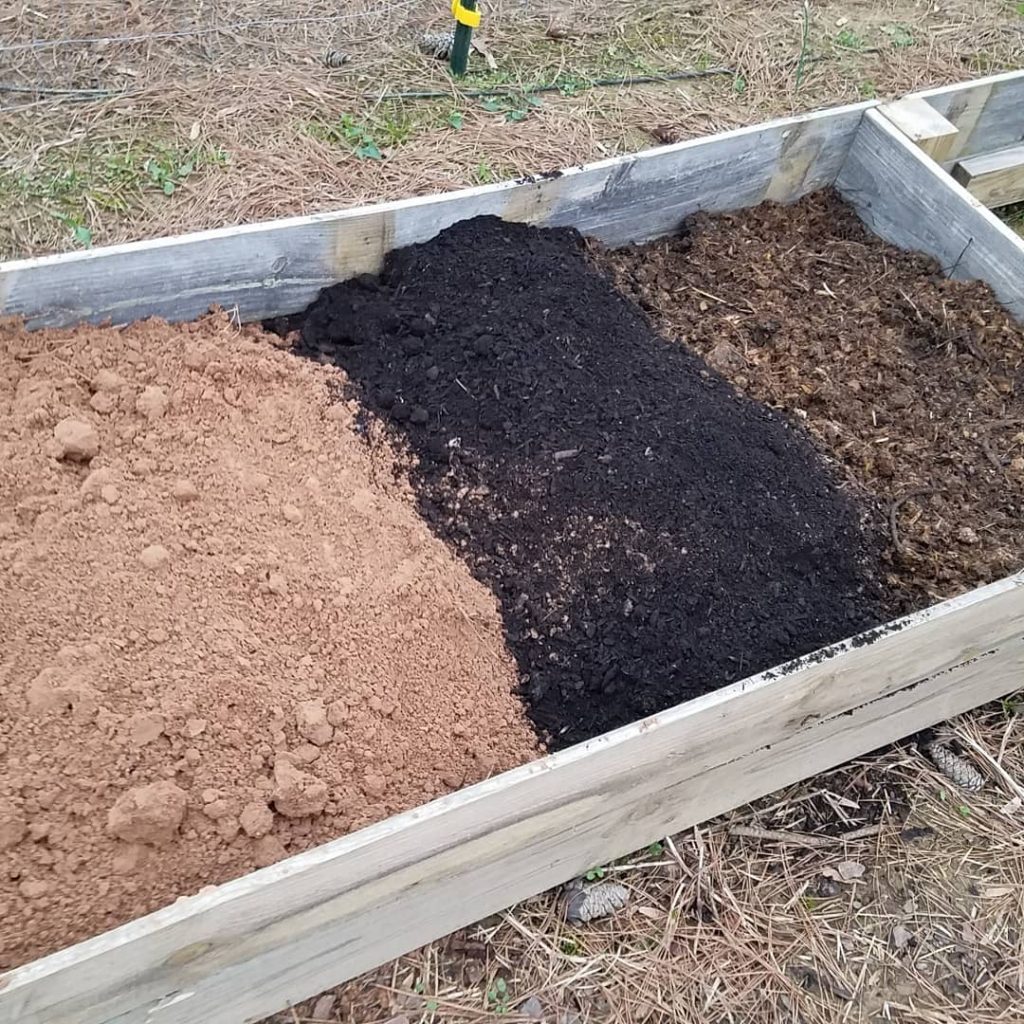
To create a thriving vegetable garden or flower bed in raised beds, choosing the best soil combination is crucial. The ideal mixture should provide the necessary nutrients, improve drainage, and retain moisture effectively. Generally, the following components are recommended for raised beds:
1. Topsoil: This is the foundation of the soil mixture. It provides essential minerals and organic matter to support plant growth.
2. Compost: Adding rich compost enhances soil fertility and structure, allowing for better nutrient absorption and microbial activity.
3. Aged Manure: This ingredient adds additional nutrients and improves soil texture. It should be well-composted to avoid introducing pathogens.
4. Peat Moss or Coconut Coir: These materials help retain moisture while improving soil aeration. They also provide a stable environment for beneficial microorganisms.
5. Perlite or Vermiculite: These components enhance drainage and aeration, preventing soil compaction and allowing roots to grow freely.
Here’s a suggested soil combination for raised beds in a simple ratio: 60% topsoil, 30% compost, and 10% additives (like peat moss and perlite).
Understanding Soil Layers
Understanding the layers of soil within raised beds can significantly affect plant health and growth. Proper layering allows roots to access nutrients, moisture, and oxygen more efficiently.
- Top Layer: This is where the majority of your plants' roots will thrive.
- Middle Layer: Composts should be mixed here to provide an essential nutrient boost.
- Bottom Layer: Incorporating coarse materials like gravel can improve drainage and prevent root rot.
Importance of Soil pH
Maintaining the right soil pH is crucial for nutrient availability and microbial activity. Most garden plants thrive in a pH range of 6.0 to 7.5.
See also:
- Testing pH Levels: Use a pH meter or test kit to measure the pH of your soil mix.
- Adjusting pH: You can add lime to raise the pH or sulfur to lower it if needed.
- Regular Monitoring: Check the pH periodically to ensure your soil remains in the optimal range.
Benefits of Composting
Composting enriches the soil, making it one of the most effective ways to improve raised bed soil. It enhances microbial life, which is vital for plant nutrition.
- Natural Fertilization: Compost provides a slow-release nutrient source compared to synthetic fertilizers.
- Soil Structure: Compost improves soil texture, leading to better drainage and aeration.
- Increased Moisture Retention: A well-composted mix can hold moisture better, reducing the need for frequent watering.
Choosing the Right Additives
The choice of additives can greatly affect soil performance in raised beds. Common additives include peat moss, coconut coir, and perlite, each offering unique benefits.
- Peat Moss: It aids in moisture retention and provides aeration but can be less sustainable.
- Coconut Coir: An eco-friendly alternative to peat, it holds moisture and improves soil structure.
- Perlite: This volcanic glass improves drainage and prevents compaction, making it ideal for raised beds.
Mulching for Soil Health
Applying a layer of mulch on top of your raised bed soil can drastically improve soil health and plant growth. It offers benefits that complement your soil mix.
- Moisture Retention: Mulch helps retain moisture, minimizing water needs.
- Weed Suppression: A layer of mulch can inhibit weed growth, allowing plants to thrive with less competition.
- Temperature Regulation: Mulch acts as an insulating barrier, helping soil maintain a more stable temperature.
What not to fill raised beds with?
When filling raised garden beds, it is crucial to avoid certain materials that can negatively impact plant growth or introduce harmful substances to the soil. Choosing the right filling materials ensures a healthy, thriving garden environment. Below are key items to steer clear of when preparing your raised beds.
1. Heavy Clay Soil
Heavy clay soil holds water well but can become compacted, leading to poor drainage and restricted root growth. While it may be tempting to use readily available local soil, heavy clay can create several issues:
- Poor drainage: Waterlogged soil can suffocate roots.
- Restricted airflow: Compacted soil limits oxygen availability for plants.
- Root growth issues: Plants may struggle to establish themselves properly.
2. Contaminated Soil
Using soil that may be contaminated with chemicals, pesticides, or heavy metals can be detrimental to your garden. Contaminated soil may introduce harmful substances into plants, making them unsafe for consumption. Points to consider include:
- Source of contamination: Check the previous land use to identify potential hazards.
- Testing soil: Conduct tests for pesticides and heavy metals if uncertain.
- Health risks: Consuming produce grown in contaminated soil poses health risks.
3. Old or Treated Wood
Filling raised beds with wood, especially old or treated lumber, can leach harmful chemicals into the soil. Common wood treatments include arsenic and other toxic preservatives. Consider the following:
- Leaching chemicals: Toxic substances can seep into the soil and be absorbed by plants.
- Durability:: Non-treated wood can decompose quickly, leading to structural issues.
- Alternative options: Use untreated wood or composite materials that are safe for gardening.
4. Invasive Plant Materials
Incorporating invasive plant materials, such as certain types of straw or grass clippings, can introduce persistent weeds into your garden. These materials can hinder plant growth and take over your growing area. Be aware of:
- Seed viability: Some materials may contain seeds that can sprout and spread.
- Weed competition: Invasive plants can outcompete your desired crops for nutrients and space.
- Long-term management: Control and removal of invasive plants can be labor-intensive.
5. Plastic and Synthetic Materials
Using plastic, rubber, or synthetic materials as filler may seem practical, but they can negatively impact soil health. These materials do not degrade and can disrupt soil ecosystems. Key considerations include:
- Sustainability: Synthetic materials last indefinitely, leading to long-term waste.
- Soil life: Plastic can hinder beneficial microbe activity in the soil.
- Leaching chemicals: Some plastics can release harmful chemicals into the soil and plants.
What is 3 ingredient garden soil?

Three-ingredient garden soil is a simple and effective mixture of components that provide essential nutrients and structure for healthy plant growth. Typically, this soil mix consists of three primary ingredients: compost, topsoil, and perlite or vermiculite. Each of these components plays a crucial role in creating an optimal environment for plants to thrive.
What Are the Components of 3 Ingredient Garden Soil?
The three main components of this garden soil mix are:
See also:
- Compost: Rich in organic matter, compost improves soil structure, provides nutrients, and enhances moisture retention.
- Topsoil: This is the uppermost layer of soil, containing minerals and organic material, which is crucial for planting and growing.
- Perlite or Vermiculite: These materials add aeration and improve drainage, preventing soil compaction and allowing roots to expand easily.
Benefits of Using 3 Ingredient Garden Soil
Utilizing this mix offers several benefits that can significantly enhance your gardening experience:
- Improved Drainage: The inclusion of perlite or vermiculite prevents water logging by allowing excess water to drain away easily.
- Nutrient-Rich: Compost is a vital source of organic nutrients, promoting healthy plant growth and vibrant blooms.
- Cost-Effective: By using readily available materials, such as local compost and topsoil, you can create an economical soil solution for your garden.
How to Create Your Own 3 Ingredient Garden Soil
Making your own garden soil mix is straightforward and can be done with minimal effort:
- Gather Ingredients: Collect compost, topsoil, and your choice of perlite or vermiculite.
- Mix Proportions: A common ratio is 1 part compost, 1 part topsoil, and 1 part perlite or vermiculite.
- Combine Thoroughly: Ensure all ingredients are well blended to create a uniform texture that supports plant growth.
Best Practices for Using 3 Ingredient Garden Soil
To maximize the effectiveness of your garden soil mix, consider the following best practices:
- Test Soil pH: Regularly check the pH levels to ensure they are suitable for the plants you intend to grow.
- Add Additional Nutrients: Depending on plant types, consider supplementing with specific fertilizers or minerals as needed.
- Monitor Moisture Levels: Keep an eye on soil moisture, particularly during hot weather, ensuring that plants receive adequate hydration.
Common Uses for 3 Ingredient Garden Soil
This versatile soil mix can be applied in various gardening contexts:
- Container Gardening: Ideal for filling pots, providing sufficient drainage and nutrients for container plants.
- Raised Beds: Perfect for creating raised garden beds that support diverse plant growth.
- Seed Starting: Excellent for seed germination, as it offers a nurturing environment for young plants to develop.
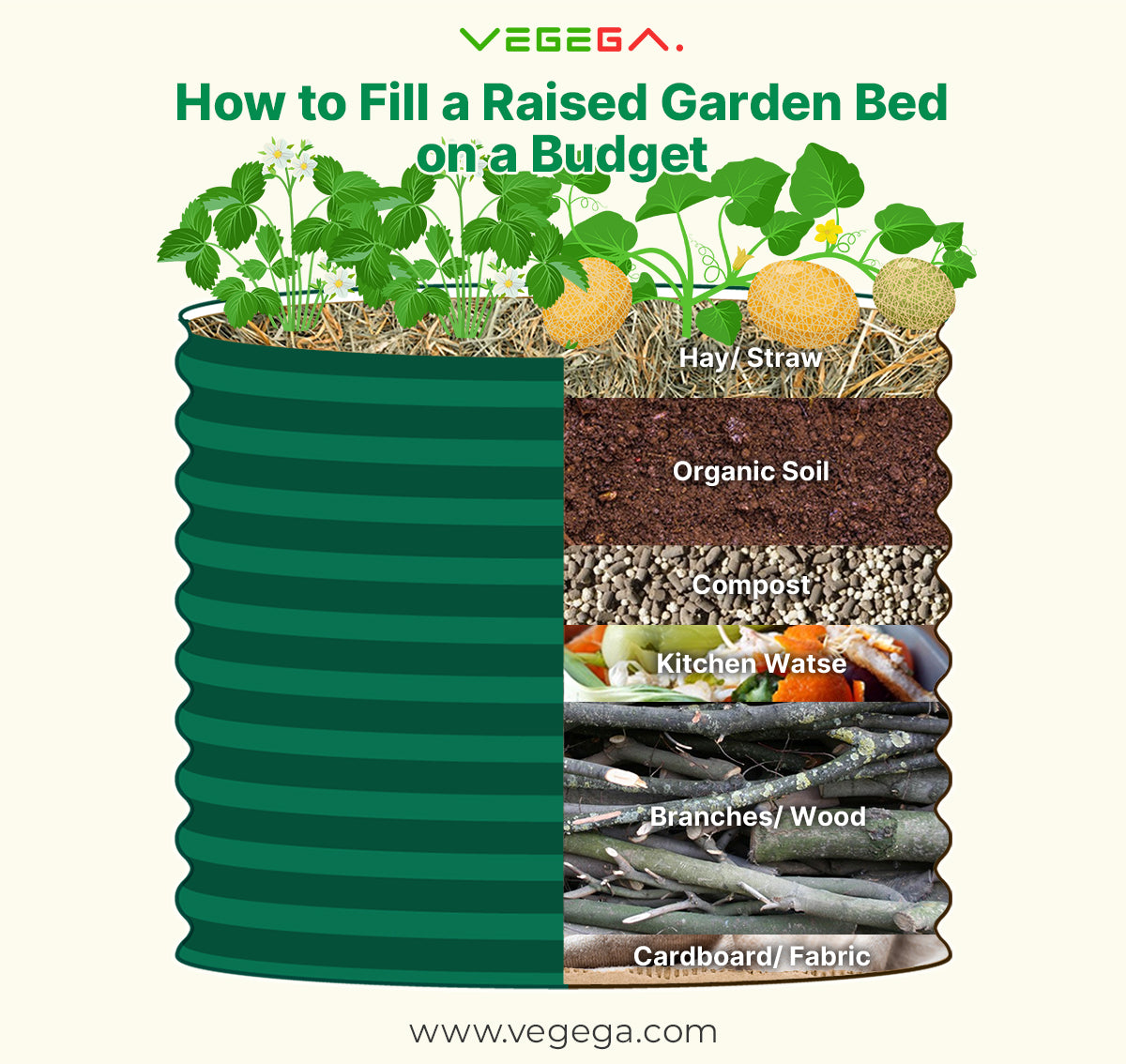
What is the cheapest way to fill raised beds?

The cheapest way to fill raised beds primarily involves using materials that are inexpensive or even free, depending on your local environment, resources, and creativity. Here are some methods and strategies to achieve an economical filling for your raised garden beds.
Using Wood Chips and Mulch
Using wood chips and mulch is a cost-effective way to fill raised beds while improving soil structure over time. These materials can be sourced for free or at a low cost from local tree services, landscaping companies, or municipal waste disposal sites.
- Source locally: Check with local tree services or municipal landscaping programs for free wood chips.
- Layering: Fill the bottom of your raised beds with a thick layer of wood chips, which will decompose slowly over time, adding organic matter to the soil.
- Top off with soil: Once the base is composed of wood chips, add a layer of topsoil or compost to create a planting surface.
Utilizing Leaves and Yard Waste
Another economical method involves using shredded leaves or other yard waste. This option utilizes what you may already have at hand or can collect from your yard.
- Collect leaves: Gather fallen leaves during autumn or throughout the year from your garden and neighbors.
- Shred for efficiency: Shred leaves into smaller pieces to help them decompose faster and prevent them from matting together.
- Mix with soil: Use a mix of shredded leaves and compost or soil to fill the raised beds, improving drainage and fertility.
Incorporating Cardboard and Newspaper
Cardboard and newspaper are also great inexpensive materials for filling raised beds. They can suppress weeds while breaking down over time and enhancing soil health.
- Lay down layers: Flatten cardboard boxes and place them at the bottom of the raised beds.
- Layer with soil: Cover the cardboard with a layer of soil, allowing it to decompose and enrich the bed gradually.
- Use newspaper strategically: Similar to cardboard, layer newspaper on top of existing soil, moistening it slightly to expedite decomposition.
Employing Composted Materials
Using composted materials, whether homemade or purchased, offers a low-cost way to fill raised beds while providing essential nutrients for plants.
- Make your compost: Start a compost pile at home using kitchen scraps and yard waste to create rich compost.
- Fill with compost: Fill your raised beds with a mixture of compost and native soil for an inexpensive nutrient source for plants.
- Supplement as needed: Continue adding compost throughout the growing season to boost soil fertility.
Using Local Soil and Sand Mixes
Using locally available soil or sand mixes can often be the cheapest way to adequately fill raised beds, especially if you have access to affordable materials through local suppliers.
- Find local materials: Research local soil suppliers or cultural community initiatives that might provide soil at a lower cost.
- Mix ratios: Combine different local soils with sand to improve drainage if you are using denser soils.
- Add nutrients: Mix in organic fertilizers or compost to enrich locally sourced soil before planting.
Questions from Our Readers
What is the best soil mix for raised beds?
The best soil mix for raised beds typically consists of a combination of topsoil, compost, and peat moss or coconut coir. This blend ensures proper drainage, retains moisture, and provides essential nutrients for plant health. A common ratio is 1/3 each of these components to create a balanced growing environment.
Can I use garden soil in raised beds?
Using garden soil in raised beds is not recommended as it may contain weeds, pests, or diseases that could harm your plants. Additionally, garden soil may not provide the ideal drainage or nutrient content necessary for a thriving raised bed garden, so it’s better to stick with a cleaner mix of quality materials.
See also:
How deep should the soil be in a raised bed?
A raised bed should ideally have at least 12 inches of soil to promote healthy root development for most plants. However, for deeper rooting crops like carrots or tomatoes, a depth of 18 to 24 inches is beneficial, allowing ample space for root growth and maximizing nutrient uptake.
Is it necessary to add fertilizers to the mix?
While the initial soil mix for raised beds should provide a strong foundation, it is often beneficial to add organic fertilizers or slow-release nutrients to help sustain plant growth throughout the season. Regularly testing the soil can help determine if additional nutrients are needed, ensuring your plants remain healthy and productive.

If you want to read more articles like What is the Best Mix to Fill Raised Beds With? A Comprehensive Guide for Gardeners, we recommend you check out our Planter category.
Leave a Reply
Related Articles