What is the Best Homemade Compost Accelerator? Discover Effective Tips and Ingredients for Quick Composting
Creating your own compost can be a rewarding and sustainable practice, but sometimes, the process can be slow. That's where compost accelerators come into play. These effective additives can significantly speed up the decomposition process, transforming kitchen scraps and yard waste into nutrient-rich soil amendments in no time. In this article, we will explore what constitutes the best homemade compost accelerator, highlighting various effective tips and ingredients that can enhance your composting efforts. Whether you're a seasoned gardener or a beginner, you'll find valuable insights to help you achieve rich, healthy compost faster and more efficiently.
What is the Best Homemade Compost Accelerator?
A homemade compost accelerator is a mixture designed to enhance the decomposition process in your compost pile. The best homemade compost accelerator typically includes a combination of high-nitrogen ingredients, such as grass clippings, food scraps, and coffee grounds, along with moisture-rich sources like water or cardboard. This specific blend encourages the growth of microorganisms that break down organic matter more efficiently. By maintaining the right balance of carbon-rich (brown) and nitrogen-rich (green) materials, your compost will reach optimal microbial activity, resulting in a faster composting process and high-quality compost.
Benefits of Using a Compost Accelerator
Using a compost accelerator can significantly reduce the time it takes for organic matter to decompose. The microorganisms that thrive in a well-accelerated pile break down materials more quickly, resulting in nutrient-rich compost in as little as a few weeks. Additionally, these accelerators can improve the quality of your compost, leading to richer soil that retains moisture better and supports plant growth. They can also help reduce odors associated with composting by promoting faster decomposition.
Common Ingredients for Homemade Compost Accelerators
Some common ingredients used in homemade compost accelerators include green materials like vegetable scraps, fruit peels, and fresh grass clippings, which provide nitrogen. You can also use manure from herbivores, such as cows or chickens, as an effective accelerant due to its high nitrogen content. Combining these with brown materials like dry leaves, shredded cardboard, and newspaper will help balance the overall composition. Additionally, some people choose to add compost tea or worm castings to encourage microbial growth.
How to Create Your Own Compost Accelerator
Creating your own compost accelerator is simple and can be tailored to your available materials. Start by mixing equal parts of green and brown materials to maintain nutritional balance. Add a handful of soil or finished compost to introduce existing microorganisms. For a liquid accelerator, combine water with a cup of molasses or sugar to create a syrupy solution rich in energy for the microbes. Stir this mixture well and apply it to your compost pile to kickstart the decomposition process.
Maintaining Your Compost for Best Results
To maximize the efficiency of your homemade compost accelerator, it's crucial to maintain the right conditions in your compost pile. Ensure that the pile remains moist but not too wet; a damp sponge-like consistency is ideal. Regularly turning or aerating the pile helps provide necessary oxygen to the microorganisms. Monitoring the temperature of the compost is also important; a well-functioning compost pile will typically heat up to 130-160°F (54-71°C) if the microbial activity is peaking. It’s beneficial to keep an eye on the balance between greens and browns to optimize the decomposition rate.
Tips for Troubleshooting Your Compost Pile
If your compost pile isn’t breaking down as expected, use your homemade accelerator to troubleshoot the issues. Check for odor; if it smells rancid, the pile may be too wet or lacking in carbon. Adding more brown materials can help. Conversely, if the pile isn’t heating up, it may need more green materials or moisture. Be sure also to mix the pile regularly to maintain airflow. If the decomposition process seems slow, incorporating a ready-made compost accelerator or diversifying your organic materials can stimulate microbial activity.
| Ingredient | Type | Nutrient Content |
|---|---|---|
| Grass Clippings | Green | High Nitrogen |
| Fruit Scraps | Green | High Nitrogen |
| Dry Leaves | Brown | High Carbon |
| Cardboard | Brown | High Carbon |
| Chicken Manure | Green | Very High Nitrogen |
How can I accelerate my compost naturally?

To accelerate your compost naturally, there are several methods you can incorporate into your composting routine. Here are some effective strategies:
Increase the Surface Area of Materials
By breaking down large pieces of organic matter into smaller fragments, you can significantly increase the surface area available for microbial activity. This makes it easier for the organisms that decompose the material to access it, speeding up the composting process.
- Chop or shred kitchen scraps like fruits and vegetables.
- Use a garden shredder for larger yard waste, such as branches or leaves.
- Mix different sizes of materials to create a balanced structure.
Maintain the Right Carbon to Nitrogen Ratio
The carbon-to-nitrogen (C:N) ratio is crucial for effective composting. A balanced ratio helps microbes thrive and accelerate the decomposition process. Ideally, aim for a ratio of about 30:1 (carbon to nitrogen).
- Add brown materials like dried leaves, straw, and cardboard for carbon.
- Incorporate green materials such as grass clippings, food scraps, and coffee grounds for nitrogen.
- Monitor and adjust the mix as needed to maintain the optimal ratio.
Maintain Moisture Levels
Moisture is essential for microbial activity. If your compost is too dry, decomposition will slow down, while excessive moisture can lead to anaerobic conditions. Aim to keep your compost damp but not soggy.
- Add water if the compost feels dry to the touch but ensure it drains well.
- Turn the pile to help distribute moisture evenly.
- Cover with a tarp during rain to prevent excessive moisture.
Regularly Aerate the Compost
Aeration is key to a healthy compost system, as it allows oxygen to reach the microorganisms that break down organic matter. A well-aerated compost pile will decompose faster.
See also:
- Turn your compost pile regularly, at least every few weeks.
- Use a pitchfork or shovel to mix and oxygenate the materials.
- Consider using a compost aerator tool for deep turning.
Add Compost Activators
Sometimes, simply adding compost activators can boost the decomposition rate. These are materials rich in microorganisms that enhance the composting process.
- Incorporate finished compost or aged manure to introduce beneficial microbes.
- Add biodynamic compost preparations or store-bought compost starters.
- Feed the microorganisms by adding molasses or other sugars to boost their activity.
How to make your own compost accelerator?

To make your own compost accelerator, you'll need to create a mixture that helps speed up the composting process by introducing beneficial microbes, increasing nitrogen content, or utilizing natural ingredients to enhance decomposition. Here’s a simple guide to crafting your own accelerator.
Understanding Compost Accelerators
A compost accelerator is a substance that helps to accelerate the decomposition process in your compost pile or bin. It typically contains microbes, nutrients, or organic materials that encourage the growth of bacteria and fungi, which are essential for breaking down organic waste. By boosting the composting activity, you can produce nutrient-rich compost more quickly.
Ingredients for Homemade Compost Accelerators
To make an effective compost accelerator, you can use a variety of common household materials that are rich in nitrogen, bacteria, and enzymes. Consider the following ingredients:
- Coffee Grounds: High in nitrogen, they help improve microbial activity.
- Grass Clippings: A great source of green material that adds moisture and nitrogen.
- Compost Tea: A nutrient-rich liquid that introduces beneficial microbes.
- Molasses: Provides sugar, which feeds the microbes and encourages rapid breakdown.
- Wood Ash: Adds essential minerals and helps balance the pH of your compost.
How to Prepare the Compost Accelerator
Preparing your compost accelerator is simple and often involves mixing together your chosen ingredients in a manner that promotes fermentation and decomposition. Here’s a basic recipe:
- Gather all the ingredients listed in the previous section.
- Mix equal parts of coffee grounds and grass clippings in a bucket.
- Add a cup of compost tea or a few tablespoons of molasses to the mixture.
- Stir the ingredients thoroughly to combine them well.
- Let the mixture sit for a few days to allow microbial activity to start before adding it to your compost pile.
Application of the Compost Accelerator
Once your compost accelerator is prepared, the next step is to apply it to your compost pile. Here's how you can do it effectively:
- Add the prepared accelerator in layers while you build up your compost pile.
- Distribute it evenly throughout the heap to ensure all materials benefit.
- Mix it into the compost to encourage quick interaction and microbial growth.
- Monitor the pile’s temperature and moisture levels to ensure optimal conditions for decomposition.
Additional Tips for Effective Composting
To maximize the benefits of your homemade compost accelerator and ensure a successful composting process, consider these additional tips:
- Aerate: Regularly turn the compost to introduce oxygen that microbes need to thrive.
- Balance Materials: Use a mix of green (nitrogen-rich) and brown (carbon-rich) materials for best results.
- Moisture Control: Ensure your compost pile has the right moisture level, resembling a damp sponge.
- Patience: While accelerators speed up decomposition, quality compost still takes time to develop.
- Observation: Keep an eye on the compost pile's temperature and smell to adjust conditions as necessary.
What are the best activators for composting?
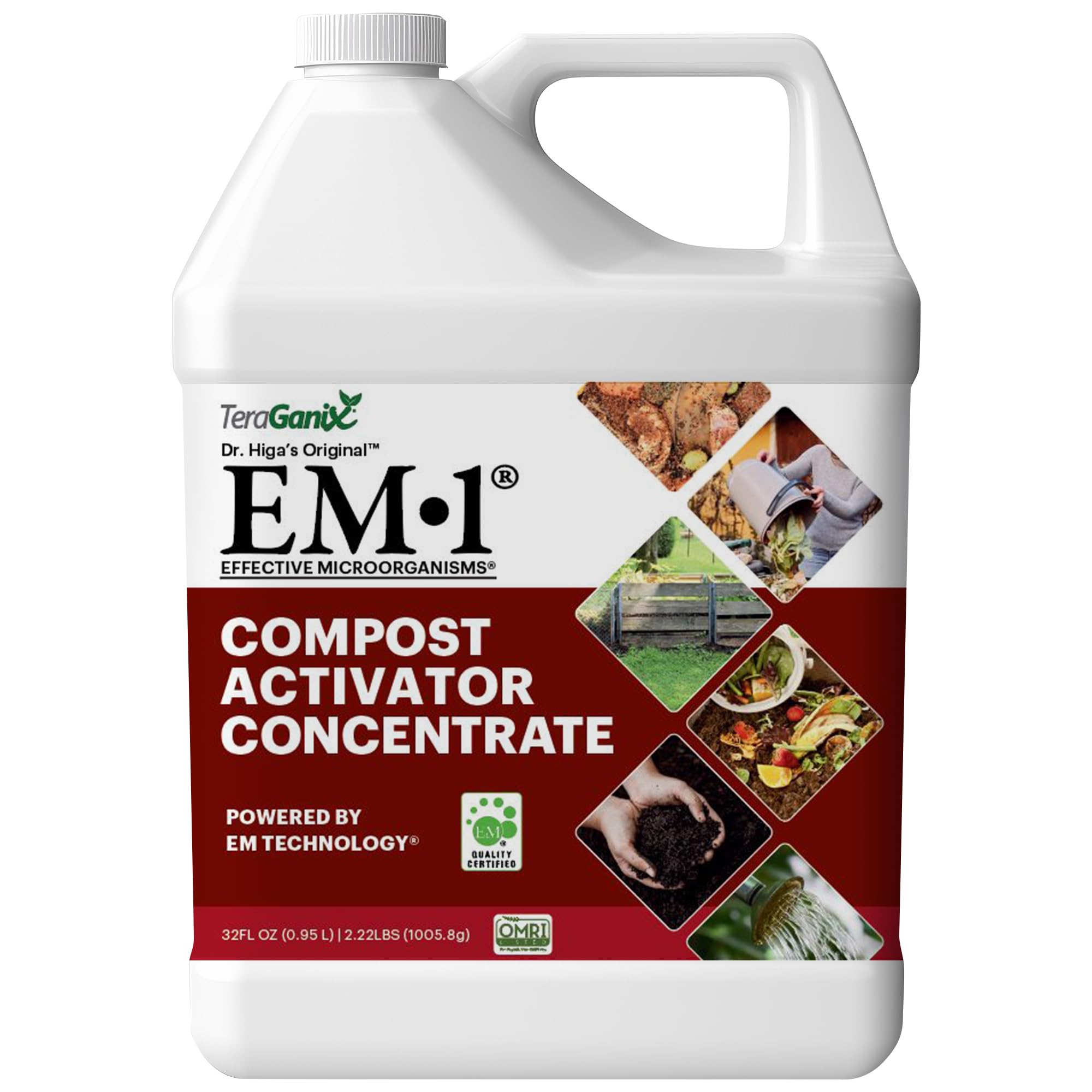
Composting is a natural process that transforms organic waste into nutrient-rich soil, known as compost. To enhance this process, certain activators can significantly speed up decomposition. Activators generally comprise nitrogen-rich materials, and they often help to balance the carbon-to-nitrogen ratio, which is crucial for effective composting.
Organic Nitrogen Sources
Organic nitrogen sources are among the best activators for composting. These materials provide the necessary nitrogen that promotes microbial activity, which is essential for breaking down organic matter.
- Manure: Animal manure, especially from herbivores like cows and horses, is rich in nitrogen and can vastly improve composting efficiency.
- Green leafy scraps: Fresh vegetable scraps, grass clippings, and other green leaves are rich in nitrogen and can help balance carbon sources.
- Bone meal: This organic fertilizer adds nitrogen and phosphorus, promoting microbial growth in the compost pile.
High-Nitrogen Kitchen Waste
Kitchen waste is another excellent source of nitrogen for composting. The decomposition of these materials can significantly accelerate the composting process due to their high moisture content and nutrient value.
- Fruit and vegetable scraps: Peels, cores, and other organic kitchen waste can contribute essential nitrogen and moisture.
- Eggshells: While primarily providing calcium, they also add essential nitrogen when crushed and mixed into the compost.
- Coffee grounds: These waste products contain a good amount of nitrogen and act as a great addition to compost.
Commercial Activators
There are various commercially available compost starters designed to enhance the decomposition process. These products often contain specific microorganisms or enzymes to expedite composting.
See also:
- Compost inoculants: These products contain beneficial microbes that boost microbial activity in your compost.
- Speedy compost additives: Formulated to promote faster breakdown of materials, they can significantly shorten composting time.
- Enzyme-based additives: These can help break down organic materials more efficiently, making them a useful addition.
Natural Activators
Many natural ingredients can serve as effective activators in composting. They provide both nutrients and beneficial microorganisms that speed up the composting process.
- Alfalfa meal: Rich in nitrogen and enzymes, it helps stimulate microbial activity in the compost.
- Worm castings: A natural source of nutrients and beneficial bacteria that can greatly enhance the quality of compost.
- Wood ash: Though it provides mostly potassium, it can help create a nutrient-rich environment in compost.
Moisture Management
While not an activator in the traditional sense, maintaining adequate moisture levels in your compost is crucial for the microbial processes that break down organic matter.
- Watering properly: Ensuring that the compost pile retains moisture without becoming soggy is essential for microbial activity.
- Using wet materials: Adding wet kitchen scraps can help to maintain moisture levels in the compost.
- Covering the pile: Using tarps or lids can help retain moisture and optimize the composting conditions.
What can be used as a compost activator?
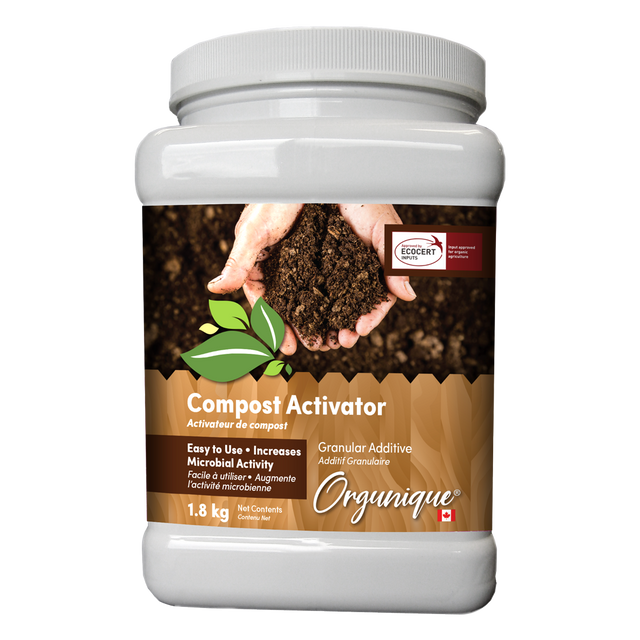
Compost activators are substances that accelerate the decomposition process in compost piles or bins. They help maintain the right conditions for microbial activity, which is essential for breaking down organic matter efficiently. Here are some effective compost activators:
1. Nitrogen-Rich Materials
Nitrogen-rich materials are essential for speeding up the composting process because they provide the necessary nutrients for microorganisms that decompose organic matter. Examples of nitrogen sources include:
- Grass clippings: Freshly cut grass is an excellent source of nitrogen.
- Food scraps: Kitchen waste such as vegetable peels, coffee grounds, and eggshells also contribute nitrogen.
- Leguminous plants: Plants like clover and peas can fix atmospheric nitrogen, making them valuable compost contributors.
2. Commercial Compost Activators
There are numerous commercial compost activators available that contain a blend of microorganisms, enzymes, and nutrients designed to speed up the decomposition process. These products can be very effective when added to compost piles. Common types include:
- Microbial inoculants: These contain beneficial bacteria and fungi.
- Enzyme additives: These enhance the breakdown of complex organic materials.
- Worm castings: Rich in microbial life, they can boost the composting process.
3. High Carbon Materials
While nitrogen is crucial, carbon-rich materials are equally important for creating a balanced compost mix. They provide the necessary structure and aeration for compost piles. Examples of carbon-rich materials include:
- Dry leaves: A staple for composting that adds bulk and carbon.
- Straw or hay: These materials create good air pockets in the compost.
- Wood chips: They can help provide adequate structure and filtration.
4. Water and Moisture Management
Moisture is a critical factor in the composting process, as it influences microbial activity. Adequate water management can act as an activator by creating an ideal environment for microorganisms. Important considerations include:
- Maintaining moisture levels: The compost should be moist but not soggy.
- Incorporating liquid activators: Adding small amounts of water, or even liquid fertilizers can help.
- Aerating the compost: Turning the pile can improve airflow, which aids moisture retention.
5. Natural Fertilizers
Incorporating natural fertilizers such as manure can significantly boost the nitrogen levels in compost, thus acting as an activator. They enhance microbial growth and improve nutrient density in the compost. Key points include:
- Cow manure: High in nitrogen and a common compost activator.
- Horse manure: Great for adding both nitrogen and bulk.
- Chicken manure: Extremely high in nitrogen, should be used sparingly.
Questions from Our Readers
What are the most common ingredients used in homemade compost accelerators?
Homemade compost accelerators typically utilize ingredients like coffee grounds, banana peels, and garden waste. These materials are rich in nitrogen and can help speed up the composting process when combined appropriately. Additionally, microbial additives can be included to boost the decomposition rates.
How can I speed up the composting process without buying commercial products?
You can enhance the composting process by ensuring a good balance of green (nitrogen-rich) and brown (carbon-rich) materials. Shredding larger items, maintaining proper moisture levels, and regularly turning the compost pile will also significantly contribute to accelerated decomposition.
Is it necessary to add accelerators to homemade compost?
While it is not strictly necessary to add compost accelerators, they can be very beneficial, especially if your compost is slow to break down. Incorporating these accelerators can bring in microbial life that helps to ferment the materials and speeds up the entire composting process.
Can I use kitchen scraps as a compost accelerator?
Absolutely! Many kitchen scraps, such as fruit and vegetable peels, can serve as excellent compost accelerators. They provide essential nutrients and moisture that promote microbial activity, leading to faster compost decomposition when mixed with other materials.
See also:

If you want to read more articles like What is the Best Homemade Compost Accelerator? Discover Effective Tips and Ingredients for Quick Composting, we recommend you check out our Compost category.
Leave a Reply
Related Articles