When is the Best Time to Trim Blueberry Bushes for Optimal Growth?
Blueberries are a delightful addition to any garden, offering both beauty and delicious fruit. To ensure optimal growth and yield, proper pruning is essential. Timing plays a crucial role in this process, as trimming blueberry bushes at the right moment can enhance their productivity and health. This article delves into the best practices for pruning blueberry bushes, focusing on the timing that will support vigorous growth and abundant fruiting. By understanding the seasonal needs of these plants, gardeners can maximize their blueberry harvest and enjoy a thriving crop year after year.
When is the Best Time to Trim Blueberry Bushes?
Trimming blueberry bushes is best done during the late winter or early spring, before the buds begin to open. This period allows for optimal growth as the plants are still dormant, minimizing stress and providing a clear view of the plant’s structure. During this time, you can safely remove any dead or damaged branches and shape the bushes to enhance air circulation and sunlight penetration, which is essential for healthy fruit production. Proper timing ensures that the bushes can swiftly recover and promote new growth as the growing season begins.
Importance of Pruning Blueberry Bushes
Pruning blueberry bushes is essential for maintaining plant health and maximizing fruit yield. By selectively removing old or weak branches, you encourage new growth that produces more vigorous and fruitful canes. This process helps prevent overcrowding, which can lead to disease and reduce the overall quality of the fruit. Proper pruning also allows for better light penetration and air circulation, creating an ideal environment for the bushes to thrive.
Signs That Your Blueberry Bushes Need Trimming
Certain signs indicate when blueberry bushes need trimming. Look for dead or damaged branches, as well as those that appear overgrown or crossing each other. If the bush is producing smaller or fewer berries than in previous years, it may also be time for pruning. Keeping an eye on the overall shape and health of the plant will guide you in determining when it is necessary to trim back the bushes.
Tools Needed for Pruning Blueberry Bushes
Having the right tools is crucial for effectively pruning blueberry bushes. A pair of quality pruning shears is essential for making clean cuts on smaller branches. For larger branches, consider using loppers or a pruning saw to ensure a precise cut without damaging the plant. Additionally, wearing gardening gloves will protect your hands from thorny areas. Keeping tools clean and sharp will promote better healing for the plants and help prevent the spread of diseases.
How to Properly Prune Blueberry Bushes
To properly prune blueberry bushes, start by removing any dead or diseased branches first. Cut these branches at the point where they join a healthy branch or at ground level for older canes. Focus on maintaining an open center to allow for better air circulation and sunlight exposure. Aim to shape the bush by cutting back about one-third of the previous year’s growth, prioritizing the removal of older, less productive wood to promote new berry-producing canes.
Regional Differences in Timing for Pruning
The timing for pruning blueberry bushes can vary depending on the region and climate. In colder regions, late winter is ideal, while warmer climates may benefit from early spring pruning when the risk of frost has decreased. It's important to consider local weather patterns, as pruning too early can expose new growth to frost damage. Observing the specific conditions of your area will help you determine the best window for pruning.
| Region | Best Time to Prune |
|---|---|
| Cold Climates | Late Winter |
| Moderate Climates | Early Spring |
| Warm Climates | After Frost Risk |
Will blueberries grow back if you cut them down?
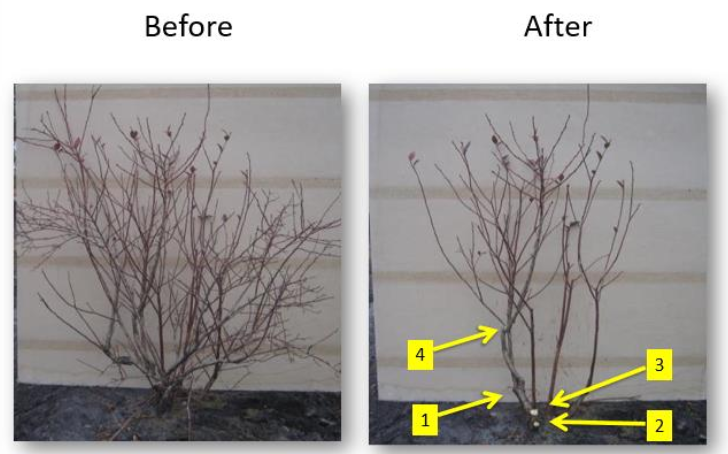

Yes, blueberries can grow back if you cut them down, but there are specific considerations to keep in mind for successful regrowth. Blueberries are resilient plants and can handle significant pruning, particularly when done correctly during their dormancy period. However, the way you cut them and the type of pruning affect how well they will regrow.
Understanding Pruning in Blueberries
Pruning is a crucial aspect of blueberry cultivation. It helps maintain plant health and encourages fruit production. Here are some key points about pruning blueberries:
- Pest and Disease Control: Proper pruning can help remove dead or diseased branches, preventing the spread of issues within the plant.
- Air Circulation: Thinning out overcrowded branches improves air circulation, reducing the risk of fungal diseases.
- Fruit Quality: By pruning, you can improve light penetration, which enhances berry development and sweetness.
Timing for Cutting Blueberry Plants
The timing of when to cut back blueberry plants is essential for optimal recovery. The best time to prune is during dormancy, typically late winter or early spring before new growth begins. Consider these timing factors:
- Seasonal Growth Cycle: Cutting during dormancy minimizes stress on the plant and allows for vigorous growth in the spring.
- Weather Considerations: Ensure that there are no frost threats post-pruning, as this can damage new buds.
- Age of the Plant: Younger plants benefit from light pruning, while older plants may require more significant cuts for rejuvenation.
Impact of Cutting Intensity
The extent to which you cut back blueberry plants influences their ability to regrow. Here’s what to consider about cutting intensity:
- Severe Cutting: If you cut blueberries down to the ground, they can still recover, but it may take longer for them to produce fruit.
- Moderate Pruning: Removing about one-third of the plant each year encourages growth while maintaining healthy fruit production.
- Targeted Cuts: Focus on cutting back older wood and any weak or damaged growth to promote new shoots.
Factors Affecting Regrowth
Nature plays a role in how well blueberries recover after being cut. Here are some factors that affect regrowth:
- Soil Health: Healthy, nutrient-rich soil supports faster recovery and better overall growth.
- Watering Practices: Adequate watering is crucial, especially during dry spells, to ensure the plant has the moisture needed for regrowth.
- Sunlight Exposure: Blueberries require full sun to thrive, so ensure they are planted in a location with plenty of sunlight for optimal recovery.
Long-term Care After Cutting
Once you’ve cut back your blueberry plants, long-term care is essential for successful regrowth. Here are some care tips:
- Fertilization: Use a balanced fertilizer or amendment in early spring to provide nutrients that support growth after pruning.
- Mulching: Apply mulch around the plant base to retain moisture and suppress weeds, which can compete for nutrients.
- Regular Observation: Monitor the plants for pests and diseases, and take action swiftly to prevent any setbacks in growth.
What does Epsom salt do for blueberries?
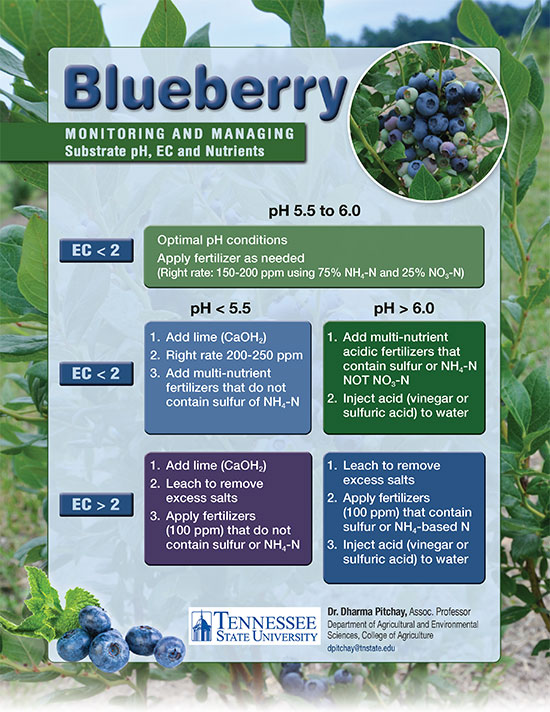
Epsom salt, chemically known as magnesium sulfate, provides several benefits for blueberry plants, which can enhance their overall health and fruit production. Blueberries have specific nutritional needs and thrive in acidic soils. Epsom salt is often used to address nutrient deficiencies and improve soil conditions.
See also:
Benefits of Epsom Salt for Blueberries
1. Magnesium Supply
Epsom salt is an excellent source of magnesium, an essential nutrient for plants that helps in the production of chlorophyll. Chlorophyll is vital for photosynthesis, the process through which plants convert light energy into chemical energy. The benefits of magnesium for blueberries include:
- Enhances chlorophyll production.
- Improves overall plant health and vigor.
- Promotes better nutrient absorption from the soil.
2. Sulfate Source
The sulfate component of Epsom salt contributes to the overall sulfur levels in the soil, an important element for plant development. Sulfur aids in the formation of amino acids and proteins, essential for the growth of blueberry plants. The advantages of sulfate include:
- Helps in synthesizing plant proteins.
- Improves fruit quality and flavor.
- Helps in the overall metabolic processes of the plant.
3. Soil pH Adjustment
While Epsom salt does not directly alter soil pH, it supports plants thriving in acidic environments, similar to blueberries’ preferred soil conditions. Maintaining proper soil pH aids in nutrient uptake. The implications for soil pH include:
- Enhances nutrient availability in acidic soils.
- Supports healthier root systems by preventing nutrient lockout.
- Facilitates better growth conditions for blueberries.
4. Stress Resistance
The application of Epsom salt can increase a blueberry plant's resistance to environmental stresses, such as drought or nutrient deficiency. This is partly due to its role in promoting root health and overall plant resilience. The key outcomes include:
- Enhanced ability to tolerate drought conditions.
- Increased resilience against disease and pests.
- Improvement in overall plant stamina throughout the growing season.
5. Fruit Quality Enhancement
Regular use of Epsom salt can lead to improvements in the flavor, size, and yield of blueberries. This is due to better nutrient uptake facilitated by the magnesium and sulfate in Epsom salt. The effects on fruit quality include:
- Increases in fruit size and weight.
- Improves sweetness and flavor profile of the berries.
- Contributes to a higher overall yield in berry production.
Questions from Our Readers
When is the best time to trim blueberry bushes?
Trimming blueberry bushes is best done during the late winter or early spring before new growth begins. This timing allows you to effectively remove any dead or damaged wood while the plants are still dormant, promoting a healthier and more productive growth cycle.
How often should I trim my blueberry bushes?
You should aim to trim your blueberry bushes annually. Regular trimming helps maintain the plant's shape, encourages new growth, and improves air circulation within the bush, which is vital for the overall health of the blueberries.
See also:
What tools are necessary for trimming blueberry bushes?
To trim blueberry bushes effectively, you will need sharp pruning shears for small branches and loppers for thicker stems. It's also important to have gloves to protect your hands and a bucket for collecting the trimming debris.
Should I remove old wood when trimming blueberry bushes?
Yes, it is advisable to remove old wood when trimming blueberry bushes, as this will stimulate new growth and improve fruit production. Focus on cutting out any branches that are more than three years old to promote better yields in future seasons.

If you want to read more articles like When is the Best Time to Trim Blueberry Bushes for Optimal Growth?, we recommend you check out our Pruning category.
Leave a Reply
Related Articles