Comprehensive Guide to Lemon Scented Tea Tree Leptospermum Petersonii: Benefits, Uses, and Care Tips

Lemon Scented Tea Tree, scientifically known as Leptospermum petersonii, is a remarkable plant celebrated for its refreshing citrus fragrance and numerous therapeutic benefits. Native to Australia, this versatile species is not only prized for its aromatic leaves but also for its essential oils, which offer a range of health and wellness applications. In this comprehensive guide, we will explore the many advantages of Lemon Scented Tea Tree, including its uses in aromatherapy and natural remedies. Additionally, we will provide essential care tips to help you cultivate and maintain this delightful plant in your garden or home, ensuring its growth and vibrant aroma.
Exploring the Benefits of Lemon Scented Tea Tree (Leptospermum petersonii)
Lemon scented tea tree, scientifically known as Leptospermum petersonii, is a unique plant native to Australia, celebrated for its delightful citrus aroma and numerous therapeutic benefits. This remarkable species is part of the Myrtaceae family and is widely recognized for its essential oil, which is extracted from its leaves and is prized for both its antimicrobial and anti-inflammatory properties. The oil is commonly used in aromatherapy and cosmetics, and its uplifting scent can enhance mood while promoting relaxation. Furthermore, the plant itself can thrive in various environments, making it an excellent choice for garden enthusiasts seeking to cultivate aromatic and medicinal plants.
Botanical Characteristics
The botanical features of Leptospermum petersonii include its attractive evergreen foliage and beautiful white flowers that bloom in summer. With a typical height ranging from 2 to 5 meters, this shrub or small tree exhibits a bushy growth habit, making it a visually appealing addition to any landscape. The leaves are narrow and lanceolate, presenting a distinctive lemon scent when crushed, which contributes to its name. The plant's ecological adaptability enables it to flourish in various soil conditions, provided that it receives adequate sunlight and drainage.
Essential Oil Properties
The essential oil derived from Leptospermum petersonii possesses a myriad of beneficial properties, primarily attributed to its high content of citral, a compound known for its potent antimicrobial effects. This oil not only acts as a natural disinfectant but also showcases strong antifungal and antibacterial properties, making it a popular ingredient in personal care products. When diluted and used in topical applications, it can help reduce skin irritations and promote healing due to its anti-inflammatory characteristics.
Uses in Aromatherapy
In aromatherapy, lemon scented tea tree oil is prized for its invigorating and uplifting aroma, which can provide emotional clarity and reduce feelings of stress or anxiety. When diffused in a space, it can enhance concentration and improve mental clarity, creating an energizing environment. Its refreshing scent is often combined with other essential oils to create unique blends aimed at promoting relaxation and enhancing overall well-being during meditation or yoga practices.
Culinary Applications
While primarily known for its aromatic and medicinal properties, Leptospermum petersonii is also explored for culinary purposes, particularly in the creation of herbal teas and infusions. The leaves can be steeped to impart a subtle lemon flavor, providing a refreshing beverage that may have additional health benefits. This plant not only adds a unique taste but also contributes its potential antioxidant properties, making it a delightful choice for health-conscious consumers seeking flavorful alternatives to traditional teas.
Cultivation and Care
Cultivating Leptospermum petersonii requires a few essential care practices to ensure healthy growth. The plant prefers well-drained soil and is somewhat drought-tolerant once established, making it suitable for various garden settings. Regular pruning helps maintain its shape and encourages bushier growth. Additionally, this species thrives in full sun, which enhances both its foliage and flowering potential. Gardeners should be aware of the plant's cold tolerance, as it typically prefers mild climates and may require protection in harsher winters.
| Characteristic | Description |
|---|---|
| Common Name | Lemon Scented Tea Tree |
| Scientific Name | Leptospermum petersonii |
| Height | 2 to 5 meters |
| Essential Oil | Rich in citral, antimicrobial properties |
| Culinary Use | Leaves can be used for herbal teas |
Does lemon scented tea tree repel mosquitoes?

Lemon-scented tea tree, scientifically known as Leptospermum petersonii, is often explored for its potential to repel mosquitoes. The essential oils derived from this plant contain compounds that are known to be effective insect repellents, notably citral, which is responsible for its strong lemon scent. Research has shown that certain essential oils can deter mosquito activity, and lemon-scented tea tree is believed to have this capability as well.
The Science Behind Mosquito Repellents
To understand how lemon-scented tea tree might repel mosquitoes, it’s essential to explore the science behind natural insect repellents.
- Active Compounds: Lemon-scented tea tree contains compounds such as citral and geraniol, which are known to disrupt the sensory receptors in mosquitoes, making it difficult for them to locate hosts.
- Effectiveness of Essential Oils: Studies indicate that essential oils can provide varying degrees of repellent activity, often dependent on the concentration and type of oil used.
- Comparative Studies: In tests comparing various essential oils, lemon-scented tea tree often ranks favorably against other natural repellents, showcasing significant efficacy in deterring mosquitoes.
Method of Application
Applying lemon-scented tea tree oil effectively is crucial for maximizing its repellent properties.
- Dilution: It is essential to dilute the oil with a carrier oil (such as coconut or jojoba oil) to prevent skin irritation while enhancing its application.
- Topical Use: Apply the diluted solution on exposed skin. This method places the repellent directly in the mosquito's pathway.
- Aromatic Diffusion: Using a diffuser can help spread the scent in an area, creating a mosquito-repelling aura.
Duration of Effectiveness
The effectiveness of lemon-scented tea tree as a mosquito repellent can vary over time.
- Short-Term Protection: Lemon-scented tea tree may provide immediate protection, but applications may need to be reapplied every hour or so for continued effectiveness.
- Environmental Factors: Factors such as humidity, wind, and temperature can influence how long the repellent lasts.
- Storage and Shelf Life: Proper storage can help maintain the potency of lemon-scented tea tree oil, ensuring its effectiveness over time.
Safety Considerations
While lemon-scented tea tree is generally considered safe, there are important safety considerations to bear in mind.
See also:
- Skin Sensitivity: Some individuals may experience skin irritation or allergic reactions; thus, it's advisable to perform a patch test before full application.
- Pregnancy and Health Conditions: Pregnant women and individuals with specific health conditions should consult a healthcare provider before use.
- Animal Safety: Ensure products with lemon-scented tea tree are safe for pets, as some essential oils can be harmful to animals.
Comparing Lemon-Scented Tea Tree to Other Natural Repellents
Lemon-scented tea tree is often compared to other natural repellents to evaluate its effectiveness.
- Citronella Oil: Often touted as a well-known mosquito repellent, citronella oil and lemon-scented tea tree may have similar effectiveness but differ in scent and skin compatibility.
- Eucalyptus Oil: Lemon-scented tea tree can be compared to eucalyptus oil, which is also recognized for its mosquito-repelling properties, yet each has unique aromatic qualities.
- Lavender Oil: While lavender oil is considered pleasant, its effectiveness can vary against different mosquito species compared to lemon-scented tea tree.
What is Leptospermum petersonii used for?
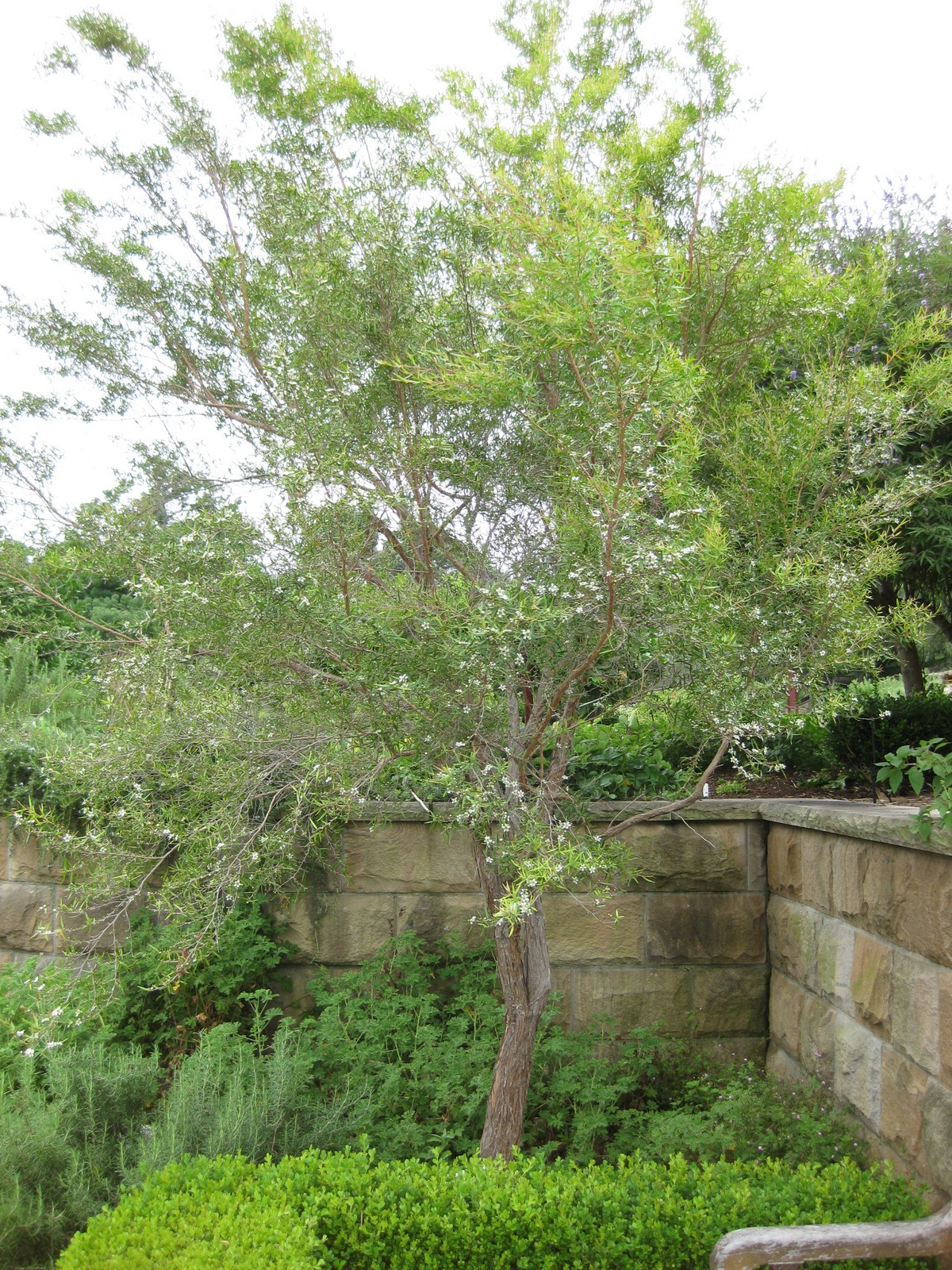
Leptospermum petersonii, commonly known as the Lemon Tea Tree, is primarily used for its essential oil, which is derived from its leaves. This plant is native to Australia and is valued for its various applications in aromatherapy, personal care products, and natural medicine. The essential oil extracted from Leptospermum petersonii has a fresh, lemon-like scent and possesses numerous beneficial properties.
Therapeutic Uses
The essential oil of Leptospermum petersonii is widely recognized for its therapeutic properties. It is often used in the treatment of various ailments due to its antimicrobial, antifungal, and anti-inflammatory effects. Some therapeutic applications include:
- Skin Care: It helps in treating acne and other skin conditions due to its antiseptic properties.
- Respiratory Health: Inhalation of the oil may assist in relieving symptoms of colds and respiratory infections.
- Stress Relief: The soothing aroma of the oil can reduce anxiety and promote relaxation.
Aromatherapy
In the realm of aromatherapy, Leptospermum petersonii is highly prized. The uplifting and refreshing scent of the essential oil is commonly used in diffusers and candles. Its role in aromatherapy includes:
- Enhancing Mood: The citrusy aroma elevates the spirit and fosters a sense of well-being.
- Improving Focus: It is believed to sharpen concentration and enhance mental clarity.
- Creating a Calming Environment: Ideal for meditation spaces, it helps create a peaceful atmosphere.
Cosmetic Applications
Leptospermum petersonii essential oil is frequently incorporated into cosmetic formulations. It adds value to products through its natural fragrance and skin benefits. The cosmetic applications are:
- Facial Serums: Its antimicrobial properties make it a beneficial ingredient for acne-prone skin.
- Body Creams: Provides a refreshing scent while moisturizing the skin.
- Hair Care Products: Used to promote healthy scalp conditions and add shine to hair.
Household Uses
Beyond personal care, Leptospermum petersonii is also beneficial for household applications. The essential oil can be used in:
- Natural Cleaning Products: Its antibacterial properties make it effective for disinfecting surfaces.
- Insect Repellent: The oil may help repel common household insects.
- Aromatizing Spaces: Used in air fresheners to neutralize odors and create a pleasant environment.
Traditional Medicine
In traditional medicine practices, Leptospermum petersonii has been utilized by indigenous Australians for centuries. Uses include:
- Wound Healing: The leaves were traditionally brewed as a tea to assist in the healing of wounds.
- Digestive Aid: Infusions made from the leaves are consumed to relieve digestive issues.
- General Health Tonic: The plant is considered to promote overall wellness and vitality.
How tall do lemon scented tea trees grow?
Lemon scented tea trees, scientifically known as Leptospermum petersonii, typically grow to heights ranging from 2 to 5 meters (about 6.5 to 16.4 feet). These evergreen shrubs or small trees are native to Australia and are renowned for their aromatic foliage and essential oils. Their growth can be influenced by various environmental factors, including soil quality, climate, and care practices.
Growth Conditions for Lemon Scented Tea Trees
The growth of lemon scented tea trees is highly dependent on specific environmental conditions. They thrive in areas that replicate their natural habitat.
- Soil: Well-drained, sandy loam soil with a slight acidity is preferred.
- Sunlight: Full sun exposure encourages optimal growth and stronger aromatic properties.
- Watering: Regular watering is crucial, especially during dry spells, without waterlogging the roots.
Pruning and Maintenance
Regular pruning and maintenance can significantly influence the height and health of lemon scented tea trees. Proper care ensures that the tree grows in a manageable way and enhances its aromatic qualities.
- Timing: Prune during the early spring to encourage new growth.
- Technique: Use sharp and clean tools to make clean cuts, promoting faster healing.
- Frequency: Annual pruning is often sufficient to maintain desired height and shape.
Common Uses of Lemon Scented Tea Trees
Lemon scented tea trees are valued for their multiple uses, particularly their essential oils. These oils have various applications in both culinary and aromatic fields.
See also:
- Medicinal: Essential oils are used in aromatherapy and home remedies.
- Culinary: The leaves can be used to infuse flavors in beverages and dishes.
- Ornamental: Their pleasant fragrance and aesthetic appeal make them popular in gardens.
Propagation Techniques
Propagation is an essential process for those looking to grow lemon scented tea trees. Several techniques can be employed to successfully cultivate these plants.
- Seed propagation: Seeds should be sown in a well-draining medium and kept moist until germination.
- Cutting propagation: Semi-hardwood cuttings taken during the growing season can root effectively.
- Layering: Bending a branch to the ground and covering it with soil can lead to new roots forming.
Environmental Impact on Growth
The environment plays a pivotal role in the growth patterns of lemon scented tea trees. Factors such as climate change and urban development can affect their growth potential.
- Climate: These trees prefer warm climates; extreme cold can stunt growth.
- Pests and diseases: Regular monitoring is essential to prevent infestations/pestilence that may hinder growth.
- Habitat destruction: Urbanization can lead to loss of natural growth locations, impacting their population.
How do you care for Leptospermum petersonii?
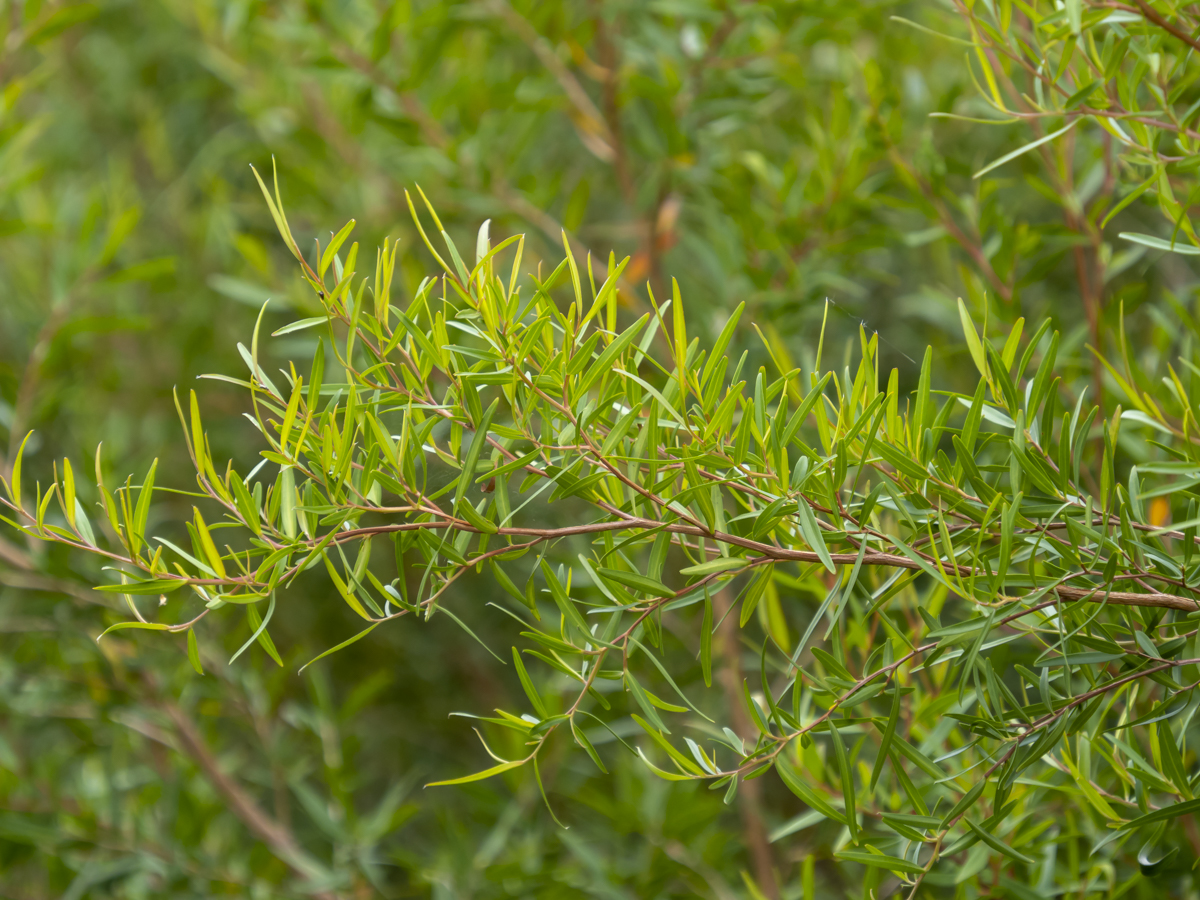
To care for Leptospermum petersonii, commonly known as the lemon-scented tea tree, it’s important to understand its specific needs regarding light, soil, watering, pruning, and pest management. This plant thrives best in well-drained conditions and requires a specific care regimen to flourish.
Light Requirements
Leptospermum petersonii prefers full sun to partial shade. It is crucial to provide at least 6 hours of sunlight each day to encourage healthy growth and flowering. Insufficient light can lead to weak and leggy growth.
- Position in an area where it receives plenty of sunlight.
- If grown indoors, place it by a south-facing window.
- Avoid locations with heavy shade or prolonged exposure to harsh afternoon sun, which can scorch the leaves.
Soil Conditions
The plant thrives in well-draining soil that is slightly acidic to neutral. Poorly drained soils can lead to root rot and other fungal problems.
- Use a mixture of sandy soil and peat to enhance drainage.
- Add perlite or vermiculite to improve aeration in heavy soils.
- Consider using a potting mix designed for native Australian plants.
Watering Practices
Leptospermum petersonii is drought-tolerant once established but benefits from regular watering during its growing season. Overwatering can cause serious damage, so careful monitoring is essential.
- Water regularly during dry spells, allowing the top inch of soil to dry out between sessions.
- Reduce watering frequency during the winter months when the plant is dormant.
- Use well-draining pots if planting in containers to prevent water retention.
Pruning Techniques
Pruning is vital to maintain the shape and promote a fuller growth habit. It is best done in the late spring or early summer after flowering.
- Remove dead or damaged branches to encourage healthy new growth.
- Thin out overcrowded areas within the plant to improve air circulation.
- For aesthetic shaping, trim the tips of branches to promote lateral growth.
Pest and Disease Management
While generally resilient, Leptospermum petersonii can be susceptible to certain pests and diseases. Regular monitoring helps to catch issues early.
- Look out for aphids, scale insects, and spider mites; treat infestations promptly with insecticidal soap.
- Ensure good air circulation around the plant to prevent fungal diseases.
- Inspect the leaves regularly for signs of yellowing or wilting that may indicate a problem.
Questions from Our Readers
What is lemon scented tea tree (Leptospermum petersonii)?
Lemon scented tea tree, or Leptospermum petersonii, is a native Australian plant known for its aromatic leaves that emit a strong lemon scent. This shrub is often used for its essential oils, which have various applications in aromatherapy and cosmetics.
What are the benefits of using lemon scented tea tree oil?
The essential oil derived from Leptospermum petersonii is praised for its antimicrobial and anti-inflammatory properties, making it beneficial for skincare. It is commonly used to alleviate symptoms related to acne, fungal infections, and minor skin irritations.
How can lemon scented tea tree be used in home remedies?
Lemon scented tea tree can be incorporated into various home remedies by adding a few drops of its essential oil into carriers such as coconut oil or lotions. This mixture can be applied topically to help treat skin issues or as a natural air freshener due to its pleasant scent.
Is lemon scented tea tree safe for everyone?
While lemon scented tea tree oil is generally considered safe, individuals with sensitive skin or allergies should perform a patch test before using it topically. Additionally, it is advisable for pregnant or nursing women to consult with a healthcare professional before using any essential oils.
See also:

If you want to read more articles like Comprehensive Guide to Lemon Scented Tea Tree Leptospermum Petersonii: Benefits, Uses, and Care Tips, we recommend you check out our Shrubs category.
Leave a Reply
Related Articles