Ultimate Guide: How to Care for Cymbidium Orchids in Australia for Thriving Blooms

Cymbidium orchids are renowned for their stunning blooms and resilience, making them a favorite among Australian gardeners. However, caring for these exquisite plants requires specific knowledge and techniques to ensure they thrive. In this ultimate guide, we will explore essential tips and best practices tailored to Australia’s unique climate and conditions. From selecting the right potting mix to understanding watering schedules and light requirements, our comprehensive approach will help you cultivate healthy Cymbidium orchids that produce vibrant flowers. Whether you're a seasoned orchid enthusiast or a novice, this guide will equip you with the tools needed for successful orchid care.
How to Care for Cymbidium Orchids in Australia
Cymbidium orchids are renowned for their stunning blooms and resilience, making them a popular choice for enthusiasts in Australia. To ensure healthy growth and vibrant flowers, it’s essential to provide the right conditions, which include moderate temperatures, bright but indirect light, and well-draining potting mix. These orchids thrive outdoors in mild climates but can also be grown indoors if sufficient light and ventilation are available. Regular watering is crucial, especially during the growing season, while fertilizing with a balanced orchid food every few weeks promotes robust growth. Additionally, keeping an eye out for pests and diseases will help maintain plant health and ensure that your cymbidiums flourish.
Choosing the Right Location
Selecting the right location for your Cymbidium orchids is vital to their success. These plants prefer bright, indirect sunlight, making a spot near a window with filtered light ideal. Ideally, a temperature range of 18-25°C is optimal, and outdoor placement should be considered during the warmer months, as long as they are shielded from direct afternoon sunlight. Be cautious of drastic changes in temperature, as symbids can be sensitive to extreme conditions.
Watering Techniques
Proper watering techniques are essential to the longevity of Cymbidium orchids. During the growing season, which is typically spring and summer, these plants require more frequent watering, approximately once a week. However, it is crucial to allow the potting mix to dry out slightly between waterings to prevent root rot. During the dormant period in winter, reduce watering to every two to three weeks, as excessive moisture can harm the plant.
Fertilizing for Growth
Fertilizing Cymbidium orchids is necessary to encourage growth and blooming. Use a balanced, water-soluble orchid fertilizer diluted to half strength every two to four weeks during the growing season. It's important to avoid fertilizing during the dormant winter months. Look for formulations that are high in potassium to support flower development, while also ensuring an adequate supply of nitrogen and phosphorus for healthy growth.
Pest and Disease Management
Maintaining the health of your Cymbidium orchids includes being vigilant about pests and diseases. Common pests that affect these orchids include aphids, mealybugs, and spider mites. Regularly inspect your plants and treat infestations promptly with insecticidal soap or neem oil. Additionally, ensuring good air circulation around the plants can help prevent fungal diseases. Prompt removal of dead or damaged leaves can also reduce the risk of disease spreading.
Repotting Your Cymbidium Orchids
Repotting Cymbidium orchids is a fundamental part of their care routine. Generally, these orchids should be repotted every two to three years or when they outgrow their pot. Use a specialized orchid potting mix that allows for good drainage, typically consisting of bark, perlite, and charcoal. Carefully remove the orchid from its old pot, gently untangle the roots if they are pot-bound, and place it in the new pot at the same depth it was previously growing. After repotting, refrain from watering for a week to allow roots to acclimate.
| Care Aspect | Recommended Action |
|---|---|
| Light | Bright, indirect sunlight |
| Watering | Weekly in growing season; bi-weekly in winter |
| Fertilizing | Every 2-4 weeks during growing season |
| Pest Management | Regular inspections and treatments as necessary |
| Repotting | Every 2-3 years or when pot-bound |
How do you care for a potted Cymbidium orchid?
:max_bytes(150000):strip_icc()/grow-cymbidium-orchids-1902836-01-23634b2bd2d342a2a7f484bf96dac005.jpg)
To care for a potted Cymbidium orchid, you need to focus on several key aspects, including watering, lighting, temperature, feeding, and repotting. These elements play a significant role in ensuring the healthy growth and blooming of your orchid.
Watering Your Cymbidium Orchid
Proper watering is crucial for the health of your Cymbidium orchid. This plant prefers to stay slightly moist but not soggy, as excessive moisture can lead to root rot.
- Check the top inch of the potting mix; if it's dry, it’s time to water.
- Use room temperature water to gently soak the potting mix until water drains out of the bottom.
- Avoid letting the plant sit in water, and ensure proper drainage in the pot.
Lighting Requirements
Cymbidium orchids thrive in bright, indirect light. Insufficient light can hamper blooming, while excessive direct sunlight can scorch the leaves.
- Place the orchid near an east-facing window for optimal light exposure.
- If using artificial light, provide 12-14 hours of bright light each day.
- Monitor the leaves; they should be a healthy green, not yellow or bleached.
Temperature and Humidity
Temperature is a vital element to keep in mind when caring for Cymbidium orchids. They prefer cooler temperatures, which can influence blooming.
- Maintain the daytime temperature between 65°F and 75°F (18°C - 24°C).
- Nighttime temperatures can drop to around 50°F to 60°F (10°C - 15°C) for optimal bloom development.
- Humidity levels should be maintained around 40-60%; use a humidity tray if necessary.
Feeding and Fertilization
Regular feeding is also important for the growth of your Cymbidium orchid. Utilizing a balanced orchid fertilizer can help promote healthy blooms.
- Fertilize every two weeks with a balanced, water-soluble orchid fertilizer during the growing season.
- Reduce fertilization to once a month during fall and winter when the plant is dormant.
- Always follow the manufacturer's instructions regarding dilution and application.
Repotting Your Cymbidium Orchid
Repotting is essential as Cymbidium orchids grow and their potting medium degrades over time. This should be done every 2-3 years.
See also:
- Choose a well-draining potting medium, specifically formulated for orchids.
- When repotting, carefully remove old media and any dead roots.
- Place the orchid in a pot that is 1-2 inches larger in diameter than the previous one to provide adequate room for growth.
How to encourage Cymbidium orchids to flower?
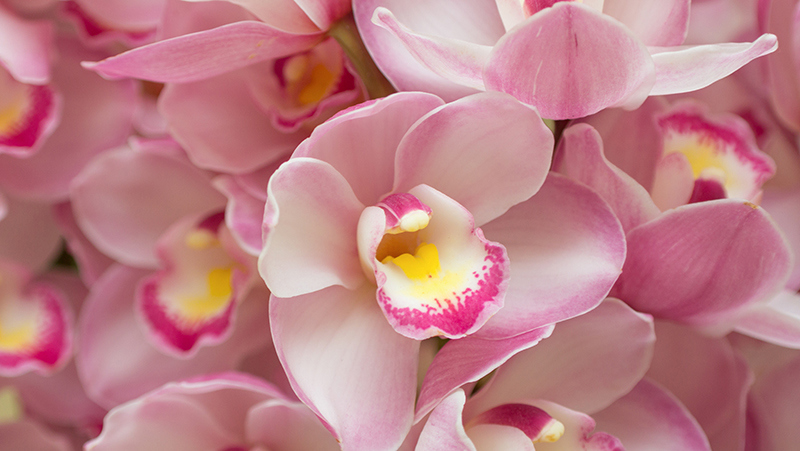
To encourage Cymbidium orchids to flower, several factors need to be considered, including temperature, light, water, and fertilization. These elements collectively support the overall health of the plant and stimulate the blooming process. Here are some essential factors to focus on:
Light Requirements
Proper light exposure is crucial for inducing flowering in Cymbidium orchids. They thrive best in bright, indirect sunlight.
- Place your orchids near a window with filtered light.
- Avoid direct sunlight, which can scorch the leaves.
- If natural light is insufficient, consider using grow lights to supplement it.
Temperature Considerations
Temperature plays a significant role in trigger blooming. Cymbidium orchids prefer a slight drop in temperature at night.
- During daytime, keep the temperature between 70°F to 80°F (21°C to 27°C).
- Evenings should be cooler, ideally between 55°F to 65°F (13°C to 18°C).
- Monitor temperatures during the winter months; protecting the plants from frost is essential.
Watering Practices
The watering schedule is vital for the health of Cymbidium orchids and influences their ability to bloom.
- Water the orchids thoroughly, then allow the potting medium to dry slightly before the next watering.
- During the growing season, usually from spring to late summer, water more frequently.
- In fall and winter, reduce watering to prevent root rot.
Fertilization Techniques
Proper fertilization can also boost the chances of flowering. Use a balanced orchid fertilizer formulated for blooming.
- Fertilize every two weeks during the growing season with a balanced fertilizer.
- In late summer, switch to a high-potassium fertilizer to encourage flowers.
- Reduce fertilizer application in winter when the plant’s growth slows down.
Repotting and Potting Medium
The right potting medium and repotting schedule can impact your Cymbidium orchids' flowering potential.
- Use a well-draining potting mix, such as one made from orchid bark, to prevent moisture retention.
- Repot every 2-3 years to refresh the potting medium and stimulate growth.
- Choose a pot size that allows for growth, but not too large that it retains excess moisture.
How often do you water Cymbidium orchids?

Cymbidium orchids require careful attention when it comes to watering. Generally, you should water Cymbidium orchids every 7 to 10 days during the growing season, which typically runs from spring to late summer. However, the frequency may vary based on environmental conditions such as temperature, humidity, and the potting medium. It’s essential to ensure that the potting mix dries out slightly between waterings to prevent root rot.
Understanding the Growing Season
The growth cycle of Cymbidium orchids significantly influences their watering requirements. During the active growing season, the plant demonstrates increased growth and can absorb more water.
- Water more frequently to support the growth of new roots and leaves.
- Monitor temperature fluctuations; higher temperatures mean increased evaporation and may require more frequent watering.
- Reduce watering frequency as the plant approaches dormancy in the fall.
Watering Techniques
Implementing the proper watering techniques is crucial to maintaining healthy Cymbidium orchids. Watering can be done thoroughly yet should be approached with caution.
- Water the plant until water drains out of the bottom for proper saturation.
- Use room temperature water to avoid shocking the plant.
- Consider using a moisture meter to gauge the optimal watering time.
Environmental Factors Affecting Watering
The surrounding environmental factors play a pivotal role in determining watering needs for Cymbidium orchids.
- Humidity levels directly influence how quickly the potting mix dries out.
- Drafty conditions can lead to faster drying times, requiring more frequent watering.
- Seasonal changes can also alter the demand for moisture; monitor closely during extreme weather.
Pest and Disease Management
Regularly checking for pests and diseases can affect your watering routine. Overwatering may attract pests like aphids or fungus gnats.
- Inspect for signs of pests and adjust your watering schedule if pest problems arise.
- Utilize proper drainage to help prevent issues associated with overwatering.
- Cultural practices should maintain a balance to promote plant health and pest resistance.
Signs of Under or Overwatering
Understanding the symptoms of under or overwatering is vital for the health of Cymbidium orchids.
See also:
- Yellowing leaves may indicate overwatering, while wilting can signify underwatering.
- Soft, mushy roots are a sign of root rot; ensure you adjust your watering routine accordingly.
- Healthy roots should be firm and white; check root health regularly to gauge overall plant condition.
How do I get my Cymbidium orchid to bloom again?

To encourage your Cymbidium orchid to bloom again, you need to provide the right care and environmental conditions. Here are several key factors to consider in order to promote blooming:
1. Temperature Change: Cymbidium orchids require a drop in temperature to initiate blooming. Aim for night temperatures between 50°F to 55°F (10°C to 13°C) for about four to six weeks. This temperature drop mimics seasonal changes, which can trigger the flowering process.
2. Lighting Conditions: Adequate light is crucial for the health of your orchid. Place your Cymbidium where it receives bright, indirect sunlight. Too much direct sunlight can scorch the leaves, while too little can hinder blooming.
3. Watering Practices: Proper watering practices are vital for orchid health. During the growing season, keep the potting medium evenly moist but not soggy. Allow the top inch of the medium to dry out before watering again. In the winter, reduce watering to allow the plant to rest.
4. Fertilization Techniques: Use a balanced orchid fertilizer during the growing season, typically from spring through summer. Look for fertilizers with a ratio of 30-10-10 (high in nitrogen) during growth and switch to a 10-30-20 (high in phosphorus) to promote blooming as fall approaches.
5. Potting and Medium: Ensure your Cymbidium is in an appropriate potting mix, typically a blend that includes bark, sphagnum moss, or perlite. Repot the orchid every 1-2 years to refresh the medium, which helps promote healthier growth and potential blooms.
Temperature Regulation
To successfully manipulate the temperature, you should create a suitable environment that prompts your Cymbidium to bloom. Adjust night temperatures to fall within the ideal range and consider moving your plant indoors if it’s winter outside.
- Monitor nighttime temperatures using a thermometer.
- Create a cool spot in your home to help lower the required temperature during key months.
- Be consistent; temperature fluctuations can stress the plant and discourage blooming.
Light Requirements
Cymbidium orchids thrive in well-lit areas but need to avoid direct sun exposure. Finding the right balance can significantly impact their ability to bloom.
- Place your orchid near a window with filtered light or sheer curtains.
- Consider rotating the plant every few weeks for even light distribution on all sides.
- Observe the leaves; if they turn yellow, it may indicate too much light.
Watering Techniques
Proper watering techniques are essential for preventing root rot and ensuring your Cymbidium gets enough moisture without being waterlogged.
- Check the potting medium's moisture level before watering.
- Water early in the day, allowing excess moisture to evaporate before nightfall.
- Adjust your watering routine based on seasonal changes and indoor humidity levels.
Nutrient Management
Fertilization can bolster the health of your orchid and encourage blooming. Understanding when and how to fertilize is key.
- Start fertilizing in the spring with a low-nitrogen formula.
- As the blooming period approaches, switch to a phosphorus-heavy fertilizer.
- Avoid over-fertilizing, which can lead to salt buildup and harm the plant.
Potting and Supporting Medium
The potting medium can greatly influence the overall health of your Cymbidium orchid. Choosing the right medium will ensure proper drainage and air circulation.
- Use a specialized orchid mix designed to provide good drainage.
- Repot into a larger pot only when necessary, as overcrowding can hinder growth.
- Look for signs of decomposition in the medium, which indicates it may need replacing.
Questions from Our Readers
What type of environment is best for cymbidium orchids in Australia?
Cymbidium orchids thrive in a cool, temperate climate, making Australia’s eastern and southern regions ideal. They prefer a location with partial shade and good air circulation, especially during the summer months. Ensure they receive indirect sunlight to prevent leaf burn, and maintain temperatures between 15-25°C for optimal growth.
How often should I water cymbidium orchids?
Cymbidium orchids should be watered thoroughly when the top 2-3 cm of the potting mix feels dry. Typically, this means watering them every 1-2 weeks during the growing season and reducing frequency in winter. It’s important to ensure that the pot has adequate drainage to prevent root rot; avoid letting the roots sit in water.
See also:
What type of fertilizer is recommended for cymbidium orchids?
To encourage healthy growth and blooming, use a balanced orchid fertilizer with an N-P-K ratio of around 30-10-10 every 2-4 weeks during the growing season. In the winter, reduce fertilization to every 6-8 weeks. Always follow the dilution guidelines on the fertilizer package to avoid over-fertilizing, which can harm the plant.
When is the best time to repot cymbidium orchids?
The best time to repot cymbidium orchids is after the blooming period, typically in late spring or early summer. This allows the plant to recover from any stress and encourages new growth. Look for signs that indicate repotting is necessary, such as root overcrowding or decomposing potting mix, and choose a pot that is only slightly larger than the current one.

If you want to read more articles like Ultimate Guide: How to Care for Cymbidium Orchids in Australia for Thriving Blooms, we recommend you check out our Pots category.
Leave a Reply
Related Articles