How to Stop Caterpillars from Eating My Plants: Effective Tips and Tricks
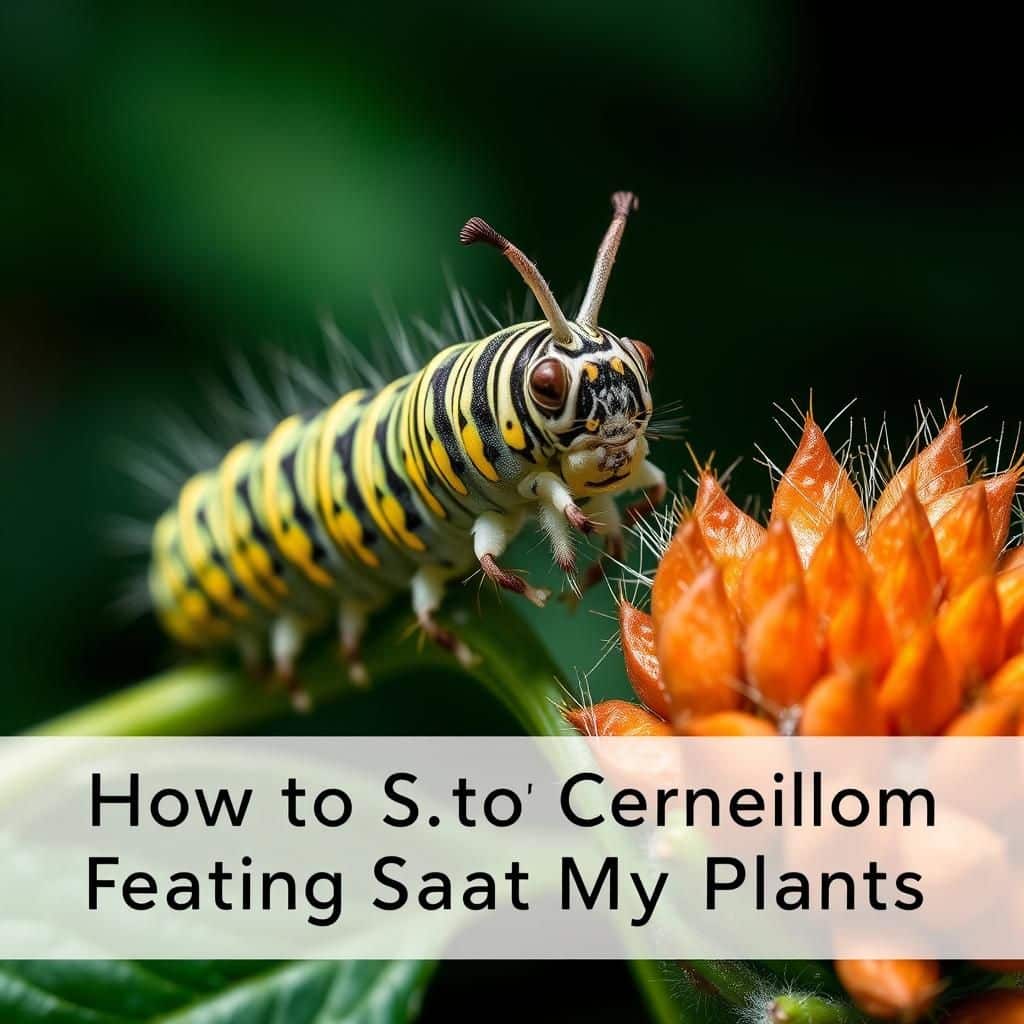
Caterpillars can be a gardener's worst nightmare, wreaking havoc on prized plants and delicate flowers. These voracious eaters not only threaten the beauty of your garden but can also hinder plant growth and overall health. Fortunately, there are numerous effective strategies to deter these pesky pests without resorting to harmful chemicals. In this article, we will explore a range of practical tips and tricks to help you protect your plants from caterpillar damage. From natural repellents to physical barriers, understanding how to manage caterpillar populations can ensure your garden flourishes throughout the growing season.
How to Prevent Caterpillars from Damaging Your Plants
To effectively stop caterpillars from eating your plants, it is crucial to implement a combination of preventive measures and natural remedies. Start by regularly inspecting your plants for any signs of caterpillar activity, such as chewed leaves or silk webs. Introducing natural predators like birds or beneficial insects can significantly reduce caterpillar populations. Additionally, applying barriers like row covers can physically protect your plants. Consider using organic pesticides containing Bacillus thuringiensis (Bt), which target caterpillars specifically without harming beneficial insects. Lastly, maintaining healthy soil and encouraging robust plant growth can help your plants withstand any potential damage.
Identifying Caterpillar Species
Identifying the specific type of caterpillar infesting your garden is essential for determining the most effective control methods. Familiarize yourself with common species such as the cabbage looper or hornworm. Each type may require different approaches for management. Utilize online resources or gardening guides to compare their physical characteristics, feeding behaviors, and the damage they cause to plants.
Encouraging Natural Predators
Attracting natural predators can create a balanced ecosystem in your garden, which helps control caterpillar populations naturally. Birds, for instance, are effective hunters of caterpillars. Planting native shrubs and trees provides habitat for them. Another option is to introduce beneficial insects like lacewings or ladybugs. These insects feed on various pest larvae, reducing the likelihood of caterpillars destroying your plants.
Using Physical Barriers
Implementing physical barriers is an effective strategy for protecting your plants from caterpillars. Row covers and fine mesh nets can be placed over plants to prevent adult moths from laying eggs nearby. Ensuring gaps are properly secured will help avoid any access points. This method is especially useful for crops that are particularly susceptible to caterpillar infestation.
See also:
Applying Organic Pesticides
Organic pesticides can be an effective tool in your fight against caterpillars. Products containing Bacillus thuringiensis (Bt) are particularly effective because they specifically target caterpillars when ingested, causing them to stop feeding. Always follow the instructions carefully for application rates and timing to minimize harm to beneficial insects and avoid chemical residue.
Maintaining Plant Health
Healthy plants are more resilient to pest attacks, including caterpillars. Regularly amend your soil with organic matter to boost nutrient levels, and ensure that plants receive adequate water. Practicing crop rotation can help disrupt the life cycle of caterpillars. Regularly removing weeds and debris from the garden will also reduce habitats where caterpillars could thrive.
| Caterpillar Control Method | Effectiveness | Time to Implement |
|---|---|---|
| Natural Predators | High | Ongoing |
| Physical Barriers | Moderate | Immediate |
| Organic Pesticides | High | Variable |
| Maintaining Plant Health | Very High | Ongoing |
Natural Methods to Deter Caterpillars from Your Garden
Implementing natural methods to deter caterpillars can be highly effective and environmentally friendly. One useful approach is the application of neem oil, a natural pesticide derived from the seeds of the neem tree. It disrupts the feeding and growth patterns of caterpillars when they ingest it. Additionally, introducing beneficial insects such as ladybugs and lacewings can help keep the caterpillar population in check since they prey on these pests. Consider also the use of handpicking; regularly inspecting your plants and removing caterpillars by hand can significantly lower their numbers. Such methods not only protect your plants but also promote a balanced ecosystem in your garden.
Using Neem Oil as a Natural Pesticide
Neem oil is highly regarded for its effectiveness in controlling caterpillars and other pests without harming beneficial insects. When mixed with water and a mild soap, it can be sprayed directly onto infested areas of your plants. The active compounds in neem oil work by disrupting the growth and reproduction of caterpillars, forcing them to cease feeding and ultimately die. This method is not only safe for humans and pets, but it also promotes a sustainable gardening approach by minimizing the use of harmful chemicals.
Introducing Beneficial Insects
Beneficial insects play a crucial role in maintaining a healthy ecosystem in your garden. Predatory insects such as ladybugs, lacewings, and parasitic wasps feed on caterpillars and their eggs, effectively reducing their population without the need for chemical interventions. By creating a welcoming environment for these natural predators through planting nectar-rich flowers and minimizing chemical pesticide use, you can enhance your garden’s biodiversity. This approach not only curbs caterpillar infestations but also supports a thriving balance of different species within your garden.
See also:
Handpicking Caterpillars
Handpicking is a straightforward yet highly effective method for controlling caterpillar populations in your garden. Regularly inspecting your plants and manually removing visible caterpillars can prevent them from causing significant damage. To make this process easier, it’s beneficial to do it in the early morning or late evening when caterpillars are more active. Wearing gloves can aid in the handling process, and placing the removed caterpillars into a container filled with soapy water ensures they cannot return to your plants. This hands-on approach is an effective way to safeguard your plants without relying on pesticides.
Implementing Physical Barriers
Using physical barriers can be an effective strategy to protect your plants from caterpillar damage. Row covers, nets, or even fine mesh can serve as a deterrent against caterpillars while allowing light and moisture to reach the plants. These barriers must be installed securely to ensure that no caterpillars can slip through. Moreover, copper tape can be used around pots or garden beds; when caterpillars come into contact with copper, it creates a mild shock that deters them from crossing. Implementing these barriers provides a simple yet effective solution for safeguarding your garden.
Maintaining Plant Health
A healthy plant is more resilient to pest infestations, including caterpillars. Ensuring that your plants receive adequate water, nutrients, and sunlight will keep them strong and capable of withstanding minor attacks. Additionally, promoting good airflow around your plants can help prevent the conditions that allow pests to thrive. Consider incorporating companion planting, where certain plants are grown together to naturally repel pests or attract beneficial insects. By focusing on the overall health of your garden, you create an environment less conducive to caterpillar infestations, leading to successful cultivation.
Questions from Our Readers
How can I prevent caterpillars from eating my plants?
To prevent caterpillars from damaging your plants, you can use natural repellents such as neem oil or insecticidal soap. Additionally, regularly inspecting your plants for eggs and larvae and removing them by hand can help reduce the caterpillar population. Keeping your garden well-maintained and free of debris also discourages their presence.
Are there any organic methods to control caterpillars?
Yes, there are several organic methods to control caterpillars. You can introduce beneficial insects such as ladybugs or lacewings, which feed on caterpillars. Additionally, you can use row covers to physically block butterflies from laying eggs on your plants and ensure that your plants are healthy to withstand minor infestations.
See also:
What plants repel caterpillars effectively?
Certain plants are known to repel caterpillars due to their strong scents or chemical properties. Herbs like basil, mint, and rosemary are effective at deterring caterpillars. Including these plants in your garden can help protect your main crops while adding variety to your landscape.
When is the best time to treat plants for caterpillars?
The best time to treat your plants for caterpillars is during early spring when they are just emerging. This is when they are easiest to manage and you can apply preventative measures effectively. Regular monitoring throughout the growing season is crucial, as it helps to catch infestations early before they can cause significant damage.

If you want to read more articles like How to Stop Caterpillars from Eating My Plants: Effective Tips and Tricks, we recommend you check out our Gardeners category.
Leave a Reply
Related Articles