Effective Tips on How to Get Rid of Hairy Caterpillars Australia: A Complete Guide
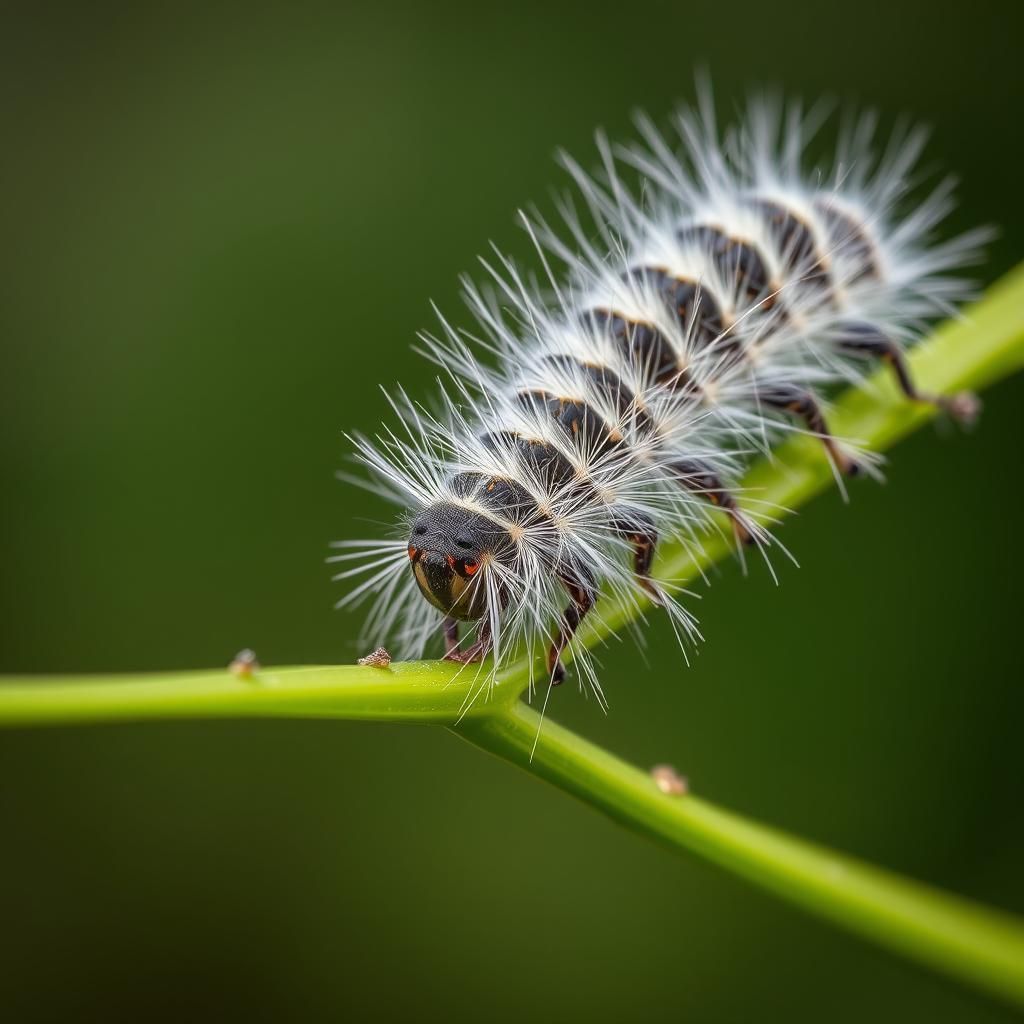
Hairy caterpillars can be a nuisance for gardeners and outdoor enthusiasts in Australia. These fuzzy pests not only damage plants but can also pose health risks to humans and pets due to their irritating hairs. Understanding how to effectively manage and eliminate hairy caterpillars is essential for maintaining a healthy garden and a safe environment. In this comprehensive guide, we will explore practical tips and strategies to help you identify, control, and prevent infestations of hairy caterpillars in your outdoor spaces. With the right knowledge and tools, you can keep your garden flourishing and free from unwanted visitors.
Effective Methods to Eliminate Hairy Caterpillars in Australia
To effectively get rid of hairy caterpillars in Australia, it’s important to implement a combination of preventive measures, natural remedies, and chemical treatments if necessary. The first step is to identify the specific species of hairy caterpillar in your garden, as some may be more problematic than others. After identifying them, you can begin with mechanical removal, such as handpicking, or use barriers like row covers. For a more natural approach, introducing beneficial predators like bird species or using organic insecticides can help manage their population. If the infestation is severe, chemical pesticides specifically designed for caterpillars may be used, but always follow the instructions carefully to minimize harm to the environment.
Understanding Hairy Caterpillars
Hairy caterpillars belong to various species and can be commonly found across Australia. They are characterized by their bristly appearance, which can cause skin irritations if handled. Many people are unaware of the dangers posed by these creatures, as their hairs can lead to allergic reactions. Understanding their life cycle can help homeowners predict when they are most active and take necessary measures to prevent infestation.
Mechanical Control Methods
One effective way to manage hairy caterpillars is through mechanical control methods. This involves physically removing them from affected plants by handpicking or using tools like a soft brush. It is advisable to wear gloves when handling them to avoid any skin irritation. Placing traps made from sticky materials near plants can also help capture them before they can cause further damage.
Natural Predators
Introducing natural predators is another effective strategy to combat hairy caterpillars. Birds, wasps, and certain beetles naturally feed on caterpillars and can significantly reduce their population in your garden. Creating a diverse habitat with native plants can attract these beneficial predators and enhance overall ecosystem balance, making it easier to manage pest populations without harsh chemicals.
See also:
Using Organic Insecticides
Organic insecticides can be a safer alternative to synthetic chemicals for controlling hairy caterpillar populations. Products containing Bacillus thuringiensis (Bt) are particularly effective, as they target caterpillars without harming other beneficial insects. It’s important to apply these treatments during the early stages of their life cycle for better effectiveness, and always adhere to the manufacturer’s instructions for safe application.
Chemical Treatments and Precautions
If the infestation is beyond control, chemical treatments may be necessary. There are various pesticides available that target caterpillars specifically, but it’s crucial to choose one that minimizes impact on non-target organisms. Always read the label for application instructions and safety precautions, especially regarding environmental cleanup and timing, to ensure that beneficial species are not affected in the process.
| Method | Advantages | Disadvantages |
|---|---|---|
| Handpicking | Immediate result | Time-consuming |
| Natural Predators | Eco-friendly | Dependent on habitat |
| Organic Insecticides | Less harmful | Limited effectiveness |
| Chemical Treatments | Highly effective | Potential environmental harm |
Understanding the Life Cycle of Hairy Caterpillars
Hairy caterpillars, widely known as larval forms of various moths and butterflies, undergo several stages in their life cycle before becoming adult moths or butterflies. They typically start as eggs, hatch into caterpillars, and then progress through various instars, shedding their skin multiple times. During their caterpillar phase, they are voracious feeders, consuming large amounts of foliage, which can lead to significant damage in gardens and landscapes. Understanding this life cycle is crucial in effectively controlling and eliminating them, as it allows you to target the right stage with appropriate pesticides or natural remedies.
Identifying Hairy Caterpillars
To effectively manage hairy caterpillars, it’s important to first identify them accurately. They usually possess distinctive hairy or bristly textures in their outer coverings, which often serve as a defense mechanism against predators. Different species may display varying coloration patterns, including stripes or spots that can help in their identification. Knowing the specific type of hairy caterpillar you’re dealing with will guide your choice of control methods, ensuring that you apply the right strategies for eradication.
Natural Predators and Their Role
In many ecosystems, natural predators play a vital role in controlling hairy caterpillar populations. Birds, for example, are highly effective at preying on caterpillars. Additionally, beneficial insects like parasitic wasps and predatory beetles also help maintain balance in the ecosystem by feeding on these pests. By enhancing habitats for these natural predators—such as planting native vegetation or avoiding harmful chemical pesticides—you can create a more balanced environment that naturally limits caterpillar growth.
See also:
Using Organic Pest Control Methods
For those seeking environmentally friendly solutions, using organic pest control methods can be highly effective against hairy caterpillars. Products containing Bacillus thuringiensis (Bt), a naturally occurring bacterium, can be particularly useful. When ingested by the caterpillars, it disrupts their digestive systems, causing them to stop feeding and eventually die. Additionally, homemade solutions using ingredients like neem oil or diluted soap can deter these pests without harming beneficial insects, offering a more sustainable approach to pest management.
Implementing Physical Barriers
Creating physical barriers is another effective strategy for keeping hairy caterpillars at bay. Using netting or row covers can prevent these pests from reaching your plants and laying eggs, thus breaking their life cycle. Additionally, placing sticky traps near infested areas can capture adult moths before they can lay eggs. This method not only protects your plants from immediate infestation but can also reduce the chances of future outbreaks, creating a more sustainable growing environment.
Timing and Timing of Treatments
Timing is critical when implementing treatments for hairy caterpillars. Monitor your plants regularly during their growing seasons, particularly in spring when caterpillars are emerging. Applying treatments during early instars (the first several molts after hatching) is most effective, as younger caterpillars are less likely to survive contact with pesticides. Understanding the timing of caterpillar hatching can give you the upper hand in pest management, allowing you to take proactive measures before populations explode.
Questions from Our Readers
How can I identify hairy caterpillars in Australia?
To identify hairy caterpillars in Australia, look for their distinctive bristles or hairs which may vary in color and length. Many species can be found in gardens and parks, and they often have unique patterns that help distinguish them from other caterpillars. Observing their movement and habitat can also aid in identification.
What are the best methods to get rid of hairy caterpillars?
To effectively get rid of hairy caterpillars, consider using natural repellents such as neem oil or insecticidal soap. Additionally, hand-picking them off plants or introducing natural predators like birds can help manage the population. Always ensure to follow sustainable practices to protect the environment.
See also:
Are hairy caterpillars harmful to humans or pets?
Yes, some hairy caterpillars can be harmful due to their irritating hairs, which may cause skin rashes or allergic reactions in humans and pets. It's essential to avoid touching them and to keep curious pets away from these caterpillars to prevent any adverse reactions.
What should I do if I get stung by a hairy caterpillar?
If you get stung by a hairy caterpillar, it’s advisable to wash the affected area with soapy water to remove any irritants immediately and apply a cold compress to reduce swelling. Over-the-counter antihistamines or hydrocortisone cream may help relieve itching. If symptoms persist, consult a medical professional.
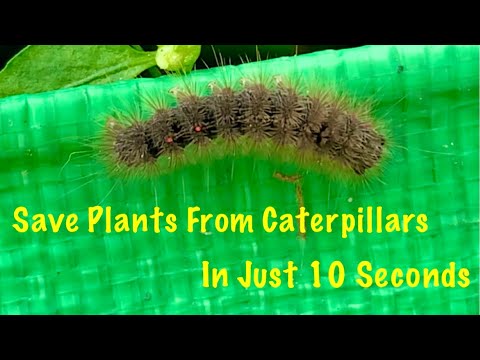
If you want to read more articles like Effective Tips on How to Get Rid of Hairy Caterpillars Australia: A Complete Guide, we recommend you check out our Weeds category.
Leave a Reply
Related Articles