Ultimate Guide to Garden Pests Identification Pictures Australia: Identify and Control Common Threats

In the vibrant landscapes of Australia, gardening presents both beauty and challenges. Among these challenges are garden pests, which can rapidly turn a thriving garden into a struggling one. This ultimate guide aims to provide a comprehensive resource for Australian gardeners, featuring clear identification pictures of common garden pests. By learning to recognize these threats, you can implement effective control measures to protect your plants and cultivate a healthy garden. From aphids to caterpillars, understanding the enemy is the first step toward maintaining a flourishing garden space. Let's delve into the world of garden pests and equip you with the knowledge needed for successful gardening.
Identifying Common Garden Pests in Australia
Identifying garden pests in Australia is crucial for maintaining a healthy garden ecosystem. Different regions in Australia host a variety of insects and animals that can have detrimental effects on plants. By utilizing specific identification pictures, gardeners can accurately recognize these pests and take appropriate measures to manage them. Common pests include aphids, caterpillars, and snails, each presenting unique challenges. Understanding the life cycle and behavior of these pests allows for more effective control methods, ensuring plants remain vibrant and productive throughout the growing season.
Aphids: Small but Destructive
Aphids are tiny, soft-bodied insects that can be found on the undersides of leaves in gardens across Australia. They feed on plant sap, leading to stunted growth and the transmission of plant diseases. Their distinguishing features include a pear-shaped body and long antennae, and they can range in color from green to black. Identification pictures of aphids can help gardeners quickly spot infestations and apply insecticidal soap or introduce beneficial insects like ladybugs for control.
Caterpillars: The Leaf Processors
Caterpillars, the larval stage of moths and butterflies, are notorious for consuming large quantities of leaves. Many species, such as the cabbage looper and cutworm, can quickly devastate a garden if left unchecked. Identification requires looking for problem signs, including chewed leaves and frass (caterpillar droppings). Gardeners can recognize caterpillars through identification pictures that highlight their distinctive colors and patterns, which vary widely among species.
Snails and Slugs: The Garden Night Raiders
Snails and slugs are common garden pests in Australia that typically come out at night to feed on tender leaves. These pests are characterized by their soft, slimy bodies and, in the case of snails, a spiraled shell. They leave a distinctive trail of slime and can cause significant damage to plants, leading to holes in foliage. Using pictures for identification, gardeners can spot and manage these pests effectively by employing barriers and traps or using natural predators like birds.
Whiteflies: The Tiny Flyers
Whiteflies are small, white, moth-like insects that are often found on the undersides of leaves. They can be particularly problematic in warm climates in Australia, where they thrive. These pests suck sap from plants, similar to aphids, leading to yellowing and potentially stunted growth. Their presence often attracts sooty mold, which can further impede plant health. Identification pictures can assist gardeners in recognizing these pests early to control them using insecticidal sprays or horticultural oils.
Spider Mites: The Microscopic Troublemakers
Spider mites are tiny arachnids that commonly affect plants in Australian gardens. These pests can often be identified by their webbing and fine stippling on leaves, which indicates they are feeding on plant tissue. Though difficult to see with the naked eye, identification pictures can help gardeners learn to recognize the telltale signs of an infestation. Effective management strategies include increasing humidity and introducing predatory mites that naturally control spider mite populations.
| Pest Type | Common Symptoms | Management Strategies |
|---|---|---|
| Aphids | Stunted growth, yellowing leaves | Insecticidal soap, ladybugs |
| Caterpillars | Chewed leaves, visible frass | Handpicking, organic pesticides |
| Snails and Slugs | Holes in leaves, slime trails | Barriers, traps, natural predators |
| Whiteflies | Yellowing leaves, sooty mold | Insecticidal sprays, horticultural oils |
| Spider Mites | Webbing, leaf stippling | Increased humidity, predatory mites |
How do I identify pests in my garden?
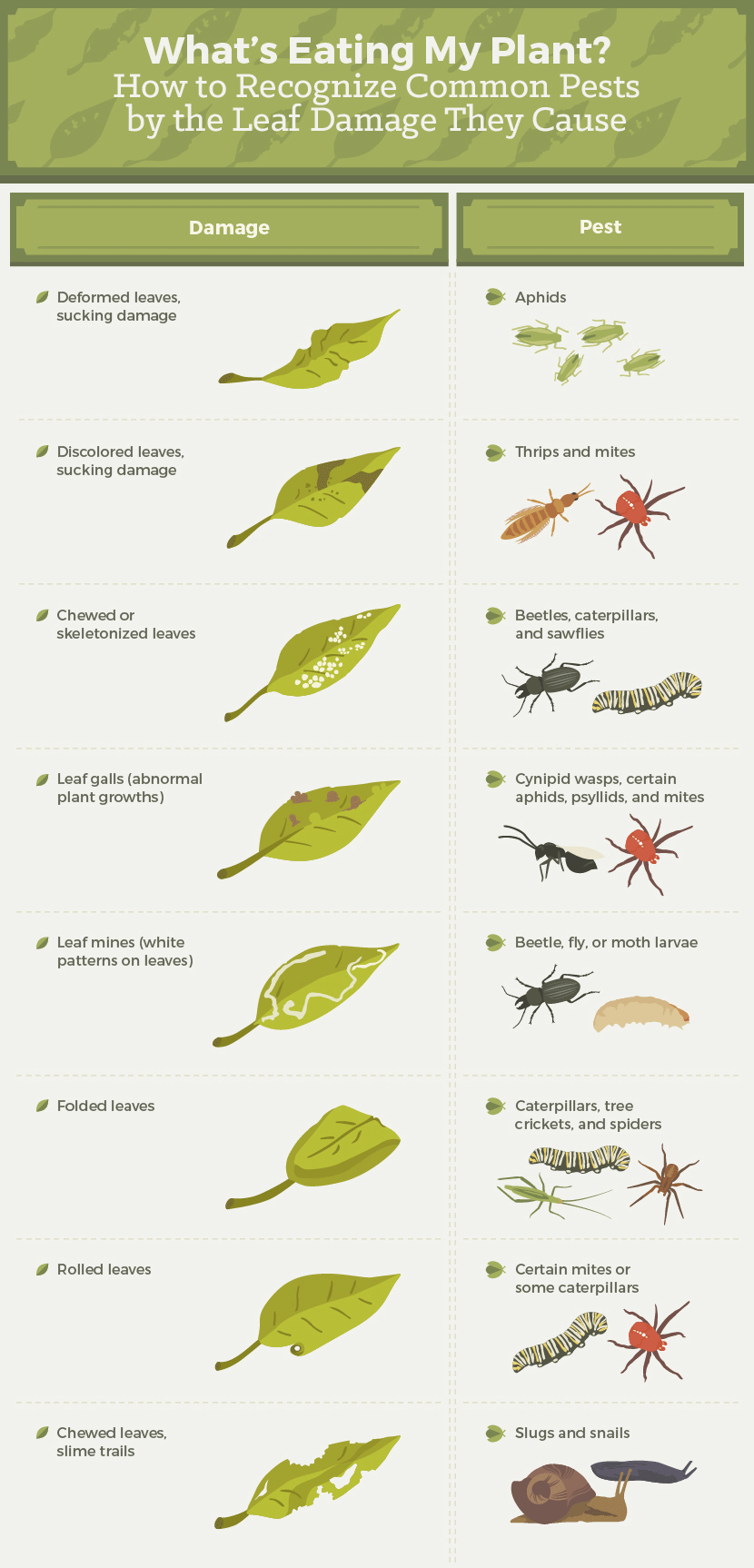
To identify pests in your garden, it is essential to observe the plants closely and monitor any changes that may indicate pest activity. Here are several techniques to aid in the identification process:
Signs of Pest Damage
Observing the symptoms of pest damage on your plants is a key step in identifying any infestations. Common signs include:
- Leaf holes: Small or large holes in leaves can indicate herbivorous insects.
- Wilting or yellowing: These symptoms might suggest sap-sucking pests, such as aphids or spider mites.
- Sticky residue: A sticky substance on leaves and surrounding areas may indicate the presence of scale insects or aphids, which excrete honeydew.
Inspecting Plants Regularly
Regular inspections of your garden can help detect pests early. To do this effectively:
- Check the undersides of leaves: This is a common hiding place for pests, especially aphids and spider mites.
- Look for eggs: Pests often lay eggs in clusters, which can be easier to spot than the pests themselves.
- Monitor different times of day: Some pests are more active during the day while others may come out at night; varying your inspection times can provide better insights.
Utilizing Sticky Traps
Sticky traps are an effective method to capture and monitor the population of flying pests. Here’s how to use them:
- Place traps near plants: Situate them close to areas where you suspect pest activity to attract insects.
- Select yellow or blue traps: These colors are particularly attractive to certain pests like whiteflies and thrips.
- Regularly check the traps: This helps you monitor pest populations and adjust your management strategies accordingly.
Recognizing Common Garden Pests
Familiarizing yourself with common garden pests can aid in quick identification. Some pests to be aware of include:
See also:
- Aphids: Small, soft-bodied insects often found on new growth and can be green, black, or brown.
- Spider mites: Tiny, spider-like creatures that may cause webbing on plants and leave stippled leaves.
- Mealybugs: Wax-covered insects generally found in leaf axils or on stems, often leaving a sticky residue.
Using Identification Guides
Utilizing field guides or online resources can enhance your ability to identify pests accurately. Consider the following:
- Field guides: These often provide visual aids and descriptions of pest life cycles and damage.
- Online databases: Websites dedicated to entomology can help you compare pictures of suspected pests.
- Mobile applications: Many apps allow you to take photos of a suspected pest and get instant identification feedback.
How to identify an insect by picture?
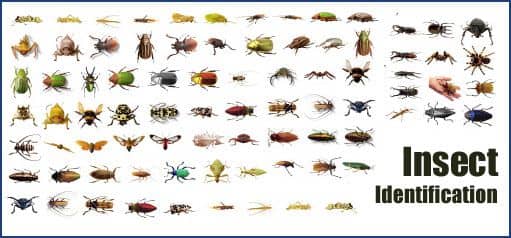
To identify an insect by picture, there are systematic steps and approaches you can take to make the process easier and more accurate. Here is a detailed guide along with relevant subtitles:
Understand the Basic Insect Anatomy
Understanding the anatomy of insects is crucial for identification. Insects have a specific body structure that consists of three main parts: the head, the thorax, and the abdomen.
- Head: This part usually contains the eyes, antennae, and mouthparts. Observation of the head can help narrow down the choices.
- Thorax: The thorax is the middle section where the legs and wings (if present) are attached. The number of legs and the presence of wings can be significant indicators.
- Abdomen: The abdomen contains the reproductive organs and is often the site for distinctive markings or patterns.
Utilize Online Insect Identification Resources
The internet has a plethora of resources that can help in insect identification. Many websites and applications are designed explicitly for this purpose.
- Insect Identification Apps: Apps like 'Seek' or 'Picture Insect' allow users to upload a photo and receive potential matches based on the appearance of the insect.
- Specialized Websites: Websites such as BugGuide.net have vast databases and community experts that can provide identification assistance.
- Social Media Groups: Platforms like Facebook have groups dedicated to entomology where members can post images for identification help.
Focus on Distinctive Features
When observing an insect for identification, it is important to pay attention to distinctive features that set it apart from others.
- Color Patterns: Many insects have unique color patterns that can aid in identification. Take note of the primary colors and any specific markings.
- Body Shape: Insects come in various shapes; some may be elongated, while others are round or flat.
- Size: Measuring the size of the insect can help differentiate between similar species, as size can vary significantly among different types.
Consider the Habitat and Behavior
The habitat where you find the insect can significantly contribute to its identification. Different insects thrive in various environments.
- Habitat Type: Identify if the insect was found in a garden, forest, water body, or urban area, as specific insects are common in particular habitats.
- Feeding Behavior: Observe what the insect is doing—whether it is hovering, feeding, or resting—since behavior can provide hints about its species.
- Time of Year: Some insects are seasonal. Knowing when you saw the insect can help pinpoint its identity based on its life cycle.
Check Field Guides and Books
Field guides specifically tailored for insects can be a valuable resource for identification. These guides often provide visuals alongside descriptive text.
- Illustrations and Photographs: High-quality images can help in matching the insect you observed with the images in the guide.
- Descriptions: Guides typically include descriptions of various characteristics, behaviors, and habitats, making it easier to conclude.
- Regional Guides: Use regional guides focusing on the area where you live, as they are more likely to include local species.
What are the tiny clear bugs in my garden?

Tiny clear bugs in your garden are often referred to as aphids, spider mites, or even certain types of whiteflies. These insects can be quite small and may appear almost transparent or light in color. While they can be harmless in small numbers, they often become problematic as their populations increase, leading to potential harm to your plants.
Identification of Tiny Clear Bugs
Identifying the tiny bugs in your garden can be crucial for effective management. Here are some common characteristics to observe:
- Size: Most of these bugs are extremely small, typically less than a few millimeters in length.
- Color: They range from translucent to light green or yellowish hues.
- Location: These pests often gather on the undersides of leaves or at the tips of new growth.
Common Types of Tiny Clear Bugs
Several types of tiny clear bugs could be inhabiting your garden, with the following being some of the most common:
- Aphids: Small and usually found in clusters, aphids can be green, black, or clear and feed on plant sap.
- Spider mites: These are not true insects but arachnids, often appearing as tiny specks; they produce fine webbing on leaves.
- Whiteflies: While not clear, they can often appear pale and may fly away when disturbed, presenting a similar appearance.
Potential Damage to Plants
Tiny clear bugs can cause various types of damage to your garden plants, including:
See also:
- Stunted Growth: Substantial feeding can lead to reduced plant growth and vitality.
- Yellowing Leaves: Feeding may cause leaves to yellow or curl, indicating distress.
- Spread of Diseases: Some bugs are vectors for plant diseases, transmitting pathogens from one plant to another.
Control Methods
To effectively manage tiny clear bugs in your garden, consider using the following methods:
- Natural Predators: Introducing ladybugs or lacewings can help keep aphid populations in check.
- Insecticidal Soap: Applying insecticidal soap can eliminate many types of small pests without harming beneficial insects.
- Neem Oil: This organic treatment disrupts the life cycle of the pests and is effective against several types of insects.
Prevention Strategies
Preventing infestations of tiny clear bugs involves implementing several strategies, such as:
- Regular Monitoring: Frequently inspect your plants for early signs of pests before they become a bigger problem.
- Healthy Soil: Maintain healthy soil conditions to strengthen plant resilience against pests.
- Companion Planting: Utilize plants that naturally repel pests or attract beneficial insects.
What do aphids look like in a garden?

Aphids are small, soft-bodied insects that can often be found in gardens. They typically measure about 1 to 10 millimeters in length and come in various colors, including green, black, brown, yellow, and even red. Aphids tend to cluster on the undersides of leaves and on new growth, where they feed by sucking the sap from the plants. Their bodies are usually pear-shaped, and they have long antennae and two tubular structures called cornicles protruding from their rears.
Additionally, aphids can produce a sticky substance known as honeydew, which can attract ants and lead to the growth of sooty mold on plants. If pest populations are left unchecked, they can cause significant damage to garden plants, indicating their presence.
Physical Characteristics of Aphids
Aphids are recognized for their distinctive physical features that contribute to their identification. They have:
- Pear-shaped bodies: which allow them to blend in with plant foliage.
- Soft bodies: making them vulnerable to natural predators like ladybugs.
- Color variations: ranging from green to black, reflecting different species and plant host preferences.
Habitat Preferences in Gardens
Aphids are often found in areas of a garden that provide optimal feeding conditions. These include:
- Undersides of leaves: where they can shield themselves from predators and environmental factors.
- New growth: which is tender and nutrient-rich, making it more appealing for feeding.
- Flower buds and stems: where they can easily access the sap while being less disturbed.
Signs of Aphid Infestation
There are several indicators of aphid presence in gardens, including:
- Clustering behaviors: seeing numerous aphids congregated on a single spot.
- Sticky residue: honeydew on leaves or surfaces beneath infested plants.
- Deformed leaves: signs of wilting or curling due to feeding stress on the plant.
Aphids and Their Impact on Plants
The effects of aphids on plants can be detrimental, leading to:
- Reduced growth: due to sap removal and nutrient depletion.
- Stunted development: particularly in young plants that are more susceptible.
- Transmission of plant diseases: as they can carry and spread various viral pathogens.
Natural Predators of Aphids
Aphids have several natural predators that can help control their populations, such as:
- Ladybugs: which consume large quantities of aphids at different life stages.
- Parasitic wasps: that lay eggs inside aphids, ultimately killing them.
- Predatory beetles: which actively hunt and feed on aphids in the garden.
Questions from Our Readers
How can I identify common garden pests in Australia?
To identify common garden pests in Australia, start by examining the plants for signs of damage, such as holes in leaves or discoloration. Utilizing identification pictures found in gardening guides or online resources can assist you in matching specific pests to their respective damage. Familiarizing yourself with the most prevalent pests in your region will also help you recognize them quickly.
What are some common garden pests in Australia?
Some of the most common garden pests in Australia include aphids, caterpillars, whiteflies, and spider mites. Each of these pests can cause significant damage to your garden if not managed promptly. Consulting identification pictures can help you distinguish these pests and implement appropriate control measures to protect your plants.
Where can I find identification pictures of garden pests famous in Australia?
Identification pictures of garden pests can be found in various resources, including gardening websites, local agricultural extensions, and pest management guides specific to Australia. Many universities and ecological organizations also provide online databases with high-quality images and descriptions that can aid in accurate identification of pests.
See also:
How can I effectively manage garden pests once identified?
Once you have identified the garden pests, effective management can include using natural predators, applying insecticidal soap, or introducing organic pesticides. It's crucial to monitor your garden regularly and use integrated pest management strategies to ensure long-term control, rather than relying solely on chemical treatments.

If you want to read more articles like Ultimate Guide to Garden Pests Identification Pictures Australia: Identify and Control Common Threats, we recommend you check out our Weeds category.
Leave a Reply
Related Articles