What Month Is the Best Time to Spray for Weeds? A Comprehensive Guide for Gardeners

When it comes to maintaining a lush and healthy garden, controlling weeds is a crucial task for every gardener. Timing can make all the difference in effectively managing these pesky invaders. This comprehensive guide explores the best month to spray for weeds, taking into account factors such as climate, weed species, and the type of herbicides available. By understanding the optimal timing for weed control, gardeners can maximize their efforts and promote a thriving landscape. Join us as we delve into the nuances of weed spraying and help you achieve the garden of your dreams.
What Month is the Best Time to Spray for Weeds?
The best time to spray for weeds largely depends on the type of weeds you are dealing with and the local climate conditions. Generally, early spring, specifically between March and April, is considered ideal for controlling annual weeds that germinate early. This timing allows for maximum effectiveness as the weeds are young and vulnerable to herbicides. Additionally, applying treatment just before or during the peak growth period of perennial weeds in late spring or early summer can also yield excellent results, as these weeds are actively feeding and can absorb the herbicide more effectively.
Understanding Weeds: Annual vs. Perennial
Annual weeds complete their life cycle in one year, while perennial weeds can survive for multiple years. Spraying during early spring is crucial for annual weeds such as crabgrass and dandelions, which sprout in warmer temperatures. Contrarily, perennial weeds such as dandelions and thistles may require treatments that coincide with their growth cycles, emphasizing the need to identify the type of weeds present before choosing a spraying schedule.
Factors Influencing Timing
Several factors influence the optimal timing for weed spraying, including climate, temperature, and the specific area of growth. If you live in a region where temperatures fluctuate greatly, it’s essential to apply herbicides at the right moment, typically when temperatures are consistently above 60°F. Monitoring local weather patterns and adjusting your spraying schedule accordingly can enhance the effectiveness of your weed control efforts.
Best Practices for Herbicide Application
To ensure effective application of herbicides, it is recommended to spray on a calm day to prevent drift, and early in the day or late afternoon when temperatures are cooler. Additionally, it is important to follow the manufacturer's instructions for application rates and timing. Applying herbicides on wet foliage can lead to better absorption, but it should be avoided immediately after rainfall, as too much moisture can dilute the effectiveness of the treatment.
Seasonal Considerations
Each season presents unique challenges and opportunities for weed management. During spring, the growth of weeds accelerates, making it a critical time for intervention. In the summer, many perennials reach full maturity and may require different types of treatments. Fall may also be a good time to address certain weeds before dormancy, particularly for perennial types, as it allows for early treatment before they can return strong the following year.
Local Variations
Regional climate variations can significantly affect the optimal month for weed spraying. In northern climates, the best time may be much earlier in the spring compared to southern areas, where warmer weather allows for longer growing seasons. Tailoring your weed control strategy to local conditions, such as rainfall, humidity, and sunshine, ensures better results and more robust plant health.
| Region | Best Month to Spray |
|---|---|
| North | March - April |
| South | Late March - Early May |
| Midwest | April - May |
| Coastal Areas | April - Early June |
What month should I spray for weeds?
To effectively control weeds in your garden or lawn, the timing of spraying herbicides is crucial. Generally, the optimal month to spray for weeds varies depending on your location, the type of weeds you are dealing with, and the specific herbicide you plan to use. Here's a detailed breakdown to guide you.
Understanding the Types of Weeds
Weeds can be categorized into two main types: annuals and perennials.
- Annual Weeds: These weeds complete their life cycle in one year, which means they germinate, grow, and die within the same year. Common annual weeds include crabgrass and foxtail.
- Perennial Weeds: These weeds live for more than two years and can be more challenging to control. Examples include dandelions and bindweed.
- Timing Consideration: Knowing whether you are battling annual or perennial weeds will influence when you should spray. Annual weeds are best targeted in the spring, while perennials are often addressed in the fall.
Optimal Spray Timing
The timing for spraying varies based on the type of herbicide and the target weed.
- Spring Application: Most homeowners should target March to May for annual weeds, focusing on pre-emergent herbicides before the seeds germinate.
- Fall Application: Perennial weeds are best treated in late summer to early fall (August to October) to weaken their roots before winter.
- Regional Variations: Local climate conditions can shift these timeframes slightly, so it’s essential to adjust based on your specific area's growing season.
Weather Considerations
The weather plays a significant role in the effectiveness of herbicides.
- Temperature: Ideal temperatures for spraying are usually between 60°F and 85°F. It’s essential to check the label of your herbicide for specific temperature guidelines.
- Moisture: Avoid spraying before heavy rains, as the product may wash away. Ideally, you want a few days of dry weather before and after spraying.
- Wind Conditions: Apply herbicides on calm days to prevent drift onto non-target plants, which can cause damage.
Choosing the Right Herbicide
Selecting the appropriate herbicide is vital for effective weed control.
See also:
- Pre-emergent Herbicides: Best for preventing annual weeds by creating a barrier before seeds germinate. Apply in early spring.
- Post-emergent Herbicides: These are designed to kill existing weeds. Use them in the fall for perennials or when annual weeds become visible.
- Organic Options: If you prefer a non-chemical route, explore natural herbicides or homemade solutions, ensuring they are effective for your specific weed problem.
Aftercare and Monitoring
Proper aftercare is essential for ensuring effective weed control.
- Recheck for Weeds: After treatment, monitor your lawn or garden for any new weed growth, as some may require a second application.
- Maintenance Practices: Implement proper lawn care practices, such as fertilization and proper mowing heights, to help deter weed growth.
- Follow-Up Treatment: A follow-up treatment may be necessary later in the season, particularly for stubborn perennial weeds.
Is it better to kill weeds in fall or spring?
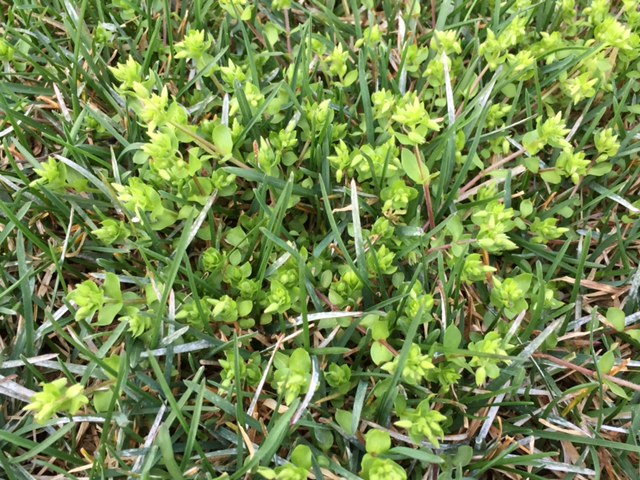
Weeds can be a significant nuisance for gardeners and homeowners alike. The question of whether it's better to kill weeds in the fall or spring depends on various factors, including the type of weeds, the climate, and the overall gardening strategy. Both seasons have their merits, but in general, they serve different purposes when it comes to weed management.
Advantages of Killing Weeds in Fall
Killing weeds in the fall can be particularly effective, especially for perennial weeds that store energy in their roots during the fall. By applying herbicides or employing manual removal techniques before the first frost, you can significantly reduce the chances of these weeds re-emerging in the spring.
- Targeting Perennials: Many perennial weeds are actively growing in the fall, making it easier to kill them.
- Root Energy: Weeds are storing energy for the winter, so targeted herbicide application can be more effective.
- Less Competition: Killing weeds in fall means your garden has less competition as it comes out of winter dormancy.
Benefits of Killing Weeds in Spring
The spring also offers unique advantages for weed management, particularly for annual weeds that germinate and thrive during warmer months. Spring weed control helps to prevent these weeds from seeding and spreading throughout your garden.
- Effective Early Intervention: Spring treatment can preemptively tackle weeds before they establish a strong root system.
- Timing of Application: Using spring as a time to apply pre-emergent herbicides can stop weed seeds from germinating.
- Optimal Weather Conditions: Early spring conditions often favor the effectiveness of herbicides, increasing absorption and efficacy.
Weed Types and Seasonal Considerations
Understanding the types of weeds present in your garden is crucial for deciding whether to act in the fall or spring. Certain species thrive in different seasons, affecting management strategies.
- Annual Weeds: Weeds like crabgrass and dandelions can be more effectively controlled in the spring.
- Perennial Weeds: Weeds such as bindweed and thistles are best tackled in the fall when they are actively storing nutrients.
- Regional Differences: Geographic climate variations can also determine whether fall or spring is a better time for weed control.
Herbicide Application Techniques
The method of application for herbicides can vary between fall and spring treatments. Understanding how to effectively apply products can enhance the elimination of weeds.
- Spot Treatment: In the fall, focusing on individual problematic weeds can prevent widespread application and damage to desired plants.
- Pre-Emergent Use: In the spring, applying pre-emergent herbicides before anticipated germination periods is vital.
- Post-Emergent Strategies: In both seasons, using post-emergent treatments when weeds are actively growing will maximize effectiveness.
Environmental and Ecological Impact
Finally, considering the environmental implications of weed control practices is important. Both fall and spring treatments can have different impacts on local ecosystems.
- Impact on Pollinators: Treatments in spring may coincide with pollinator activity, requiring careful selection of herbicides.
- Soil Health: Fall weed management can allow for improved soil conditions in spring as fewer weeds compete for nutrients.
- Herbicide Persistence: Understanding how long herbicides remain active in the environment can help you make informed choices on application timing.
How do you permanently stop weeds from growing?
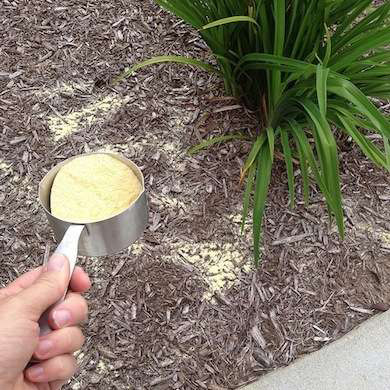
To permanently stop weeds from growing, it's essential to implement a combination of methods that not only control but also deter their future growth. Here is a detailed approach:
Understand the Types of Weeds
Different types of weeds have various growth patterns and can often require unique management strategies. Understanding these types enables you to select the most effective control methods.
- Annual Weeds: These complete their lifecycle in one year and are often easier to manage after they germinate.
- Perennial Weeds: These can survive multiple seasons and require persistent management to eliminate their root systems.
- Biennial Weeds: These take two years to complete their lifecycle; recognizing their growth can help prevent their establishment.
Physical Barriers
Installing physical barriers can significantly reduce weed growth. This technique involves blocking sunlight and preventing weeds from germinating.
- Mulching: Applying a thick layer of organic or inorganic mulch can suppress weed growth by blocking sunlight.
- Landscape Fabric: Placing landscape fabric in flower beds and gardens can provide a barrier that prevents weeds from emerging.
- Plastic Sheeting: Using clear or black plastic sheeting can trap heat and solarize the soil, effectively killing weeds and seeds.
Cultural Control Methods
Employing good horticultural practices can help to reduce the conditions that encourage weed growth.
See also:
- Proper Planting: Planting ground cover plants or dense crops can overcrowd weeds, limiting their ability to grow and spread.
- Crop Rotation: Changing the types of plants grown in your garden each year can disrupt the lifecycle of weeds.
- Fertilization: Applying appropriate fertilizers can promote healthy plant growth, allowing garden plants to compete more effectively with weeds.
Chemical Control Options
Herbicides can be effective for controlling persistent weeds, but they should be used judiciously and in accordance with local regulations.
- Pre-emergent Herbicides: These are applied before weeds germinate and can prevent their growth by creating a barrier in the soil.
- Post-emergent Herbicides: These target existing weeds and can be effective on annual and perennial types.
- Selective Herbicides: These target specific weeds without harming desirable plants, making them a good option for garden care.
Regular Maintenance and Monitoring
Consistent upkeep is crucial in the long-term suppression of weeds. Regular monitoring allows for early detection and management of weed populations.
- Routine Weeding: Regularly checking and manually removing weeds helps to control their spread and reduce seed production.
- Lawn Maintenance: Keeping grass healthy through proper mowing, watering, and fertilization can outcompete weeds.
- Seasonal Inspections: Monitoring your garden’s health and inspecting for signs of weeds at different seasons can facilitate ongoing control efforts.
Is it better to spray weeds wet or dry?
:max_bytes(150000):strip_icc()/GettyImages-1349203308-4b91eb34b8954272828476d6270f3ce2.jpg)
When considering whether it's better to spray weeds when they are wet or dry, several factors come into play. Generally, the effectiveness of herbicide application can be significantly influenced by the moisture level of the weeds and the environmental conditions at the time of spraying. Below is a detailed exploration of this topic.
Wet Conditions and Herbicide Effectiveness
Spraying weeds when they are wet can have both advantages and disadvantages. Wet foliage may allow for better adhesion of certain herbicides; however, it can also dilute the product and reduce its overall effectiveness. Here are some important points to consider:
- Adhesion: Wet leaves can help some herbicides stick better, especially contact herbicides.
- Dilution: Water on the leaves can reduce the concentration of the herbicide, making it less effective.
- Environmental Impact: Wet conditions may lead to runoff, carrying the herbicide away from the target weeds.
Dry Conditions and Application Timing
Spraying weeds when they are dry is often recommended for many herbicides, as this can enhance absorption and effectiveness. Here's why dry conditions are usually preferred:
- Absorption: Dry leaves can absorb herbicides more efficiently, maximizing the product's action.
- Minimized Runoff: Applying herbicides during dry conditions reduces the likelihood of runoff into non-target areas.
- Increased Efficacy: Most systemic herbicides require a dry surface to penetrate effectively and affect the plant's systems.
Weather Considerations
The weather conditions at the time of spraying play a critical role in the effectiveness of herbicide application. Ideal weather can significantly enhance results:
- Wind: Ideal conditions are typically low wind to prevent drift to non-target plants.
- Humidity: Optimal humidity levels can influence the evaporation rate of the herbicide.
- Temperature: Warm temperatures can increase the activity of some herbicides, enhancing their efficacy.
Types of Herbicides
Not all herbicides behave the same, and their performance can vary between being applied on wet or dry surfaces. It's essential to understand the product specifics:
- Contact Herbicides: These are best used on dry foliage to ensure full coverage and effectiveness.
- Systemic Herbicides: They often benefit from being applied on dry plants to be absorbed better into the plant.
- Selective vs Non-Selective: The formulation impacts whether moisture on the leaves aids or hinders the herbicide’s action.
Best Practices for Herbicide Application
To maximize the effectiveness of weed spraying, following best practices is crucial. Consider the following tips:
- Read Labels: Always adhere to manufacturer recommendations regarding application conditions.
- Test Areas: Conduct small test applications to observe how weeds respond under current conditions.
- Monitor Weather Forecasts: Choose application days with suitable dry or slightly moist conditions depending on the herbicide used.
Questions from Our Readers
What month is the best time to spray for weeds?
The best time to spray for weeds is typically in the spring when temperatures are consistently above 60°F (15°C). This is when many weed seeds germinate, making them more susceptible to herbicides. Additionally, early fall can also be effective as weeds prepare for winter.
Are there specific weather conditions to consider when spraying for weeds?
Yes, it's crucial to spray on a day that is calm, ideally with low wind speeds and no impending rain. Sunny conditions can help the herbicide work effectively, but avoid extreme heat to prevent damaging your desired plants.
How often should I spray for weeds?
The frequency of spraying depends on the type of weeds present and the specific herbicide used. Generally, it's recommended to spray every 4 to 6 weeks during the growing season to control persistent weeds effectively. Always follow the manufacturer's instructions for best results.
Can I spray for weeds at any time of the year?
While some herbicides can be used year-round, the most effective operations are in spring and fall, as these times coincide with the life cycles of many weeds. Spraying in the winter is usually less effective, as many weeds are dormant during this period.
See also:

If you want to read more articles like What Month Is the Best Time to Spray for Weeds? A Comprehensive Guide for Gardeners, we recommend you check out our Weeds category.
Leave a Reply
Related Articles